
 Source:
 Ariocarpus ‘Retusus’ short overview
Ariocarpus 'Retusus' is a horticultural identity associated with the living-rock cactus Ariocarpus retusus, a slow-growing Mexican species with a solitary gray-green body and broad, spineless tubercles. Mature plants may produce white flowers in autumn. In cultivation it requires strong light, very porous mineral soil, restrained watering during active growth, and a dry winter rest. The quoted name is not clearly documented as a distinct formally published cultivar.
Taxonomic classification
Ariocarpus ‘Retusus’ care guide
Light and placement
Give the brightest practical position: full morning-to-afternoon sun in a greenhouse or outdoors under rain protection. Acclimate gradually after low-light shipping to prevent sunburn. Too little light causes weak, elongated growth and poor flowering; sudden intense sun can bleach or scorch the gray-green body. In very hot glasshouses, provide light midday ventilation rather than deep shade.
Watering and humidity
Water thoroughly only after the substrate has dried completely, then let excess drain away. During warm active growth, occasional deep watering is preferable to frequent sips; reduce sharply as temperatures fall and keep the plant fully dry during cool winter dormancy. Never leave the pot standing in water. Low humidity and airflow are especially important after watering.
Soil and growing medium
Use a predominantly mineral cactus substrate with excellent drainage, such as pumice, coarse grit, lava or limestone-based aggregate with only a small organic fraction. A neutral to slightly alkaline reaction is suitable and reflects the limestone-associated habitat. Avoid peat-heavy mixes that remain wet around the tuberous root.
Feeding
Feed only during active growth, typically from late spring through summer, using a dilute, low-nitrogen cactus fertilizer. Apply to already-moist soil and stop feeding well before the autumn-to-winter rest. Do not fertilize a dormant, recently repotted, stressed, or root-damaged plant.
Growth and habit
The plant forms a solitary, compact rosette-like body over a large tuberous root and remains slow-growing for many years. Keep the growing point free of persistent moisture, avoid frequent disturbance, and favor stable cultivation over repeated pot changes.
Planting and repotting
Plant container specimens at the same depth as previously grown, keeping the crown and growing point above the substrate. Spring is the safest time for establishment in the United States. Leave enough room for the solitary body to expand and use a top dressing of mineral grit to keep the crown dry.
Repot only when the container is crowded, the substrate has degraded, or root health must be checked. Handle the tuberous root carefully, use a narrow pot with a drainage hole, and keep the plant dry for several days after repotting before resuming cautious watering.
Propagation and pruning
Propagation
Propagation is primarily by seed and is very slow. Sow in a sterile, mostly mineral medium with warmth, bright filtered light, and careful moisture control. Grafting can accelerate early growth but may alter the plant's appearance and is a specialized technique. Use legally sourced, cultivated material because wild collection is conservation-sensitive and regulated.
Pruning
No routine pruning is needed. Remove only dead, rotten, or severely damaged tissue with sterile tools, and allow cuts to dry fully before any watering. Do not cut healthy tubercles or the woolly crown.
Overwintering
Keep completely dry in winter and provide bright light with good ventilation. A cool, frost-free rest around 40–50°F can be useful, but do not expose the plant to freezing temperatures or cold wet soil. In much of the United States, overwinter it indoors, in a greenhouse, or in a protected heated enclosure.
Uses
Primarily grown as a collector's ornamental cactus in containers, rock gardens, greenhouses, and xeric collections. It has conservation and trade-regulation relevance, so choose nursery-propagated plants and retain provenance records. No culinary or medicinal use is supported here.
Appearance
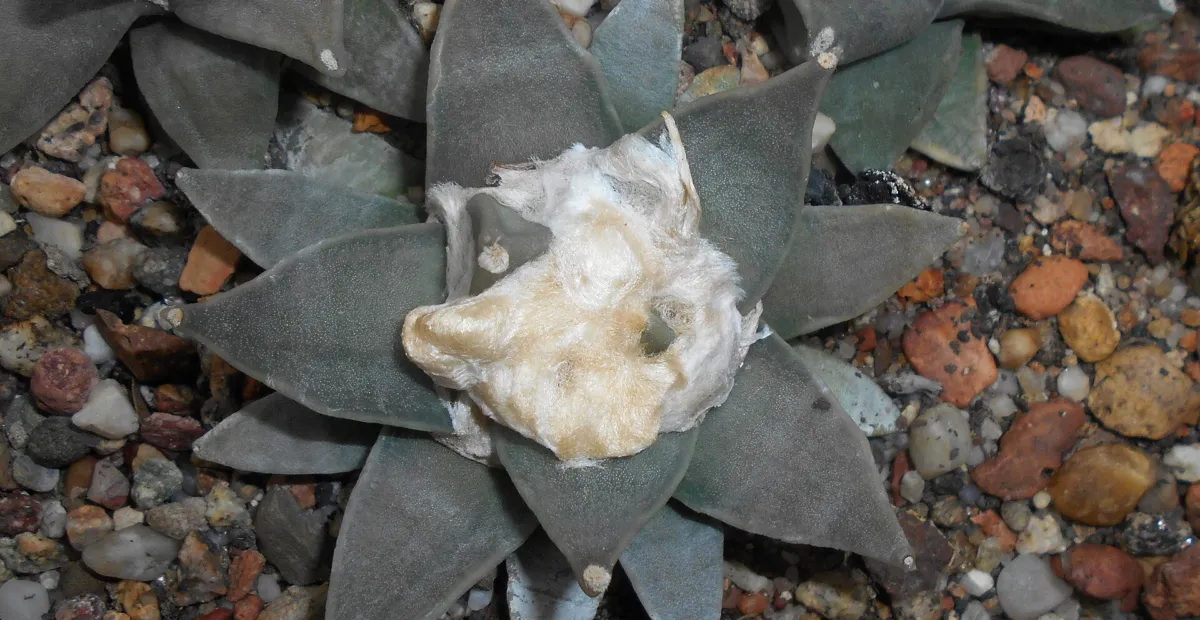
Ariocarpus retusus typically has a solitary, flattened to rounded gray-green or blue-green body made of broad, crowded tubercles. Adult plants are effectively spineless, with rounded areoles and wool concentrated near the central growing point. The body may sit slightly above the soil rather than appearing fully buried. Exact features of 'Retusus' as a horticultural identity are uncertain.
Flowering
The species associated with this horticultural name produces funnel-shaped flowers from the woolly central crown, commonly white and sometimes reported with pale pink tones in cultivated forms. Flowering is typically concentrated in autumn and is more likely once plants reach maturity. Exact flower traits for the quoted identity are not independently documented.
Pollination and visitors
The open flowers of the species are visited by insects, including bees, but reliable evidence for a single primary pollinator species was not located. Pollinator activity is expected during the autumn flowering period in warm, sunny conditions.
Ariocarpus 'Retusus' photos
Click any photo for a larger view. Source, author and license are shown separately.
Diseases and pests
Diseases
The principal risk is root or stem rot caused by prolonged wetness, especially in cool conditions. Use a porous substrate, water only when the mix is dry, and provide airflow. Soft, discolored tissue requires immediate isolation and removal of healthy material above the affected area; fungicides are secondary to correcting moisture and sanitation.
Pests
Watch for mealybugs, scale, spider mites, and root pests. Inspect the woolly crown and roots during repotting, isolate infested plants, remove visible insects with a targeted treatment, and avoid routine broad-spectrum spraying unless necessary.
Related diseases and pests
Only Plant Doctor profiles whose host data indicate this plant may be affected are shown here.
 PestBroad mitePolyphagotarsonemus latus (Banks)
 DiseaseRhizopus soft rotRhizopus stolonifer
 DiseaseBacterial soft rotPectobacterium carotovorum
 PestObscure mealybugPseudococcus viburni
 PestCitrus mealybugPlanococcus citri
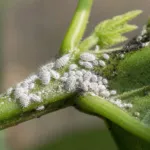 PestCotton mealybugPhenacoccus solenopsis Tinsley
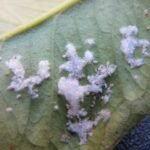 PestWoolly whiteflyAleurothrixus floccosus
Toxicity and pollen
No authoritative evidence was located establishing Ariocarpus retusus or the supplied horticultural identity as poisonous to people or pets. The plant is nevertheless not edible, and its firm tubercles can cause mechanical injury. Prevent chewing, supervise children and animals, and seek professional advice after ingestion or a significant exposure.
- Typical season
- Usually late summer through fall during flowering
- Pollination / pollen
- Insect-carried pollen
This is an insect-pollinated cactus, so its pollen is not generally released as a large airborne seasonal cloud. Flower-specific allergy data for this exact identity are unavailable; sensitive people should still avoid direct contact with flowers and pollen.
Native habitat
The species associated with this name is native to northeastern Mexico, where it occurs in dry, seasonally warm areas commonly associated with limestone and mineral soils. It is adapted to intense light, episodic rainfall, rapid drainage, and pronounced dry periods.
Interesting fact
Ariocarpus retusus is the type species of its genus. Its swollen underground root stores water while the above-ground body remains compact. Mature plants can take many years to reach flowering size. The name Ariocarpus 'Retusus' is not clearly supported as a distinct formally published cultivar.
Frequently asked questions (FAQ)
The most relevant questions about this plant, with short and direct answers.
🌱Quick care
How do you care for Ariocarpus 'Retusus'?⌄
Grow Ariocarpus 'Retusus' in full sun, very porous mineral soil, and with low, carefully timed watering. Let the mix dry completely between waterings and keep the plant protected from frost.
Is Ariocarpus 'Retusus' easy to grow?⌄
Ariocarpus 'Retusus' is relatively manageable for an Ariocarpus, but it grows slowly and is sensitive to excess moisture. Fast drainage, strong light, and a dry winter rest are the main requirements.
How often should you water Ariocarpus 'Retusus'?⌄
Water thoroughly only after the soil has dried completely during warm, active growth, then wait for it to dry again. Water much less in cool, dark, humid, or dormant conditions.
🌤️Environment and placement
Does Ariocarpus 'Retusus' need full sun?⌄
Yes, Ariocarpus 'Retusus' prefers full sun or similarly intense light. Acclimate plants gradually after shipping, repotting, or shade to reduce the risk of sunburn.
Can Ariocarpus 'Retusus' grow indoors?⌄
Ariocarpus 'Retusus' can grow indoors only in a very bright, sunny window or under a strong grow light. Good airflow and a completely dry, fast-draining mix are especially important indoors.
What temperatures can Ariocarpus 'Retusus' tolerate?⌄
Keep Ariocarpus 'Retusus' warm during active growth and protect it from frost and prolonged freezing temperatures. A cool, dry winter rest is safer than allowing the roots to remain wet in cold conditions.
Can Ariocarpus 'Retusus' grow outdoors in the United States?⌄
It can grow outdoors in warm, dry parts of the United States if planted in sharply draining soil and protected from frost. In colder or humid regions, a covered patio or greenhouse is generally safer.
What USDA hardiness zone is Ariocarpus 'Retusus' suitable for?⌄
Ariocarpus 'Retusus' is not reliably frost hardy, so USDA zone alone is not enough to determine outdoor suitability. Grow it outdoors only where freezing weather can be avoided or provide seasonal protection.
💧Care and problems
Why is my Ariocarpus 'Retusus' wrinkled?⌄
Wrinkling can indicate normal dryness, dormancy, shipping stress, or insufficient root function. Water only when the plant is warm and the soil is fully dry; persistent softness or dark discoloration may indicate rot instead.
Why is my Ariocarpus 'Retusus' soft?⌄
A soft or mushy Ariocarpus 'Retusus' may be suffering from root or stem rot, especially if the soil has stayed wet. Stop watering, isolate the plant, and inspect the roots and lower stem before watering again.
How do you prevent root rot in Ariocarpus 'Retusus'?⌄
Prevent root rot by using a mostly mineral, very porous mix, a pot with drainage holes, and long dry intervals between waterings. Never leave the plant sitting in water or wet it during cold dormancy.
What pests attack Ariocarpus 'Retusus'?⌄
Common pests include mealybugs, root mealybugs, scale, and spider mites. Check the woolly center, tubercle bases, soil line, and roots regularly, especially after acquiring a new plant.
Should you fertilize Ariocarpus 'Retusus'?⌄
Feed Ariocarpus 'Retusus' sparingly with a diluted cactus fertilizer during warm active growth. Avoid fertilizer on newly repotted, dormant, damaged, or visibly stressed plants.
🪴Planting and repotting
What is the best soil for Ariocarpus 'Retusus'?⌄
Use a very porous, mineral-heavy cactus mix containing materials such as pumice, lava rock, coarse grit, or decomposed granite. The mix should drain immediately and contain little organic material.
What type of pot does Ariocarpus 'Retusus' need?⌄
Choose a pot with drainage holes that is deep enough for its substantial taproot without leaving a large volume of wet soil around it. Unglazed clay can help the mix dry faster, particularly in humid conditions.
How do you repot Ariocarpus 'Retusus'?⌄
Repot it into dry, porous soil and handle the taproot carefully because root damage can lead to rot. After repotting, keep the plant dry until any damaged roots have healed, then resume watering only in suitable warm conditions.
How deep should Ariocarpus 'Retusus' be planted?⌄
Plant Ariocarpus 'Retusus' only as deep as necessary to support the root system, keeping the crown and body above the soil surface. Do not bury the tubercles or pack damp soil against the stem.
✂️Propagation and pruning
How do you propagate Ariocarpus 'Retusus'?⌄
Propagation is primarily by seed because Ariocarpus 'Retusus' is usually solitary and does not readily produce offsets. Sow fresh seed in a sterile, gritty medium and provide warmth, light, and controlled moisture.
How long does Ariocarpus 'Retusus' take to grow?⌄
Ariocarpus 'Retusus' is slow growing, particularly as a young seedling, and flowering size may take many years. Consistent light, careful watering, and avoiding root damage are more important than trying to accelerate growth.
Can you propagate Ariocarpus 'Retusus' from cuttings?⌄
Cuttings are generally not the practical propagation method for Ariocarpus 'Retusus' because the plant has a solitary, tuberculate body and a dominant root system. Seed propagation is the usual approach.
⚠️Toxicity and safety
Is Ariocarpus 'Retusus' poisonous to pets or people?⌄
The toxicity of Ariocarpus 'Retusus' is unclear, and no documented poisoning evidence was located for this exact plant. Keep it away from children and pets because ingestion is not considered safe and the plant can be damaged by handling.
Does Ariocarpus 'Retusus' have spines?⌄
Ariocarpus 'Retusus' has reduced or absent conventional spines, but its firm tubercles can still be rough or sharp enough to cause minor injury. Handle it gently during repotting.
🌸Flowering and special interest
When does Ariocarpus 'Retusus' flower?⌄
A mature Ariocarpus 'Retusus' commonly flowers during the warmer part of the growing season, often in late summer or fall. Bright light, good health, and a properly dry winter rest support flowering.
What color are Ariocarpus 'Retusus' flowers?⌄
Flowers of Ariocarpus 'Retusus' are commonly white to pale pink, although color can vary among forms and cultivated plants. They emerge from the woolly center of a mature body.
How old does Ariocarpus 'Retusus' need to be before flowering?⌄
Ariocarpus 'Retusus' usually needs to reach substantial maturity before flowering, and seed-grown plants may take many years. The exact timing depends on genetics, light, growing conditions, and whether the plant is grafted or grown on its own roots.
Why is my Ariocarpus 'Retusus' not flowering?⌄
Ariocarpus 'Retusus' may not flower because it is still immature, receives insufficient light, remains too wet, or lacks a cool, dry rest. Avoid forcing growth with extra water or fertilizer, since that can increase rot risk.
Similar plants
 Azure Monkshood (Aconitum carmichaelii) care guideAconitum carmichaelii
 Monkshood (Aconitum ‘Stainless Steel’)Aconitum 'Stainless Steel'
 Monkshood (Aconitum ‘Bressingham Spire’)Aconitum 'Bressingham Spire'
 Golden full moon maple (Acer shirasawanum ‘Aureum’)Acer shirasawanum 'Aureum'
 Globosum (Acer platanoides ‘Globosum’)Acer platanoides 'Globosum'
 Striped maple (Acer pensylvanicum) care guideAcer pensylvanicum