
 Source:
 Micranthocereus albicephalus short overview
Micranthocereus albicephalus is a rare columnar cactus native to rocky, quartz-rich mountain slopes in southeastern Brazil. Its green, branching stems carry conspicuous golden spines and eventually develop a white woolly cephalium edged with bristles. Mature plants can produce large white flowers that open at night, but flowering is uncommon in cultivation. In the United States, grow it as a container specimen with intense light, fast drainage, warm temperatures and a distinctly drier winter rest.
Taxonomic classification
Micranthocereus albicephalus care guide
Light and placement
Give the strongest available light: full sun outdoors in a frost-free, rain-sheltered position, or a bright south- or west-facing window with gradual acclimation. Rotate containers periodically for even growth. Pale, stretched stems suggest insufficient light; bleached patches or corking after abrupt exposure indicate sun stress. Provide airflow and protect from prolonged cold rain.
Watering and humidity
Water thoroughly only after the substrate has dried completely, letting excess drain away. During warm active growth, check the mix every one to three weeks depending on container size, heat and airflow; water less often in fall and keep nearly dry through cool winter conditions. Never leave the pot standing in water. Humidity is less important than rapid drying.
Soil and growing medium
Use a sharply draining mineral cactus mix with substantial coarse grit, pumice, lava rock or expanded shale. The native habitat includes rocks and quartz sand, so the root zone should not remain wet after watering. A slightly acidic to neutral reaction is suitable; avoid heavy, peat-dominated composts and waterlogged containers.
Feeding
Feed only during active warm-season growth, using a balanced cactus fertilizer diluted to about one-quarter to one-half label strength every four to six weeks. Do not fertilize newly repotted, dormant, chilled or visibly stressed plants. A mineral substrate should not be heavily enriched with compost.
Growth and habit
This is a slow-growing, long-lived cactus that branches from the base and eventually develops a specialized cephalium on mature growth. The plant benefits from a stable container, excellent ventilation and careful support as stems become taller. Avoid frequent relocation or unnecessary cutting, since mature structures take years to develop.
Planting and repotting
Plant outdoors only in frost-free conditions and a sheltered, sharply drained site. Set the root crown at the same depth as before and do not bury the stem. In containers, use a heavy pot and leave enough clearance around the plant for basal branching and safe maintenance.
Repot in spring or early summer only when the root ball is dry and the plant is actively growing. Use a stable, heavy container with a drainage hole, protect hands from spines, and allow damaged roots to callus before watering. Mature specimens may need infrequent repotting simply to refresh the substrate or prevent top-heaviness.
Propagation and pruning
Propagation
Seed is the most documented and practical method; fresh, viable seed needs warmth, light and sterile, well-drained medium. Cuttings can be attempted from healthy branches after a long drying period, but rooting may be slow. Grafting is useful for maintaining valuable or difficult material, though it may alter growth form.
Pruning
Pruning is rarely needed. Remove only dead, diseased or dangerously damaged stems with a sterile tool, allowing cuts to dry fully before watering. Do not remove a healthy cephalium or shorten stems merely to control height; such cuts permanently change the specimen’s form.
Overwintering
Keep completely protected from frost. Overwinter in a bright, cool-to-warm location with excellent airflow and little or no water. A dry winter rest helps prevent rot. Avoid placing the plant against cold glass or near a heater that causes severe temperature swings. Resume watering gradually in spring when warmth and new growth return.
Uses
Primarily a collector’s ornamental cactus for frost-free containers, conservatories and specialist collections. Its cephalium, golden spines and columnar habit provide strong architectural interest. It has no documented culinary or medicinal use in the reviewed sources.
Appearance
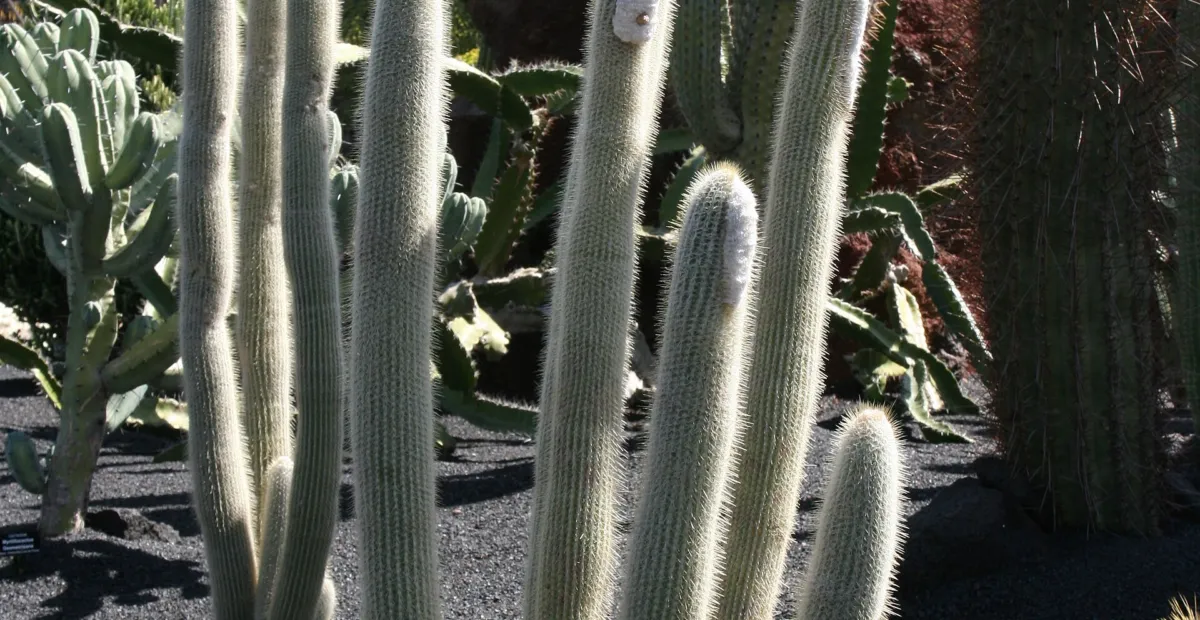
The plant has upright, ribbed green stems that branch near the base. Areoles carry pale wool and numerous straight golden-yellow to orange-brown spines. Mature stems form a conspicuous lateral cephalium made of dense white wool and longer golden bristles, giving the cactus its highly distinctive collector value.
Flowering
Mature plants develop a conspicuous lateral cephalium, a specialized woolly flowering zone. The flowers are white, tubular to bell-shaped, approximately 2 inches long and 1.6 inches wide, and open at night. Flowering is uncommon in cultivation and appears associated with older plants that have formed a cephalium.
Pollination and visitors
Species-specific pollinator observations were not located. The large nocturnal flowers indicate a possible nighttime floral-visitor relationship, but a particular animal group should not be assigned without direct evidence.
Micranthocereus albicephalus photos
Click any photo for a larger view. Source, author and license are shown separately.
Diseases and pests
Diseases
The main risk is root or stem rot caused by persistently wet media, especially during cool weather. Use sterile, free-draining substrate, avoid splash around the stem and inspect the roots when growth remains stalled. Remove soft tissue with a sterile blade only if rot is localized, then keep the plant dry while the wound calluses.
Pests
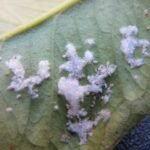
Watch for mealybugs, scale and spider mites, particularly on stressed or overwintered plants. Inspect the cephalium and stem joints with a hand lens. Isolate affected plants, remove small infestations mechanically and use a labeled horticultural treatment when necessary; avoid soaking the woolly cephalium.
Related diseases and pests
Only Plant Doctor profiles whose host data indicate this plant may be affected are shown here.


Toxicity and pollen
No authoritative species-specific toxicity assessment was located. Do not treat the plant as edible or harmless: spines can puncture skin, glochids or detached spine fragments may irritate, and sap or plant material should not be ingested. Keep away from children and pets and use gloves and eye protection when handling.
- Pollination / pollen
- Species-specific dispersal not documented
Species-specific airborne-pollen and allergy studies were not located. As a flowering cactus, it produces pollen during flowering, but its release behavior and practical allergy risk for United States gardeners remain undocumented. Avoid contact with flowers if sensitivity is known and use normal protective measures when handling the plant.
Native habitat
Native to southern Bahia and northern Minas Gerais in Brazil, where it occurs in montane tropical settings on mountain slopes above roughly 2,600 feet, among rocks and quartz sand. The habitat is warm but seasonally dry, with rapid drainage and strong light.
Interesting fact
The species forms a specialized white woolly cephalium on the side of mature stems. It was formerly placed in Austrocephalocereus and Coleocephalocereus. Its accepted native range spans southern Bahia and northern Minas Gerais, Brazil. The plant is listed in CITES cactus trade controls.
Frequently asked questions (FAQ)
The most relevant questions about this plant, with short and direct answers.
🌱Quick care
What is Micranthocereus albicephalus?⌄
Micranthocereus albicephalus is a rare, columnar cactus in the Cactaceae family, native to Brazil. It branches from the base and develops a distinctive white, woolly cephalium with golden bristles.
How much light does Micranthocereus albicephalus need?⌄
Give Micranthocereus albicephalus full sun, ideally with several hours of direct light each day. Acclimate it gradually when moving it from lower light to prevent sunscald.
How often should I water Micranthocereus albicephalus?⌄
Water Micranthocereus albicephalus thoroughly, then allow the soil to dry completely before watering again. Reduce watering during cool, dark winters, especially indoors.
Is Micranthocereus albicephalus cold hardy?⌄
Micranthocereus albicephalus is frost tender and should be protected from freezing temperatures. Keep it dry during cold spells because wet roots are especially vulnerable to rot.
🌤️Environment and placement
Can Micranthocereus albicephalus grow outdoors in the United States?⌄
It can grow outdoors year-round only in warm, frost-free parts of the United States with excellent drainage. In most regions, grow it in a container that can be moved indoors before frost.
Can Micranthocereus albicephalus grow indoors?⌄
Micranthocereus albicephalus can be grown indoors beside the sunniest available window or under a strong grow light. Good airflow and a dry winter rest are important because indoor conditions often stay too humid or dim.
What USDA hardiness zones are suitable for Micranthocereus albicephalus?⌄
A precise USDA hardiness-zone rating is not well documented for this species, but it should be treated as suitable only for frost-free or nearly frost-free climates. Container culture is the safer option in colder zones.
How large can Micranthocereus albicephalus become?⌄
In suitable conditions, Micranthocereus albicephalus can eventually reach about 8 feet tall, with stems roughly 3 to 3½ inches thick. Container-grown plants are usually smaller and grow more slowly.
What is the cephalium on Micranthocereus albicephalus?⌄
The cephalium is the dense white, woolly and bristly structure formed along one side near the upper stem. Flowers and fruits emerge from this specialized flowering region rather than from ordinary areoles.
💧Care and problems
What soil is best for Micranthocereus albicephalus?⌄
Use a mineral-rich, sharply drained cactus mix containing materials such as pumice, grit, coarse sand or lava rock. Avoid heavy peat-based soil that stays wet around the roots.
Why is my Micranthocereus albicephalus turning soft or brown?⌄
Soft, dark or collapsing tissue usually indicates overwatering, poor drainage or cold injury. Stop watering, inspect the roots and remove rotten tissue only if the damage is localized and the remaining tissue is firm.
Why is Micranthocereus albicephalus growing slowly?⌄
Slow growth is normal for a rare columnar cactus, particularly in containers or during winter. Insufficient light, cool temperatures, compact soil or frequent watering can slow it further or cause decline.
Should I fertilize Micranthocereus albicephalus?⌄
Feed Micranthocereus albicephalus sparingly during active growth with a diluted, low-nitrogen cactus fertilizer. Do not fertilize a stressed, recently repotted or dormant plant.
🪴Planting and repotting
When should I repot Micranthocereus albicephalus?⌄
Repot Micranthocereus albicephalus during warm active growth when the roots have filled the container or the soil has degraded. Use a pot with drainage holes and move up only one size.
What type of pot is best for Micranthocereus albicephalus?⌄
Choose a heavy pot with drainage holes to support the tall, branching stems and prevent tipping. Unglazed clay can help the soil dry faster, while plastic is acceptable if watering is carefully controlled.
Can Micranthocereus albicephalus be planted in the ground?⌄
Plant it in the ground only where winters are frost-free and the soil drains exceptionally well. A raised mineral bed or rocky slope is preferable to flat, moisture-retentive soil.
✂️Propagation and pruning
How is Micranthocereus albicephalus propagated?⌄
Micranthocereus albicephalus can be propagated from seed, while carefully rooted cuttings may also be possible from suitable branches. Seed propagation is generally the more appropriate method for preserving this rare species.
Can Micranthocereus albicephalus be grown from cuttings?⌄
A healthy branch may potentially root as a cutting, but reliable species-specific cutting instructions are limited. Let the cut surface callus fully, use very dry mineral soil and water only after roots begin forming.
Can I prune Micranthocereus albicephalus?⌄
Prune only to remove damaged, diseased or dangerously overcrowded growth. Because the cephalium is a specialized flowering structure, do not cut it unless the tissue is clearly dead or diseased.
⚠️Toxicity and safety
Is Micranthocereus albicephalus poisonous to people or pets?⌄
Species-specific toxicity information for Micranthocereus albicephalus is undocumented. Treat it as a spine hazard, keep it away from children and pets, and do not allow plant material to be chewed.
Are the spines of Micranthocereus albicephalus dangerous?⌄
Yes, its numerous golden spines can puncture skin and may break off during handling. Wear thick gloves, use tongs or folded cardboard, and keep the plant away from walkways.
🌸Flowering and special interest
Does Micranthocereus albicephalus flower?⌄
Micranthocereus albicephalus produces tubular white flowers from its cephalium, and the flowers open at night. Flowering in cultivation is possible but uncommon, especially before the plant reaches maturity.
Why is my Micranthocereus albicephalus not flowering?⌄
A young plant may simply be immature, since this species can take substantial time to reach flowering size. Strong light, warm active growth, excellent drainage and a cooler, drier winter rest may improve flowering prospects.
When does Micranthocereus albicephalus bloom?⌄
A dependable cultivated flowering season is not well documented for this species. When it does bloom, its flowers are nocturnal and arise from the mature cephalium.
Does Micranthocereus albicephalus produce fruit and seeds?⌄
Yes, Micranthocereus albicephalus can produce spherical fruits after flowering, with seeds inside. Seed production may require successful pollination and suitable conditions, and detailed cultivation reports are limited.
Similar plants
 Azure Monkshood (Aconitum carmichaelii) care guideAconitum carmichaelii
 Monkshood (Aconitum ‘Stainless Steel’)Aconitum 'Stainless Steel'
 Monkshood (Aconitum ‘Bressingham Spire’)Aconitum 'Bressingham Spire'
 Golden full moon maple (Acer shirasawanum ‘Aureum’)Acer shirasawanum 'Aureum'
 Globosum (Acer platanoides ‘Globosum’)Acer platanoides 'Globosum'
 Striped maple (Acer pensylvanicum) care guideAcer pensylvanicum