
 Source:
Delosperma nubigenum short overview
Delosperma nubigenum is a compact, mat-forming succulent perennial native to mountainous areas of South Africa. Its fleshy evergreen leaves may bronze in winter, while bright yellow, daisy-like flowers appear in late spring and early summer. In the United States it is especially useful for rock gardens, dry borders, containers and sunny slopes, provided the planting site has excellent drainage and is not waterlogged during winter.
Taxonomic classification
Delosperma nubigenum care guide
Light and placement
Give full sun, ideally with a south- or west-facing exposure and unobstructed light for most of the day. In hot climates, a little afternoon shade is acceptable if drainage remains excellent. Insufficient light causes looser growth and fewer flowers; excessive wetness at the roots, rather than strong sun itself, is the usual cause of decline.
Watering and humidity
Water deeply after planting, then wait until the soil is thoroughly dry before watering again. Once established, irrigate only during prolonged heat or drought. Reduce watering in fall and keep the crown comparatively dry through cold, wet winters; container plants need more frequent checks but should never sit in runoff.
Soil and growing medium
Use a sharply draining mineral soil or succulent mix containing grit, coarse sand, gravel or crushed rock. Sandy, rocky and moderately calcareous soils are suitable. Avoid heavy clay and sites that stay wet in winter. A mildly acidic to mildly alkaline reaction is tolerated, so drainage is generally more important than exact pH.
Feeding
Fertilizer is usually optional in fertile mineral soil. If growth is weak, apply a dilute, balanced or low-nitrogen succulent fertilizer once in spring and again only if needed. Do not feed freshly planted, drought-stressed or dormant plants, and avoid rich nitrogen-heavy fertilizer that can produce weak, lush growth.
Growth and habit
Forms a dense, low, slowly spreading mat from branching succulent stems. It can root where stems contact suitable soil, gradually filling open spaces without forming a tall canopy. Keep neighboring vigorous plants from overtopping it, because shade and retained moisture reduce performance.
Planting and repotting
Plant after the danger of severe frost has passed, or in early fall where roots can establish before winter. Set the crown at the same depth as in the nursery container. Space plants about 12–18 inches apart for a connected ground-cover mat, and water periodically during the first growing season while allowing the soil to dry between applications.
Repot container plants in spring when the root ball has filled the pot or the mix has broken down. Move the plant into a pot only slightly larger, use a gritty succulent medium, and allow cut surfaces or disturbed roots to dry briefly before watering.
Propagation and pruning
Propagation
Propagate from stem cuttings in spring or early summer by allowing cut ends to dry briefly, then rooting them in a gritty, barely moist medium. Seed propagation is possible, but seedlings may be slower and less uniform than cuttings. Keep newly rooted pieces lightly watered until established.
Pruning
Little pruning is required. In spring, remove winter-damaged or dead material and lightly trim straggling stems to maintain an even mat. Avoid cutting deeply into old, leafless tissue unless healthy green nodes remain below the cut.
Overwintering
This species can remain outdoors in much of the United States when planted in very well-drained soil. In colder regions, protect the crown from repeated winter wetness with a rain-shadow placement, raised bed or gravel mulch that does not cover the stems. Container plants are more vulnerable to root freezing and should be sheltered from prolonged saturation.
Uses
Use as a drought-tolerant ground cover, rock-garden accent, gravel-border plant, wall or trough plant, and low edging for sunny beds. Its spreading habit can help soften hardscape edges and stabilize small dry slopes. It is ornamental rather than a documented culinary or medicinal crop.
Appearance
The plant has closely packed, smooth, fleshy leaves on branching, low stems. It remains evergreen in suitable climates and may develop bronze tones during winter. The compact succulent foliage and bright yellow flowers distinguish it from taller, looser ice-plant species.
Flowering
Small, bright yellow, daisy-like flowers are produced above the low foliage in late spring and may continue intermittently into summer. Flowers open most fully in bright sunshine and close or become less conspicuous during dull weather or at night.
Pollination and visitors
The open yellow flowers can provide accessible nectar and pollen for small bees and other flower-visiting insects, but a species-specific principal pollinator was not reliably documented. Visitor activity is expected mainly during sunny flowering periods.
Delosperma nubigenum photos
Click any photo for a larger view. Source, author and license are shown separately.
Diseases and pests
Diseases
The main risk is root or crown rot caused by persistently wet soil, especially in cold weather. Plant on a raised or sloping site, avoid overhead irrigation, and remove damaged material. Good air circulation and fast drainage are usually more effective than routine fungicide use.
Pests
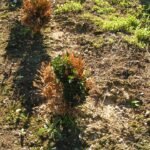
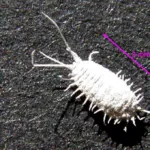
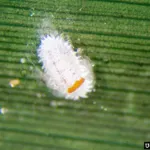
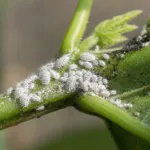
Watch for mealybugs, scale and occasional slugs in damp conditions. Inspect leaf axils and container rims, remove pests by hand or with a targeted treatment, and correct excessive moisture. Avoid keeping the plant crowded or continuously shaded.
Related diseases and pests
Only Plant Doctor profiles whose host data indicate this plant may be affected are shown here.
Toxicity and pollen
No reliable species-specific toxicology evidence was found in the authoritative sources checked. Do not assume complete safety from the absence of reports. Prevent children and pets from consuming unfamiliar plant material, and seek veterinary or medical advice if ingestion causes symptoms.
- Typical season
- Late spring through summer during flowering
- Pollination / pollen
- Flower pollen, mainly insect-transferred
This is an insect-pollinated flowering plant, and its pollen is generally presented at the flower rather than dispersed in large airborne clouds. However, species-specific clinical allergy data were not located, so sensitive individuals should avoid assuming zero risk during bloom.
Native habitat
In nature it occurs in mountainous parts of the Free State and Lesotho, in temperate upland environments with strong light, seasonal cold and soils that drain rapidly. Its cultivated tolerance of frost depends heavily on keeping the crown and roots from remaining waterlogged.
Interesting fact
This species is accepted under the name Delosperma nubigenum. It is native to the Free State and Lesotho. Its foliage can bronze during winter. It is regarded as one of the more cold-hardy cultivated ice plants.
Frequently asked questions (FAQ)
The most relevant questions about this plant, with short and direct answers.
🌱Quick care
What is Delosperma nubigenum?⌄
Delosperma nubigenum is a low-growing, mat-forming succulent perennial in the Aizoaceae family. It is valued as a drought-tolerant ground cover with fleshy green leaves and yellow, daisy-like flowers.
How much sun does Delosperma nubigenum need?⌄
Delosperma nubigenum grows best in full sun, ideally with at least 6 hours of direct sunlight daily. It can tolerate some partial shade, but reduced light may limit flowering and produce looser growth.
How often should I water Delosperma nubigenum?⌄
Water Delosperma nubigenum sparingly once established, allowing the soil to dry between waterings. The plant is drought tolerant, but occasional watering during prolonged hot, dry periods can support better growth.
How big does Delosperma nubigenum get?⌄
Delosperma nubigenum usually grows about 2 to 3 inches tall and spreads roughly 12 to 24 inches, sometimes farther in favorable conditions. Its horizontal growth makes it useful as a low ground cover.
Is Delosperma nubigenum evergreen?⌄
Delosperma nubigenum is often evergreen or semi-evergreen in mild climates. In colder areas, its foliage may bronze or redden in fall and suffer some winter dieback.
🌤️Environment and placement
What USDA hardiness zones can grow Delosperma nubigenum?⌄
Published hardiness ratings vary, but Delosperma nubigenum is commonly listed for approximately USDA Zones 4 or 5 through 8 or 9. Winter survival depends heavily on drainage, snow cover, exposure, and local temperatures.
Can Delosperma nubigenum survive cold winters?⌄
Yes, Delosperma nubigenum is one of the more cold-hardy cultivated ice plants when grown in sharply drained soil. Cold, wet winter conditions are more dangerous than freezing temperatures alone.
Where should I plant Delosperma nubigenum outdoors?⌄
Plant Delosperma nubigenum in a sunny rock garden, raised bed, gravel garden, slope, border edge, or other site with rapid drainage. Avoid low spots where rain or melting snow can remain around the roots.
Can Delosperma nubigenum grow in containers?⌄
Yes, Delosperma nubigenum grows well in containers with drainage holes and a gritty, fast-draining mix. Choose a container that is wider than it is deep and protect it from prolonged winter saturation.
Is Delosperma nubigenum drought tolerant?⌄
Yes, Delosperma nubigenum is drought tolerant after it establishes a healthy root system. Newly planted specimens still need occasional watering while roots develop.
Is Delosperma nubigenum salt tolerant?⌄
Delosperma nubigenum has moderate salt tolerance and may perform well in some exposed or roadside settings. It should still be protected from repeated heavy applications of deicing salt.
💧Care and problems
What soil is best for Delosperma nubigenum?⌄
Use sandy, rocky, or gritty soil that drains sharply and dries fairly quickly. Heavy clay or soil rich in moisture-retaining organic matter can increase the risk of crown and root rot.
Why is my Delosperma nubigenum turning red?⌄
Red or bronze foliage is often a normal response to cool temperatures and seasonal change. Persistent discoloration combined with soft, collapsing leaves may instead indicate excess moisture or root problems.
Why is my Delosperma nubigenum dying after winter?⌄
The most common concern is winter moisture around the crown or roots rather than cold alone. Improve drainage, avoid organic mulch that holds moisture, and keep the plant from sitting under melting snow or runoff.
What problems affect Delosperma nubigenum?⌄
Delosperma nubigenum generally has few serious pest or disease problems. Aphids, mealybugs, crown rot, and root rot can occur, especially when plants are stressed or grown in damp, poorly drained soil.
Does Delosperma nubigenum need fertilizer?⌄
Delosperma nubigenum usually needs little fertilizer when grown in moderately fertile soil. If growth is weak, apply a light, balanced fertilizer in spring rather than using frequent high-nitrogen feedings.
Should I mulch Delosperma nubigenum?⌄
Use only a thin layer of inorganic mulch such as pea gravel around Delosperma nubigenum. Wood or bark mulch can hold too much moisture against the crown and may worsen winter losses.
🪴Planting and repotting
When is the best time to plant Delosperma nubigenum?⌄
Spring is generally the safest planting time in colder parts of the United States because roots can establish before winter. In hot, dry regions, fall planting can also work if the plant has time to root before extreme weather.
How far apart should I plant Delosperma nubigenum?⌄
Space Delosperma nubigenum about 10 to 14 inches apart for relatively quick ground cover. Wider spacing is acceptable if you prefer slower filling and better air circulation.
How do I plant Delosperma nubigenum in clay soil?⌄
Amend the planting area for drainage or use a raised bed, rock garden, or container instead of planting directly into heavy clay. Avoid creating a rich, water-holding pocket that stays wetter than the surrounding soil.
Can Delosperma nubigenum grow between stepping stones?⌄
Yes, Delosperma nubigenum can grow between stepping stones if the site receives strong sunlight and has excellent drainage. Leave enough space for its spreading mat and avoid areas with frequent standing water.
Should I repot Delosperma nubigenum?⌄
Repot container-grown Delosperma nubigenum when the plant has filled its container or the mix has become compacted, often about every two years. Use fresh gritty soil and move it into a slightly wider pot with drainage holes.
✂️Propagation and pruning
How do I propagate Delosperma nubigenum from cuttings?⌄
Take healthy stem cuttings about 2 to 5 inches long in spring or summer, remove the lower leaves, and place the stems in a sandy, well-drained mix. Keep the medium only lightly moist until roots form.
Can Delosperma nubigenum be grown from seed?⌄
Yes, Delosperma nubigenum can be propagated from seed, although cuttings are often the simpler way to produce matching plants. Sow the seed in a well-drained medium and avoid keeping it constantly wet.
Can I divide Delosperma nubigenum?⌄
Established mats can sometimes be separated into rooted sections, although stem cuttings are the more consistently documented propagation method. Replant divisions in gritty soil and water lightly until they recover.
Does Delosperma nubigenum need pruning?⌄
Delosperma nubigenum needs very little pruning. Remove dead or damaged growth, trim stray stems to maintain the mat’s shape, and clear winter debris without cutting away healthy new growth.
How do I keep Delosperma nubigenum from spreading too far?⌄
Trim wandering stems back to the desired boundary and remove rooted pieces that extend beyond the planting area. Regular edge trimming is usually enough because the plant spreads as a low, horizontal mat.
⚠️Toxicity and safety
Is Delosperma nubigenum toxic to dogs or cats?⌄
No reliable species-specific toxicity classification was found for Delosperma nubigenum. Because toxicity data are limited, prevent pets and children from eating the plant and contact a veterinarian or poison-control service if ingestion occurs.
🌸Flowering and special interest
When does Delosperma nubigenum bloom?⌄
Delosperma nubigenum typically blooms from late spring into summer, with some plants flowering intermittently later in the season. Bloom timing varies with sunlight, temperature, and regional climate.
What color are Delosperma nubigenum flowers?⌄
Delosperma nubigenum produces bright yellow to chartreuse-yellow, daisy-like flowers. The flowers appear above the low succulent foliage and can cover much of the mat during peak bloom.
Why is my Delosperma nubigenum not flowering?⌄
Insufficient sunlight, excessive moisture, immature growth, or unsuitable winter conditions can reduce flowering. Move container plants to full sun and avoid heavy fertilizer or persistently wet soil.
Does Delosperma nubigenum attract pollinators?⌄
Yes, the yellow flowers of Delosperma nubigenum can attract bees and butterflies. Planting several specimens together can create a more noticeable flowering display for pollinators.
Similar plants
 Trailing Iceplant (Delosperma cooperi) care guideDelosperma cooperi
 He pickle pla (Delosperma echinatum) care guideDelosperma echinatum
 Flatleaf Sheepfig (Delosperma ashtonii) care guideDelosperma ashtonii
 Lavender Ice Plant (Delosperma ‘Lavender Ice’)Delosperma 'Lavender Ice'
 Delosperma ‘Fire Spinner’Delosperma 'Fire Spinner'
 Sheepfigs (Delosperma) care guideDelosperma