
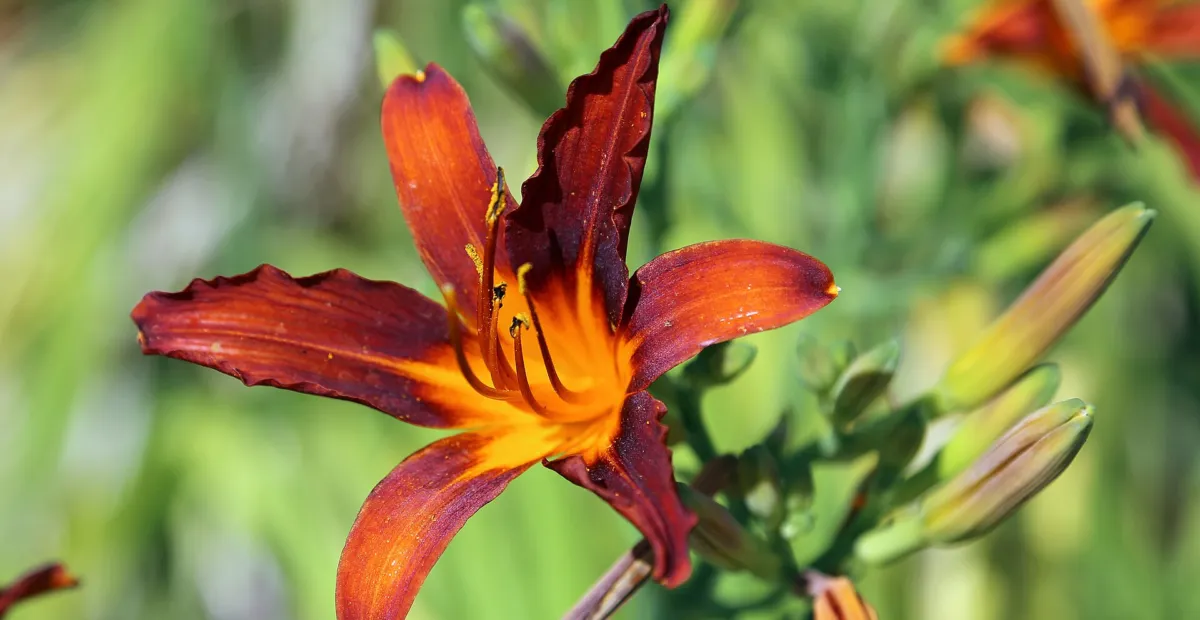
 Source:
 Orange day-lily (Hemerocallis fulva) short overview
Orange day-lily (Hemerocallis fulva) is a vigorous Asian perennial with arching, strap-like leaves and tawny-orange trumpet flowers that open for only one day. It grows well in full sun or partial shade, tolerates average and poor soils, and spreads rapidly by rhizomes. Widely naturalized across the United States, it can form persistent roadside and garden colonies. Keep it away from cats because daylilies are associated with severe kidney injury.
Taxonomic classification
Orange day-lily (Hemerocallis fulva) care guide
Light and placement
Grow in full sun for the strongest flowering, ideally with at least 6 hours of direct light, or in partial shade where afternoon heat is intense. An east- or south-facing bed is suitable; in hot regions, light afternoon shade can protect flowers. Too little light causes floppy foliage and fewer blooms, while severe heat combined with reflected sun can scorch leaves.
Watering and humidity
Water deeply when the upper inch of soil begins to dry during the first season, then reduce frequency after the clump is established. Maintain more consistent moisture during bud formation and flowering, especially in sandy soil or prolonged heat. Avoid chronic saturation around the crown. Ordinary outdoor humidity is sufficient; misting is unnecessary.
Soil and growing medium
Use average, moderately fertile soil with good drainage. Loam enriched with organic matter supports strong clumps, but established plants tolerate poorer ground. Avoid persistently waterlogged sites. A slightly acidic to neutral soil is suitable; the plant is broadly tolerant and usually does not require pH correction unless a soil test indicates a problem.
Feeding
Top-dress with compost in spring or apply a balanced, slow-release perennial fertilizer as growth begins. Avoid heavy nitrogen feeding, which can produce lush foliage with weaker flowering and may encourage disease. Do not fertilize drought-stressed, newly divided, or dormant plants until active growth and adequate soil moisture return.
Growth and habit
Forms dense, arching clumps from short, stout rhizomes and expands laterally over time. Its rapid naturalizing habit is useful for covering banks but can make it difficult to remove once established. Divide crowded colonies to maintain vigor and remove unwanted rhizome spread at the planting edge.
Planting and repotting
Plant in spring or early fall while temperatures are moderate. Set the crown so the junction of roots and foliage is level with, or only slightly below, the soil surface; burying it deeply can reduce vigor. Space plants about 18–30 inches apart, allowing for rapid clump expansion. Water consistently during the first growing season.
Container-grown plants should be divided and refreshed when the root mass becomes crowded, usually every 3–5 years. Replant divisions at the same crown depth in a wider container with drainage holes and a loam-based, well-drained mix. Water thoroughly after transplanting and allow the surface to dry slightly between waterings.
Propagation and pruning
Propagation
Divide established clumps in spring or early fall by separating rhizomatous crowns with healthy roots and foliage. Seed propagation is possible after pollination, but seedlings are genetically variable and may not reproduce the parent’s traits. Plant divisions promptly and keep them evenly watered during establishment.
Pruning
Remove spent flower stalks after flowering to tidy the planting and reduce self-seeding where seed capsules form. Cut back yellowing or frost-damaged foliage after it has declined naturally, rather than removing healthy leaves too early. Divide clumps when they become congested or spread beyond the intended area.
Overwintering
The species is cold hardy across much of the United States and normally overwinters outdoors as a dormant crown. After hard frost, leave a light layer of clean mulch in exposed sites, but do not bury the crown deeply or keep it wet. Container plants have less root protection and should be insulated or moved to a sheltered, unheated location in severe winter climates.
Uses
Useful for perennial borders, mass plantings, slopes, erosion-prone banks, naturalized areas, and pollinator gardens. Its foliage provides seasonal ground-level texture and can suppress some weeds once clumps fill in. Some references describe buds and flowers as edible, but culinary use is not appropriate around cats and should be avoided unless the plant is correctly identified and grown without chemicals.
Appearance
The plant has a basal rosette of long, narrow, bright-green leaves that arch toward the ground. Leafless flowering scapes rise above the foliage and carry several large, funnel-shaped orange blooms. The combination of strap-like leaves, rhizomatous clumping, and one-day flowers helps distinguish it from many unrelated plants called lilies.
Flowering
The species produces several upward-facing, trumpet-shaped flowers on each leafless scape. Individual blooms last about one day, but successive buds extend the display through summer. Flowers are typically tawny orange to reddish-orange with a deeper central stripe and are most conspicuous in bright light.
Pollination and visitors
Research on Hemerocallis fulva documents frequent visits and pollination by swallowtail butterflies. The open, diurnal, reddish-orange flowers are adapted to daytime butterfly visitation. Hummingbirds may visit in gardens, but butterfly evidence is stronger for this species and is used as the primary pollinator record here.
Hemerocallis fulva photos
Click any photo for a larger view. Source, author and license are shown separately.
Diseases and pests
Diseases
Generally trouble-free, but dense or poorly ventilated plantings may develop leaf spot, rust, or crown and root rot. Improve spacing, remove badly infected foliage, water at the soil line, and avoid working among wet plants. Divide overcrowded clumps and discard soft, rotted tissue rather than replanting it.
Pests
Watch for daylily midge, aphids, thrips, spider mites, and slugs. Inspect buds and young foliage regularly, remove distorted buds or heavily infested leaves, and encourage beneficial insects. Use a strong water spray for light infestations; reserve labeled treatments for persistent problems and follow the product directions.
Related diseases and pests
Only Plant Doctor profiles whose host data indicate this plant may be affected are shown here.
 PestNorthern root-knot nematodeMeloidogyne hapla
 DiseaseSouthern blightAthelia rolfsii
 DiseaseRhizopus soft rotRhizopus stolonifer
 DiseaseBacterial soft rotPectobacterium carotovorum
 DiseaseAlternaria leaf spot and fruit rotAlternaria alternata
 PestOnion thripsThrips tabaci Lindeman
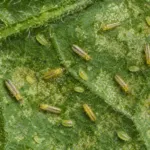 PestMelon thripsThrips palmi Karny
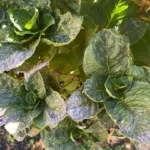 PestChilli thripsScirtothrips dorsalis Hood
Toxicity and pollen
Hemerocallis species, including Hemerocallis fulva, are associated with serious poisoning in cats. Ingestion can cause vomiting, lethargy, loss of appetite, acute kidney injury, and death. The toxic principle is not clearly established, so do not assume that a small amount is safe. Keep plants and cut material away from cats and seek urgent veterinary advice after exposure.
- Typical season
- Late spring through summer
- Pollination / pollen
- Insect-dispersed pollen; not typically windborne
The flowers are insect-pollinated and the species is not generally treated as a major wind-pollen allergy plant. However, airborne-pollen exposure has not been studied enough to assign a precise species-specific allergy risk. Sensitive people should avoid handling flowers if symptoms occur and should not confuse pollen exposure with the plant’s separate cat-toxicity risk.
Native habitat
Native to Asia, including China and Japan, and widely naturalized in the eastern United States and parts of the Midwest. In the United States it commonly persists at old homesites, roadsides, field edges, fencerows, and other disturbed places. It tolerates a broad range of ordinary soils, from average garden loam to relatively poor ground.
Interesting fact
Each open flower normally lasts only one day, which is reflected in the genus name. The species spreads by rhizomes and can persist for decades at old homesites. It is not a true lily in the genus Lilium, although it shares the serious cat-toxicity concern associated with daylilies. Its flowers are primarily associated with diurnal butterfly pollination.
Frequently asked questions (FAQ)
The most relevant questions about this plant, with short and direct answers.
🌱Quick care
What is Hemerocallis fulva commonly called?⌄
Hemerocallis fulva is commonly called orange day-lily in the United States. It is also widely known as ditch lily or tawny daylily.
Is orange day-lily a perennial?⌄
Yes, orange day-lily is a herbaceous perennial that returns from underground rhizomes each year. It is hardy across much of the United States.
How much sunlight does orange day-lily need?⌄
Orange day-lily grows best in full sun to partial shade. Aim for at least 6 hours of direct sunlight for the strongest flowering, although it tolerates some afternoon shade.
How often should I water Hemerocallis fulva?⌄
Water orange day-lily moderately, especially during its first growing season and prolonged drought. Established plants are somewhat drought tolerant but flower better with consistent moisture.
What USDA hardiness zones can grow orange day-lily?⌄
Orange day-lily is generally hardy in USDA Zones 3 through 9. Local performance can vary with winter exposure, soil drainage, and regional climate.
🌤️Environment and placement
Where should I plant orange day-lily?⌄
Plant orange day-lily in a sunny to partly shaded bed with well-drained soil. It works well in borders, slopes, cottage gardens, and difficult low-maintenance areas.
Can Hemerocallis fulva grow in poor soil?⌄
Yes, Hemerocallis fulva tolerates a broad range of soils, including relatively poor soil. Growth improves in well-drained loam amended with organic matter.
Can orange day-lily grow in clay soil?⌄
Orange day-lily can tolerate clay soil if excess water drains away. Improve heavy clay with organic matter and avoid planting where water remains standing.
Is orange day-lily invasive in the United States?⌄
Orange day-lily is nonnative and can become weedy or invasive in some parts of the United States. Check your state or local invasive-plant guidance before planting or allowing it to spread.
Does orange day-lily spread aggressively?⌄
Yes, Hemerocallis fulva can form dense clumps and spread through underground rhizomes, particularly in favorable sites. Remove unwanted rhizomes thoroughly because small pieces may regrow.
💧Care and problems
Why are my orange day-lily leaves turning yellow?⌄
Yellow leaves can result from normal aging, drought stress, overwatering, or poor drainage. Remove declining foliage and check that the soil is moist but not persistently saturated.
How do I care for orange day-lily after flowering?⌄
Remove spent flowers and cut flower stalks back after blooming to keep the plant tidy. Leave healthy foliage in place until it naturally declines or is damaged by frost.
Should I deadhead Hemerocallis fulva?⌄
Deadheading is optional but useful for a neater appearance and to reduce seed production. Remove individual faded flowers or cut the entire scape after most blooms have finished.
What pests commonly affect orange day-lily?⌄
Orange day-lily is generally trouble-free, but aphids, thrips, spider mites, and slugs may occasionally cause damage. Monitor new growth and use the least disruptive treatment needed.
What diseases affect Hemerocallis fulva?⌄
Leaf streak and crown or root rot can affect daylilies, especially under wet or crowded conditions. Improve air circulation, avoid excessive irrigation, and remove badly affected plant material.
🪴Planting and repotting
When is the best time to plant orange day-lily?⌄
Plant orange day-lily in spring or early fall when temperatures are moderate. Fall planting should be completed several weeks before the ground typically freezes in your area.
How deep should I plant Hemerocallis fulva?⌄
Plant the crown so the point where the roots meet the leaves is about 1 inch below the soil surface. Spread the roots outward and water thoroughly after planting.
How far apart should orange day-lilies be planted?⌄
Space orange day-lily clumps about 18 to 24 inches apart for a connected planting while allowing room to expand. Give more space if you want individual clumps to remain distinct.
Can orange day-lily be grown in containers?⌄
Yes, orange day-lily can grow in a large container with drainage holes and quality potting mix. Choose a container wide and deep enough for the expanding clump, and protect the roots from extreme winter cold.
✂️Propagation and pruning
How do you propagate Hemerocallis fulva?⌄
The most reliable method is division of established clumps. Dig the plant, separate sections containing roots and growing points, and replant them promptly at the original depth.
When should I divide orange day-lily?⌄
Divide orange day-lily in spring or early fall, preferably after flowering when conditions are not excessively hot or dry. Water the divisions well while they reestablish.
Can orange day-lily be grown from seed?⌄
Yes, orange day-lily can be grown from seed, but seedlings may vary and take longer to flower than divisions. Division is preferred when you want plants matching the parent.
How do I remove orange day-lily from my yard?⌄
Dig out the entire clump and collect every rhizome and fleshy root section you can find. Recheck the site for regrowth, and do not discard viable pieces where they could spread.
⚠️Toxicity and safety
Is orange day-lily toxic to cats?⌄
Yes, orange day-lily is highly toxic to cats, and all plant parts should be treated as dangerous. Ingestion can cause severe kidney injury or death, so contact a veterinarian or animal poison service immediately after suspected exposure.
Is Hemerocallis fulva poisonous to dogs?⌄
Orange day-lily is not generally listed as a comparable severe kidney toxin for dogs, but ingestion may still cause stomach upset. Keep pets from chewing the plant and contact a veterinarian if symptoms develop.
Can humans eat orange day-lily flowers?⌄
The flowers and unopened buds of correctly identified Hemerocallis fulva are traditionally eaten in some cuisines. Identification and individual tolerance matter, and eating ornamental plants treated with pesticides should be avoided.
Are orange day-lily roots edible?⌄
Some sources describe the roots or tubers of Hemerocallis fulva as edible, but preparation and identification are important. Do not eat roots from unknown daylilies or plants exposed to pesticides, and stop if any adverse reaction occurs.
🌸Flowering and special interest
When does orange day-lily bloom?⌄
Orange day-lily commonly blooms from mid-summer into late summer, often around July and August in much of the United States. Timing varies with climate, spring temperatures, and available sunlight.
How long does each orange day-lily flower last?⌄
Each orange day-lily flower typically lasts for about one day. New flowers open successively, allowing a mature clump to remain colorful for much longer than an individual bloom.
Why is my orange day-lily not flowering?⌄
Insufficient sunlight, overcrowding, drought, excess nitrogen, or recent division can reduce flowering. Move or divide the plant only when appropriate, and provide adequate light and consistent moisture.
What color are Hemerocallis fulva flowers?⌄
Hemerocallis fulva produces warm tawny-orange to reddish-orange flowers, often with a deeper central marking. The species typically has arching foliage and tall, branching flower stalks.
Similar plants
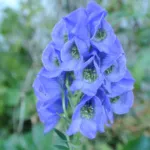 Azure Monkshood (Aconitum carmichaelii) care guideAconitum carmichaelii
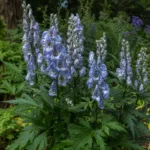 Monkshood (Aconitum ‘Stainless Steel’)Aconitum 'Stainless Steel'
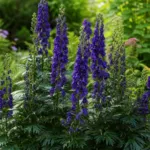 Monkshood (Aconitum ‘Bressingham Spire’)Aconitum 'Bressingham Spire'
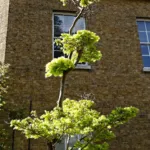 Golden full moon maple (Acer shirasawanum ‘Aureum’)Acer shirasawanum 'Aureum'
 Globosum (Acer platanoides ‘Globosum’)Acer platanoides 'Globosum'
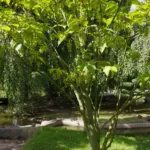 Striped maple (Acer pensylvanicum) care guideAcer pensylvanicum