
 Source:
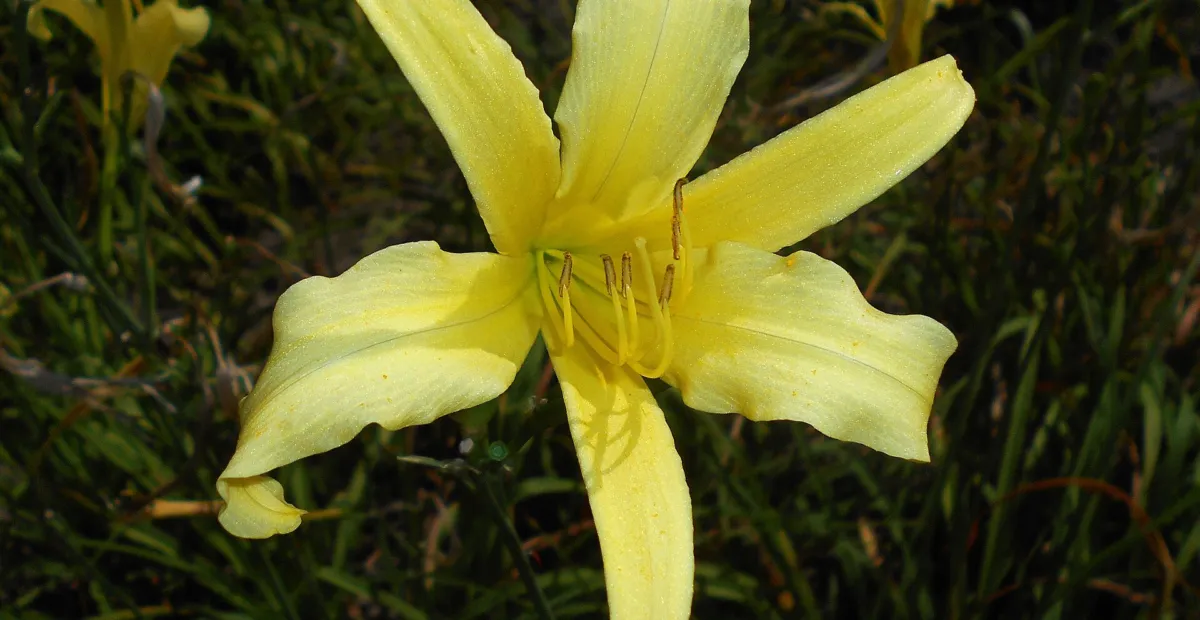
 Citron daylily and long yellow daylily (Hemerocallis citrina) short overview
Hemerocallis citrina, commonly called citron daylily and long yellow daylily in the United States, is a hardy herbaceous perennial from temperate East Asia. Its arching, grass-like foliage forms durable clumps, while tall scapes carry large lemon-yellow, trumpet-shaped flowers that are strongly fragrant and typically open near sunset before closing the next morning. It suits sunny to partly shaded borders and tolerates a wide range of well-drained soils, but is highly dangerous to cats if any part is eaten.
Taxonomic classification
Citron daylily and long yellow daylily (Hemerocallis citrina) care guide
Light and placement
Grow in full sun for the strongest flowering, with at least 6 hours of direct light where possible. Partial afternoon shade is useful in hot regions or during extreme heat. Too little light produces fewer scapes and weaker blooms; excessive reflected heat or drought can scorch foliage and shorten flower display. Morning sun with light afternoon protection is a good placement in the South.
Watering and humidity
Water deeply when the top 1–2 inches of soil begins to dry during the first season, encouraging roots to grow downward. Established plants prefer moderate, consistent moisture but tolerate short dry periods. Reduce irrigation in cool or dormant weather, and never leave the crown in saturated soil. Water at the base when possible to keep foliage drier.
Soil and growing medium
Use average garden soil that drains reliably yet does not become persistently dry. Loam or amended clay is suitable; incorporate organic matter into poor soil, but avoid waterlogged sites. The species tolerates a broad pH range, from mildly acidic through mildly alkaline, with no need for specialized ericaceous soil.
Feeding
Apply a thin layer of compost in spring, or use a balanced slow-release fertilizer at the label rate as growth begins. Avoid heavy nitrogen, which can produce lush foliage with weaker flowering. Do not fertilize drought-stressed, newly transplanted or dormant plants; water after applying granular products.
Growth and habit
A clumping perennial that enlarges gradually through fan-like shoots from a crown. Mature plants are adaptable and relatively low maintenance. Remove spent scapes after flowering and divide only when clumps become crowded or flowering declines; avoid frequent disturbance during establishment.
Planting and repotting
Plant in spring or early fall, setting the crown so the junction between roots and foliage sits about 1 inch below the soil surface. Space plants about 18–24 inches apart to allow clumps to broaden. Water deeply after planting and maintain even moisture during the first growing season.
Container-grown plants can be shifted in early spring or soon after flowering. Move to a container with drainage holes only one size larger, refresh the upper layer or replace compacted mix, and keep the crown at the same depth. Divide crowded container clumps when active growth resumes.
Propagation and pruning
Propagation
Divide established clumps in early spring or after flowering, separating fans with healthy roots and replanting immediately. Seed propagation is possible and useful for breeding, but seedlings may vary from the parent and generally take longer to reach flowering size.
Pruning
Deadhead individual spent flowers or remove completed scapes for a tidier appearance. Cut back yellowing or frost-damaged foliage near the ground in late fall or early spring, while retaining healthy foliage until it naturally declines.
Overwintering
Plants in USDA Zones 3–9 generally overwinter outdoors. After frost blackens the foliage, cut it back and clear debris from the crown. A light mulch of shredded leaves or straw is useful during the first winter, in exposed sites and where freeze–thaw cycles lift newly planted crowns; avoid burying the crown deeply.
Uses
Use in perennial borders, mass plantings, cottage gardens and erosion-prone slopes where its dense foliage helps cover soil. The flowers provide seasonal ornamental value and are documented as visited by butterflies. Kew records food use for the species, but consumption should not be generalized to every planting or treated as medical advice, especially because plant identity and preparation matter.
Appearance
The plant forms a dense fountain of long, narrow, arching, blade-like leaves. Leafless flowering scapes rise above the foliage and carry branching clusters of large lemon-yellow blooms. The combination of grassy foliage, tall scapes and evening-opening trumpet flowers helps distinguish this species from many broad-flowered daylily cultivars.
Flowering
This species produces large, six-segmented, trumpet-shaped flowers on upright scapes. Individual blooms last about one day, opening near sunset and closing the following morning. The main display is generally in early to midsummer, with timing varying by region and weather.
Pollination and visitors
Missouri Botanical Garden documents butterflies as visitors to this daylily. Its evening-opening, fragrant flowers are compatible with nocturnal visitation, but reliable species-specific records for moths or other visitors were not confirmed, so they are not included in the machine-coded visitor list.
Hemerocallis citrina photos
Click any photo for a larger view. Source, author and license are shown separately.
Diseases and pests
Diseases
Good drainage, adequate spacing and removal of spent foliage reduce disease pressure. Watch for daylily rust, leaf streak and crown or root rot, especially where foliage stays wet or soil remains saturated. Remove affected leaves, improve air circulation and avoid overhead irrigation; discard severely diseased divisions rather than spreading them.
Pests
Monitor for aphids, thrips, spider mites and daylily midge, which can distort buds or flowers. Remove badly affected buds, encourage beneficial insects and use a targeted treatment only when damage is substantial. Divide and discard weak, infested material; avoid routine broad-spectrum insecticide use during bloom.
Related diseases and pests
Only Plant Doctor profiles whose host data indicate this plant may be affected are shown here.
 PestNorthern root-knot nematodeMeloidogyne hapla
 DiseaseSouthern blightAthelia rolfsii
 PestBroad mitePolyphagotarsonemus latus (Banks)
 DiseasePhytophthora root and crown rotPhytophthora nicotianae
 PestOnion thripsThrips tabaci Lindeman
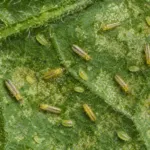 PestMelon thripsThrips palmi Karny
 PestChilli thripsScirtothrips dorsalis Hood
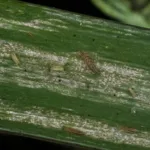 PestDracaena ThripsParthenothrips dracaenae
Toxicity and pollen
Hemerocallis species are associated with severe, potentially fatal kidney injury in cats after ingestion, and all plant parts should be treated as hazardous, including flowers, leaves, pollen and roots. Keep plants and cut material inaccessible to cats and seek emergency veterinary advice immediately after suspected exposure. Available guidance indicates no comparable toxicity for dogs or humans from ordinary garden contact, but ingestion should still be avoided.
- Typical season
- During flowering, usually June–July in the United States
- Pollination / pollen
- Insect-dispersed, relatively non-airborne pollen
Daylily pollen is generally heavy and presented within the flower rather than released as a persistent airborne cloud, so routine airborne exposure is expected to be low. Low does not mean zero: sensitive people may react to flower contact or disturbed pollen, and pollen from this species has not been extensively characterized in clinical allergy literature.
Native habitat
The species is native from the southern Russian Far East through China and Japan, occurring in temperate East Asian environments. It is associated with seasonal climates and soils that provide moisture during active growth but drain adequately. In cultivation it adapts broadly, provided the crown is not kept waterlogged.
Interesting fact
The genus name Hemerocallis refers to the short life of each flower. Hemerocallis citrina is notable among daylilies for opening near sunset rather than during the morning. The epithet citrina refers to its lemon coloration. Kew records the species as used for food and medicine in documented plant-use data, but no medicinal use should be assumed or self-prescribed.
Frequently asked questions (FAQ)
The most relevant questions about this plant, with short and direct answers.
🌱Quick care
What is Hemerocallis citrina commonly called?⌄
Hemerocallis citrina is commonly called citron daylily and long yellow daylily. It is a herbaceous perennial daylily valued for fragrant lemon-yellow flowers.
How much sun does citron daylily need?⌄
Citron daylily grows best in full sun to partial shade. More sun generally supports stronger flowering, while some afternoon shade can help in hot climates.
How often should I water Hemerocallis citrina?⌄
Water Hemerocallis citrina moderately, keeping the soil evenly moist while it establishes. Once established, it tolerates short dry periods but performs best without prolonged drought.
Is Hemerocallis citrina perennial?⌄
Yes, Hemerocallis citrina is a long-lived herbaceous perennial. Its foliage may die back or decline in winter depending on climate, then regrow in spring.
🌤️Environment and placement
What USDA hardiness zones can grow citron daylily?⌄
Established citron daylily is hardy to about -30°F, approximately USDA Zones 4 through 9. Winter survival still depends on drainage, snow cover, exposure, and the plant’s establishment.
What type of soil does Hemerocallis citrina prefer?⌄
Hemerocallis citrina prefers average, well-drained garden soil. It adapts to many soil types, but constantly wet conditions can damage the crown and roots.
Can citron daylily grow in partial shade?⌄
Yes, citron daylily can grow in partial shade. It usually flowers more heavily with several hours of direct sun, especially in cooler regions.
How much space does Hemerocallis citrina need?⌄
Allow roughly 18 to 24 inches of space between Hemerocallis citrina plants. Mature clumps commonly reach about 3 to 4 feet tall and 1.5 to 2 feet wide.
Can citron daylily grow in containers?⌄
Yes, citron daylily can grow in a large container with drainage holes and average-quality potting mix. Choose a container wide and deep enough for the expanding crown, and water more consistently than plants in the ground.
💧Care and problems
How do I care for Hemerocallis citrina after planting?⌄
Keep the soil moderately moist, remove weeds, and apply a light mulch without covering the crown. Established plants are generally low-maintenance and usually need little supplemental fertilizer.
Does Hemerocallis citrina need fertilizer?⌄
Hemerocallis citrina usually grows well without heavy feeding. If growth is weak, apply a balanced, slow-release fertilizer in spring according to the product label.
Why are the leaves of my citron daylily turning brown?⌄
Brown leaves can result from drought, excessive heat, winter damage, or normal seasonal dieback. Check soil moisture and drainage, and remove only foliage that is clearly dead or diseased.
What pests and diseases affect Hemerocallis citrina?⌄
Hemerocallis citrina is generally trouble-free but can be affected by aphids, thrips, slugs, snails, gall midge, rust, or crown and root rot. Good air circulation, sanitation, and well-drained soil reduce many problems.
Should I deadhead citron daylily flowers?⌄
Yes, remove spent flowers regularly to keep citron daylily tidy and prevent energy from going into unwanted seed production. This is optional if you want to collect seed.
Do citron daylilies need staking?⌄
Citron daylilies generally do not need staking because their flower scapes are usually upright and sturdy. Plants in unusually exposed or fertile conditions may occasionally benefit from support.
🪴Planting and repotting
When is the best time to plant Hemerocallis citrina?⌄
The best planting times are spring and early fall, while temperatures are moderate and roots can establish. In colder areas, plant at least several weeks before the ground freezes.
How do I plant citron daylily in the garden?⌄
Plant the crown so the junction between the roots and leaves is level with or just slightly below the soil surface. Firm the soil, water thoroughly, and keep the plant evenly moist while it establishes.
Can Hemerocallis citrina tolerate wet soil?⌄
Hemerocallis citrina does not perform well in persistently waterlogged soil. Improve drainage or plant it in a raised location because saturated crowns are more vulnerable to rot.
✂️Propagation and pruning
How do I divide Hemerocallis citrina?⌄
Lift an established clump in early spring or fall, separate it into sections with healthy roots and several fans, and replant the divisions promptly. Division is the easiest way to produce plants true to the parent.
How often should citron daylily be divided?⌄
Divide citron daylily when the clump becomes crowded or flowering declines, commonly every 3 to 4 years. Plants can be divided sooner if they are outgrowing their space.
Can Hemerocallis citrina be grown from seed?⌄
Yes, Hemerocallis citrina can be grown from seed sown in containers in fall or spring. Seed-grown plants may vary from the parent and usually take longer to flower than divisions.
When should I cut back citron daylily foliage?⌄
Remove flower scapes after blooming and cut back dead or badly damaged foliage in late fall or early spring. Avoid cutting healthy green leaves prematurely because they help replenish the crown.
⚠️Toxicity and safety
Is Hemerocallis citrina toxic to cats?⌄
Yes, Hemerocallis citrina is highly toxic to cats, and any part—including leaves, flowers, pollen, stems, and roots—can cause a life-threatening emergency. Keep it away from cats and contact a veterinarian immediately after suspected ingestion.
Is citron daylily toxic to dogs?⌄
Citron daylily is not generally considered toxic to dogs, although eating plant material can still cause stomach upset. Prevent pets from consuming large amounts and seek veterinary advice if symptoms develop.
Can people eat Hemerocallis citrina flowers?⌄
Flower buds of Hemerocallis citrina are used as food in parts of East Asia, including as dried “golden needles.” Only eat plants that have been positively identified and grown without pesticides, because toxicity and edibility should not be assumed for look-alikes or unidentified daylilies.
🌸Flowering and special interest
When does Hemerocallis citrina bloom?⌄
Hemerocallis citrina typically blooms in June and July in temperate U.S. gardens. The exact season varies with climate, planting location, and establishment.
Are citron daylily flowers fragrant?⌄
Yes, citron daylily flowers are notably fragrant. They are also nocturnal, commonly opening near sunset and closing the following morning.
Why does my citron daylily bloom at night?⌄
Citron daylily is a nocturnal-blooming species adapted to opening in the evening and lasting into the next morning. This flowering pattern distinguishes it from many daylily cultivars that open primarily during daylight.
How long does each Hemerocallis citrina flower last?⌄
Each Hemerocallis citrina flower generally lasts for about one day. A mature plant produces multiple buds, so the overall flowering display continues for much longer.
Similar plants
 Azure Monkshood (Aconitum carmichaelii) care guideAconitum carmichaelii
 Monkshood (Aconitum ‘Stainless Steel’)Aconitum 'Stainless Steel'
 Monkshood (Aconitum ‘Bressingham Spire’)Aconitum 'Bressingham Spire'
 Golden full moon maple (Acer shirasawanum ‘Aureum’)Acer shirasawanum 'Aureum'
 Globosum (Acer platanoides ‘Globosum’)Acer platanoides 'Globosum'
 Striped maple (Acer pensylvanicum) care guideAcer pensylvanicum