
 Source:
 Oxeye daisy (Leucanthemum vulgare) short overview
Oxeye daisy is a hardy herbaceous perennial recognized by its solitary white flower heads with yellow centers and its clumping rosettes of toothed green leaves. Native to Europe and introduced across much of North America, it grows readily in sunny meadows, pastures, roadsides, and other disturbed sites. Although attractive to flower visitors, it spreads by seed and creeping rhizomes and is invasive or noxious in parts of the United States.
Taxonomic classification
Oxeye daisy (Leucanthemum vulgare) care guide
Light and placement
Grow in full sun for sturdy stems and best flowering; light afternoon shade is tolerated, especially in hot climates. An open east-, south-, or west-facing site is suitable. Too little light produces lankier stems and fewer flower heads, while excessive heat combined with drought can cause wilting and premature decline.
Watering and humidity
Water deeply when the top inch of soil dries during establishment, then reduce frequency once plants are rooted. Established plants tolerate short dry periods but flower best with moderate, even moisture. Avoid chronically saturated soil and water at the base when possible. Average outdoor humidity is adequate; airflow matters more than extra humidity.
Soil and growing medium
Use moderately fertile, well-drained soil that does not remain saturated. Oxeye daisy tolerates clay and a range of soil textures, but it often grows most vigorously in moist, compacted ground. A slightly acidic to slightly alkaline reaction is generally acceptable; avoid enriching invasive populations with unnecessary fertilizer.
Feeding
In ordinary garden soil, apply a thin layer of compost in spring only if growth is weak. Avoid routine high-nitrogen fertilizer: it can produce lush growth and may encourage an already vigorous, invasive plant. Do not feed drought-stressed, newly transplanted, or dormant plants.
Growth and habit
This perennial forms basal rosettes and sends up multiple upright flowering stems. Short creeping rhizomes help it expand into clumps, while abundant seed production can create new colonies. Deadheading reduces reseeding, but rhizome fragments and overlooked seed heads can maintain the population.
Planting and repotting
Plant nursery divisions or young plants in spring after the soil can be worked, or in early fall where winters are dependable. Set the crown at soil level and water thoroughly during establishment. Allow about 18–24 inches between plants, but check local invasive-plant rules before planting.
Container-grown plants can be moved in spring or early fall. Use a pot with drainage holes and a standard well-drained potting mix. Repot only when roots fill the container, and remove rhizome pieces that have escaped into surrounding soil.
Propagation and pruning
Propagation
Propagate by seed or division. Sow seed on the surface or barely cover it because light may support germination; keep the medium evenly moist. Divide established clumps in spring or early fall, removing attached rhizome and root sections. Bag spent flower heads before seed dispersal.
Pruning
Remove spent flower heads before seeds mature to reduce spread. Cut flowering stems back after bloom or in late fall once they have dried. In invasive populations, mowing before seed set can reduce reproduction, but repeated monitoring is needed because plants can regenerate from rhizomes.
Overwintering
Plants die back to the ground in cold climates and overwinter through their crowns and rhizomes. A light mulch can protect newly planted divisions from freeze-thaw heaving, but avoid heavy, wet mulch over the crown. Containers are more vulnerable to root freezing and should be sheltered in severe winters.
Uses
Useful as a meadow-style ornamental and as a flower-visitor plant where legally permitted and contained. It can be grown in a monitored border or container, but it is not a good choice for unmanaged naturalizing in regions where it is invasive or noxious. Do not use it as food or medicine without expert identification and region-specific guidance.
Appearance
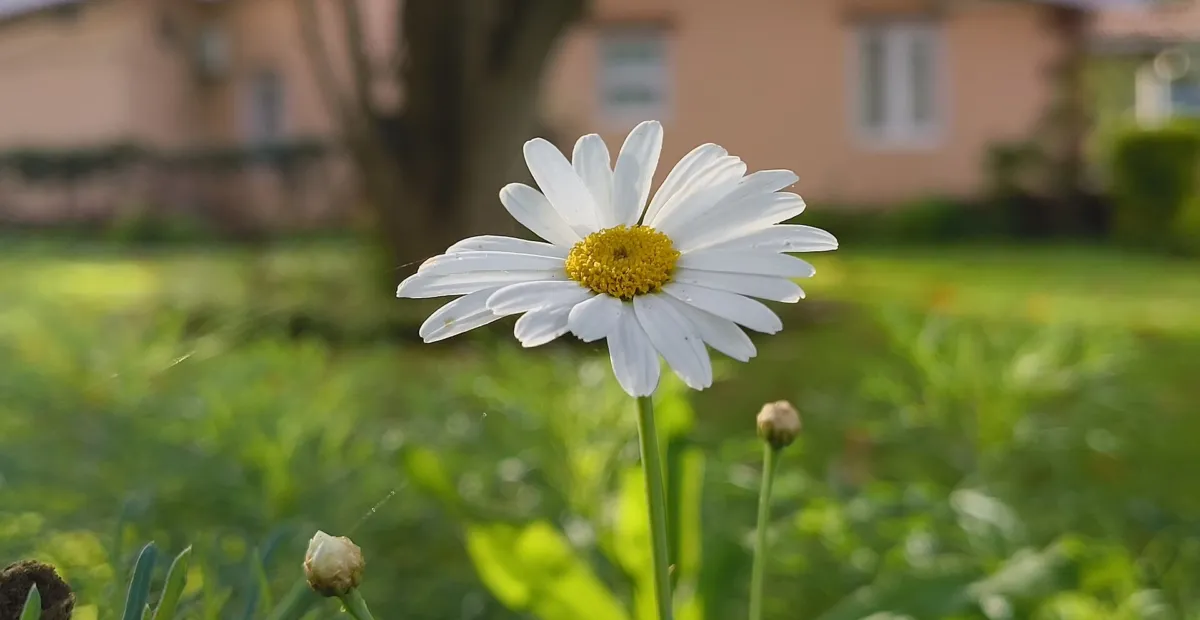
The plant has a basal rosette of hairless, spatula-shaped to oblanceolate leaves with rounded lobes or coarse teeth. Upper stem leaves are smaller, sessile, and alternate. Stems are green and usually upright, simple to moderately branched. The combination of toothed foliage and relatively small white flower heads helps distinguish it from Shasta daisy.
Flowering
Each flowering stem usually ends in one daisy-like head composed of many yellow disk florets and about 20–30 white ray florets. Flower heads are commonly 1–2 inches across and appear from late spring through summer, with flowering often extended by favorable moisture and repeated growth.
Pollination and visitors
The open flower heads provide accessible nectar and pollen to a range of small flower visitors, including bees, bumblebees, butterflies, hoverflies, and beetles. The species is documented as attractive to pollinators, but its ecological value must be weighed against its ability to displace native and forage plants in invaded habitats.
Leucanthemum vulgare photos
Click any photo for a larger view. Source, author and license are shown separately.
Diseases and pests
Diseases
Good air circulation and avoiding persistently wet foliage help limit foliar disease. Watch for leaf spots, rust, or powdery mildew during cool, humid weather. Remove heavily affected foliage and discard it; avoid overhead irrigation and do not compost diseased material.
Pests
Aphids, leaf miners, thrips, and occasionally caterpillars may occur. Inspect new growth and leaf undersides, encourage beneficial insects, and use a strong water spray for light aphid infestations. Remove badly damaged leaves. Avoid broad-spectrum insecticides during bloom to protect flower visitors.
Toxicity and pollen
North Carolina Extension reports low human poison severity but notes that leaves and flowers can cause contact dermatitis; it also identifies the plant as problematic for dogs and cats if ingested. Wear gloves when handling if you are sensitive, prevent pets from consuming the plant, and seek veterinary advice after significant ingestion or symptoms.
- Typical season
- Typically May–August in much of the United States
- Pollination / pollen
- Insect-dispersed pollen
The plant is insect-pollinated, so its pollen is not typically released as freely as wind-dispersed grass or tree pollen. However, exposure is not necessarily zero: pollen can contact skin or be disturbed during handling of flowers. People with seasonal or contact sensitivities should avoid direct contact and monitor personal symptoms.
Native habitat
It is native to Europe and parts of temperate Asia but is introduced across much of North America. In the United States it commonly occupies roadsides, pastures, hay meadows, old fields, open forests, stream margins, and other disturbed sites. It favors open light and can tolerate moist, heavy soils as well as moderately dry ground once established.
Interesting fact
The species spreads both by seed and by creeping rhizomes, allowing dense colonies to develop. Its seeds lack a feathery pappus. The white ray florets are showy but sterile, while the central yellow disk florets contain the reproductive structures. It can be confused with larger-flowered Shasta daisies.
Frequently asked questions (FAQ)
The most relevant questions about this plant, with short and direct answers.
🌱Quick care
What is oxeye daisy?⌄
Oxeye daisy is the common name for Leucanthemum vulgare, a hardy herbaceous perennial in the Asteraceae family. It produces white flowers with yellow centers and spreads through seeds and underground rhizomes.
Is oxeye daisy perennial or annual?⌄
Oxeye daisy is a perennial plant that returns from its roots and rhizomes each year. Individual plants may be short-lived, but colonies can persist and expand.
How big does oxeye daisy get?⌄
Oxeye daisy typically grows about 1 to 3 feet tall and 1 to 2 feet wide. Height varies with soil fertility, moisture, and competition from nearby plants.
🌤️Environment and placement
How much sun does oxeye daisy need?⌄
Oxeye daisy grows best in full sun, meaning at least 6 hours of direct light daily. It tolerates light or afternoon shade, especially in hot, humid climates, but may flower less.
What USDA hardiness zones can grow oxeye daisy?⌄
Oxeye daisy is generally hardy in USDA Zones 3 through 8. Local performance can vary with winter moisture, summer heat, and whether the plant is growing in an area where it is invasive.
What type of soil is best for oxeye daisy?⌄
Oxeye daisy grows well in well-drained loam or clay and tolerates moderately moist, nutrient-poor, and somewhat dry soils. Avoid persistently waterlogged soil, which can weaken the roots.
Can oxeye daisy grow in clay soil?⌄
Oxeye daisy can grow in clay soil, provided excess water drains reasonably well. Improving compacted clay with organic matter can help establishment, but overly rich soil may encourage vigorous spreading.
Is oxeye daisy drought tolerant?⌄
Established oxeye daisy tolerates some dryness and short periods of drought. Water newly planted specimens regularly until rooted, then reduce watering unless conditions become unusually hot or dry.
💧Care and problems
How often should I water oxeye daisy?⌄
Water oxeye daisy when the top inch of soil feels dry during its first growing season. Established plants usually need only moderate watering and can tolerate some dry periods.
Should I deadhead oxeye daisy?⌄
Deadhead oxeye daisy after flowers fade to encourage additional blooming and reduce self-seeding. Remove the flower heads before seeds mature if you want to limit its spread.
Why is my oxeye daisy not flowering?⌄
Oxeye daisy may fail to flower because of insufficient sunlight, excessive nitrogen, drought stress, or competition from taller plants. Move or thin it toward a sunny, open location if conditions are unsuitable.
Does oxeye daisy need fertilizer?⌄
Oxeye daisy usually does not need fertilizer when planted in average soil. Excess fertilizer can produce leafy growth and may increase unwanted spreading rather than improving flowering.
Why is oxeye daisy spreading so aggressively?⌄
Oxeye daisy spreads aggressively through abundant seed production and creeping rhizomes. Removing spent flowers, digging out rhizome fragments, and preventing seed dispersal can slow its expansion.
How do I control oxeye daisy in my yard?⌄
For small infestations, repeatedly pull or dig out the plants, removing as much of the rhizome system as possible. Mowing before seed production reduces spread but usually does not eliminate established plants.
Can oxeye daisy grow in a lawn?⌄
Oxeye daisy can appear in lawns, particularly where turf is thin or soil is disturbed. Frequent mowing can suppress flowering, but persistent plants may require careful digging to remove their rhizomes.
🪴Planting and repotting
When should I plant oxeye daisy?⌄
Plant oxeye daisy in spring after the soil can be worked or in early fall before the ground freezes. Check local invasive-plant guidance before planting because restrictions and ecological risks vary by state.
How far apart should oxeye daisy plants be spaced?⌄
Space oxeye daisy about 12 to 24 inches apart for an established planting. Because it spreads by seed and rhizomes, wider spacing will not reliably prevent it from forming colonies.
Can oxeye daisy be grown in a container?⌄
Oxeye daisy can be grown in a container with drainage holes and well-drained potting mix. Remove flowers before seed set and monitor the pot closely so rhizomes or discarded soil do not spread the plant.
✂️Propagation and pruning
How do you propagate oxeye daisy from seed?⌄
Sow oxeye daisy seeds on the soil surface or press them lightly into moist seed-starting mix because light can support germination. Keep them evenly moist, then transplant seedlings after they develop several true leaves.
Can oxeye daisy be propagated by division?⌄
Oxeye daisy can be propagated by dividing established clumps in spring or early fall. Each division should include healthy roots and rhizomes, but division also creates more plants that may spread.
Can oxeye daisy grow from root or rhizome pieces?⌄
Yes, oxeye daisy can regenerate from rhizome fragments left in the soil. Remove roots and underground stems carefully when digging it out, and do not place viable fragments in ordinary compost.
Should I prune oxeye daisy after flowering?⌄
Cut oxeye daisy stems back after flowering to improve appearance and prevent seed production. Pruning does not stop underground rhizomes from spreading, so persistent plants may still need digging.
⚠️Toxicity and safety
Is oxeye daisy invasive in the United States?⌄
Oxeye daisy is nonnative in the United States and is invasive or weedy in many regions, especially disturbed fields, roadsides, pastures, and open habitats. Check your state or county invasive-species list before planting or allowing it to spread.
Is oxeye daisy poisonous to humans?⌄
Oxeye daisy has low human toxicity, but eating the plant can still cause stomach upset or other reactions in some people. Avoid consuming it unless you have reliable guidance identifying the plant and confirming safe use.
Is oxeye daisy toxic to dogs and cats?⌄
Oxeye daisy can be harmful if dogs or cats ingest it. Keep pets from chewing the plant and contact a veterinarian or animal poison service if ingestion is suspected, particularly if symptoms develop.
Is oxeye daisy safe for horses or livestock?⌄
Oxeye daisy is generally unpalatable to grazing animals and should not be encouraged in hay or pasture. Although it is not considered highly poisonous to cattle, it can negatively affect milk flavor when consumed.
🌸Flowering and special interest
When does oxeye daisy bloom?⌄
Oxeye daisy commonly blooms from late spring through summer, often from May into August in temperate parts of the United States. Bloom timing varies with latitude, elevation, and local weather.
What do oxeye daisy flowers look like?⌄
Oxeye daisy flowers are usually about 1 to 2 inches across, with white ray petals surrounding a yellow central disc. Flower heads are typically held singly at the ends of upright, branching stems.
How can I make oxeye daisy bloom more?⌄
Give oxeye daisy full sun, avoid excessive nitrogen fertilizer, and water during prolonged drought. Deadheading can encourage additional flowers, although it also helps prevent the plant from producing seed.
What is the difference between oxeye daisy and Shasta daisy?⌄
Oxeye daisy usually has smaller flowers, deeply lobed or toothed leaves, and rhizomes that help it spread. Shasta daisy is generally taller with larger flowers and broader, less deeply divided leaves, although cultivars can vary.
Similar plants
 Creeping daisy or mini marguerite (Mauranthemum paludosum) care guideMauranthemum paludosum
 He oxeye daisy (Leucanthemum ircutianum) care guideLeucanthemum ircutianum
 Max chrysanthemum (Leucanthemum maximum) care guideLeucanthemum maximum
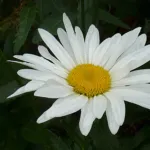 Shasta Daisy (Leucanthemum superbum) care guideLeucanthemum superbum
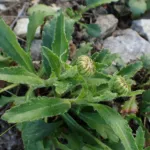 Leucanthemum adustum care guideLeucanthemum adustum
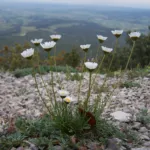 Grass-leaved Oxeye Daisy (Leucanthemum graminifolium) care guideLeucanthemum graminifolium