
 Source:
 He oxeye daisy (Leucanthemum ircutianum) short overview
He oxeye daisy, Leucanthemum ircutianum, is a herbaceous perennial in the Asteraceae family. It forms upright flowering stems from a persistent rootstock and bears familiar white daisy heads with yellow central disks. The species is native across much of Europe and into parts of Asia, where it occurs in meadows, mown grasslands, woodland margins and nitrogen-rich disturbed places. In the United States, it is best treated as a species-level botanical subject rather than assumed to be the more widely documented Leucanthemum vulgare.
Taxonomic classification
He oxeye daisy (Leucanthemum ircutianum) care guide
Light and placement
Give full sun for the strongest stems and flowering, ideally with an open southern or eastern exposure and good air movement. Light afternoon shade is tolerated, particularly in hot inland climates, but deep shade can produce weak, floppy growth and fewer flower heads. Bleached foliage or scorched margins suggest excessive heat or drought rather than a simple light problem.
Watering and humidity
Water deeply when the upper 1–2 inches of soil become dry during establishment, then reduce frequency once roots are established. Maintain even moisture through active growth, especially in sandy soil or during hot US summers, but allow excess water to drain. Avoid frequent shallow sprinkling, which encourages weak roots and foliar disease.
Soil and growing medium
Use moderately fertile, well-drained soil that still retains some moisture. Loam or a loamy meadow soil is suitable; avoid persistently waterlogged ground. Available habitat descriptions place the species in fertile or fertilized grasslands and nitrogen-rich ruderal sites. Exact pH preferences for this species are not sufficiently standardized, but neutral to mildly acidic or mildly alkaline soils are reasonable.
Feeding
In fertile garden soil, apply a thin layer of compost in spring rather than heavy fertilizer. If growth is weak, use a balanced granular fertilizer at the low end of the label rate as growth begins. Avoid repeated high-nitrogen feeding, which can produce soft foliage and reduce the sturdy, meadow-like habit.
Growth and habit
This is a long-lived, non-woody perennial that develops a basal leafy presence and sends up upright flowering stems from a persistent rootstock. It can form naturalistic clumps and may seed in suitable open ground. Deadheading can limit self-sowing, while division helps maintain vigor and preserve selected plants.
Planting and repotting
Plant nursery-grown divisions or young plants in spring or early fall. Set them at the same depth as their original root system, firm the soil gently and water during the establishment period. Allow enough room for a loose clump and good air circulation; remove competing weeds while plants are settling in.
Usually grown in the ground rather than as a long-term houseplant. If cultivated in a container, move young plants into a deeper pot when roots fill the soil, using a loamy, well-drained mix. Transplant during cool weather and water thoroughly afterward.
Propagation and pruning
Propagation
Propagate by seed or division. Sow fresh or properly stored seed in a prepared seedbed or containers; do not cover deeply because light may assist germination. Divide established clumps in spring or early fall, retaining healthy roots and several shoots per division.
Pruning
Cut flowering stems back after the main display if a tidier appearance is wanted. Remove spent heads before seed dispersal to reduce volunteer seedlings. Leave some stems until late winter if providing structural cover or seed-bearing material is desirable, then cut old growth down before fresh spring shoots expand.
Overwintering
The species is a cold-hardy herbaceous perennial in suitable climates. Leave a light layer of clean mulch over the root zone in areas with repeated freeze-thaw cycles, but avoid burying the crown. In containers, protect roots from prolonged freezing by sinking the pot, moving it to an unheated sheltered location or insulating the container.
Uses
Useful as a naturalistic ornamental for sunny meadow-style borders and perennial plantings. The flower heads may provide foraging opportunities for insects, but species-specific visitor records are not sufficiently documented here to assign a pollinator rating. Do not promote it as an edible or medicinal plant without authoritative identification and safety guidance.
Appearance
The plant has slender green flowering stems, sometimes branched, with basal leaves and narrower stem leaves. Leaves are generally soft-textured and toothed or shallowly crenate, a useful contrast with some related taxa that have more leathery or deeply cut foliage. Flower heads have a conspicuous white-and-yellow daisy appearance, but floral characters alone are not enough for certain identification.
Flowering
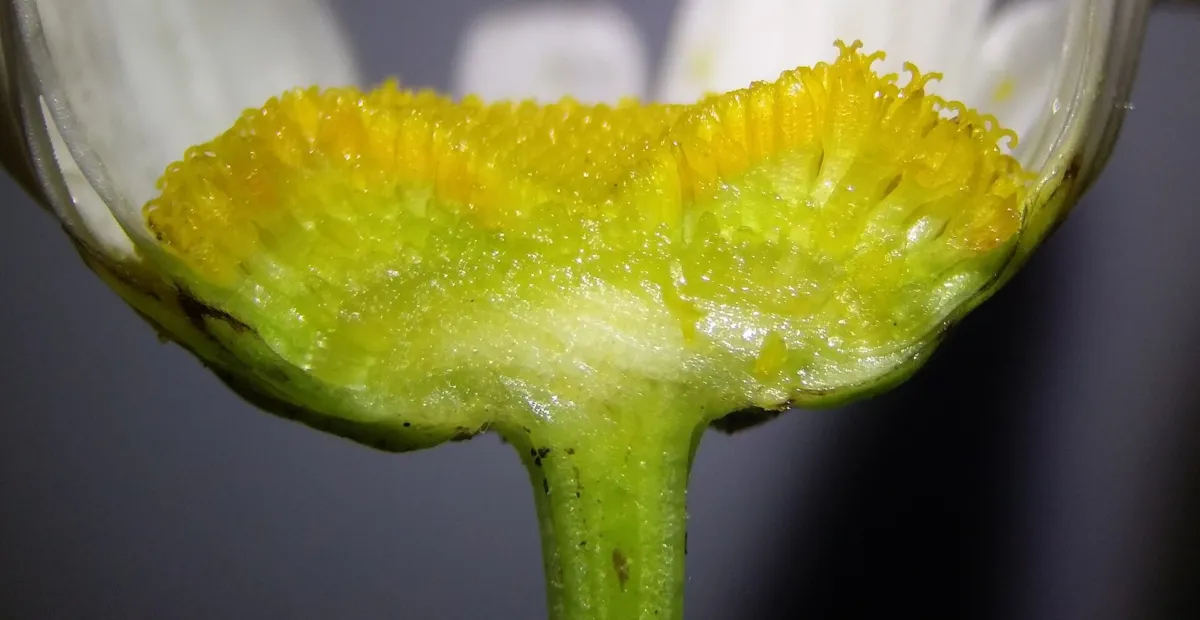
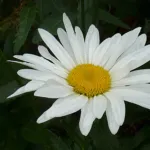
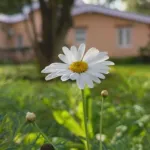
Flower heads are composed of white strap-shaped ray florets surrounding a yellow disk of numerous small tubular florets. Stems may be simple or branched, and flowering can extend from late spring into summer, with longer seasons reported in mild European climates. Exact bloom timing in the United States varies by region and season.
Pollination and visitors
No sufficiently specific, cross-checked pollinator record was located for this exact species. Its open, daisy-type flower heads are structurally accessible to small insects, but likely visitors should not be presented as confirmed species-level records.
Leucanthemum ircutianum photos
Click any photo for a larger view. Source, author and license are shown separately.
Diseases and pests
Diseases
Watch for powdery mildew, rusts and leaf spots, especially where foliage stays crowded or wet. Improve spacing and air movement, water at the soil line, remove badly affected leaves and clean up infected debris. Avoid routine fungicide use unless symptoms are persistent and correctly identified.
Pests
Aphids, thrips and leaf-mining insects may occur, while slugs can damage young growth in damp conditions. Inspect new growth regularly, encourage natural predators and remove heavily infested material. Use a strong water spray for light aphid infestations and reserve insecticides for confirmed, consequential problems.
Toxicity and pollen
Reliable species-specific human and pet toxicity evidence is limited. As a member of Asteraceae, contact sensitivity is biologically plausible, but that does not establish significant poisoning risk. Avoid ingesting unidentified plant material, wash hands after handling, and supervise pets or children around garden plants.
- Typical season
- Typically late spring through summer in the United States; regional timing varies.
- Pollination / pollen
- Insect-associated floral pollen; airborne relevance uncertain
The plant produces pollen in its yellow disk florets, but the airborne-allergy importance of this exact species has not been adequately quantified. Open daisy heads are primarily insect-visited, so exposure may be lower than for strongly wind-pollinated plants, but insect pollination does not prove zero allergy risk. Sensitive gardeners should monitor symptoms during bloom.
Native habitat
Native populations occur across broad parts of Europe and extend toward the Russian Far East and Central Asia. The species is associated with temperate grasslands, fertile mown meadows, woodland edges, roadsides, ditches and other nitrogen-enriched or disturbed habitats. It is generally found in open, seasonally moist but not permanently flooded soils.
Interesting fact
Leucanthemum ircutianum is tetraploid, with a reported chromosome number of 2n = 36. It is part of the taxonomically complex Leucanthemum vulgare aggregate. Leaf texture and the pattern of marginal teeth can help distinguish it from related taxa, but identification may require specialist references.
Frequently asked questions (FAQ)
The most relevant questions about this plant, with short and direct answers.
🌱Quick care
What is he oxeye daisy (Leucanthemum ircutianum)?⌄
He oxeye daisy is a clump-forming, deciduous perennial in the Asteraceae family, producing white, yellow-centered daisy flowers on upright stems. It is native across much of Eurasia and is closely related to the more widely known oxeye daisy, Leucanthemum vulgare.
How much sunlight does he oxeye daisy need?⌄
Grow he oxeye daisy in full sun for the strongest growth and flowering. It can tolerate partial shade, but reduced light may produce fewer flowers or weaker stems.
How often should I water he oxeye daisy?⌄
Water he oxeye daisy moderately, keeping the soil evenly moist but not waterlogged. Established plants can tolerate short dry periods, especially in the ground, but prolonged drought may reduce flowering.
Is he oxeye daisy perennial or annual?⌄
He oxeye daisy is a herbaceous perennial that dies back or becomes dormant during unfavorable seasons and regrows from its crown. It can remain in the garden for several years when grown in suitable soil.
🌤️Environment and placement
What type of soil is best for he oxeye daisy?⌄
Use loamy, well-drained soil that retains moderate moisture without staying saturated. The species can tolerate several soil textures and pH conditions, provided drainage is adequate.
Can he oxeye daisy grow in partial shade?⌄
Yes, he oxeye daisy can grow in partial shade, although full sun is preferable for compact growth and abundant blooms. Avoid dense shade, where stems may become thin and flowering may be poor.
Is he oxeye daisy cold hardy?⌄
Yes, he oxeye daisy is cold hardy outdoors in climates that support temperate perennial plants. Exact winter performance depends on local conditions, drainage, snow cover, and the plant’s establishment.
Where does he oxeye daisy grow naturally?⌄
He oxeye daisy naturally occurs across parts of Europe, Asia, and the Russian Far East, typically in temperate habitats. It is associated with open grasslands, meadows, woodland edges, paths, and other disturbed sites.
Is he oxeye daisy native to the United States?⌄
No, he oxeye daisy is not native to the United States; its native range is Eurasian. Records from North America can be difficult to interpret because it is often confused with the closely related Leucanthemum vulgare.
Is he oxeye daisy invasive in the United States?⌄
The invasive oxeye daisy commonly documented in the United States is usually Leucanthemum vulgare, not definitively identified L. ircutianum. Because the species are easily confused, check state or local weed regulations before planting or allowing it to spread.
💧Care and problems
How do I care for he oxeye daisy in a garden?⌄
Provide full sun to partial shade, moderate water, and moist but well-drained soil. Remove spent flowers and divide established clumps periodically to maintain vigor.
Why is my he oxeye daisy not flowering?⌄
Insufficient sunlight, drought, excess nitrogen, or an overcrowded clump can reduce flowering in he oxeye daisy. Move or thin the plant if necessary, and avoid consistently wet soil.
Why is he oxeye daisy wilting?⌄
Wilting usually indicates inadequate water, root stress from waterlogged soil, or severe heat. Check soil moisture several inches below the surface and improve drainage if the soil remains saturated.
Does he oxeye daisy need fertilizer?⌄
He oxeye daisy usually needs little fertilizer when planted in moderately fertile soil. Excess fertilizer, especially nitrogen, can encourage leafy growth at the expense of flowers and may create weak stems.
What pests affect he oxeye daisy?⌄
He oxeye daisy may be affected by aphids and chrysanthemum eelworms. Inspect new growth regularly and remove heavily infested material while avoiding unnecessary broad-spectrum insecticides.
What diseases affect he oxeye daisy?⌄
He oxeye daisy is generally considered disease-free under suitable growing conditions. Poor air circulation, overcrowding, and persistently wet foliage can still increase the risk of common fungal problems.
🪴Planting and repotting
When should I plant he oxeye daisy outdoors?⌄
Plant he oxeye daisy in spring after the ground can be worked, or in early fall while enough time remains for root establishment. In areas with harsh winters, spring planting is the safer option.
How far apart should I plant he oxeye daisy?⌄
Space he oxeye daisy about 12 to 18 inches apart, adjusting for the expected mature spread and local growing conditions. Good spacing improves air circulation and reduces overcrowding.
Can he oxeye daisy grow in containers?⌄
Yes, he oxeye daisy can grow in a container that has drainage holes and enough depth for its perennial root system. Use a well-drained potting mix and water when the upper layer begins to dry.
How tall does he oxeye daisy get?⌄
He oxeye daisy commonly reaches about 20 to 40 inches tall, although height varies with soil, light, and competition. Upright flowering stems rise above a basal clump of foliage.
✂️Propagation and pruning
How do you propagate he oxeye daisy?⌄
The most reliable garden method is division of established clumps in early spring or late fall. Seed propagation is also possible, but seedlings may require more time and careful identification because related Leucanthemum species look similar.
When should I divide he oxeye daisy?⌄
Divide he oxeye daisy in early spring or late fall when temperatures are mild and the plant is not in peak bloom. Division every two to three years can help maintain vigor in crowded clumps.
Should I deadhead he oxeye daisy?⌄
Yes, deadhead he oxeye daisy after flowers fade to improve its appearance and encourage a tidier display. Removing spent flower heads can also reduce unwanted reseeding where the plant is not desired.
When should I cut back he oxeye daisy?⌄
Cut he oxeye daisy stems back to ground level after flowering has finished or after the foliage declines naturally. Leave healthy foliage in place longer if the plant is still storing energy for the following season.
⚠️Toxicity and safety
Is he oxeye daisy toxic to people or pets?⌄
There is no established species-specific toxicity classification for he oxeye daisy. Because plant identification can be confused with related daisies and individual sensitivities vary, do not ingest it or feed it to pets without authoritative confirmation.
Can you eat he oxeye daisy flowers?⌄
Do not assume he oxeye daisy flowers are edible because they resemble other daisies. Species-specific food-safety evidence is limited, and accurate identification is especially important because several Leucanthemum species are easily confused.
🌸Flowering and special interest
When does he oxeye daisy bloom?⌄
He oxeye daisy typically blooms in midsummer, with white ray flowers and yellow centers appearing around July and August in temperate garden conditions. Local bloom timing varies with climate, latitude, and spring temperatures.
What do he oxeye daisy flowers look like?⌄
The flowers are daisy-like heads with white ray florets surrounding a yellow central disk. They appear singly on upright stems above dark green, lance-shaped basal foliage.
Does he oxeye daisy attract pollinators?⌄
The open yellow-centered flowers of he oxeye daisy can provide accessible resources for visiting insects, including bees and flies. Its value to pollinators may vary by region and by the availability of native plants nearby.
What is the difference between he oxeye daisy and Leucanthemum vulgare?⌄
He oxeye daisy, Leucanthemum ircutianum, is a distinct species from Leucanthemum vulgare, although the two can look very similar. Reliable identification may require examining leaf, stem, flower, and chromosome characteristics rather than relying on the common name alone.
Similar plants
 Grass-leaved Oxeye Daisy (Leucanthemum graminifolium) care guideLeucanthemum graminifolium
 Max chrysanthemum (Leucanthemum maximum) care guideLeucanthemum maximum
 Argyranthemum frutescens care guideArgyranthemum frutescens
 Shasta Daisy (Leucanthemum superbum) care guideLeucanthemum superbum
 Oxeye daisy (Leucanthemum vulgare) care guideLeucanthemum vulgare
 Creeping daisy or mini marguerite (Mauranthemum paludosum) care guideMauranthemum paludosum