
 Source:
 Argyranthemum frutescens short overview
Argyranthemum frutescens is a bushy, tender perennial or subshrub from the Canary Islands, valued for its long display of daisy-like flowers and aromatic, finely divided foliage. In the United States it is usually grown as a seasonal bedding plant or container specimen outside USDA Zones 10–11. Give it full sun, sharply drained soil, moderate water, and regular deadheading; flowering can slow during intense summer heat.
Taxonomic classification
Argyranthemum frutescens care guide
Light and placement
Provide at least 6 hours of direct sun, ideally with bright morning and midday exposure and shelter from strong drying winds. In very hot climates, some afternoon protection can reduce stress without causing shade. Too little light produces lanky growth and fewer flowers; excessive heat and reflected sun may cause wilting, leaf scorch, or a temporary bloom pause.
Watering and humidity
Water deeply when the upper inch of soil begins to dry, then allow excess water to drain. Keep newly planted specimens evenly moist while they establish, and check containers more often during hot weather. Reduce watering in cool weather and protect overwintered plants from saturated winter soil. Do not leave pots standing in water.
Soil and growing medium
Use fertile, well-drained soil or a high-quality container mix that does not remain saturated. Loam or a humus-enriched sandy mix is suitable. Keep the root crown above poorly drained pockets, because prolonged wetness can cause root problems. A slightly acidic to slightly alkaline reaction is generally tolerated, with neutral soil a practical target.
Feeding
Apply a balanced, general-purpose fertilizer in spring as new growth begins, following the product label. Container plants may receive a dilute feed during active growth, but avoid overfertilizing, which can produce soft foliage and fewer flowers. Do not feed drought-stressed, waterlogged, or dormant plants.
Growth and habit
This is a branching, bushy subshrub that may become woody at the base and can be short-lived in cultivation. Pinching young growth encourages branching, while regular deadheading helps redirect energy into new flower buds. Plants often decline after several seasons, so replacement cuttings can preserve desirable forms.
Planting and repotting
Set plants outdoors after the danger of frost has passed. Plant at the same depth as the nursery container, firm the soil gently, water thoroughly, and maintain even moisture while roots establish. Allow about 18–24 inches between typical plants, with more room for large cultivars.
Repot container plants in spring when roots fill the pot, moving up only one container size. Use a porous, well-drained mix and keep the crown at the same depth. Repotting is also a useful time to refresh tired plants or replace declining, woody specimens.
Propagation and pruning
Propagation
Take greenwood or semi-ripe cuttings from nonflowering shoots in late summer or mid-spring. Root them in a clean, free-draining medium with high humidity and indirect light until established. Seed propagation is possible, but named cultivars may not reproduce faithfully from seed.
Pruning
Pinch growing tips early in the season to promote branching. Remove spent flower heads regularly to extend bloom. After a major flush or when the plant becomes lanky, lightly cut back in spring or after flowering, avoiding severe cuts into old, leafless wood unless renewal is needed.
Overwintering
In Zones 10–11, protect plants from unusually cold nights and prolonged wet winter conditions. In colder areas, grow as an annual or move containers indoors before frost to a cool, bright location. Reduce watering indoors, maintain good airflow, and return plants outdoors gradually after spring temperatures stabilize.
Uses
Use Argyranthemum frutescens in sunny borders, bedding displays, patio containers, window boxes, and sheltered balcony plantings. Its long flowering season makes it useful for seasonal color, and its open daisy heads can provide forage for generalist insect visitors. It is ornamental rather than a documented culinary or medicinal plant.
Appearance
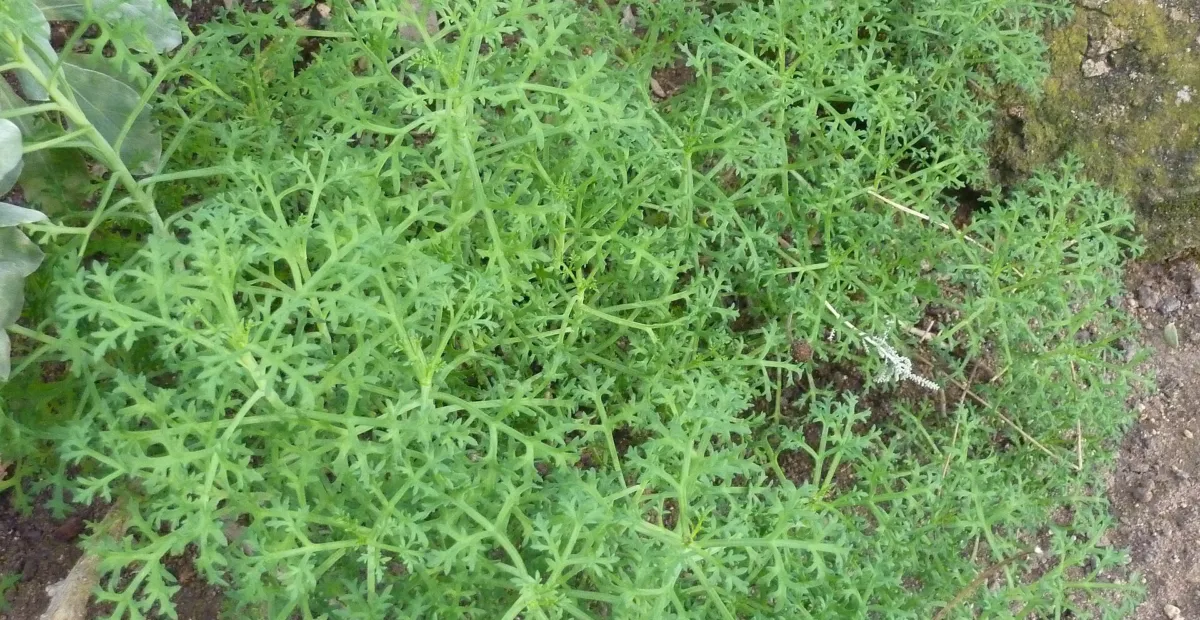
The plant forms a rounded, branching clump with slender stems that may become woody near the base. Leaves are dark green and deeply divided, giving the foliage a finely textured appearance; bruising releases an aromatic scent. Flower heads resemble classic daisies, with a prominent yellow disk and rays that vary by cultivar.
Flowering
Flower heads are daisy-like capitula with a yellow central disk and usually white rays in the species, while cultivated selections may have pink or yellow rays and single or double forms. Blooming is prolonged from spring into fall in mild climates, but intense summer heat can reduce flower production temporarily.
Pollination and visitors
Open daisy heads are visited by generalist insect flower visitors, including bees, bumblebees, butterflies, and hoverflies. Attraction varies with cultivar, flower accessibility, weather, and the presence of competing blooms. The plant is best treated as a supplementary garden nectar and pollen source rather than a specialist host plant.
Argyranthemum frutescens photos
Click any photo for a larger view. Source, author and license are shown separately.
Diseases and pests
Diseases
Usually trouble-free, but crown or root problems may develop in persistently wet soil. Improve drainage, avoid burying the crown, water at the root zone, and remove badly affected tissue. Sanitize tools between plants when pruning. Some cultivated forms can be susceptible to crown gall or leaf-miner damage.
Pests
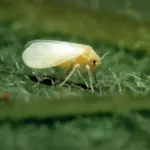
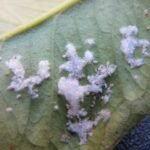
Watch for aphids, whiteflies, spider mites, and leaf-miner damage, especially on stressed container plants. Inspect new growth and leaf undersides, remove heavily damaged leaves, improve airflow, and use a forceful water spray or an appropriately labeled low-impact treatment when necessary. Avoid routine broad-spectrum insecticides during bloom.
Related diseases and pests
Only Plant Doctor profiles whose host data indicate this plant may be affected are shown here.
Toxicity and pollen
No reliable species-specific toxicity classification for humans, dogs, cats, or children was identified in the authoritative sources reviewed. Do not assume complete safety from that absence of evidence. Avoid ingestion, supervise children and pets around ornamental plants, and seek medical or veterinary advice if plant material is eaten or irritation occurs.
- Typical season
- Spring through fall during flowering
- Pollination / pollen
- Insect-associated pollen in composite flower heads
The plant produces pollen within its flower heads, but the reviewed sources did not establish a reliable US-specific airborne pollen severity rating for this species. Because pollen is mainly presented in insect-visited flower heads, airborne exposure is likely lower than for strongly wind-pollinated plants, but sensitive people may still react to contact or garden exposure.
Native habitat
The species is native to the Canary Islands, where it occurs in subtropical island environments rather than cold continental habitats. Its cultivated performance reflects an adaptation to bright light, mild temperatures, and soils that drain freely but can support steady growth. It is not native to the United States.
Interesting fact
The species was formerly placed in Chrysanthemum frutescens.
Its specific epithet frutescens means shrubby or bushy.
Bruised foliage is aromatic because of volatile plant compounds.
Many modern garden forms are selected for flower color or doubleness.
Frequently asked questions (FAQ)
The most relevant questions about this plant, with short and direct answers.
🌱Quick care
What is Argyranthemum frutescens commonly called in the United States?⌄
No single verified local common name was provided for this plant, so use the scientific name Argyranthemum frutescens. It is often sold horticulturally under names such as marguerite daisy or Paris daisy, but those names can also be applied inconsistently.
Is Argyranthemum frutescens an annual or a perennial?⌄
Argyranthemum frutescens is a frost-tender perennial or small subshrub in warm climates, but it is commonly grown as an annual in colder parts of the United States. It can be overwintered indoors where outdoor temperatures regularly fall below freezing.
How much sunlight does Argyranthemum frutescens need?⌄
Give Argyranthemum frutescens full sun, ideally at least 6 hours of direct sunlight daily. In very hot regions, light afternoon shade can help reduce heat stress while preserving flowering.
How often should I water Argyranthemum frutescens?⌄
Water Argyranthemum frutescens moderately, allowing the soil surface to dry slightly between waterings. Keep the root zone evenly moist but never waterlogged, because consistently wet soil can cause root or stem problems.
What soil is best for Argyranthemum frutescens?⌄
Use fertile, well-drained loam or a high-quality container mix for Argyranthemum frutescens. Improve heavy garden soil with organic matter and ensure containers have unobstructed drainage holes.
🌤️Environment and placement
What USDA hardiness zones can grow Argyranthemum frutescens outdoors year-round?⌄
Argyranthemum frutescens is generally suitable for year-round outdoor growth in USDA Zones 10–11. In cooler zones, treat it as an annual or move it indoors before freezing weather.
Can Argyranthemum frutescens tolerate frost?⌄
Argyranthemum frutescens is frost-tender and should be protected before a freeze. It may tolerate brief cool conditions, but freezing temperatures can severely damage or kill the plant.
Can Argyranthemum frutescens grow in containers?⌄
Yes, Argyranthemum frutescens grows well in containers filled with fertile, well-drained potting mix. Choose a container with drainage holes and place it where the plant receives full sun and good air circulation.
Can Argyranthemum frutescens grow indoors?⌄
Argyranthemum frutescens can be overwintered indoors in a bright, cool location, preferably near a sunny window. Indoor plants need careful watering because reduced light and poor drainage increase the risk of root problems.
How large does Argyranthemum frutescens get?⌄
A typical Argyranthemum frutescens plant can reach about 2 to 3 feet tall and wide, although compact cultivars may remain smaller. Container growth and regular pruning can also limit its final size.
💧Care and problems
Why is my Argyranthemum frutescens not flowering?⌄
Insufficient sunlight, excessive heat, overwatering, or a lack of regular deadheading can reduce flowering in Argyranthemum frutescens. Move it to a brighter location, improve drainage, and remove faded blooms.
How do I deadhead Argyranthemum frutescens?⌄
Remove each faded flower just above a healthy leaf joint or lateral stem. Regular deadheading helps redirect energy into new buds and can extend the flowering period.
Should Argyranthemum frutescens be fertilized?⌄
Fertilize Argyranthemum frutescens during active growth with a balanced, diluted fertilizer according to the product label. Avoid heavy feeding, which can produce leafy growth at the expense of flowers.
Why are the leaves of my Argyranthemum frutescens turning yellow?⌄
Yellow leaves commonly result from overwatering, poor drainage, insufficient light, or normal aging of older foliage. Check that the pot drains freely and allow the upper soil layer to dry slightly before watering again.
What pests affect Argyranthemum frutescens?⌄
Argyranthemum frutescens can be affected by common ornamental pests such as aphids, whiteflies, spider mites, and thrips. Inspect new growth and leaf undersides regularly, and use a properly labeled treatment only when necessary.
What diseases can affect Argyranthemum frutescens?⌄
Poorly drained or persistently wet conditions can contribute to root, crown, and stem rots in Argyranthemum frutescens. Water at the soil line, avoid overhead irrigation, provide air circulation, and remove severely diseased tissue.
🪴Planting and repotting
When should I plant Argyranthemum frutescens outdoors?⌄
Plant Argyranthemum frutescens outdoors after the local danger of frost has passed and nighttime temperatures are reliably above freezing. In warm USDA Zones 10–11, planting can usually be done during the mild growing season.
How far apart should Argyranthemum frutescens plants be spaced?⌄
Space standard Argyranthemum frutescens plants about 2 to 3 feet apart to accommodate their mature width and improve air circulation. Use the cultivar’s mature size as the final guide for compact or dwarf forms.
Should Argyranthemum frutescens be repotted?⌄
Repot Argyranthemum frutescens when roots circle the container, growth slows, or water runs rapidly through the pot. Move it into a container only one size larger and use fresh, well-drained potting mix.
✂️Propagation and pruning
How can I propagate Argyranthemum frutescens?⌄
Stem cuttings are the most reliable way to propagate Argyranthemum frutescens, especially for preserving a named cultivar. Take healthy nonflowering shoots in late summer, remove the lower leaves, and root them in a clean, well-drained medium.
Can Argyranthemum frutescens be grown from seed?⌄
Argyranthemum frutescens can be grown from seed, but many cultivated forms do not come true to the parent plant. Use cuttings when you want offspring with the same flower color, form, and growth habit.
When should I prune Argyranthemum frutescens?⌄
Prune Argyranthemum frutescens after a major flush of flowering or when the plant becomes leggy. Lightly cutting back the shoots encourages branching, while severe pruning is best avoided during heat, drought, or frost stress.
How do I overwinter Argyranthemum frutescens?⌄
Before frost, move container-grown Argyranthemum frutescens indoors to a bright, cool location and reduce watering. Keep the plant just slightly dry between waterings, then resume stronger growth and feeding in spring.
⚠️Toxicity and safety
Is Argyranthemum frutescens toxic to people or pets?⌄
A species-specific toxicity classification for Argyranthemum frutescens is unavailable in the supplied core data, so do not assume it is safe to eat. Keep plant material away from children and pets, and contact a poison-control or veterinary professional if ingestion occurs.
🌸Flowering and special interest
When does Argyranthemum frutescens bloom?⌄
Argyranthemum frutescens generally flowers from spring through summer and may continue into fall under favorable conditions. Blooming can slow during intense summer heat and usually improves again when temperatures moderate.
What color flowers does Argyranthemum frutescens have?⌄
Flowers of Argyranthemum frutescens may be white, pink, or yellow depending on the cultivar, usually with a contrasting central disk. Modern garden selections may also have single, semi-double, or double flower forms.
Does Argyranthemum frutescens attract bees and butterflies?⌄
The open, daisy-like flowers of Argyranthemum frutescens can provide forage for bees, butterflies, and other flower-visiting insects. Single-flowered cultivars are generally more accessible to pollinators than densely double forms.
Similar plants
 Yellow lantern chili (Capsicum chinense) care guideCapsicum chinense
 Capsicum baccatum care guideCapsicum baccatum
 Serrano (Capsicum annuum ‘Serrano’)Capsicum annuum 'Serrano'
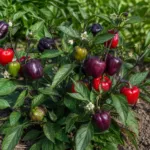 Purple Beauty (Capsicum annuum ‘Purple Beauty’)Capsicum annuum 'Purple Beauty'
 Numex Twilight (Capsicum annuum ‘Numex Twilight’)Capsicum annuum 'Numex Twilight'
 Explosive Ember Chili Pepper (Capsicum annuum ‘Explosive Ember’)Capsicum annuum 'Explosive Ember'