
 Source:
 Stella de Oro daylily (Hemerocallis stella ‘de Oro’) short overview
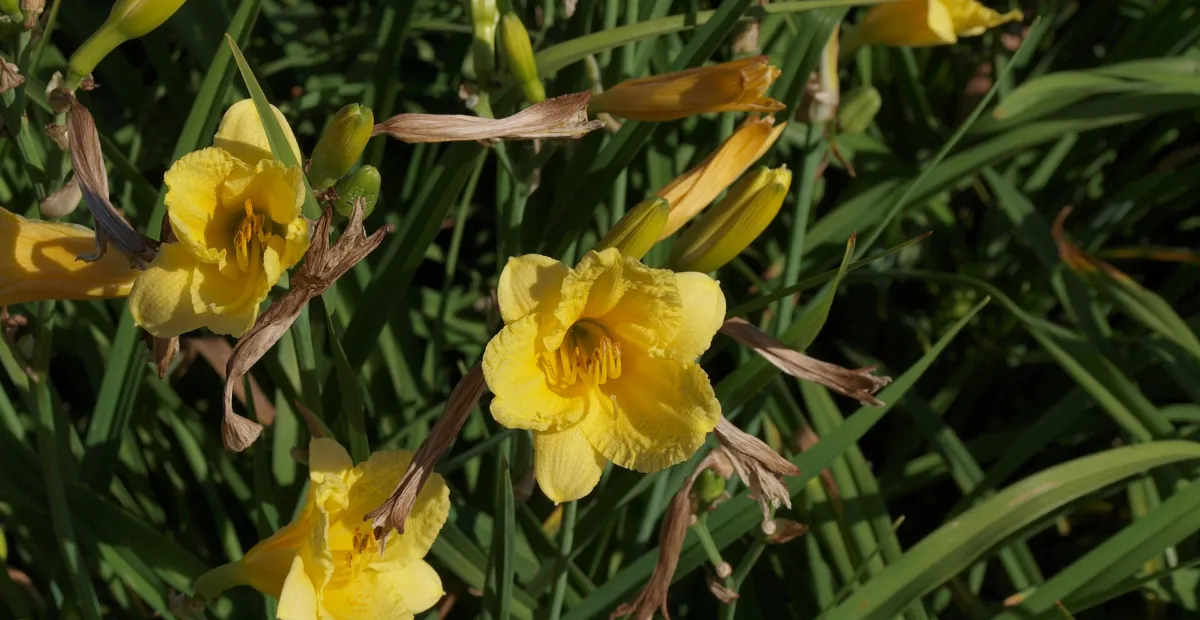
Hemerocallis stella 'de Oro', commonly sold in the United States as Stella de Oro daylily, is a compact, deciduous perennial with arching green foliage and fragrant, canary-yellow flowers marked by a small green throat. This 1975 cultivar is valued for its extended bloom season and repeat flowering. Grow it in full sun and fertile, moist but well-drained soil for the strongest display. A compact, dormant-foliage daylily cultivar with fragrant, single gold flowers, extended bloom, and repeat flowering.
Taxonomic classification
Stella de Oro daylily (Hemerocallis stella ‘de Oro’) care guide
Light and placement
Choose full sun with at least 6 hours of direct light, ideally in an open east-, south-, or west-facing bed. Morning sun with some afternoon shade can work in hot regions, but deep shade commonly causes weak flowering. Too little light produces sparse blooms and floppy growth; severe heat combined with reflected light can scorch foliage or shorten flower life.
Watering and humidity
Water deeply when the upper few inches of soil begin to dry, directing water to the root zone rather than repeatedly wetting the foliage. Keep newly planted divisions evenly moist during their first season. Established plants tolerate short dry periods, but drought during spring and early summer can reduce flowering; reduce watering in fall and winter while maintaining drainage.
Soil and growing medium
Use fertile, moisture-retentive but well-drained garden soil. Loam is ideal, though this cultivar tolerates clay, sand, and less fertile ground when drainage is adequate. Avoid permanently wet sites. Soil pH is broadly tolerant, from mildly acidic through alkaline, with organic matter improving establishment and flowering.
Feeding
Apply a balanced, slow-release perennial fertilizer or a modest layer of compost in spring as growth begins. A second light feeding after the first major bloom flush can support reblooming. Avoid heavy nitrogen applications, which encourage leaves at the expense of flowers, and do not fertilize drought-stressed or newly transplanted roots until they recover.
Growth and habit
The plant develops from a crown into a dense, fan-forming clump. It is long-lived and gradually broadens, so division is useful when flowering declines from overcrowding. Remove spent blooms and seedpods to keep the clump focused on further flowering rather than seed production.
Planting and repotting
Plant in spring or early fall while soil is workable. Set the crown so the junction between roots and foliage is about 1 inch below the soil surface. Space plants about 18–24 inches apart to allow clumps to broaden. Water thoroughly after planting and keep evenly moist during establishment.
Repot container-grown divisions when the clump becomes crowded or roots fill the container, preferably in early spring or early fall. Use a container with drainage holes and a general-purpose potting mix amended for drainage. Replant at the same crown depth rather than burying the crown.
Propagation and pruning
Propagation
Divide established clumps in early spring or early fall by separating fans with healthy roots. Seed is possible, but this named cultivar will not reliably come true from seed; division is the practical method for producing identical plants.
Pruning
Snap off spent flowers and developing seedpods regularly during the flowering period to encourage rebloom. Cut flower scapes to the base after flowering finishes. Remove yellow or frost-damaged foliage as needed, and cut dormant foliage back in late fall or early spring without damaging the crown.
Overwintering
This dormant cultivar is cold hardy across USDA Zones 3–9. In colder areas, leave healthy foliage in place until it browns, then cut it back after hard frost. A light mulch over the root zone can reduce heaving, but avoid burying the crown or keeping it wet. Container plants need extra root protection because above-ground roots experience colder temperatures.
Uses
Use in sunny borders, foundation plantings, path edging, slopes, containers, and cut-flower arrangements. The flowers are listed as edible for some daylily taxa, but cultivar-specific identification and preparation should be certain; because daylilies are toxic to cats, edible use is inappropriate where pets may access the plant.
Appearance
Forms a compact fountain of narrow, arching, strap-like leaves arranged in fans. Erect green scapes rise above the foliage and carry branching clusters of small, rounded golden flowers. The dormant foliage habit means leaves die back in winter in colder climates, helping distinguish it from evergreen daylily selections.
Flowering
This cultivar produces single, rounded, trumpet-shaped golden-yellow flowers with a small green throat. Individual flowers open for about one day, but buds are produced in succession. Stella de Oro is an early- to midseason cultivar with an extended bloom habit and reliable reblooming; removing spent flowers and developing seedpods can support continued flowering.
Pollination and visitors
Daylily flowers provide nectar and are documented as useful in butterfly gardens. Hemerocallis references also report bird and hummingbird value at the genus level, but a specific visitor record for this cultivar is not established here. Pollinator use should therefore be treated as a general daylily characteristic rather than a cultivar-specific survey result.
Hemerocallis stella 'de Oro' photos
Click any photo for a larger view. Source, author and license are shown separately.
Diseases and pests
Diseases
Usually trouble-free, but fungal leaf spot and daylily rust can occur, along with occasional bacterial leaf or stem rot. Reduce risk by providing sun, spacing plants for airflow, avoiding overhead irrigation, and removing diseased foliage. Confirm suspected rust before using a treatment, and discard badly infected leaves rather than composting them.
Pests
Watch for aphids, thrips, slugs, snails, and spider mites. Crowded or stressed plants are more vulnerable. Inspect new growth and flower buds, remove pests by hand or with a water spray where practical, and encourage airflow. Stella de Oro is reported to be less susceptible to daylily gall midge than some later-flowering cultivars.
Related diseases and pests
Only Plant Doctor profiles whose host data indicate this plant may be affected are shown here.
 PestNorthern root-knot nematodeMeloidogyne hapla
 DiseaseSouthern blightAthelia rolfsii
 DiseaseBacterial soft rotPectobacterium carotovorum
 DiseaseAlternaria leaf spot and fruit rotAlternaria alternata
 PestOnion thripsThrips tabaci Lindeman
 PestMelon thripsThrips palmi Karny
 PestChilli thripsScirtothrips dorsalis Hood
 DiseaseBacterial WiltRalstonia solanacearum species complex
Toxicity and pollen
Daylilies are well documented as dangerous to cats, and ingestion can cause severe illness including kidney failure. This warning applies to Hemerocallis foliage and flowers; prevent cats from chewing the plant and seek urgent veterinary advice after ingestion. Reliable evidence for comparable toxicity in dogs or children is not established for this cultivar.
- Typical season
- When flowering, typically May through August in much of the United States
- Pollination / pollen
- Insect-dispersed pollen; not typically windborne
As an insect-pollinated flowering perennial, this cultivar is not generally regarded as a major source of airborne pollen. However, no plant should be treated as completely allergy-free; sensitive people may react to pollen or plant contact, especially while handling flowers or spent foliage.
Native habitat
The cultivar is a garden hybrid rather than a wild North American plant. Daylily ancestors are associated with temperate parts of Asia and central Europe. In cultivation, it performs across a broad range of well-drained soils and climates, from cold-winter regions to warm temperate areas.
Interesting fact
Introduced by Walter Jablonski and registered in 1975.
The cultivar is diploid and has a dormant foliage habit.
Its individual flowers last about one day, but buds open in succession.
The cultivar received major American Daylily Society awards.
Deadheading helps redirect energy from seed production to reblooming.
Frequently asked questions (FAQ)
The most relevant questions about this plant, with short and direct answers.
🌱Quick care
What is Hemerocallis stella 'de Oro'?⌄
Hemerocallis stella 'de Oro', commonly called Stella de Oro daylily, is a compact, gold-flowered reblooming daylily. It is a hardy perennial valued for extended flowering and relatively easy care.
How much sun does Stella de Oro daylily need?⌄
Stella de Oro daylily grows best in full sun, with at least 6 hours of direct light daily. It tolerates partial shade, but too much shade usually produces more foliage and fewer flowers.
How often should I water Stella de Oro daylily?⌄
Water Stella de Oro daylily when the soil begins to dry, providing moderate moisture without leaving the roots waterlogged. Established plants tolerate short dry periods, but consistent moisture during spring growth and flowering supports better blooms.
Is Stella de Oro daylily easy to grow?⌄
Yes, Stella de Oro daylily is generally easy to grow once planted in suitable soil and light. Good drainage, regular moisture during active growth, and occasional deadheading are the main requirements.
🌤️Environment and placement
What USDA hardiness zones are suitable for Stella de Oro daylily?⌄
Stella de Oro daylily is a cold-hardy perennial that grows across much of the United States. Exact performance depends on the local climate and planting conditions, so check the nursery label or regional extension guidance for your USDA hardiness zone.
Can Stella de Oro daylily grow in partial shade?⌄
Yes, Stella de Oro daylily can grow in partial shade, especially where it receives morning sun or several hours of bright direct light. Flowering is usually reduced as shade increases.
What type of soil does Stella de Oro daylily prefer?⌄
Stella de Oro daylily prefers fertile, moist but well-drained garden soil enriched with organic matter. Avoid permanently soggy locations, which can encourage crown or root problems.
Can Stella de Oro daylily grow in clay soil?⌄
Stella de Oro daylily can grow in clay soil if drainage is improved with organic matter and the planting area does not stay waterlogged. Heavy, compacted clay should be loosened before planting rather than amended only in a small hole.
Can Stella de Oro daylily grow in a container?⌄
Yes, Stella de Oro daylily can grow in a large container with drainage holes and quality potting mix. Containers dry out and freeze more quickly than garden soil, so monitor moisture and protect the root system in severe winter conditions.
💧Care and problems
How do I make Stella de Oro daylily rebloom?⌄
Remove faded flowers and the small swollen ovary behind each flower, then cut flower stalks down when they finish blooming. Adequate sunlight, moisture, and avoiding overcrowded clumps also help support repeat flowering.
Why is my Stella de Oro daylily not blooming?⌄
The most common causes are insufficient sunlight, overcrowding, drought stress, or excessive nitrogen fertilizer. Move or divide the plant when appropriate, keep it evenly watered, and avoid stimulating lush foliage at the expense of flowers.
Should I deadhead Stella de Oro daylily?⌄
Yes, deadheading Stella de Oro daylily helps preserve its reblooming habit and keeps the plant tidy. Remove spent flowers and developing seedpods every few days or whenever practical during the flowering season.
Why does Stella de Oro daylily have lots of leaves but few flowers?⌄
Lots of foliage with few flowers usually indicates too much shade, excessive nitrogen, or an overcrowded clump. Increase light if possible, reduce high-nitrogen feeding, and divide the plant if the crown is congested.
Why are the leaves on my Stella de Oro daylily turning brown?⌄
Some inner and oldest leaves naturally turn brown and die as the season progresses. Remove damaged foliage for appearance, but investigate poor drainage, drought, pests, or leaf streak if browning is widespread or rapidly worsening.
What pests affect Stella de Oro daylily?⌄
Common pests include aphids, thrips, spider mites, slugs, and snails. Inspect new growth and flower buds regularly, and use the least-toxic control appropriate for the pest and local conditions.
What diseases affect Stella de Oro daylily?⌄
Stella de Oro daylily can be affected by leaf streak, crown rot, root rot, and occasionally rust. Good air circulation, well-drained soil, careful watering, and removal of heavily infected foliage help reduce disease pressure.
🪴Planting and repotting
When is the best time to plant Stella de Oro daylily?⌄
Plant Stella de Oro daylily in spring or early fall when the soil is workable and temperatures are moderate. Avoid planting into frozen, waterlogged, or intensely hot soil unless you can provide careful aftercare.
How deep should I plant Stella de Oro daylily?⌄
Plant Stella de Oro daylily with the crown about 1 inch below the soil surface, spreading the roots outward and downward. Planting too deeply can reduce vigor and flowering, while exposed crowns may dry out.
How far apart should Stella de Oro daylilies be planted?⌄
Space Stella de Oro daylily plants about 18 to 24 inches apart for individual clumps with room to expand. Closer spacing creates a faster mass planting but increases the need for later division.
Can Stella de Oro daylily be planted under trees?⌄
Stella de Oro daylily can grow beneath trees only where it receives enough direct or filtered light and does not face severe root competition. Flowering may be weak under dense shade or beneath trees with dry, crowded root zones.
✂️Propagation and pruning
How do you divide Stella de Oro daylily?⌄
Dig up the clump, separate it into sections containing healthy roots and several fans of leaves, and replant the divisions at the original crown depth. Water thoroughly after dividing and keep the soil moderately moist while new roots establish.
When should Stella de Oro daylily be divided?⌄
Divide Stella de Oro daylily in spring or early fall, with late summer through early fall often being especially favorable where the ground remains workable. Divide sooner if the clump is crowded and flowering has declined.
Can Stella de Oro daylily be grown from seed?⌄
Yes, Stella de Oro daylily can produce seed, but seedlings will not reliably reproduce the named cultivar. Division is the preferred method when you want new plants identical to the parent.
Should Stella de Oro daylily be cut back for winter?⌄
Cut back yellowing or frost-damaged foliage after it declines, but do not remove healthy green leaves prematurely. In colder areas, leaving a light layer of mulch over the crown can help protect the plant without burying it deeply.
⚠️Toxicity and safety
Is Stella de Oro daylily toxic to cats?⌄
Yes, Stella de Oro daylily is highly toxic to cats, and all parts should be treated as hazardous. Ingestion can cause severe illness and kidney failure, so contact a veterinarian or animal poison-control service immediately after any suspected exposure.
Is Stella de Oro daylily poisonous to dogs?⌄
Stella de Oro daylily is not generally associated with the same severe kidney toxicity in dogs as it is in cats, but eating plant material may still cause stomach upset. Prevent pets from chewing the plant and contact a veterinarian if symptoms develop.
Can I grow Stella de Oro daylily in a home with cats?⌄
It is safest not to grow Stella de Oro daylily where cats can reach it because even small exposures to daylilies can be life-threatening. Keep the plant out of the home and use a confirmed cat-safe alternative in accessible areas.
🌸Flowering and special interest
When does Stella de Oro daylily bloom?⌄
Stella de Oro daylily typically begins flowering in the early to midseason and can produce additional flushes later in the growing season. Timing varies with latitude, weather, plant age, and growing conditions.
How long does each Stella de Oro daylily flower last?⌄
Each Stella de Oro daylily flower lasts about one day, but the plant produces many buds over an extended period. A healthy clump can therefore provide weeks of color rather than a single day of bloom.
What color are Stella de Oro daylily flowers?⌄
Stella de Oro daylily produces small, fragrant, golden-yellow flowers with a subtle green throat. The flowers are single and appear on relatively short stalks above the arching foliage.
Does Stella de Oro daylily bloom all summer?⌄
Stella de Oro daylily is a rebloomer, but it does not guarantee uninterrupted flowering throughout the summer. Deadheading, sufficient sun, adequate moisture, and dividing crowded plants can extend its flowering performance.
Similar plants
 Azure Monkshood (Aconitum carmichaelii) care guideAconitum carmichaelii
 Monkshood (Aconitum ‘Stainless Steel’)Aconitum 'Stainless Steel'
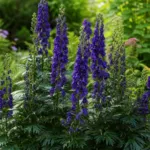 Monkshood (Aconitum ‘Bressingham Spire’)Aconitum 'Bressingham Spire'
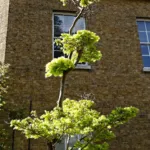 Golden full moon maple (Acer shirasawanum ‘Aureum’)Acer shirasawanum 'Aureum'
 Globosum (Acer platanoides ‘Globosum’)Acer platanoides 'Globosum'
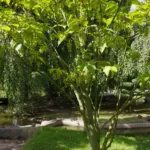 Striped maple (Acer pensylvanicum) care guideAcer pensylvanicum