
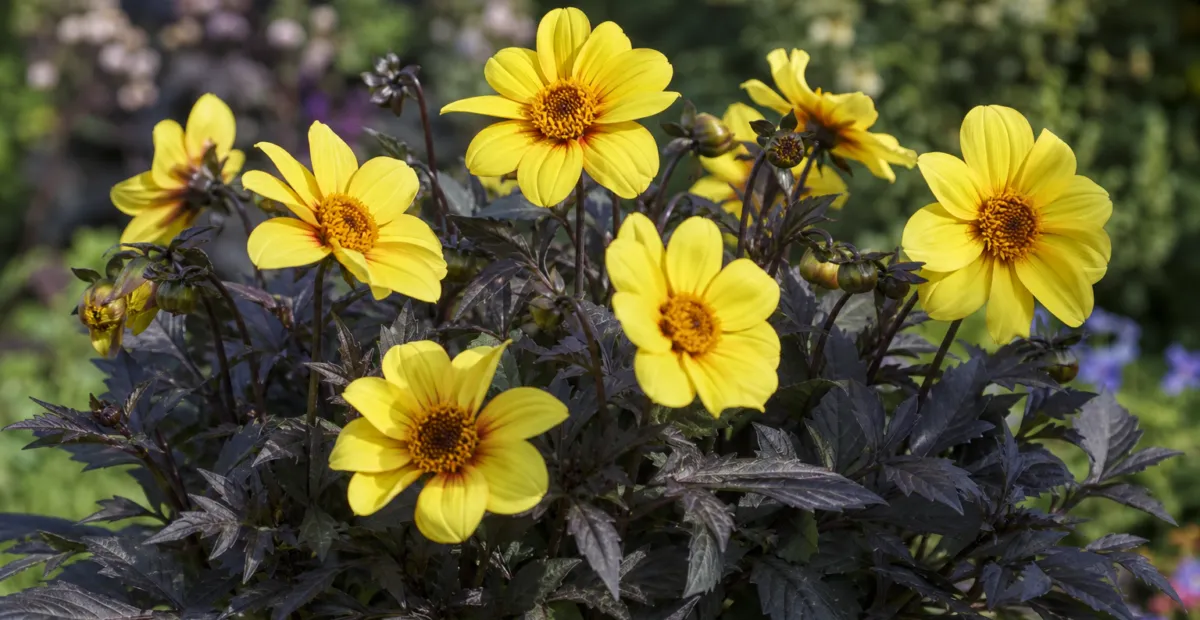
 AI-generated illustration
Dahlia ‘Yellow Hammer’ short overview
Dahlia 'Yellow Hammer' is a compact, tuberous perennial prized for the contrast between its bronze-purple foliage and open, single butter-yellow flowers. The florets are lightly streaked with orange or bronze near their bases, giving each bloom a warm, variable pattern. Grow it in full sun with fertile, well-drained soil and steady moisture. It suits borders, containers, wildlife gardens, and cutting gardens, but the tubers need lifting in colder climates.
Taxonomic classification
Dahlia ‘Yellow Hammer’ care guide
Light and placement
Give this dahlia at least 6 hours of direct sun, ideally in a sheltered south- or east-facing position. Bright light strengthens the contrast between the dark foliage and yellow flowers and supports sturdy stems. Too little light produces weak, stretched growth and fewer blooms; intense heat combined with drought can scorch foliage and cause temporary flowering pauses.
Watering and humidity
Water deeply when the upper inch of soil begins to dry, keeping moisture even during active growth and flowering. Containers may need watering more often than garden beds, especially in hot weather. Reduce watering after frost or once tubers enter dormancy. Avoid constantly saturated soil, which encourages tuber rot.
Soil and growing medium
Use fertile, humus-rich soil that drains freely but does not dry rapidly. Loam amended with compost is ideal; sandy or clay soils benefit from organic matter and improved structure. A broadly adaptable pH range is acceptable, provided drainage is good and the bed is not persistently waterlogged.
Feeding
Incorporate mature compost before planting, then feed once growth is established with a balanced fertilizer. During flowering, a low-nitrogen, bloom-supporting feed can be used according to the label. Avoid heavy nitrogen applications, which may produce lush foliage at the expense of flowers, and do not fertilize dormant stored tubers.
Growth and habit
A compact, clump-forming dahlia that produces leafy stems from tuberous roots. Pinching young shoots encourages branching, while staking helps keep stems upright in exposed sites or when blooms are abundant. Regular deadheading supports continued flower production.
Planting and repotting
Plant tubers outdoors after the danger of hard frost has passed and the soil has warmed. Set the tuber horizontally or with the crown slightly below the surface, with the viable buds facing upward. Water after planting, then increase irrigation as shoots and foliage develop. Add support early if the site is exposed.
Move container plants in spring before vigorous growth begins, using a fresh, free-draining potting mix. Choose a container large enough for the tuber clump and provide drainage holes. Avoid unnecessary disturbance once the plant is actively flowering.
Propagation and pruning
Propagation
Divide stored tubers in spring, ensuring every section retains a healthy bud and part of the crown. Softwood cuttings can be taken from vigorous spring shoots emerging from stored tubers. Label divisions carefully because seed will not reproduce the named cultivar reliably.
Pruning
Pinch the growing tips when plants are young to encourage branching. Remove spent blooms regularly to prolong flowering. After frost blackens the foliage, cut stems near ground level before lifting the tubers for storage.
Overwintering
Dahlias are frost-tender. After the first killing frost, cut back the stems, lift the tubers in cold regions, allow them to dry briefly, and store them in a cool, dark, frost-free place in slightly dry packing material. In mild USDA Zone 7 areas, a deep mulch may help, but survival is not guaranteed.
Uses
Useful in sunny borders, patio containers, cottage gardens, wildlife plantings and cut-flower gardens. The single blooms are visually effective and provide accessible floral centers for insects. Do not use as an edible or medicinal plant; protect pets from chewing the foliage and tubers.
Appearance
The cultivar is recognized by its deeply divided, bronze-purple foliage, sometimes appearing almost black, and its contrasting open yellow flowerheads. Ray florets may show darker orange or bronze streaking toward the bases. The plant forms a compact leafy clump with upright flowering stems.
Flowering
This is a single-flowered dahlia with an open central disc and surrounding ray florets. Blooms are produced above dark foliage from summer into fall, often continuing until frost when spent flowers are removed. The open form exposes the floral center more readily than densely double dahlias.
Pollination and visitors
Open-centered dahlia flowers expose pollen and nectar and are visited by bees, bumblebees, butterflies, hoverflies and other flower-visiting insects. Yellow flowers are especially useful in mixed pollinator plantings, although visitor activity depends on local insect populations and weather.
Diseases and pests
Diseases
Powdery mildew, gray mold, tuber rots and viral disorders may occur. Improve air circulation, avoid wetting foliage late in the day, remove diseased material promptly and store only firm, healthy tubers. Do not propagate from plants showing persistent mottling, distortion or stunting.
Pests
Watch for aphids, slugs, earwigs, caterpillars, leaf miners and spider mites. Inspect young shoots and flower buds regularly, remove larger pests by hand, reduce hiding places for slugs and use targeted controls only when necessary. Avoid broad-spectrum insecticides while flowers are attracting visitors.
Related diseases and pests
Only Plant Doctor profiles whose host data indicate this plant may be affected are shown here.
 PestCyclamen mitePhytonemus pallidus
 PestJapanese beetlePopillia japonica
 PestCitrus mealybugPlanococcus citri
 PestGreenhouse thripsHeliothrips haemorrhoidalis
 DiseaseCucumber mosaic virusCucumber mosaic virus
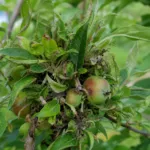 DiseaseApple Proliferation Disease‘Candidatus Phytoplasma mali’
 DiseaseSouthern blightAthelia rolfsii
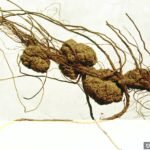 DiseaseCrown gallAgrobacterium tumefaciens (現在 commonly classified as Rhizobium radiobacter)
Toxicity and pollen
ASPCA lists Dahlia species as toxic to dogs and cats, with unknown toxic principles and reported mild gastrointestinal signs and mild dermatitis. Keep pets from chewing the plant or tubers, wash hands after handling damaged material, and contact a veterinarian if ingestion causes symptoms.
- Typical season
- During flowering, mainly summer through fall
- Pollination / pollen
- Mostly insect-carried pollen; limited airborne dispersal
Dahlias are insect-pollinated, so their pollen is generally deposited within the flower and is less readily dispersed by wind than wind-pollinated plants. Airborne exposure is therefore expected to be low, but sensitive individuals may still react to pollen or plant contact.
Native habitat
Dahlias originate from mountainous regions of Mexico and Central America, where related plants grow in seasonally warm conditions with a distinct dry or cool dormant period. The cultivar is a garden hybrid rather than a wild habitat plant and performs best in cultivated, fertile, well-drained soil.
Interesting fact
The cultivar is classified by the RHS as Single/Dwarf Bedder. Its nearly black foliage creates strong contrast with the pale yellow blooms. Open-centered flowers are more accessible to insects than heavily double dahlia forms. It has received the RHS Award of Garden Merit.
Frequently asked questions (FAQ)
The most relevant questions about this plant, with short and direct answers.
🌱Quick care
What is Dahlia 'Yellow Hammer'?⌄
Dahlia 'Yellow Hammer' is a compact, tuberous dahlia with bronze to nearly black foliage and single, light-yellow flowers marked with orange or bronze streaks. It typically grows about 28–36 inches tall and is useful in containers, borders, pollinator gardens, and cutting gardens.
How much sun does Dahlia 'Yellow Hammer' need?⌄
Dahlia 'Yellow Hammer' needs full sun, ideally at least 6 hours of direct sunlight daily. A sheltered position with good air circulation helps support strong stems and flowering.
How often should I water Dahlia 'Yellow Hammer'?⌄
Water Dahlia 'Yellow Hammer' whenever the top inch of soil begins to dry, keeping the soil evenly moist but never waterlogged. Increase watering during hot, dry weather, especially when the plant is growing in a container.
Is Dahlia 'Yellow Hammer' perennial?⌄
Dahlia 'Yellow Hammer' is a tuberous perennial, but its tubers are not reliably hardy in freezing conditions. In cold parts of the United States, lift and store the tubers for winter or grow the plant as a seasonal annual.
🌤️Environment and placement
What USDA hardiness zones are suitable for Dahlia 'Yellow Hammer'?⌄
Dahlia 'Yellow Hammer' can often overwinter outdoors in USDA Zones 8 and warmer when drainage is excellent and winter protection is provided. In colder zones, freezing soil can damage or kill the tubers, so store them indoors over winter.
Can Dahlia 'Yellow Hammer' grow in a container?⌄
Yes, Dahlia 'Yellow Hammer' grows well in a large container because of its relatively compact habit. Use a pot with drainage holes, fertile potting mix, and enough room for the tubers and mature root system.
How large does Dahlia 'Yellow Hammer' get?⌄
Dahlia 'Yellow Hammer' usually reaches about 28–36 inches tall and approximately 16–18 inches wide. Size can vary with soil fertility, growing season length, watering, and whether it is grown in the ground or a container.
What soil is best for Dahlia 'Yellow Hammer'?⌄
Plant Dahlia 'Yellow Hammer' in fertile, humus-rich, well-drained soil. Improve poor soil with compost or other organic matter, but avoid locations that remain soggy after rain.
Is Dahlia 'Yellow Hammer' good for pollinators?⌄
Yes, its open single flowers provide easier access to pollen and nectar than many fully double dahlias. The cultivar can be a useful addition to pollinator-friendly borders, particularly when planted near other long-blooming flowers.
💧Care and problems
Should Dahlia 'Yellow Hammer' be fertilized?⌄
Feed Dahlia 'Yellow Hammer' during active growth with a balanced or flower-focused fertilizer, following the product label. Avoid excessive nitrogen, which can produce lush foliage at the expense of flowers.
Does Dahlia 'Yellow Hammer' need staking?⌄
Dahlia 'Yellow Hammer' may need staking, especially in windy sites, rich soil, or areas with heavy rain. Insert a stake early in the season so it supports the plant without damaging established tubers.
How do I deadhead Dahlia 'Yellow Hammer'?⌄
Remove spent flowers from Dahlia 'Yellow Hammer' by cutting the stem back to a developing side shoot or strong pair of leaves. Regular deadheading helps maintain a tidy plant and encourages continued flowering.
Why is Dahlia 'Yellow Hammer' not flowering?⌄
The most common causes are insufficient sunlight, excessive nitrogen, drought stress, or immature tubers. Give the plant full sun, steady moisture, well-drained fertile soil, and time to establish before expecting its strongest display.
What pests affect Dahlia 'Yellow Hammer'?⌄
Common pests include aphids, slugs, snails, earwigs, caterpillars, and leaf miners. Inspect new growth and flower buds regularly, and use a control method appropriate for the specific pest and nearby pollinators.
What diseases can affect Dahlia 'Yellow Hammer'?⌄
Dahlia 'Yellow Hammer' can be affected by powdery mildew, gray mold, fungal tuber rot, and viral disorders. Good drainage, adequate spacing, watering at the soil line, and removing diseased plant material reduce risk.
🪴Planting and repotting
When should I plant Dahlia 'Yellow Hammer' tubers in the United States?⌄
Plant Dahlia 'Yellow Hammer' tubers outdoors after the danger of hard frost has passed and the soil has warmed. In many U.S. gardens this is late spring, but the exact timing depends on local frost dates and USDA climate.
How deep should Dahlia 'Yellow Hammer' tubers be planted?⌄
Plant Dahlia 'Yellow Hammer' tubers about 4–6 inches deep, positioning the crown or visible growth buds slightly below or near the soil surface. Avoid planting too deeply, because cold, wet soil can encourage rot.
How far apart should Dahlia 'Yellow Hammer' plants be spaced?⌄
Space Dahlia 'Yellow Hammer' plants about 16–20 inches apart to allow for its mature width and air circulation. Give container-grown plants their own pot unless the container is exceptionally large.
Can Dahlia 'Yellow Hammer' be planted in the ground after growing in a pot?⌄
Yes, Dahlia 'Yellow Hammer' can be transplanted into the ground after frost danger has passed. Harden off plants grown indoors, disturb the roots as little as possible, and water them thoroughly after planting.
✂️Propagation and pruning
How do I propagate Dahlia 'Yellow Hammer'?⌄
Propagate Dahlia 'Yellow Hammer' by dividing tubers or taking softwood cuttings from shoots produced by stored tubers in spring. Every tuber division must include a healthy piece of crown with at least one viable bud.
Can Dahlia 'Yellow Hammer' be grown from seed?⌄
It can be grown from seed, but seedlings may not reproduce the exact flower color, foliage, or habit of Dahlia 'Yellow Hammer'. Division or cuttings are preferred when an identical plant is required.
Should I pinch Dahlia 'Yellow Hammer'?⌄
Pinch the growing tip when Dahlia 'Yellow Hammer' is about 12–18 inches tall to encourage branching and a bushier shape. Do not pinch a plant that is severely stressed, recently transplanted, or already beginning to form flower buds.
How do I overwinter Dahlia 'Yellow Hammer' tubers?⌄
After frost blackens the foliage, cut the stems back, lift the tubers after the soil has dried somewhat, and let them dry briefly before storage. Keep them in a cool, dark, frost-free place packed in a barely dry medium, checking periodically for rot or shriveling.
⚠️Toxicity and safety
Is Dahlia 'Yellow Hammer' toxic to pets?⌄
Dahlia 'Yellow Hammer' is generally considered a low-toxicity concern for pets, but chewing any plant can cause mild stomach upset. Contact a veterinarian or pet poison service if a pet eats a large amount or develops symptoms.
🌸Flowering and special interest
When does Dahlia 'Yellow Hammer' bloom?⌄
Dahlia 'Yellow Hammer' generally blooms from early summer into fall, with flowering continuing until frost when conditions are favorable. In very hot weather it may pause temporarily and resume as temperatures moderate.
What do Dahlia 'Yellow Hammer' flowers look like?⌄
The flowers are single and light yellow to butterscotch-yellow, often with orange or bronze streaks toward the petal bases. They stand out strongly against the cultivar’s dark bronze, purple, or nearly black foliage.
Is Dahlia 'Yellow Hammer' a good cut flower?⌄
Yes, Dahlia 'Yellow Hammer' can be used as a cut flower, particularly in informal arrangements. Harvest stems when the flowers are freshly open, remove lower foliage, and place them in clean water immediately.
Similar plants
 Yellow lantern chili (Capsicum chinense) care guideCapsicum chinense
 Capsicum baccatum care guideCapsicum baccatum
 Serrano (Capsicum annuum ‘Serrano’)Capsicum annuum 'Serrano'
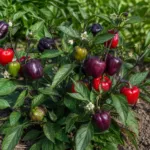 Purple Beauty (Capsicum annuum ‘Purple Beauty’)Capsicum annuum 'Purple Beauty'
 Numex Twilight (Capsicum annuum ‘Numex Twilight’)Capsicum annuum 'Numex Twilight'
 Explosive Ember Chili Pepper (Capsicum annuum ‘Explosive Ember’)Capsicum annuum 'Explosive Ember'