
 Source:
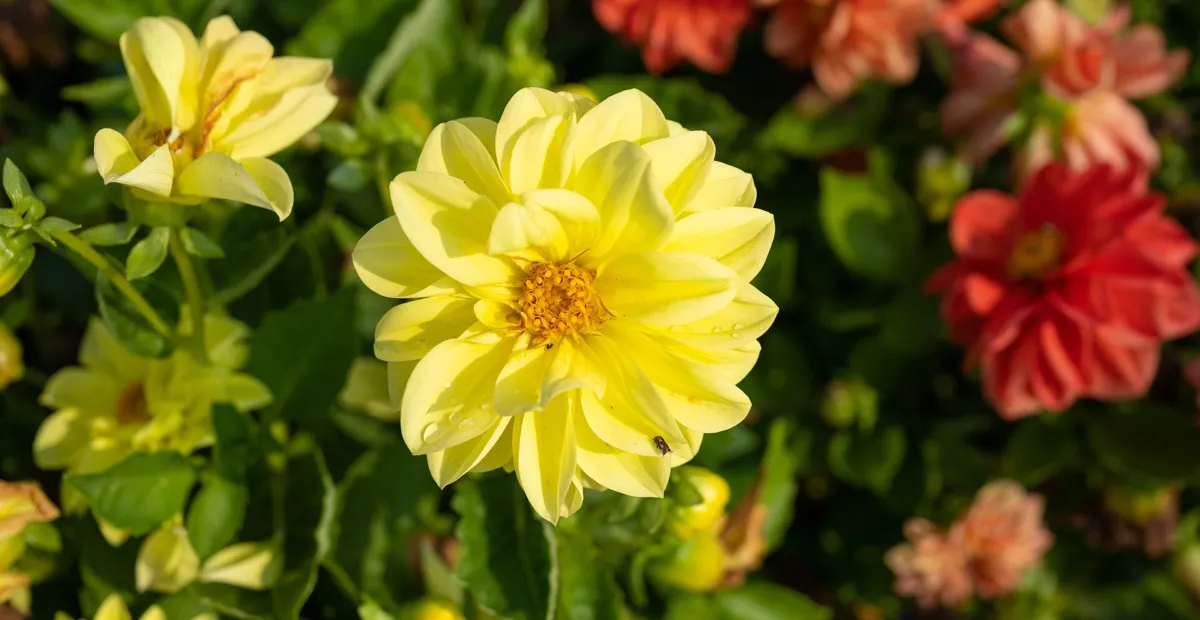
 Garden Dahlia (Dahlia pinnata) short overview
Garden Dahlia (Dahlia pinnata) is a frost-tender, tuberous perennial from Mexico that is widely grown in the United States for its long season of colorful blooms. Its upright, branching stems carry pinnate leaves and large flower heads ranging from simple, open-centered forms to densely double garden cultivars. Grow it in full sun, fertile well-drained soil, and steady moisture, then lift the tubers where winter cold is severe.
Taxonomic classification
Garden Dahlia (Dahlia pinnata) care guide
Light and placement
Give at least 6 hours of direct sun, preferably in a south- or west-facing bed with shelter from strong wind. Morning sun with afternoon shade may help in very hot climates, but too much shade produces weak stems, sparse flowering, and lanky growth. Scorched leaf margins or wilt despite moist soil can indicate excessive heat or root stress rather than insufficient light.
Watering and humidity
Water deeply when the upper inch of soil begins to dry, keeping moisture reasonably even during active growth and flowering. Increase frequency during hot, windy weather and reduce it after foliage dies back. Avoid frequent shallow sprinkling and wet crowns or tubers overnight. Average outdoor humidity is adequate; spacing and airflow matter more than added humidity.
Soil and growing medium
Use fertile, organically enriched soil that drains freely but does not dry rapidly. A loam or sandy loam amended with compost is suitable. Avoid persistently waterlogged ground, which encourages tuber rot. A slightly acidic to neutral reaction, approximately pH 6.0–7.0, is generally suitable.
Feeding
Incorporate compost before planting, then feed after active growth begins with a balanced or slightly lower-nitrogen fertilizer at label strength. Repeat during the growing season according to the product directions, especially in containers or poor soil. Avoid heavy nitrogen applications, which can produce lush foliage and weaker flowering. Do not fertilize dry, heat-stressed, or dormant plants.
Growth and habit
Plants emerge from dormant tubers, grow rapidly during warm weather, and branch readily when shoots are pinched or plants are well established. Tall or heavily flowered cultivars may need support. Regular harvesting and removal of fading heads encourages continued flowering and keeps the plant from becoming untidy.
Planting and repotting
Plant tubers outdoors after the danger of hard frost has passed and soil has warmed, commonly in late spring across much of the United States. Set the tuber horizontally with the eyes facing upward and cover with about 2–4 inches of soil. Space according to mature cultivar size, allowing roughly 18–24 inches for medium plants and more for large types. Water lightly at first, then increase as shoots develop.
Repot container-grown plants only when crowded or when refreshing exhausted mix. Handle the tubers carefully, use a container with drainage holes, and replant at the same depth. Move plants outdoors gradually after frost danger has passed.
Propagation and pruning
Propagation
Divide dormant tubers in spring so each piece retains at least one healthy eye. Stem cuttings can be rooted from actively growing shoots, and seed is useful for producing variable offspring rather than exact clones. Allow cut surfaces on divided tubers to dry briefly before planting, and use clean tools to reduce disease spread.
Pruning
Pinch or trim young shoots when plants are established to encourage branching. Remove spent flower heads above a strong leaf joint to prolong bloom. Cut stems back to the ground after frost blackens the foliage, then lift tubers where winter freezing is expected.
Overwintering
After frost kills the tops, cut stems down and allow the soil surface to dry somewhat before lifting tubers in cold regions. Dig carefully, dry them briefly, and store in a cool, dark, frost-free place in a slightly protective packing medium. In mild areas, tubers may remain in the ground under deep mulch if drainage is excellent and local winters stay reliably above freezing.
Uses
Primarily grown as an ornamental for flower beds, containers, borders, cutting gardens, and floral arrangements. Open-centered forms can provide accessible pollen and nectar for visiting insects, while densely double forms may offer less accessible floral resources. Do not treat the plant as a medicinal food without specialist guidance; the species is listed as pet-toxic.
Appearance
The plant has stout, erect, sometimes reddish or purplish stems and opposite leaves that may be simple, pinnate, or bipinnate, with serrated leaflets. Flower heads are borne on elongated peduncles and may be upright or slightly nodding. The species is especially variable in ray-floret arrangement, producing single, decorative, cactus, pompon, and other horticultural forms.
Flowering
This is a true flowering angiosperm. Flower heads are composite capitula made of showy ray florets surrounding central disc florets, although many cultivated forms have extra ray florets that conceal the disc. In the United States, flowering is typically from midsummer into fall, continuing until frost when spent flowers are removed and plants receive adequate moisture.
Pollination and visitors
Open-centered dahlia flower heads provide pollen and nectar for bees, bumblebees, butterflies, hoverflies, beetles, and other flower-visiting insects. Fully double and densely petaled cultivars can restrict access to the central florets, so their value to pollinators is often lower than that of single or open forms.
Dahlia pinnata photos
Click any photo for a larger view. Source, author and license are shown separately.
Diseases and pests
Diseases
Prevent disease with full sun, good air circulation, clean tools, and watering directed at the soil. Watch for powdery mildew, gray mold, crown or tuber rots, and viral symptoms such as mottled or distorted foliage. Remove badly affected tissue and avoid planting damaged tubers. Improve drainage rather than keeping infected soil constantly wet.
Pests
Common pests include aphids, thrips, spider mites, earwigs, slugs, snails, and leafhoppers. Inspect new growth and flower buds regularly, remove pests by hand or with a water spray where practical, and encourage beneficial insects. Use targeted treatments only when necessary and follow the product label. Virus-carrying insects and contaminated tools make sanitation important.
Related diseases and pests
Only Plant Doctor profiles whose host data indicate this plant may be affected are shown here.
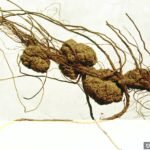 DiseaseCrown gallAgrobacterium tumefaciens (現在 commonly classified as Rhizobium radiobacter)
 PestGreenhouse thripsHeliothrips haemorrhoidalis
 PestCyclamen mitePhytonemus pallidus
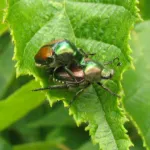 PestJapanese beetlePopillia japonica
 PestCitrus mealybugPlanococcus citri
 DiseaseCucumber mosaic virusCucumber mosaic virus
 DiseaseApple Proliferation Disease‘Candidatus Phytoplasma mali’
 DiseaseSouthern blightAthelia rolfsii
Toxicity and pollen
ASPCA lists Dahlia species as toxic to dogs and cats, with the toxic principle not identified and expected signs including mild gastrointestinal upset and mild dermatitis. Evidence for serious human poisoning is limited, but avoid ingestion and contact with sap or plant material if irritation occurs. Seek veterinary advice after pet ingestion, especially if symptoms develop.
- Typical season
- Usually July–October in much of the United States
- Pollination / pollen
- Insect-associated, mostly localized floral pollen
Dahlia pollen is primarily presented within the flower head and is generally not regarded as a major wind-dispersed seasonal pollen source. Allergy responses cannot be ruled out, particularly with direct handling of flowers or plant material, but documented airborne allergy concern appears low.
Native habitat
The accepted taxon is a cultivated plant associated with Mexico and a seasonally dry tropical biome. In cultivation it performs best during warm, bright growing seasons with fertile soil and regular moisture, but its tubers are vulnerable to freezing and prolonged cold.
Interesting fact
Dahlia pinnata is an accepted species name and the taxon is cultivated rather than a simple wild-distribution species. The name pinnata refers to its feather-like, divided foliage. What appears to be one flower is a composite head containing many individual florets. Modern garden dahlias display an extraordinary range of flower forms and colors.
Frequently asked questions (FAQ)
The most relevant questions about this plant, with short and direct answers.
🌱Quick care
What is Garden Dahlia (Dahlia pinnata)?⌄
Garden Dahlia is a frost-tender, tuberous flowering plant in the daisy family, Asteraceae. It is widely grown for its colorful summer-to-fall blooms and is often treated as an annual in colder parts of the United States.
How much sun does Dahlia pinnata need?⌄
Dahlia pinnata grows best in full sun, receiving at least 6 hours of direct sunlight daily. In very hot climates, light afternoon shade can help reduce heat stress without sacrificing flowering.
How often should I water a Garden Dahlia?⌄
Water Garden Dahlia regularly to maintain moderate, even moisture, especially while it is actively growing and flowering. Let excess water drain away because consistently soggy soil can rot the tubers.
What soil is best for Dahlia pinnata?⌄
Use fertile, organically enriched, well-drained loam for Dahlia pinnata. Improve heavy clay with organic matter and avoid planting where water collects after rain.
Is Dahlia pinnata annual or perennial?⌄
Dahlia pinnata is a tender perennial in warm climates but is commonly grown as an annual in areas with freezing winters. Its tubers can usually be dug and stored indoors for replanting the following year.
🌤️Environment and placement
What USDA hardiness zones can grow Garden Dahlia?⌄
Garden Dahlia can remain outdoors year-round only in relatively mild USDA zones where the ground does not freeze deeply. In colder zones, grow it during the warm season and lift the tubers after frost kills the foliage.
When should I plant Dahlia pinnata outdoors?⌄
Plant Dahlia pinnata outdoors after the danger of frost has passed and the soil has warmed. In much of the United States, this means planting in spring, with timing adjusted to the local last-frost date.
Can Garden Dahlia grow in containers?⌄
Garden Dahlia grows well in a large container with drainage holes and fertile, well-drained potting mix. Choose a container large enough for the mature plant and support tall varieties with a stake or cage.
How much space does Dahlia pinnata need?⌄
Space Dahlia pinnata according to its mature height and spread, commonly allowing about 12 to 36 inches between plants. Taller or large-flowered cultivars need more room for air circulation and support.
Can Dahlia pinnata tolerate summer heat?⌄
Dahlia pinnata tolerates warm weather but may slow down or wilt during periods of intense summer heat. Mulch the soil, water consistently, and provide limited afternoon shade in especially hot locations.
💧Care and problems
Should Garden Dahlia be fertilized?⌄
Fertilize Garden Dahlia lightly in fertile soil with a balanced or relatively low-nitrogen flower fertilizer. Excess nitrogen can produce lush foliage with fewer or weaker flowers.
Does Dahlia pinnata need staking?⌄
Many Dahlia pinnata plants need staking or a sturdy cage, particularly tall varieties with large flowers. Install support early in the season so the developing tubers and roots are not disturbed later.
Should I deadhead Garden Dahlia?⌄
Yes, remove faded Garden Dahlia flowers promptly to encourage continued blooming. Cut the spent flower stem back to a suitable leaf junction rather than removing only the flower head.
When should I pinch Dahlia pinnata?⌄
Pinch the growing tip when Dahlia pinnata is about 6 to 12 inches tall or has several sets of leaves. This encourages branching and usually produces a bushier plant with more flower stems.
Why is my Dahlia pinnata not blooming?⌄
Dahlia pinnata may fail to bloom because of insufficient sunlight, excess nitrogen, drought, waterlogged soil, or planting too early in cold ground. Move it into full sun, maintain even moisture, and avoid heavy nitrogen feeding.
Why are the leaves of my Garden Dahlia turning yellow?⌄
Yellow leaves on Garden Dahlia can result from overwatering, poor drainage, nutrient stress, aging foliage, or disease. Check the roots and soil moisture first, then remove severely damaged leaves and improve air circulation.
How do I protect Dahlia pinnata from frost?⌄
Protect Dahlia pinnata from light frost with a temporary cover, but dig the tubers after a killing frost if you plan to store them. Frost-damaged foliage can be cut back once it has blackened.
How do I overwinter Garden Dahlia tubers?⌄
After the first killing frost, cut back the foliage, lift the tubers carefully, let them dry, and store them in a cool, dark, frost-free place in a slightly dry packing material. Keep them from freezing, excessive warmth, and high humidity that encourages rot.
🪴Planting and repotting
How deep should I plant Dahlia pinnata tubers?⌄
Plant Dahlia pinnata tubers about 4 to 6 inches deep, positioning the crown or eye slightly below or near the soil surface. Avoid deep planting in cold, wet soil because it can delay growth and promote rot.
Which way do I plant a Garden Dahlia tuber?⌄
Place a Garden Dahlia tuber horizontally or with the eye and crown facing upward. The visible eye is the growth point from which new shoots develop.
Can I start Dahlia pinnata tubers indoors?⌄
Yes, start Dahlia pinnata tubers indoors several weeks before outdoor planting to gain an earlier start. Move the plants outside gradually after the frost risk has passed and harden them off first.
Why did my Garden Dahlia tuber rot after planting?⌄
Garden Dahlia tubers commonly rot when planted in cold, saturated soil or watered heavily before shoots emerge. Use well-drained soil, wait for warmer conditions, and water sparingly until active growth begins.
✂️Propagation and pruning
How do I divide Dahlia pinnata tubers?⌄
Divide Dahlia pinnata tuber clumps in late winter or early spring when the eyes are visible. Each division must include a piece of the crown with at least one healthy eye; a tuber without an eye will not produce a new plant.
Can Dahlia pinnata be grown from seed?⌄
Yes, Dahlia pinnata can be grown from seed, usually by starting seeds indoors before the last frost. Seedlings may differ from the parent plant, so seed is best for experimentation rather than producing an exact clone.
Can I propagate Garden Dahlia from cuttings?⌄
Yes, Garden Dahlia can be propagated from young basal stem cuttings taken from actively sprouting tubers. Rooted cuttings are clones of the parent plant when taken from a healthy, true-to-type plant.
Can I save Dahlia pinnata seeds for next year?⌄
You can collect and save mature Dahlia pinnata seeds after the flower heads dry. Store them in a cool, dry place, but expect seedlings to vary in flower color, form, and plant habit.
⚠️Toxicity and safety
Is Dahlia pinnata toxic to dogs and cats?⌄
Yes, Garden Dahlia is considered toxic to dogs and cats and may cause mild gastrointestinal upset or skin irritation. Keep pets from chewing the foliage, flowers, and tubers, and contact a veterinarian if ingestion causes symptoms.
Is Garden Dahlia poisonous to humans?⌄
Human risk from Garden Dahlia appears low, but ingestion should be avoided. The foliage and plant sap may cause irritation in some people, so wear gloves when handling plants or tubers if your skin is sensitive.
🌸Flowering and special interest
When does Dahlia pinnata bloom?⌄
Dahlia pinnata usually blooms from summer into fall, continuing until frost when conditions are favorable. Earlier indoor starts, full sun, regular moisture, and frequent deadheading can extend the flowering period.
How can I get more flowers from Garden Dahlia?⌄
Give Garden Dahlia full sun, steady moisture, moderate fertility, early pinching, and regular deadheading. Staking and good air circulation also help the plant maintain healthy flower stems.
How do I cut Dahlia pinnata flowers for a vase?⌄
Cut Dahlia pinnata flowers in the cool morning or evening when the blooms are fully open but still fresh. Place the stems in warm water immediately and remove foliage that would sit below the waterline.
Similar plants
 Yellow lantern chili (Capsicum chinense) care guideCapsicum chinense
 Capsicum baccatum care guideCapsicum baccatum
 Serrano (Capsicum annuum ‘Serrano’)Capsicum annuum 'Serrano'
 Purple Beauty (Capsicum annuum ‘Purple Beauty’)Capsicum annuum 'Purple Beauty'
 Numex Twilight (Capsicum annuum ‘Numex Twilight’)Capsicum annuum 'Numex Twilight'
 Explosive Ember Chili Pepper (Capsicum annuum ‘Explosive Ember’)Capsicum annuum 'Explosive Ember'