
 Source:
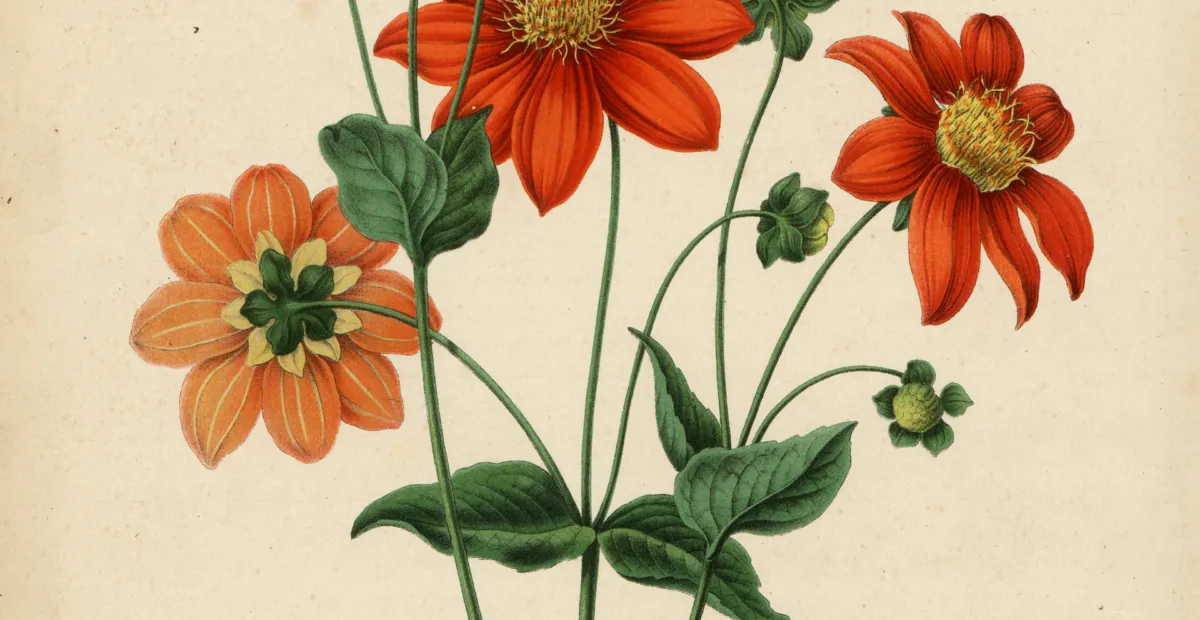
 Dahlia variabilis short overview
Dahlia variabilis is a historical name used for cultivated garden dahlias with tuberous roots, branching stems, compound leaves, and showy flowers in a remarkable range of forms and colors. Modern taxonomic references often treat the name as a synonym of Dahlia pinnata, but it remains familiar in horticultural literature. In the United States, grow it as a frost-tender perennial, planting tubers after cold weather has passed and lifting them before hard freezes.
Taxonomic classification
Dahlia variabilis care guide
Light and placement
Provide at least 6 hours of direct sun, ideally in a south- or west-facing bed with shelter from strong wind. Morning sun with some afternoon shade can help in very hot climates, but insufficient light produces weak stems, fewer flowers, and lanky growth. Harsh reflected heat combined with drought can scorch foliage and shorten flower life, so maintain even moisture in exposed sites.
Watering and humidity
Water deeply when the upper few inches of soil begin to dry, then allow excess water to drain. Tubers need little water before shoots emerge; increase watering as foliage and flowers develop, especially during hot, dry weather. Keep moisture consistent rather than alternating drought with saturation, and water at the base to reduce foliar disease. Average outdoor humidity is usually sufficient.
Soil and growing medium
Use fertile, loose soil that drains freely yet holds even moisture. A loam enriched with mature compost is suitable; heavy clay encourages tuber rot unless amended or planted in raised beds. Slightly acidic to neutral soil is generally appropriate, with about pH 6.0–7.0 a practical target. Avoid freshly manured planting holes and waterlogged sites.
Feeding
Mix mature compost into the bed before planting, then feed during active growth with a balanced or relatively low-nitrogen fertilizer according to the product label. Excess nitrogen can produce lush foliage with weaker flowering and stems. Avoid feeding dry or heat-stressed plants, and stop routine fertilizing as growth naturally slows in fall.
Growth and habit
Growth is vigorous during warm weather, with new shoots emerging from the crown and tubers. Plants can become top-heavy as stems elongate and flower, so early staking is useful for tall or exposed cultivars. Regular cutting and deadheading encourage continued production; crowded growth benefits from thinning for airflow.
Planting and repotting
Plant outdoors after the danger of frost has passed and soil has warmed to roughly 55–60°F. Set tubers horizontally with the eyes near the stem end, covering them with about 3 inches of soil; deeper planting may be useful where winter protection is attempted, but wet soil increases rot risk. Space according to mature cultivar size, generally 18–36 inches apart, and stake tall forms at planting.
Start tubers in containers only when early growth needs protection from late frost. Use a pot large enough for the developing root system, keep the medium lightly moist rather than wet, and transplant after outdoor conditions are reliably warm. Handle emerging shoots and the fragile necks of tubers carefully.
Propagation and pruning
Propagation
Divide dormant tuber clumps so each division retains a healthy piece of the crown with at least one viable eye. Take basal cuttings from actively growing shoots for clonal increase, or sow seed for variable offspring rather than exact copies. Divide and take cuttings in late winter or spring under protected conditions.
Pruning
Pinch or trim young shoots once established to encourage branching, especially for bedding and cut-flower production. Remove spent flower heads above a strong leaf pair to maintain flowering. After frost blackens the tops, cut stems back for lifting, leaving enough stem to handle the crown without damaging it.
Overwintering
In most U.S. climates colder than Zone 8, lift tubers after frost has blackened the foliage. Cure them briefly in a dry, shaded, ventilated place, then store cool and frost-free, commonly around 35–50°F, in a medium that prevents shriveling without staying wet. Inspect periodically and remove rotting tissue. Replant after spring frost danger has passed.
Uses
Primarily used as an ornamental bedding, container, exhibition, and cut-flower plant. Tall forms benefit from staking and regular cutting, while deadheading can extend the display. Do not describe the plant as edible or medicinal without cultivar-specific identification and authoritative safety guidance.
Appearance
Plants form upright, branching stems from a swollen underground tuber system. Leaves are opposite and compound, usually pinnate with toothed leaflets, and the stems are green to reddish and somewhat brittle. Flower heads range from open-centered singles to densely packed forms, making cultivar identification by bloom shape particularly useful.
Flowering
This cultivated dahlia group produces terminal flower heads over an extended warm-season period. Bloom commonly begins in midsummer and continues until the first killing frost when plants are deadheaded and adequately watered. Flower-head form, size, doubleness, and color vary widely among cultivars, so no single floral type represents all plants sold under this name.
Pollination and visitors
Animal visitation can differ with flower structure: open-centered, single-flowered dahlias are more accessible to insects than densely double forms. Reliable evidence for a principal visitor group specifically tied to the historical name Dahlia variabilis is insufficient, so attraction is left unclassified rather than generalized from unrelated cultivars.
Dahlia variabilis photos
Click any photo for a larger view. Source, author and license are shown separately.
Diseases and pests
Diseases
Watch for powdery mildew, botrytis, stem or tuber rots, and viral symptoms such as mottling or distorted growth. Improve spacing and air circulation, water at the soil line, remove diseased tissue, and avoid planting damaged tubers. Discard plants with persistent virus-like symptoms rather than propagating from them; rotate planting areas where soil-borne problems recur.
Pests
Common pests include aphids, thrips, spider mites, earwigs, slugs, and snails. Inspect young shoots and leaf undersides regularly, remove pests by hand or with a strong water spray where practical, and protect seedlings from slugs and snails. Encourage beneficial insects and use targeted controls only when damage is significant.
Related diseases and pests
Only Plant Doctor profiles whose host data indicate this plant may be affected are shown here.
 PestGreenhouse thripsHeliothrips haemorrhoidalis
 PestCyclamen mitePhytonemus pallidus
 PestJapanese beetlePopillia japonica
 PestCitrus mealybugPlanococcus citri
 DiseaseCucumber mosaic virusCucumber mosaic virus
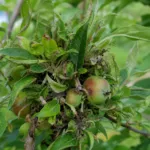 DiseaseApple Proliferation Disease‘Candidatus Phytoplasma mali’
 DiseaseSouthern blightAthelia rolfsii
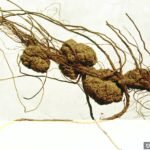 DiseaseCrown gallAgrobacterium tumefaciens (現在 commonly classified as Rhizobium radiobacter)
Toxicity and pollen
ASPCA lists Dahlia species as toxic to dogs and cats, with mild gastrointestinal signs and mild dermatitis reported; the toxic principle is not identified. Avoid allowing pets to chew leaves, stems, flowers, or tubers, and wash skin after handling if irritation occurs. Human ingestion is not recommended, and evidence for this exact historical taxon is limited.
- Typical season
- Typically summer through fall during flowering
- Pollination / pollen
- Flower pollen, mainly moved by insect contact
Dahlias are insect-pollinated flowering plants, but exact airborne pollen exposure depends on cultivar, flower form, local abundance, and handling. Dense double flowers may release or expose less pollen than open forms, but this does not establish that they are allergy-free. People with known plant allergies should avoid direct contact with pollen and sap and monitor personal reactions.
Native habitat
The cultivated plant is derived from Mexican Dahlia lineages and is maintained primarily in gardens rather than natural habitats. It prefers warm growing conditions, sun, fertile soils, and reliable but non-saturated moisture. The tubers survive winter only where the ground remains sufficiently mild and well drained.
Interesting fact
Dahlia variabilis is a historical name rather than a consistently accepted modern species name. Cultivated dahlias represent complex breeding and show extraordinary diversity in flower form. Their underground storage organs are tubers, not true bulbs. The crown carries the eyes from which new shoots develop.
Frequently asked questions (FAQ)
The most relevant questions about this plant, with short and direct answers.
🌱Quick care
How do you care for Dahlia variabilis?⌄
Grow Dahlia variabilis in full sun, fertile well-drained soil, and consistently moderate moisture. Protect the plant and its tubers from freezing temperatures.
Is Dahlia variabilis a perennial or an annual?⌄
Dahlia variabilis is a tender perennial that can be grown as an annual in regions where winter temperatures freeze the tubers. Gardeners in colder areas usually lift and store the tubers for winter.
🌤️Environment and placement
How much sun does Dahlia variabilis need?⌄
Dahlia variabilis grows best in full sun, ideally receiving at least 6 hours of direct sunlight daily. Some afternoon shade can help in very hot climates, but too much shade may reduce flowering.
What type of soil is best for Dahlia variabilis?⌄
Use fertile, compost-enriched, well-drained loam for Dahlia variabilis. Improve heavy clay or poorly drained soil before planting because waterlogged conditions can rot the tubers.
Can Dahlia variabilis grow in containers?⌄
Yes, Dahlia variabilis can grow in containers, especially compact forms. Choose a pot at least 12 inches wide and deep with drainage holes, and expect to water and fertilize more often than plants grown in the ground.
💧Care and problems
How often should you water Dahlia variabilis?⌄
Water Dahlia variabilis when the soil surface begins to dry, keeping the soil evenly moist but not soggy. Water deeply at the base and avoid prolonged wetness around newly planted tubers.
Why are the leaves of my Dahlia variabilis turning yellow?⌄
Yellow leaves on Dahlia variabilis may result from overwatering, poor drainage, nutrient stress, aging foliage, or disease. Check the roots and soil moisture first, then remove badly affected foliage and improve airflow.
Why is Dahlia variabilis not flowering?⌄
Dahlia variabilis may fail to flower because of insufficient sunlight, excessive nitrogen, drought stress, overcrowding, or a short growing season. Provide full sun, steady moisture, and a low-nitrogen fertilizer rather than heavy feeding.
Does Dahlia variabilis need staking?⌄
Tall Dahlia variabilis plants usually need staking to support their stems and heavy flowers. Install a 4- to 5-foot stake near the tuber at planting time and tie the stems as they grow.
Should you deadhead Dahlia variabilis?⌄
Yes, remove spent flowers from Dahlia variabilis to keep the plant looking tidy and encourage continued blooming. Cut back to a strong set of leaves or side buds rather than removing only the flower head.
What fertilizer is best for Dahlia variabilis?⌄
Use a balanced or low-nitrogen fertilizer for Dahlia variabilis, such as a bloom-focused formulation applied according to the label. Excess nitrogen can produce lush foliage, weak stems, and fewer flowers.
How do you overwinter Dahlia variabilis tubers?⌄
After a killing frost, cut the stems back, dig the tubers carefully, let them dry for about 24 hours, and store them in a cool, dry place around 40–50°F. Pack them in a breathable medium such as vermiculite or peat moss and check periodically for rot or shriveling.
Can Dahlia variabilis stay in the ground over winter?⌄
Dahlia variabilis may survive in the ground in mild, well-drained areas, but freezing soil can kill or rot the tubers. In much of the United States, lifting and storing the tubers is the more dependable approach.
🪴Planting and repotting
When should you plant Dahlia variabilis tubers?⌄
Plant Dahlia variabilis tubers outdoors in late spring after the danger of frost has passed and the soil has warmed to about 60°F. Starting tubers indoors several weeks earlier can extend the flowering season.
How deep should Dahlia variabilis tubers be planted?⌄
Plant Dahlia variabilis tubers about 4 to 6 inches deep, with the eye or growing point facing upward. Avoid heavy watering until shoots emerge because dormant tubers are vulnerable to rot.
How far apart should Dahlia variabilis plants be spaced?⌄
Space Dahlia variabilis plants about 2 feet apart, adjusting the distance for the mature height and spread of the cultivar. Good spacing improves airflow and reduces competition for water and nutrients.
Can you grow Dahlia variabilis from seed?⌄
Yes, Dahlia variabilis can be grown from seed, although seedlings may differ in flower color, form, and plant habit. Seed-grown plants typically flower later than established tuber-grown plants.
✂️Propagation and pruning
How do you propagate Dahlia variabilis from tubers?⌄
Divide Dahlia variabilis tuber clumps so that each division includes a healthy piece of crown with at least one visible eye. Discard shriveled, soft, or diseased sections before planting.
Can Dahlia variabilis be propagated from cuttings?⌄
Yes, Dahlia variabilis can be propagated from basal cuttings taken from actively sprouting tubers. Root the cuttings in a clean, well-drained medium under bright light and keep them evenly moist.
Should you pinch Dahlia variabilis?⌄
Pinch the growing tip of Dahlia variabilis when the plant is about 12 inches tall or has several sets of leaves. This encourages branching and usually produces a bushier plant with more flowering stems.
⚠️Toxicity and safety
Is Dahlia variabilis toxic to dogs and cats?⌄
Dahlia variabilis is generally considered low-severity toxic to pets, with possible mild gastrointestinal upset or skin irritation after exposure. Keep pets from eating the plant and contact a veterinarian if symptoms develop.
Can people eat Dahlia variabilis flowers or tubers?⌄
Do not treat Dahlia variabilis as an edible plant unless you have reliable cultivar-specific identification and food-safety guidance. Flowers and tubers grown with pesticides or other garden chemicals should never be consumed.
🌸Flowering and special interest
When does Dahlia variabilis bloom?⌄
Dahlia variabilis usually blooms from midsummer through fall when grown in full sun and kept well watered. Flowering may begin earlier when tubers are started indoors.
How long do Dahlia variabilis flowers last?⌄
Individual Dahlia variabilis flowers commonly remain attractive for several days, while the plant can produce blooms continuously for weeks with regular deadheading. Heat, rain, wind, and cultivar type affect flower longevity.
Why are Dahlia variabilis flower buds not opening?⌄
Dahlia variabilis buds may fail to open because of heat stress, drought, poor light, pest damage, or fungal problems caused by wet flowers. Improve root-zone moisture, airflow, and sunlight while removing damaged buds.
Are Dahlia variabilis flowers good for cutting?⌄
Yes, Dahlia variabilis makes excellent cut flowers when stems are harvested after the blooms are fully open. Cut early in the morning, place stems in water immediately, and remove foliage below the waterline.
Similar plants
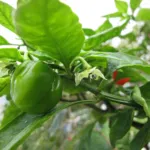 Yellow lantern chili (Capsicum chinense) care guideCapsicum chinense
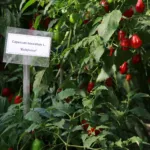 Capsicum baccatum care guideCapsicum baccatum
 Serrano (Capsicum annuum ‘Serrano’)Capsicum annuum 'Serrano'
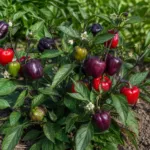 Purple Beauty (Capsicum annuum ‘Purple Beauty’)Capsicum annuum 'Purple Beauty'
 Numex Twilight (Capsicum annuum ‘Numex Twilight’)Capsicum annuum 'Numex Twilight'
 Explosive Ember Chili Pepper (Capsicum annuum ‘Explosive Ember’)Capsicum annuum 'Explosive Ember'