
 Source:
 Dahlia ‘Wizard of Oz’ short overview
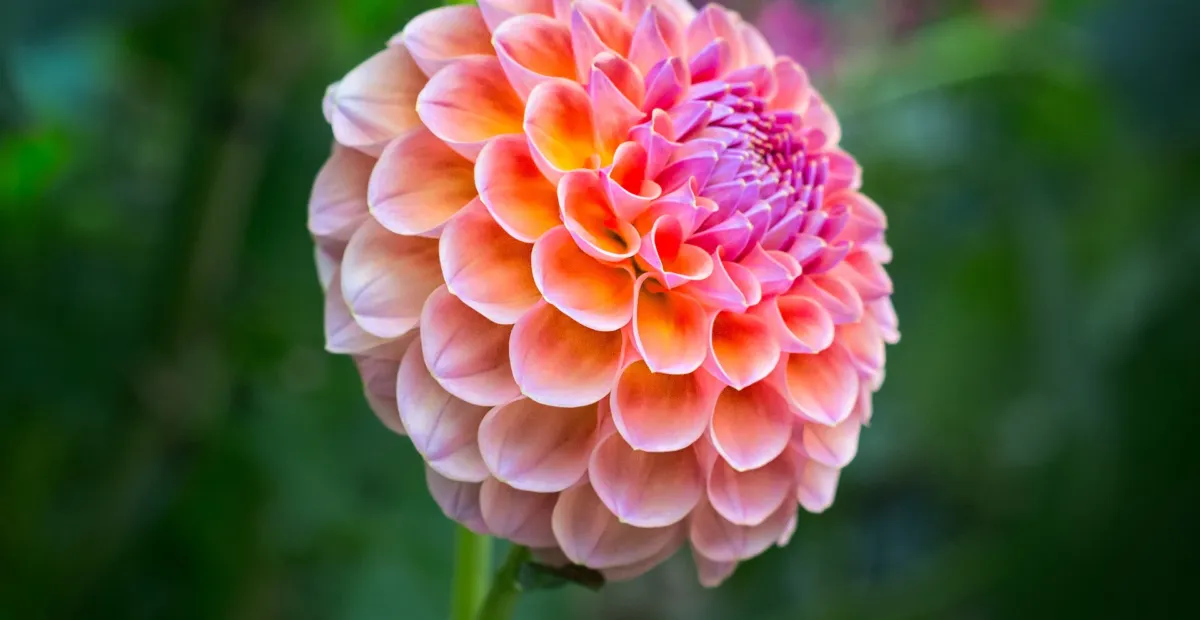
Dahlia 'Wizard of Oz' is a compact garden dahlia valued for its neat, rounded ball blooms in soft pink, often paling toward the center. Its tuberous roots produce upright, branching plants with lush divided foliage and flowers from midsummer until the first autumn frost. Give it full sun, fertile soil that drains freely, and even moisture. In cold regions, lift and store the tubers after frost for replanting next spring.
Taxonomic classification
Dahlia ‘Wizard of Oz’ care guide
Light and placement
Grow in full sun, ideally with at least 6 hours of direct light and morning-to-afternoon exposure. A south- or west-facing border, raised bed, or sunny patio container is suitable. Too little light produces weak, leafy growth and fewer flowers; excessive heat combined with dry soil can cause wilting and flower quality loss, so maintain moisture and airflow.
Watering and humidity
Water deeply at the soil line when the upper layer begins to dry, keeping the root zone evenly moist rather than constantly saturated. Newly planted, unsprouted tubers need restrained watering because excess moisture encourages rot; increase irrigation after shoots emerge. During hot, dry US summers, check containers and sandy beds more often. Avoid wetting foliage late in the day.
Soil and growing medium
Use fertile, humus-rich soil that remains evenly moist but drains freely. A loam amended with compost is suitable; heavy clay should be loosened to reduce tuber-rot risk. A slightly acidic to slightly alkaline reaction is tolerated, with about pH 6.0–7.0 a practical target.
Feeding
Incorporate compost before planting, then feed lightly once active growth is established. A balanced, general-purpose fertilizer applied according to its label every 3–4 weeks can support flowering in poor soil. Avoid excessive nitrogen, which encourages foliage at the expense of flowers, and do not fertilize dormant, unwatered tubers.
Growth and habit
Plants emerge from swollen underground tubers and develop upright, branching stems. Early pinching encourages a fuller framework and more flowering points. Deadheading or regular cutting redirects energy toward new buds, while staking may be useful in exposed locations or where plants become top-heavy.
Planting and repotting
Plant outdoors after the danger of frost has passed and the soil has warmed. Set tubers horizontally with the eyes upward and cover with roughly 2–4 inches of soil, adding more as shoots develop if needed. Space plants about 12–18 inches apart and water thoroughly after planting, but keep un sprouted tubers relatively dry to limit rot.
For container plants, move dormant tubers or rooted divisions into fresh, well-drained potting mix in spring. Choose a container with drainage holes and enough volume for the root mass; avoid keeping dormant tubers in wet mix. Transplant established plants with minimal root disturbance.
Propagation and pruning
Propagation
Divide stored tubers in spring, ensuring each section has at least one healthy eye. Softwood cuttings can be taken from actively growing shoots produced by stored tubers. Seed will not reliably reproduce the named cultivar true to type.
Pruning
Pinch the growing tip when plants are about 10–12 inches tall to encourage branching. Remove spent flower heads regularly to prolong bloom. After frost blackens the foliage, cut stems back near ground level before lifting tubers, leaving a short stub for handling.
Overwintering
After frost damages the foliage, cut stems back and lift tubers in cold-winter regions. Let them dry briefly, remove excess soil without damaging eyes, and store in a cool, dark, frost-free place in a breathable medium that is barely dry. In USDA Zones 8–11, tubers may remain in the ground if drainage is excellent and winter protection is provided.
Uses
Use in sunny flower borders, containers, cottage-style plantings, pollinator-oriented beds where visitor activity is observed, and cutting gardens. The rounded pastel blooms work well in bouquets, although stem length and vase performance vary with cultivation and harvest stage. Do not market the plant as edible or medicinal without separate verified evidence.
Appearance
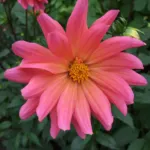
The plant has upright branching stems and opposite, pinnately divided green leaves typical of cultivated dahlias. Flower heads are unusually neat and spherical, with tightly packed, incurved florets in pale to cotton-candy pink, often appearing lighter toward the center. The combination of compact stature and small rounded heads helps distinguish it from large decorative or dinnerplate cultivars.
Flowering
This cultivar produces numerous double flower heads classified horticulturally as ball type, with tightly incurved florets forming a rounded outline. In US gardens it generally begins in midsummer and continues until autumn frost, especially when spent flowers are removed and flowers are cut regularly.
Pollination and visitors
Dahlias are insect-visited composite flowers, but reliable cultivar-specific records for animal visitors to 'Wizard of Oz' are limited. Its densely double flower structure may make access to reproductive parts more difficult than in open-centered dahlias, so no specific visitor group is assigned here.
Diseases and pests
Diseases
Prevent disease with well-drained soil, good air circulation, careful watering at the base, and clean storage conditions. Watch for powdery mildew in dry, stagnant conditions, gray mold and other rots in wet weather or storage, and virus symptoms such as stunting, mottled leaves, or distortion; remove seriously affected plants.
Pests
Inspect new growth and flower heads for aphids, caterpillars, earwigs, and slugs; spider mites may occur under hot, dry conditions. Hand-pick larger pests, use water spray or insecticidal soap for suitable soft-bodied infestations, protect young plants from slugs, and avoid broad-spectrum insecticides during bloom.
Toxicity and pollen
ASPCA lists dahlias as toxic to dogs and cats, with the toxic principle not identified and reported effects including mild gastrointestinal upset and mild dermatitis. Avoid allowing pets to chew the plant, and seek veterinary advice after ingestion or if symptoms develop. Human toxicity data for this cultivar are limited; avoid eating plant parts and wash sap from skin.
- Typical season
- Usually summer through first frost in the United States
- Pollination / pollen
- Mostly insect-dispersed pollen; not a prominent wind-pollen plant
This double-flowered dahlia is insect-pollinated rather than a major wind-pollen source, so airborne exposure is expected to be relatively low. However, low airborne pollen does not eliminate the possibility of contact sensitivity; handling foliage or flowers may irritate susceptible people, and pollen or plant particles can still be transferred indoors on cut stems.
Native habitat
The genus Dahlia is native to Mexico and Central America, where wild species occupy varied mountain, woodland-edge, and open sunny habitats. 'Wizard of Oz' is a cultivated hybrid selection and has no natural wild distribution. In gardens it performs best in warm, sunny conditions with fertile soil that holds moisture without remaining saturated.
Interesting fact
The cultivar is commonly described as a ball or miniature-ball dahlia, with blooms generally around 2–3 inches across. Its rounded heads are built from tightly arranged florets rather than a single simple petal whorl. The name is associated with Dutch-bred horticultural material dating to the mid-2000s, although cultivar provenance is not consistently documented across sources.
Frequently asked questions (FAQ)
The most relevant questions about this plant, with short and direct answers.
🌱Quick care
What is Dahlia 'Wizard of Oz'?⌄
Dahlia 'Wizard of Oz' is a pink, fully double miniature-ball dahlia grown from tubers. Its rounded blooms are typically about 2–3½ inches wide and are valued for cutting.
How much sun does Dahlia 'Wizard of Oz' need?⌄
Dahlia 'Wizard of Oz' needs full sun, ideally at least 6–8 hours of direct light daily. Strong light supports sturdier stems and better flowering.
How often should I water Dahlia 'Wizard of Oz'?⌄
Water Dahlia 'Wizard of Oz' deeply whenever the soil begins to dry, keeping it evenly moist but never waterlogged. Water more often during hot, dry weather and avoid constantly wet soil around the tuber.
What soil is best for Dahlia 'Wizard of Oz'?⌄
Dahlia 'Wizard of Oz' grows best in fertile, humus-rich, well-drained loam. Improve heavy or poor soil with compost, but do not plant the tubers where water stands after rain.
🌤️Environment and placement
Can Dahlia 'Wizard of Oz' grow in containers?⌄
Yes, Dahlia 'Wizard of Oz' can grow in a large container of at least 5 gallons with drainage holes. Use fertile potting mix, provide full sun, and support the plant as it grows.
What USDA hardiness zones can grow Dahlia 'Wizard of Oz' outdoors year-round?⌄
Dahlia 'Wizard of Oz' is generally treated as hardy outdoors in USDA Zones 8–10, although local winter conditions matter. In colder zones, grow it as a seasonal plant and lift the tubers for winter storage.
How tall does Dahlia 'Wizard of Oz' grow?⌄
Dahlia 'Wizard of Oz' commonly reaches about 24–40 inches tall, depending on growing conditions and the seller’s strain information. Plants may need light staking in exposed gardens.
Does Dahlia 'Wizard of Oz' need staking?⌄
Dahlia 'Wizard of Oz' benefits from a stake or light support, especially in windy locations or when carrying many blooms. Install support at planting time to avoid injuring developing tubers later.
💧Care and problems
Why is my Dahlia 'Wizard of Oz' not blooming?⌄
Dahlia 'Wizard of Oz' may fail to bloom because of insufficient sun, excessive nitrogen, drought, waterlogged soil, or an overly short growing season. Give it full sun, steady moisture, good drainage, and avoid heavy nitrogen feeding.
Should I fertilize Dahlia 'Wizard of Oz'?⌄
Yes, feed Dahlia 'Wizard of Oz' with a balanced or low-nitrogen fertilizer while it is actively growing. Excess nitrogen can produce lush foliage with fewer flowers.
Should I deadhead Dahlia 'Wizard of Oz'?⌄
Yes, deadhead Dahlia 'Wizard of Oz' regularly by removing spent blooms above a strong set of leaves. This redirects energy into new flowers and helps extend blooming until frost.
What pests commonly affect Dahlia 'Wizard of Oz'?⌄
Aphids, earwigs, caterpillars, slugs, spider mites, and thrips can affect Dahlia 'Wizard of Oz'. Inspect leaves and flowers frequently and use an appropriate control method when damage appears.
What diseases can affect Dahlia 'Wizard of Oz'?⌄
Dahlia 'Wizard of Oz' can be affected by powdery mildew, gray mold, fungal rots, wilt diseases, and viruses. Good spacing, full sun, careful watering, sanitation, and well-drained soil reduce risk.
How do I overwinter Dahlia 'Wizard of Oz' in cold climates?⌄
After frost damages the foliage, cut the stems back, carefully lift the tuber clump, let it dry under cover for about 24 hours, and store it in a cool, dark, frost-free place. Pack tubers in lightly moist vermiculite, peat, sawdust, or similar material and check them periodically.
🪴Planting and repotting
When should I plant Dahlia 'Wizard of Oz' tubers in the United States?⌄
Plant Dahlia 'Wizard of Oz' tubers in spring after the danger of frost has passed and the soil has warmed to about 60°F. A practical timing cue is planting around the time you plant tomatoes in your area.
How deep should I plant Dahlia 'Wizard of Oz' tubers?⌄
Plant Dahlia 'Wizard of Oz' tubers about 4–6 inches deep, with the eye or growing point facing upward. Tubers may also be laid horizontally if the eye remains positioned toward the surface.
How far apart should I plant Dahlia 'Wizard of Oz'?⌄
Space Dahlia 'Wizard of Oz' tubers about 12–18 inches apart. Wider spacing improves airflow, while closer spacing may require more support and disease monitoring.
Can I start Dahlia 'Wizard of Oz' indoors?⌄
Yes, start Dahlia 'Wizard of Oz' indoors several weeks before outdoor planting in a bright location. Move it outside only after frost danger has passed and harden it off gradually.
How soon should I water a newly planted Dahlia 'Wizard of Oz' tuber?⌄
Water a newly planted Dahlia 'Wizard of Oz' tuber lightly, then wait for shoots to emerge before watering heavily. Excess moisture before growth begins can encourage tuber rot.
✂️Propagation and pruning
How do I divide Dahlia 'Wizard of Oz' tubers?⌄
Divide Dahlia 'Wizard of Oz' tubers with a clean, sharp knife so every division includes a piece of crown and at least one visible eye. Discard soft, moldy, or badly damaged sections.
Can Dahlia 'Wizard of Oz' be grown from seed?⌄
Dahlia 'Wizard of Oz' can produce seeds, but seedlings will not reliably reproduce the named cultivar. To preserve its exact flower form and color, propagate it by dividing tubers or taking cuttings.
Should I pinch Dahlia 'Wizard of Oz'?⌄
Pinch Dahlia 'Wizard of Oz' when the main shoot has about three sets of leaves, removing the growing tip above a leaf pair. This encourages branching and usually produces more usable stems.
When should I cut Dahlia 'Wizard of Oz' flowers for bouquets?⌄
Cut Dahlia 'Wizard of Oz' flowers when the blooms are about three-quarters open and the stems feel firm. Harvest in the cool morning or evening and place the stems in water immediately.
⚠️Toxicity and safety
Is Dahlia 'Wizard of Oz' toxic to dogs and cats?⌄
Yes, Dahlia 'Wizard of Oz' should be treated as toxic to dogs and cats if eaten. Keep tubers, leaves, and flowers away from pets and contact a veterinarian or pet poison service if ingestion is suspected.
Can people eat Dahlia 'Wizard of Oz' flowers or tubers?⌄
Human ingestion of Dahlia 'Wizard of Oz' is not recommended. Keep the plant away from children and do not use its flowers or tubers as food unless a qualified authority has specifically confirmed safe preparation.
🌸Flowering and special interest
What color are Dahlia 'Wizard of Oz' flowers?⌄
Dahlia 'Wizard of Oz' produces soft pastel or candy-pink, fully double flowers, sometimes described as pale pink. Individual blooms can vary slightly with temperature, light, and growing conditions.
How large are Dahlia 'Wizard of Oz' flowers?⌄
Dahlia 'Wizard of Oz' flowers are usually about 2–3½ inches across. Their compact, rounded form is commonly classified as a miniature ball or pompon-type bloom, depending on the classification source.
When does Dahlia 'Wizard of Oz' bloom?⌄
Dahlia 'Wizard of Oz' generally blooms from summer through fall and can continue until the first frost. Earlier indoor starting may provide earlier flowers in regions with short growing seasons.
Is Dahlia 'Wizard of Oz' good for cut flowers?⌄
Yes, Dahlia 'Wizard of Oz' is well suited to cut-flower gardens because it produces rounded pink blooms on useful stems. Frequent harvesting encourages the plant to keep producing flowers.
Similar plants
 Dahlia ‘Karma Choc’Dahlia 'Karma Choc'
 Dahlia ‘Arabian Night’Dahlia 'Arabian Night'
 Bishop of Llandaff dahlia (Dahlia ‘Bishop of Llandaff’)Dahlia 'Bishop of Llandaff'
 Dahlia ‘David Howard’Dahlia 'David Howard'
 Garden Dahlia (Dahlia pinnata) care guideDahlia pinnata
 Dahlia ‘Karma Fuchsiana’Dahlia 'Karma Fuchsiana'