 Source:
 Dahlia ‘Arabian Night’ short overview
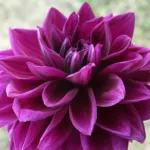
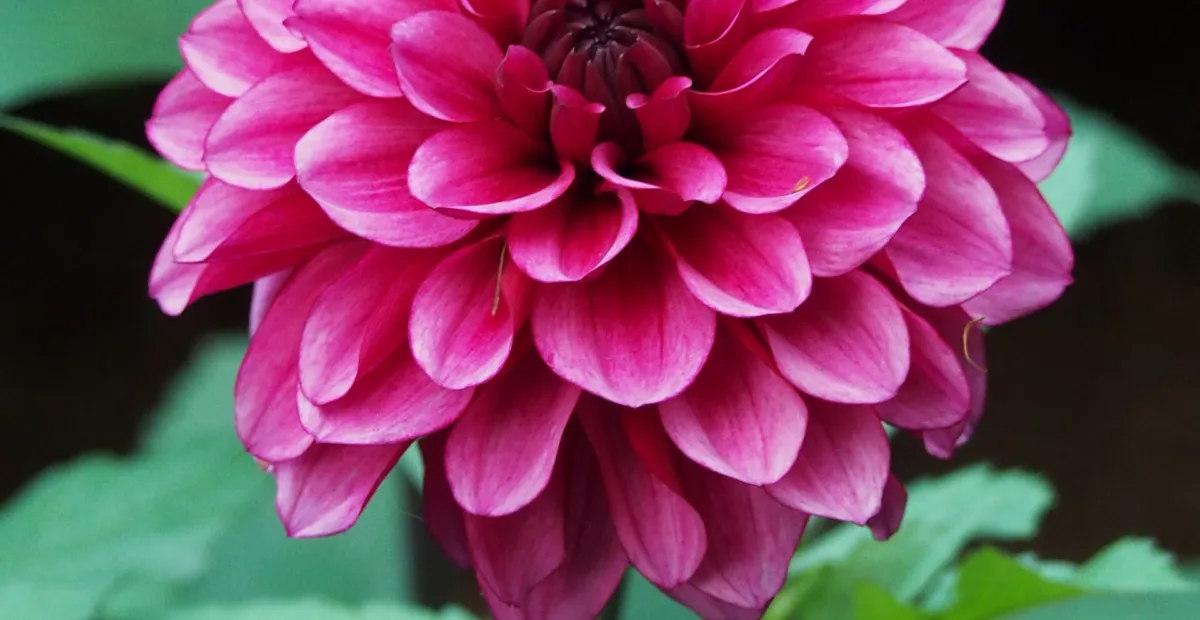
Dahlia 'Arabian Night' is a classic formal decorative dahlia with velvety, deep burgundy-red blooms that can appear almost black. This tender tuberous perennial flowers from summer into fall, performs best in full sun and fertile, well-drained soil, and makes an excellent cut flower. In colder parts of the United States, lift and store the tubers after frost. A historic formal decorative dahlia introduced by Weijers in the Netherlands in 1951. 'Arabian Night' forms rich burgundy-red, fully double blooms with slightly incurved petals; under some lighting they appear almost black.
Taxonomic classification
Dahlia ‘Arabian Night’ care guide
Light and placement
Choose an open position with at least 6 hours of direct sun, ideally with morning and midday exposure and shelter from strong prevailing winds. A south- or west-facing border is suitable if soil moisture is maintained. Stretching stems, sparse flowering, and pale growth indicate insufficient light; scorched leaves or rapid wilting usually point to heat or drought stress rather than excessive sun alone.
Watering and humidity
Water deeply when the top inch of soil begins to dry, keeping moisture consistent while plants are actively growing and flowering. Increase frequency during hot, windy weather, especially in containers, but let excess water drain away. Reduce watering after frost and during dormant tuber storage. Good airflow is more important than high humidity.
Soil and growing medium
Use fertile, humus-rich soil that drains freely after watering but does not dry excessively during active growth. A loam amended with compost is suitable. Slightly acidic to neutral soil is generally appropriate; avoid persistently waterlogged beds, which can rot the tubers.
Feeding
In fertile soil, incorporate compost before planting. Feed once growth is established with a balanced fertilizer or a moderate nitrogen feed early in the season, then shift toward a bloom-supporting, lower-nitrogen fertilizer as buds form. Avoid heavy nitrogen applications late in summer, which can produce lush foliage with weaker flowering.
Growth and habit
The plant develops from a clump of swollen underground tubers and produces branching, leafy stems during warm weather. Staking is useful because the numerous flower heads can catch wind and become heavy after rain. Pinching young shoots and deadheading can improve branching and extend display.
Planting and repotting
Plant outdoors after the local frost risk has passed and the soil has warmed. Set the tuber horizontally with the eyes uppermost and cover with about 4–5 inches of soil; add more soil as shoots develop if needed. Allow roughly 2–3 feet between plants and establish a stake early.
For container plants, shift dormant tubers or spring-started plants into a larger container only when roots fill the existing pot. Handle the tuber clump carefully and use fresh, well-drained potting mix. Containers dry faster than beds and may need more frequent watering in summer.
Propagation and pruning
Propagation
Propagate by dividing overwintered tubers in spring, ensuring each division has a viable eye and a piece of crown. Take cuttings from actively growing shoots when a larger number of uniform plants is desired. Seed will not reliably reproduce the named cultivar.
Pruning
Pinch the central shoot when plants are about 12 inches tall to encourage branching. Remove spent flower heads promptly and cut stems for arrangements just as blooms begin to open. After frost blackens the foliage, cut stems back before lifting or storing tubers.
Overwintering
After the first hard frost blackens the foliage, cut stems to a few inches, lift the tubers in cold regions, and let them dry briefly. Store clumps in a cool, dark, frost-free place packed in barely dry vermiculite, peat-free medium, or similar material. Inspect periodically and remove any soft or rotting sections. In mild climates, deep mulch may allow outdoor overwintering, but survival is site-dependent.
Uses
Use it in sunny mixed borders, cutting gardens, cottage-style plantings, and large containers. The long-stemmed blooms are suitable for arrangements and bouquets. Its dark color contrasts strongly with pale flowers and silver or purple foliage. Do not use it as food or medicine; protect pets from ingestion.
Appearance
This cultivar has dark green, divided dahlia foliage on branching, herbaceous stems. Its identifying feature is the combination of a formal decorative flower form, slightly incurved petals, and exceptionally dark burgundy-red coloring that can read as near-black. The blooms are usually carried above the foliage on useful cutting stems.
Flowering
This cultivar produces fully double, formal decorative flower heads with regularly arranged, slightly incurved florets. The deep wine-red color may look almost black in low or directional light. In the United States, flowering commonly begins in midsummer and continues until frost when plants are deadheaded regularly.
Pollination and visitors
The fully double flower structure can conceal or reduce access to reproductive parts, so documented animal visitation is expected to be lower than in open-centered dahlias. Occasional small insect visits are possible, but strong cultivar-specific pollinator evidence was not located.
Dahlia 'Arabian Night' photos
Click any photo for a larger view. Source, author and license are shown separately.
Diseases and pests
Diseases
Reduce disease pressure with full sun, good air circulation, clean tools, and watering directed at the soil rather than foliage. Watch for powdery mildew, gray mold, and tuber rots. Remove badly affected tissue, avoid overcrowding, and discard rotting tubers rather than storing them.
Pests
Inspect new growth for aphids, thrips, spider mites, and earwigs, and check undersides of leaves regularly. Use a strong water spray for minor aphid infestations, encourage beneficial insects, and reserve labeled treatments for persistent problems. Remove plant debris at season's end and avoid storing damaged tubers.
Toxicity and pollen
Dahlias are listed as toxic to dogs and cats, with mild gastrointestinal upset and mild dermatitis reported. Human exposure is generally associated with low-severity effects, but foliage and tubers may irritate skin and ingestion can cause stomach upset. Wear gloves when handling if sensitive, and keep plant material away from pets and children.
- Typical season
- During flowering, typically July–October in much of the United States
- Pollination / pollen
- Insect-associated pollen; not typically wind-dispersed in large quantities
Dahlia flowers release pollen within an insect-pollinated flower head rather than as a prominent wind-borne pollen cloud. Exact allergy risk for this cultivar is not well studied, so people with known plant allergies should still avoid direct contact if symptoms occur.
Native habitat
The species is native to highland regions of Mexico and grows naturally in seasonal environments with a pronounced wet growing period and cooler, drier conditions during dormancy. The named cultivar is a garden selection rather than a wild population and requires cultivated soil, warmth, and frost protection.
Interesting fact
Introduced in the Netherlands by Weijers in 1951. Its near-black appearance is produced by extremely deep red pigmentation rather than true black petals. It is classified as a formal decorative dahlia and is valued for cutting.
Frequently asked questions (FAQ)
The most relevant questions about this plant, with short and direct answers.
🌱Quick care
What is Dahlia 'Arabian Night'?⌄
Dahlia 'Arabian Night' is a decorative dahlia cultivar with double, deep red flowers that can appear nearly black. It typically grows about 36–40 inches tall and produces blooms up to roughly 4 inches wide.
Is Dahlia 'Arabian Night' a perennial or an annual?⌄
Dahlia 'Arabian Night' is a frost-tender perennial grown from tubers, but it is often treated as an annual in colder parts of the United States. In USDA Zones 8–10, tubers may survive outdoors with suitable winter protection; elsewhere, lift and store them.
How much sun does Dahlia 'Arabian Night' need?⌄
Dahlia 'Arabian Night' needs full sun, ideally at least 6 hours of direct sunlight daily. Strong light supports sturdier growth and more abundant flowering.
How often should I water Dahlia 'Arabian Night'?⌄
Water Dahlia 'Arabian Night' moderately, keeping the soil evenly moist but not waterlogged. Water deeply during dry periods, allowing excess water to drain away between waterings.
What soil is best for Dahlia 'Arabian Night'?⌄
The best soil is fertile, humus-rich, well-drained loam. Incorporating compost or other organic matter can improve fertility and moisture retention without causing poor drainage.
🌤️Environment and placement
Where should I plant Dahlia 'Arabian Night'?⌄
Plant Dahlia 'Arabian Night' in a sunny, sheltered location with fertile soil and good drainage. Protection from strong winds helps prevent its tall stems and heavy flower heads from bending or breaking.
Can Dahlia 'Arabian Night' grow in containers?⌄
Yes, Dahlia 'Arabian Night' can grow in a large container with drainage holes and fertile potting mix. Choose a container large enough for the tuber and provide support as the plant grows.
What USDA hardiness zones are suitable for Dahlia 'Arabian Night'?⌄
Dahlia 'Arabian Night' can be grown across much of the United States during the warm season, but its tubers are frost-tender. It may overwinter outdoors in warmer USDA Zones 8–10 with appropriate protection, while colder zones generally require lifting and storage.
Can Dahlia 'Arabian Night' tolerate heat?⌄
Dahlia 'Arabian Night' can grow in summer heat when it receives consistent moisture and good air circulation. In very hot climates, afternoon shade may help protect flowers and reduce moisture stress, although full sun is preferred.
💧Care and problems
How tall does Dahlia 'Arabian Night' grow?⌄
Dahlia 'Arabian Night' commonly reaches about 36–40 inches tall, although final height varies with soil, sunlight, watering, and growing conditions. Its height makes staking advisable.
Does Dahlia 'Arabian Night' need staking?⌄
Yes, staking Dahlia 'Arabian Night' is recommended because its tall stems can become top-heavy when covered with flowers. Install a stake or support early, before the plant becomes difficult to secure without damaging the tuber.
Should I pinch Dahlia 'Arabian Night'?⌄
Pinch the growing tip when the plant is about 12–18 inches tall to encourage branching and a bushier form. Pinching can produce more stems, while leaving the plant unpinched may produce earlier flowers on fewer stems.
How do I deadhead Dahlia 'Arabian Night'?⌄
Remove spent flowers by cutting the stem back to a strong set of leaves or a branching point. Regular deadheading prevents seed formation and encourages continued flowering.
Why is my Dahlia 'Arabian Night' not blooming?⌄
Poor sunlight, excess nitrogen, drought, immature tubers, or cool weather can delay flowering in Dahlia 'Arabian Night'. Give it full sun, consistent moisture, and patience, since newly planted tubers may take time to establish before blooming.
What pests affect Dahlia 'Arabian Night'?⌄
Common pests include aphids, slugs, earwigs, caterpillars, leaf miners, and spider mites. Inspect the foliage and flower buds regularly, and use a control method appropriate for the specific pest.
What diseases can Dahlia 'Arabian Night' get?⌄
Dahlia 'Arabian Night' may develop powdery mildew, gray mold, fungal tuber rot, or virus-related stunting and leaf distortion. Good air circulation, careful watering, clean planting material, and well-drained soil reduce these risks.
🪴Planting and repotting
When should I plant Dahlia 'Arabian Night' tubers in the United States?⌄
Plant Dahlia 'Arabian Night' tubers in spring after the danger of hard frost has passed and the soil has begun to warm. In colder regions, starting tubers indoors several weeks earlier can give the plants a head start.
How deep should I plant Dahlia 'Arabian Night' tubers?⌄
Plant Dahlia 'Arabian Night' tubers about 1–2 inches deep, with the growing eye facing upward when visible. Cover the tuber gradually as shoots emerge rather than burying it deeply in cold, wet soil.
How far apart should I plant Dahlia 'Arabian Night'?⌄
Space Dahlia 'Arabian Night' plants about 12–18 inches apart, or roughly one plant per square foot when grown as a dense display. Wider spacing improves air circulation and makes staking and harvesting easier.
Can I plant Dahlia 'Arabian Night' tubers in cold soil?⌄
Avoid planting Dahlia 'Arabian Night' tubers in cold, saturated soil because they can rot before sprouting. Wait until spring soil has warmed and the risk of prolonged freezing has passed.
How do I overwinter Dahlia 'Arabian Night' tubers?⌄
After frost blackens the foliage, cut the stems back, lift the tubers carefully, and let them dry briefly before storing. Keep them in a cool, dark, dry, frost-free place in lightly insulating material, checking periodically for rot or shriveling.
✂️Propagation and pruning
How do I propagate Dahlia 'Arabian Night'?⌄
Propagate Dahlia 'Arabian Night' by dividing tubers or taking softwood cuttings from shoots emerging from stored tubers. Every tuber division must include a viable bud or eye to produce a new plant.
Can I grow Dahlia 'Arabian Night' from seed?⌄
You can grow dahlias from seed, but seedlings will not reliably reproduce the exact characteristics of Dahlia 'Arabian Night'. To preserve this cultivar’s flower color and form, propagate it from tuber divisions or cuttings.
When should I divide Dahlia 'Arabian Night' tubers?⌄
Divide Dahlia 'Arabian Night' tubers in late winter or early spring, just before planting, when the eyes are easier to identify. Each section should contain a healthy piece of crown and at least one visible bud.
⚠️Toxicity and safety
Is Dahlia 'Arabian Night' toxic to dogs and cats?⌄
Yes, Dahlia 'Arabian Night' should be treated as toxic to dogs and cats if eaten. Dahlia plants can cause mild gastrointestinal upset and may cause skin irritation in some animals or people.
Are Dahlia 'Arabian Night' tubers poisonous?⌄
The tubers and leaves of Dahlia 'Arabian Night' can be harmful if eaten, particularly in large amounts. Keep stored tubers and garden debris away from pets and supervise animals around the plant.
Can handling Dahlia 'Arabian Night' cause skin irritation?⌄
Handling dahlias may irritate sensitive skin, and some people can develop a reaction after contact with plant sap followed by sunlight exposure. Wear gloves when dividing tubers or pruning, and wash exposed skin afterward.
🌸Flowering and special interest
When does Dahlia 'Arabian Night' bloom?⌄
Dahlia 'Arabian Night' generally blooms from midsummer through fall, continuing until the first hard frost. Flowering may start later when tubers are planted late or conditions are cool.
What color are Dahlia 'Arabian Night' flowers?⌄
The flowers are rich, deep red to maroon and may look almost black under low light or as they mature. Color intensity varies with sunlight, temperature, and the flower’s stage of opening.
Are Dahlia 'Arabian Night' flowers good for cutting?⌄
Yes, Dahlia 'Arabian Night' is suitable for cut-flower gardens and bouquets because its dark decorative blooms add strong color contrast. Cut stems when the flowers are fully open but still fresh, and place them in clean water immediately.
How can I encourage more flowers on Dahlia 'Arabian Night'?⌄
Provide full sun, consistent moisture, regular deadheading, and adequate fertility to encourage more flowers. Pinching early in the season can also increase branching and the number of flowering stems.
Why are my Dahlia 'Arabian Night' flowers smaller than expected?⌄
Small flowers can result from young tubers, insufficient sunlight, drought, overcrowding, or excessive side buds. Consistent care usually improves flower size as the plant becomes established, and removing selected side buds can direct energy into larger blooms.