
 Source:
 Dahlia ‘Franz Kafka’ short overview
Dahlia 'Franz Kafka' is a compact pompon dahlia with tightly rolled, pale pink-purple flowerheads about 2 inches across. This tuberous perennial blooms from summer into fall, performs best in full sun and fertile, well-drained soil, and is valued for borders, containers, and cut-flower arrangements. In most of the United States, lift and store the tubers before hard frost. Dahlia 'Franz Kafka' is a 1974 Dutch pompon dahlia producing small, rounded pale pink-purple flowerheads on a compact tuberous perennial. It grows best in full sun, fertile well-drained soil, and regular moderate moisture.
Taxonomic classification
Dahlia ‘Franz Kafka’ care guide
Light and placement
Give full sun, ideally at least 6 hours of direct light, in a sheltered east-, south-, or west-facing position. Morning sun with afternoon protection can help in very hot climates, but heavy shade causes weak stems and fewer flowers. Pale, elongated shoots indicate insufficient light; scorched foliage or rapidly wilting plants can indicate excessive heat combined with inadequate water.
Watering and humidity
Water deeply when the upper few inches of soil begin to dry, keeping moisture even during active growth and flowering. Increase frequency during hot, dry weather and reduce watering after foliage dies back. Avoid frequent shallow sprinkling and wet foliage overnight, as both can encourage disease. Average outdoor humidity is adequate; airflow is more important than misting.
Soil and growing medium
Use fertile, humus-rich soil that drains freely but does not dry excessively. Loam or improved sandy soil is suitable; heavy clay should be amended or avoided because waterlogged conditions encourage tuber rot. Dahlia 'Franz Kafka' tolerates a broad pH range from mildly acidic through alkaline when drainage and fertility are adequate.
Feeding
Work compost into the planting area before planting, then feed after active growth begins with a balanced, moderate-rate fertilizer. Repeat only as needed during the growing season according to the product label. Avoid excessive nitrogen, which can produce lush foliage with weaker flowering, and stop routine feeding as the plant enters dormancy.
Growth and habit
This cultivar forms a compact, clump-forming plant from tuberous roots. Pinching young shoots can encourage branching, while regular deadheading directs energy toward further flower production. Staking is usually less demanding than with tall dinner-plate dahlias, although exposed sites may still require support.
Planting and repotting
Plant tubers outdoors after the danger of frost has passed and the soil has warmed. Set each tuber cluster about 4–6 inches deep, with the growing eye facing upward, and allow roughly 18–24 inches between plants. Water lightly at first, then increase watering as shoots emerge and growth accelerates.
Container-grown tubers can be moved into a larger pot when growth is established and roots fill the available space. Use a sturdy container with drainage holes and a fertile, free-draining mix. Avoid disturbing actively flowering plants unless necessary; refresh the upper layer of mix and divide crowded tubers during dormancy instead.
Propagation and pruning
Propagation
Divide stored tubers in late winter or early spring, ensuring every division has a sound bud or eye. Basal softwood cuttings can be taken in spring from shoots produced by overwintered tubers. Seed is not a reliable way to reproduce this named cultivar true to type.
Pruning
Pinch young shoots when plants are about 12 inches tall if bushier growth is desired. Remove faded flowerheads regularly to extend the display. Cut stems for arrangements when blooms are fully open. After frost blackens the foliage, cut the plant back near ground level before lifting or mulching the tubers.
Overwintering
After the first hard frost, cut stems back and lift the tubers in climates where the ground freezes or winter soil stays wet. Let clumps dry briefly, then store them cool, dark, and frost-free in barely moist peat, vermiculite, or similar packing material. Inspect periodically for shriveling or rot. In mild, well-drained Zone 8–11 sites, a deep mulch may allow in-ground overwintering, but local conditions determine success.
Uses
Useful for sunny borders, cottage-style plantings, patio containers, and cut-flower gardens. The compact pompon blooms have a formal, highly regular shape and are suitable for arrangements when cut fully open. Do not use this ornamental cultivar as food; historical references to edible dahlia parts do not establish safe use for named garden cultivars.
Appearance
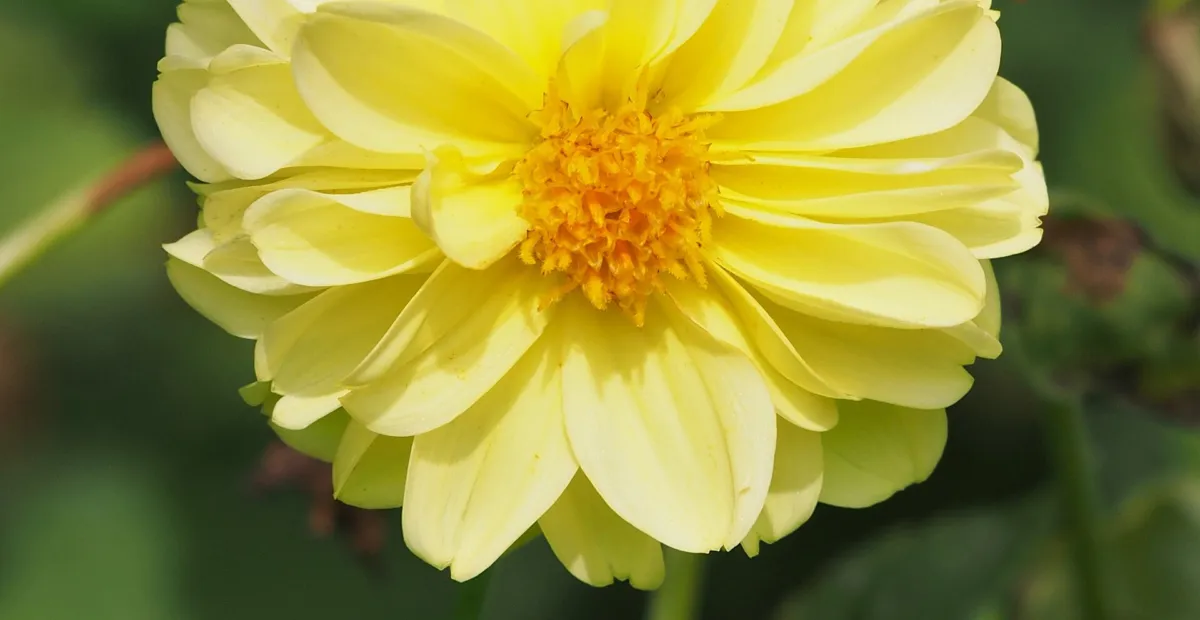
The plant has green, pinnately divided leaves and upright flowering stems arising from tuberous roots. The identifying feature is the small, highly regular, spherical pompon bloom made of tightly incurved florets. Flower color is commonly described as pale pink-purple, mauve, lavender, or lilac, with some variation caused by growing conditions and stage of opening.
Flowering
This cultivar produces fully double, globose pompon flowerheads composed of tightly incurved florets with no visible central disk. Blooming normally begins in summer and continues into fall, especially when spent flowers are removed. Flower production usually ends with hard frost.
Pollination and visitors
Dahlias can provide nectar and pollen for bees, bumblebees, butterflies, and other insects. However, the tightly double pompon structure of 'Franz Kafka' conceals the central disk, so access is more difficult than in open-centered dahlia forms. Attraction is therefore likely to be limited and should not be treated as a primary pollinator planting.
Dahlia 'Franz Kafka' photos
Click any photo for a larger view. Source, author and license are shown separately.
Diseases and pests
Diseases
Prevent disease by planting in well-drained soil, spacing plants for air circulation, watering at the soil line, and removing declining foliage. Watch for powdery mildew, gray mold, fungal leaf spots, crown or leafy gall, and virus diseases such as dahlia mosaic. Remove and discard badly infected plants rather than composting them.
Pests
Inspect new growth and flower buds for aphids, caterpillars, earwigs, slugs, thrips, capsid bugs, and spider mites. Hand-pick larger pests, use water spray or insecticidal soap where appropriate, protect young shoots from slugs, and avoid broad-spectrum insecticides when flowers are open. Good spacing and sanitation reduce recurring problems.
Related diseases and pests
Only Plant Doctor profiles whose host data indicate this plant may be affected are shown here.
 DiseaseCrown gallAgrobacterium tumefaciens (現在 commonly classified as Rhizobium radiobacter)
 DiseaseCucumber mosaic virusCucumber mosaic virus
 PestGreenhouse thripsHeliothrips haemorrhoidalis
 PestCyclamen mitePhytonemus pallidus
 PestJapanese beetlePopillia japonica
 PestCitrus mealybugPlanococcus citri
 DiseaseApple Proliferation Disease‘Candidatus Phytoplasma mali’
 DiseaseSouthern blightAthelia rolfsii
Toxicity and pollen
The ASPCA lists Dahlia species as toxic to dogs and cats, with the toxic principle not identified and reported effects generally involving mild gastrointestinal upset or mild dermatitis. Because cultivar-specific toxicology is not established, prevent pets from chewing the plant and seek veterinary advice after significant ingestion or symptoms.
- Typical season
- Usually summer through fall during bloom
- Pollination / pollen
- Mostly insect-carried pollen; limited independent airborne dispersal
Dahlia pollen is primarily associated with insect-pollinated flowers rather than large quantities of wind-dispersed pollen. Genus-level allergy references generally describe dahlias as having low allergenic significance, but sensitive people may still react through direct contact with flowers, foliage, or plant sap. Individual responses vary.
Native habitat
Dahlias originate from mountainous regions of Mexico and Central America, where wild relatives grow in seasonally warm environments with a distinct dry or cool period. The cultivated group is not native to the United States and performs best in warm, sunny conditions with fertile soil that drains well.
Interesting fact
The cultivar was introduced by K. Maarse Jr. of the Netherlands in 1974. Its flowerheads are classified as pompons or miniature balls and are typically about 2 inches across. The dense double flower structure makes the blooms less accessible to pollinators than open-centered dahlias.
Frequently asked questions (FAQ)
The most relevant questions about this plant, with short and direct answers.
🌱Quick care
What is Dahlia 'Franz Kafka'?⌄
Dahlia 'Franz Kafka' is a frost-tender, pompon-flowered dahlia cultivar with tightly rounded pink to lilac blooms. It is commonly grown for summer borders, containers, and cut flowers.
How tall does Dahlia 'Franz Kafka' grow?⌄
Dahlia 'Franz Kafka' commonly grows about 2.5 to 3.5 feet tall, although height varies with growing conditions and the supplier’s strain. Taller plants may need support.
How large are Dahlia 'Franz Kafka' flowers?⌄
The blooms are usually about 1 to 2 inches across, though some listings report flowers up to approximately 3 inches. The cultivar is valued for its small, formal, ball-like flower shape.
What color are Dahlia 'Franz Kafka' flowers?⌄
The flowers are generally described as pink, lilac-pink, lavender, or pink-purple. Color can vary with weather, plant maturity, and the particular growing stock.
🌤️Environment and placement
Does Dahlia 'Franz Kafka' need full sun?⌄
Yes, grow Dahlia 'Franz Kafka' in full sun for the strongest stems and best flowering. In very hot climates, a site with morning sun and light afternoon shade can help reduce heat stress.
Where should I plant Dahlia 'Franz Kafka'?⌄
Choose a sheltered, sunny location with fertile, humus-rich, well-drained soil. Protection from strong wind is useful because the stems can become tall and flower-heavy.
What soil is best for Dahlia 'Franz Kafka'?⌄
Use fertile, humus-rich loam or sandy loam that drains freely while retaining moderate moisture. Improve poor soil with compost, but avoid persistently wet ground that can rot the tubers.
Can Dahlia 'Franz Kafka' grow in a container?⌄
Yes, Dahlia 'Franz Kafka' can grow in a large container with drainage holes and rich, well-drained potting mix. Use a sturdy pot and provide support as the plant grows.
What USDA hardiness zones can grow Dahlia 'Franz Kafka' outdoors?⌄
Dahlia 'Franz Kafka' can be grown outdoors during the warm season in most of the United States, but its tubers are generally winter-hardy only in mild climates around USDA Zones 8–10. In colder zones, lift and store the tubers before hard freezing.
💧Care and problems
How often should I water Dahlia 'Franz Kafka'?⌄
Water deeply whenever the soil begins to dry, maintaining consistent moisture during active growth and flowering. Do not keep the soil soggy, and water at the base when possible to reduce foliar disease.
Should I fertilize Dahlia 'Franz Kafka'?⌄
Yes, apply a balanced or relatively low-nitrogen fertilizer during active growth according to the product label. Excess nitrogen can produce lush foliage with fewer or weaker flowers.
Does Dahlia 'Franz Kafka' need staking?⌄
Staking is recommended, especially in windy locations or when the plant grows taller than expected. Install a stake early and tie stems loosely as they develop to avoid damaging the tuber or roots later.
Should I pinch Dahlia 'Franz Kafka'?⌄
Pinch out the central growing tip when the plant is about 12 inches tall to encourage branching and more flowering stems. Pinching can delay the first flowers slightly but usually improves plant shape.
How do I deadhead Dahlia 'Franz Kafka'?⌄
Remove faded flowerheads regularly by cutting back to a strong leaf joint or side shoot. Deadheading prevents seed formation and encourages continued flowering until frost.
What pests affect Dahlia 'Franz Kafka'?⌄
Common pests include aphids, earwigs, caterpillars, slugs, and thrips. Inspect new growth and flower buds regularly, and use the least disruptive control appropriate for the pest.
Why is Dahlia 'Franz Kafka' not flowering?⌄
Poor flowering is most often caused by insufficient light, planting too early in cold soil, excessive nitrogen, drought, or immature tubers. Move or grow it in full sun, maintain even moisture, and allow warm conditions for active growth.
🪴Planting and repotting
When should I plant Dahlia 'Franz Kafka' tubers in the United States?⌄
Plant tubers outdoors after the danger of hard frost has passed and the soil has warmed to roughly 60°F. In colder regions, start tubers indoors several weeks earlier and transplant them carefully after frost danger.
How deep should I plant Dahlia 'Franz Kafka' tubers?⌄
Plant the tubers about 4 to 6 inches deep, with the crown or eyes facing upward when visible. Avoid watering heavily immediately after planting until shoots emerge, unless the soil is unusually dry.
How far apart should Dahlia 'Franz Kafka' plants be spaced?⌄
Space plants about 12 to 18 inches apart for cut-flower production, or farther apart if you want more air circulation and room for a larger plant. Follow the spacing recommendation supplied with the tuber when available.
Can I grow Dahlia 'Franz Kafka' from a potted plant?⌄
Yes, transplant a healthy potted plant after frost danger has passed, keeping the root ball intact. Water it in after planting and protect the young stems from wind while they establish.
✂️Propagation and pruning
How do I propagate Dahlia 'Franz Kafka'?⌄
Propagate Dahlia 'Franz Kafka' by dividing tubers or rooting basal cuttings from actively sprouting tubers. Each tuber division must include a viable crown section and at least one visible or developing eye.
When should I divide Dahlia 'Franz Kafka' tubers?⌄
Divide the tubers in late winter or early spring, before planting, when the eyes are easier to identify. Make clean cuts and discard soft, rotting, or damaged sections.
How do I overwinter Dahlia 'Franz Kafka' tubers?⌄
After frost blackens the foliage, cut the stems back, lift the tubers carefully, and let them dry under cover for about 24 to 48 hours. Store them labeled in a cool, dark, frost-free place around 40–50°F in a barely moist packing material.
Can Dahlia 'Franz Kafka' tubers stay in the ground over winter?⌄
They may survive outdoors in mild, well-drained areas around USDA Zones 8–10 with deep mulch and protection from prolonged freezing. In colder zones or heavy, wet soil, lifting and indoor storage is safer.
⚠️Toxicity and safety
Is Dahlia 'Franz Kafka' toxic to dogs and cats?⌄
Dahlia 'Franz Kafka' is generally regarded as low toxicity for pets, but eating plant material may still cause stomach upset. Contact a veterinarian or poison-control service if a pet develops persistent vomiting, diarrhea, or other concerning symptoms.
🌸Flowering and special interest
When does Dahlia 'Franz Kafka' bloom?⌄
Dahlia 'Franz Kafka' usually blooms from midsummer into fall, continuing until the first killing frost when conditions are favorable. Earlier planting and regular deadheading can extend the display.
Is Dahlia 'Franz Kafka' good for cut flowers?⌄
Yes, Dahlia 'Franz Kafka' is well suited to cutting because its small, formal blooms are useful in bouquets and arrangements. Cut stems when the flowers are mostly or fully open because unopened dahlia buds may not open after harvest.
How long do Dahlia 'Franz Kafka' flowers last in a vase?⌄
Cut flowers commonly last about 4 to 7 days in a vase with clean tools, fresh water, and cool indoor conditions. Recut the stems and change the water regularly to maximize vase life.
Why are my Dahlia 'Franz Kafka' flowers a different color than expected?⌄
Flower color can vary from season to season and may appear paler in strong heat, bright sun, or changing temperatures. If the form and foliage also differ substantially, mislabeling or a mixed tuber is possible.
Similar plants
 Yellow lantern chili (Capsicum chinense) care guideCapsicum chinense
 Capsicum baccatum care guideCapsicum baccatum
 Serrano (Capsicum annuum ‘Serrano’)Capsicum annuum 'Serrano'
 Purple Beauty (Capsicum annuum ‘Purple Beauty’)Capsicum annuum 'Purple Beauty'
 Numex Twilight (Capsicum annuum ‘Numex Twilight’)Capsicum annuum 'Numex Twilight'
 Explosive Ember Chili Pepper (Capsicum annuum ‘Explosive Ember’)Capsicum annuum 'Explosive Ember'