
 Source:
 Chives (Allium schoenoprasum) short overview
Chives are cold-hardy perennial herbs grown for their mild onion-flavored, hollow leaves and rounded lavender flower clusters. This compact Allium forms tidy clumps in sunny herb gardens, borders, rock gardens, containers, and patio planters. Keep the soil fertile but well drained, harvest leaves by cutting them near the base, and divide established clumps every few years to maintain vigor. The flowers are edible and attractive to pollinators, but the plant is toxic to dogs and cats.
Taxonomic classification
Chives (Allium schoenoprasum) care guide
Light and placement
Give chives six to eight hours of direct sun for the strongest growth and flowering; a south- or west-facing site is suitable, while light afternoon shade helps in hot climates. Plants tolerate partial shade but may become less vigorous and flower less. Sparse, floppy foliage usually indicates insufficient light; scorched leaf tips can signal intense heat combined with dry soil.
Watering and humidity
Water deeply when the upper soil begins to dry, keeping the root zone moderately and evenly moist rather than constantly saturated. Increase watering during hot, dry weather and reduce it during cool, rainy periods. Container plants dry faster and need more frequent checks. Good drainage is essential because wet soil can cause root rot.
Soil and growing medium
Use fertile, well-drained soil enriched with compost. Loam or amended sandy or clay soil works well if water does not remain around the bulbs. A slightly acidic to neutral reaction is suitable, with about pH 6.0–7.0 preferred. Avoid persistently wet sites, where root rot is more likely.
Feeding
Compost-rich soil often supplies enough nutrition. If repeated harvesting weakens plants, apply a light, balanced fertilizer in spring; avoid heavy feeding, which can produce softer growth and dilute flavor. Container plants may receive half-strength liquid fertilizer every four to six weeks during active growth, but do not fertilize in winter.
Growth and habit
This bulbous perennial forms dense, slowly expanding clumps from clustered underground bulbs. Regular harvesting keeps the foliage useful and tidy. Divide congested plants every three to four years, and remove spent flower stalks if preventing self-seeding or prioritizing leaf production is important.
Planting and repotting
Plant rooted divisions in spring after the danger of hard frost has passed, or in fall where plants can establish before the ground freezes. Set the crown at its previous depth and space clumps 6–12 inches apart. Water regularly during establishment, then maintain even moisture without waterlogging.
Repot container-grown chives when the clump fills the pot or the mix becomes compacted, ideally in spring. Divide the clump if needed, refresh the potting mix, and use a container with drainage holes. Keep the crown at the same depth and water thoroughly after transplanting.
Propagation and pruning
Propagation
Divide established clumps in spring or fall, separating the small bulbs and replanting them promptly. Chives can also be grown from seed: sow indoors about 8–10 weeks before the last frost or direct-sow outdoors after frost danger. Seed-grown plants may take longer to reach a harvestable size.
Pruning
Harvest leaves by snipping them near the base rather than removing only the tips. After flowering, cut spent scapes to the soil line if you want to limit self-seeding and maintain a productive clump. In late fall, foliage may be cut back after it yellows and dies naturally.
Overwintering
Chives are reliably winter hardy in much of the United States and usually need no special protection in the ground. Allow foliage to die back naturally, then remove old material if desired. Container plants are more exposed to freezing and thawing; place pots in a sheltered location or sink them into soil for insulation.
Uses
Use the fresh leaves in salads, eggs, soups, sauces, dips, compound butter, and other dishes; the edible flowers make mild onion-flavored garnishes. Chives also suit borders, rock gardens, containers, and pollinator plantings. Do not use them as pet-safe edible landscaping because the plant is toxic to dogs and cats.
Appearance
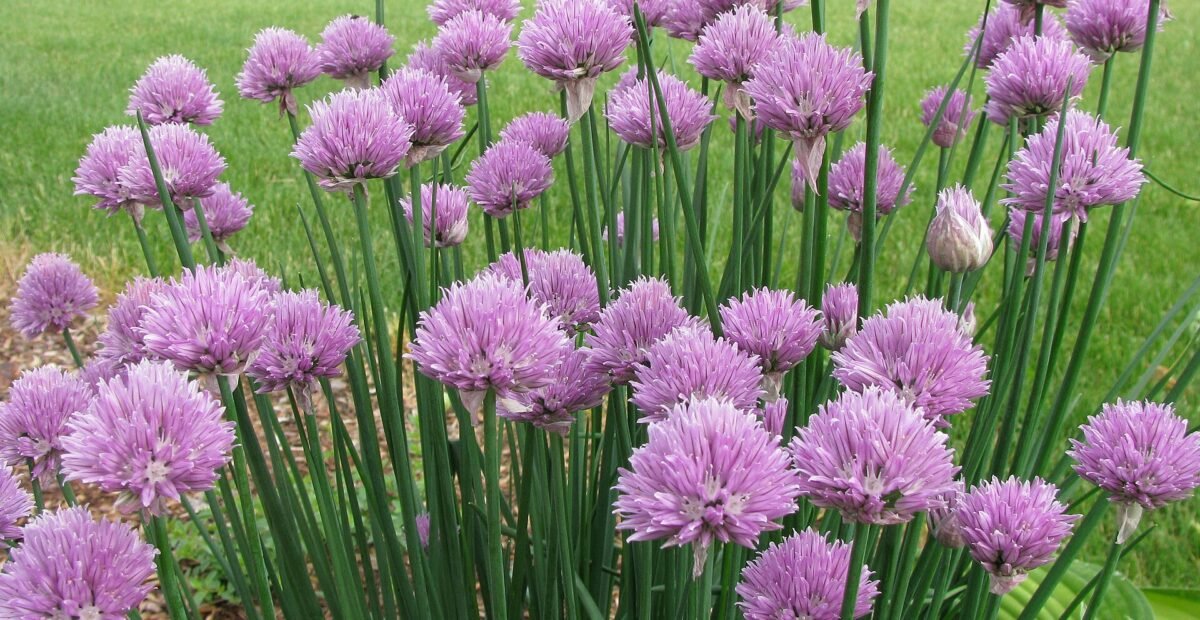
Chives form neat, dense clumps of upright, hollow, round leaves that resemble fine grass. The leaves emerge from small clustered bulbs and have a characteristic onion scent when crushed. Hollow flowering scapes rise above the foliage and carry rounded lavender umbels, making the plant easy to distinguish from flat-leaved garlic chives.
Flowering
Rounded umbels of small, star-shaped, pale purple to lavender flowers rise on hollow scapes above the foliage, usually in late spring and early summer. Flower heads can be harvested for garnish, or removed after blooming to reduce self-seeding and encourage continued leaf production.
Pollination and visitors
The lavender umbels produce abundant nectar and are documented as valuable pollinator flowers. Small bees, bumblebees, and hoverflies are characteristic visitors. Flower visitation supports pollination and adds spring-to-early-summer forage in herb and vegetable gardens.
Allium schoenoprasum photos
Click any photo for a larger view. Source, author and license are shown separately.
Diseases and pests
Diseases
The principal disease concern is root rot in poorly drained or chronically wet soil. Improve drainage, avoid overwatering, and divide congested clumps to improve air circulation. Remove badly affected plants and replant healthy divisions in fresh, well-drained soil.
Pests
Chives generally have few serious pest problems. Monitor crowded or stressed plants for onion-family pests such as thrips, and remove damaged foliage. Good spacing, weed control, steady moisture, and avoiding excessive nitrogen help prevent weak growth. Because the plant is toxic to dogs and cats, prevent pets from chewing leaves or pulling up bulbs.
Related diseases and pests
Only Plant Doctor profiles whose host data indicate this plant may be affected are shown here.
 DiseaseAllium rustPuccinia allii
 PestAllium leafminerPhytomyza gymnostoma Loew
 DiseaseOnion downy mildewPeronospora destructor
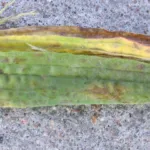 PestStem and Bulb NematodeDitylenchus dipsaci
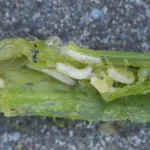 PestOnion MaggotDelia antiqua
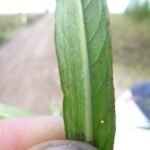 DiseasePurple BlotchAlternaria porri (Ellis) Ciferri
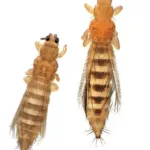 PestOnion thripsThrips tabaci Lindeman
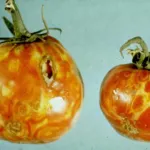 DiseaseTomato spotted wilt virusOrthotospovirus tomatomaculae (tomato spotted wilt virus; TSWV)
Toxicity and pollen
Chives are edible for people in ordinary culinary use, but Allium compounds can cause gastrointestinal or other adverse effects in sensitive individuals. Dogs and cats should not eat the plant: ingestion can damage red blood cells and may cause anemia. Keep clippings and potted plants away from pets and seek veterinary advice after suspected ingestion.
- Typical season
- Spring to early summer during bloom
- Pollination / pollen
- Insect-released pollen
Chives are insect-pollinated, so their pollen is not typically dispersed in large airborne clouds like wind-pollinated grasses or trees. Nevertheless, flowering plants can still affect highly sensitive individuals, and direct contact with flowers or handling cut stems may be more relevant than distant airborne exposure.
Native habitat
The species is native across temperate parts of the Northern Hemisphere, including northern North America, Europe, and Asia. It occurs in cool, open habitats such as meadows, rocky ground, and moist to moderately dry grasslands, generally in soils that drain well and are not permanently saturated.
Interesting fact
The species name combines Greek words associated with rush-like leaves and leek.
Each flower head is an umbel made of many small six-part flowers.
The leaves are hollow, tubular, and edible with a mild onion flavor.
Chives can self-seed when spent flower heads are left in place.
Flower heads can be used fresh as edible culinary garnishes.
Established clumps are easily divided every three to four years.
Frequently asked questions (FAQ)
The most relevant questions about this plant, with short and direct answers.
🌱Quick care
What is the best way to grow chives?⌄
Grow chives in full sun to partial shade, fertile well-drained soil, and moderate, consistent moisture. They are cold-hardy perennials that grow in garden beds or containers.
Are chives perennial or annual?⌄
Chives are cold-hardy perennial herbs that return from underground bulbs each spring. In cold climates, the foliage may die back in winter while the plant survives below ground.
How much sun do chives need?⌄
Chives grow best with about six to eight hours of direct sun daily, but they also tolerate partial shade. Plants in lighter shade may grow more slowly and flower less.
🌤️Environment and placement
Can chives grow in partial shade?⌄
Yes, chives can grow in partial shade, although full sun usually produces stronger growth and better yields. Provide bright light and avoid dense shade or persistently damp foliage.
What type of soil is best for chives?⌄
Use fertile, well-drained soil enriched with organic matter. Chives tolerate several soil types, but waterlogged soil can cause weak growth and root problems.
How often should chives be watered?⌄
Water chives when the soil begins to dry, keeping moisture moderate rather than constantly soggy. Established plants usually need extra water only during prolonged dry spells, while containers dry out faster.
Can chives grow indoors?⌄
Yes, chives grow indoors in a bright, sunny window or under a suitable grow light. Use a container with drainage holes and a well-drained potting mix, and expect slower growth during low-light winter conditions.
Can chives grow in containers?⌄
Chives grow well in containers as long as the pot has drainage holes and the soil drains freely. Container plants need more frequent watering than in-ground plants because their soil dries faster.
💧Care and problems
How do you care for chives?⌄
Keep chives in sun or partial shade, water when the soil starts to dry, and harvest the leaves regularly. Divide crowded clumps every few years to maintain vigor.
How often should chives be fertilized?⌄
Chives usually need little fertilizer when grown in fertile soil rich in organic matter. If repeated harvesting weakens the plant, apply a light, balanced fertilizer once in spring and avoid overfertilizing.
Why are my chives turning yellow?⌄
Yellow chive leaves commonly result from overwatering, poor drainage, aging foliage, or insufficient light. Check that the soil drains well, let the surface dry slightly between waterings, and remove damaged leaves.
Why are my chives floppy or thin?⌄
Floppy or thin chives may be receiving too little light, growing in overcrowded clumps, or lacking moisture during active growth. Move container plants to brighter light and divide established clumps when they become congested.
Do chives attract pests or suffer from diseases?⌄
Chives are generally low-maintenance and relatively resistant to pests and diseases. Excess humidity, poor air circulation, waterlogged soil, and overcrowding can increase the risk of fungal problems.
How do you harvest chives without killing the plant?⌄
Snip the hollow leaves close to the base, leaving the remaining clump intact. Harvesting regularly encourages fresh growth, but avoid removing all foliage from a newly planted or weak plant at once.
When should you harvest chives?⌄
Harvest chives whenever the leaves are actively growing and before they become tough. They are usually most flavorful when used fresh, although chopped leaves can also be frozen.
🪴Planting and repotting
When is the best time to plant chives?⌄
Plant rooted chive clumps in spring after the danger of severe frost has passed. In the United States, the exact timing depends on local climate, but spring is generally the easiest establishment period.
How far apart should chives be planted?⌄
Space chive plants about 6 to 12 inches apart to allow clumps to expand and improve air circulation. Closer spacing works for edging, but crowded plants should eventually be divided.
Can you plant chives from seed?⌄
Yes, chives can be started from seed, but seedlings are slower than rooted divisions and may take several weeks to reach transplant size. Sow in spring and keep the seed-starting mix evenly moist.
✂️Propagation and pruning
How do you divide chives?⌄
Lift an established clump in spring and separate it into smaller sections, keeping several bulbs and healthy roots in each division. Replant the divisions promptly in fertile, well-drained soil.
How often should chives be divided?⌄
Divide chives about every two to four years, or whenever the clump becomes crowded, weak, or less productive. Regular division rejuvenates the plant and provides additional clumps for replanting.
Should you cut chives back after flowering?⌄
Yes, cut chives back near the soil line after flowering to encourage fresh foliage and keep the clump tidy. Removing spent flower stalks also reduces unwanted self-seeding.
⚠️Toxicity and safety
Are chives toxic to dogs and cats?⌄
Yes, chives are toxic to dogs and cats if eaten. Ingestion can cause gastrointestinal signs and damage to red blood cells, so contact a veterinarian promptly if a pet consumes them.
Are chives safe for people to eat?⌄
Yes, chive leaves and flowers are commonly eaten by people as culinary herbs. They are best used fresh, and normal food portions are different from potentially harmful amounts consumed by pets.
Are chives the same as garlic chives?⌄
No, common chives are Allium schoenoprasum and have hollow, round leaves with pink to lavender flowers. Garlic chives are Allium tuberosum and typically have flat leaves, a stronger garlic flavor, and white flowers.
🌸Flowering and special interest
When do chives bloom?⌄
Chives typically bloom in late spring or early summer, producing rounded clusters of pink, lavender, or purple flowers. Bloom timing varies with climate and growing conditions.
Are chive flowers edible?⌄
Yes, chive flowers are edible and have a mild onion flavor. Separate the florets from the flower head and use them fresh as a garnish or in salads.
Do chive flowers attract bees and other pollinators?⌄
Yes, chive flowers provide nectar for bees and other pollinating insects. Leaving some flower stalks intact supports pollinators, while removing spent blooms helps limit self-seeding.
Should you remove chive flowers?⌄
Remove chive flowers after they fade if you want to prevent self-seeding and encourage fresh leaves. You can leave flowers during bloom for pollinators and harvest them while they are fresh.
Similar plants
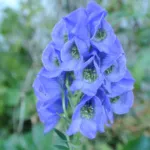 Azure Monkshood (Aconitum carmichaelii) care guideAconitum carmichaelii
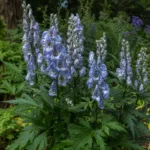 Monkshood (Aconitum ‘Stainless Steel’)Aconitum 'Stainless Steel'
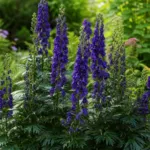 Monkshood (Aconitum ‘Bressingham Spire’)Aconitum 'Bressingham Spire'
 Golden full moon maple (Acer shirasawanum ‘Aureum’)Acer shirasawanum 'Aureum'
 Globosum (Acer platanoides ‘Globosum’)Acer platanoides 'Globosum'
 Striped maple (Acer pensylvanicum) care guideAcer pensylvanicum