
 Source:
 Ransoms (Allium ursinum) short overview
Ransoms is a spring-flowering bulbous perennial from moist European woodlands, valued for its broad, bright-green leaves, garlic fragrance and loose heads of white starry flowers. It grows best in organically rich, consistently moist soil beneath deciduous trees, where spring light reaches the ground before the canopy closes. The foliage disappears into summer dormancy, making this woodland allium especially useful for naturalistic shade gardens and seasonal groundcover.
Taxonomic classification
Ransoms (Allium ursinum) care guide
Light and placement
Plant beneath deciduous trees or on the north or east side of a building, where it receives bright spring light and dappled shade later. Morning sun is useful, but hot afternoon exposure can scorch leaves and dry the soil. Sparse, pale growth usually indicates inadequate light; limp or browned foliage suggests excessive sun or drought.
Watering and humidity
Keep the root zone evenly moist from emergence through flowering and seed development. Water deeply when the surface begins to dry, especially in containers and during spring droughts. Reduce watering after the foliage naturally yellows and dies back in early summer, but do not allow newly planted bulbs to dry completely before establishment.
Soil and growing medium
Use fertile woodland soil with abundant leaf mold or mature compost, good moisture retention and reliable drainage. Heavy clay should be improved with organic matter rather than left waterlogged. A mildly acidic, neutral or mildly alkaline reaction is tolerated. Avoid very dry, sharply sandy beds and compacted soil that restricts bulb growth.
Feeding
Spread a thin layer of finished compost or leaf mold around emerging plants in late winter or early spring. In poor soil, a balanced slow-release fertilizer can be used at label strength once growth begins. Do not overfeed after flowering or during summer dormancy; excess nitrogen can produce soft foliage and reduce natural woodland character.
Growth and habit
Plants emerge early, form seasonal colonies and flower before many tree canopies fully develop. After seed ripening, the leaves yellow and the plant retreats underground for summer dormancy. Allow colonies to expand naturally, but remove unwanted seedlings while young and keep vigorous groundcovers from smothering the leaves in spring.
Planting and repotting
Plant dormant bulbs in fall or set container-grown divisions in spring while foliage is present. Position bulbs in moist, fertile woodland soil at roughly three times the bulb’s height, then water thoroughly. Leave the planting undisturbed while roots establish. Mark the area because summer dormancy can make the planting appear empty.
Container-grown plants should be moved in fall or early spring before flowering. Use a deep container with drainage holes and a moisture-retentive, humus-rich mix. Repot only when crowded or when the substrate has deteriorated. After flowering, place containers in a cool shaded position and reduce watering as the foliage dies back.
Propagation and pruning
Propagation
Divide established clumps after flowering as foliage begins to decline or during dormancy, replanting bulbs immediately at their original depth. Seed can be sown fresh when capsules mature, but germination may be slow and uneven, with a possible extended juvenile period. Nursery bulbs and divisions are usually more predictable than dry stored seed.
Pruning
No routine pruning is needed. Let foliage remain until it yellows naturally so the bulbs can replenish reserves. Remove spent flower heads only if preventing seed spread is important; otherwise, allow capsules to mature for naturalization. Cut back fully dormant foliage at ground level once it has withered.
Overwintering
Established bulbs are naturally winter hardy in suitable climates and usually need no special protection. In colder areas, apply a light mulch of leaves after the ground freezes, keeping it loose and well drained. Containers are more exposed to freeze-thaw cycles; group them in a sheltered location or insulate the pot without keeping the dormant bulbs waterlogged.
Uses
Useful for naturalistic woodland beds, shaded borders, spring groundcover and pollinator-oriented gardens. Young leaves and flowers are used as a culinary allium in regions where the plant is grown or legally harvested, but correct identification is essential because toxic look-alikes occur. Never eat unidentified wild plants, and keep plant material away from pets.
Appearance
Each bulb produces broad, smooth, lance-shaped green leaves with a strong garlic scent when bruised. Slender, leafless flower stalks rise above the foliage and carry rounded clusters of small white, six-petaled flowers. The spring carpet, garlic aroma and summer disappearance are useful identification features, but do not identify wild plants by scent alone.
Flowering
Flowering usually occurs in mid to late spring, often before the surrounding deciduous canopy becomes dense. Numerous small flowers form a loose, rounded umbel above the leaves. Flowers are followed by small capsules containing dark seeds, and the foliage commonly declines soon after seed development.
Pollination and visitors
The open white umbels provide accessible pollen and nectar for visiting bees, bumblebees and hoverflies during the spring woodland flowering window. Early bloom can make the plant a useful seasonal resource before many summer perennials begin flowering.
Allium ursinum photos
Click any photo for a larger view. Source, author and license are shown separately.
Diseases and pests
Diseases
Good drainage, appropriate spacing and removal of collapsing foliage help reduce bulb and leaf diseases. Watch for soft bulbs, basal rot and leaf spotting, especially in persistently saturated soil. Remove affected plants, improve drainage and avoid replanting diseased bulbs. Water at the soil surface rather than keeping foliage wet for long periods.
Pests
Slugs and snails may graze emerging leaves, particularly in cool, wet spring weather. Hand-pick, improve airflow and remove hiding debris before using a proportionate control. Allium-associated fly or bulb-feeding damage is less common in garden plantings; discard badly damaged bulbs and avoid planting into contaminated soil.
Related diseases and pests
Only Plant Doctor profiles whose host data indicate this plant may be affected are shown here.
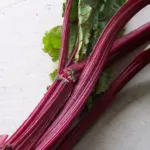
 DiseaseRhizopus soft rotRhizopus stolonifer
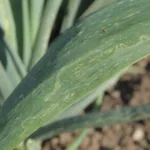
 DiseaseBacterial soft rotPectobacterium carotovorum
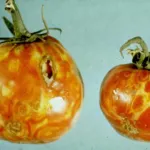
 PestAllium leafminerPhytomyza gymnostoma Loew
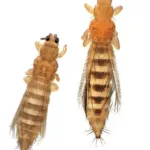
 DiseaseTomato spotted wilt virusOrthotospovirus tomatomaculae (tomato spotted wilt virus; TSWV)
 PestOnion thripsThrips tabaci Lindeman
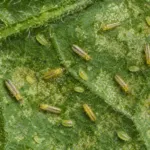 PestMelon thripsThrips palmi Karny
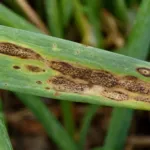 DiseaseStemphylium Leaf BlightStemphylium vesicarium (Wallr.) E.G. Simmons
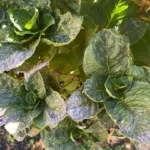 PestChilli thripsScirtothrips dorsalis Hood
Toxicity and pollen
Allium species contain sulfur compounds that can cause gastrointestinal irritation and, in sufficient quantities, red-blood-cell damage in dogs and cats. Risk depends on the amount consumed and the animal. Do not allow pets to eat leaves, bulbs, flowers or seed capsules. Human culinary use is established in some regions, but misidentification with poisonous woodland plants is a serious hazard.
- Typical season
- April–May in much of the United States where cultivated
- Pollination / pollen
- Insect-borne pollen released from exposed stamens
The flowers are insect-pollinated, so pollen is not typically released in large airborne clouds. Direct contact with flowers or handling plant material may still affect unusually sensitive people, and evidence specific to airborne allergy from this species is limited. The strong garlic odor comes from volatile sulfur compounds, not from pollen.
Native habitat
In its native range, ransoms occurs in damp deciduous woods, floodplain forests, shaded stream margins and other humus-rich habitats. It favors moist, fertile soils with a pronounced spring light period and summer shade. The species is a geophytic perennial, surviving unfavorable summer conditions as an underground bulb.
Interesting fact
Ransoms is a spring ephemeral: its leaves complete most above-ground growth before dense summer shade develops. Large colonies can create a strong garlic scent in woodland air. The species is primarily associated with moist, nutrient-rich deciduous forests and can spread from seed as well as by bulb division.
Frequently asked questions (FAQ)
The most relevant questions about this plant, with short and direct answers.
🌱Quick care
What are ransoms (Allium ursinum)?⌄
Ransoms are cold-hardy, bulb-forming perennial onions in the Amaryllidaceae family. They produce garlic-scented leaves in late winter or early spring, followed by white flowers and summer dormancy.
Is Allium ursinum easy to grow?⌄
Yes, Allium ursinum is generally easy to grow when planted in consistently moist, humus-rich soil with partial shade or shade. Its main management issue is vigorous spreading by rhizomes and seed.
Are ransoms the same as ramps?⌄
No, ransoms are Allium ursinum, while ramps in the United States usually refer to Allium tricoccum. They are related woodland onions, but they are different species with different native ranges and typical common names.
🌤️Environment and placement
What USDA hardiness zones can grow ransoms?⌄
Ransoms are generally suitable for USDA Zones 5–9, although local performance depends on soil moisture, winter exposure, and summer heat. They may need extra protection from drying conditions in warmer climates.
How much sun do ransoms need?⌄
Ransoms grow best in partial shade to shade, especially beneath deciduous trees or in a woodland-style bed. They can tolerate more sun if the soil stays reliably moist, but hot, dry exposure can cause stress.
Can ransoms grow under trees?⌄
Yes, ransoms are well suited to the ground beneath deciduous trees, where spring light is followed by summer shade. Choose a site with moist, fertile soil and avoid areas dominated by thirsty tree roots.
💧Care and problems
How often should I water ransoms?⌄
Water ransoms whenever the soil surface begins to dry so the root zone remains consistently moist. Reduce watering after the foliage naturally dies back in early summer, but do not let containers or newly planted bulbs dry completely.
Do ransoms need fertilizer?⌄
Ransoms usually do not need regular fertilizer when grown in fertile, humus-rich soil. A thin layer of compost in fall or after dormancy is generally more appropriate than high-nitrogen feeding.
Why are my ransoms turning yellow?⌄
Ransoms commonly turn yellow and die back after flowering as they enter summer dormancy. Yellowing earlier in the season may indicate drought, excessive heat, poor drainage, disease, or natural stress from a newly planted bulb.
Do ransoms die back in summer?⌄
Yes, the leaves of ransoms normally die back after flowering, and the plant remains dormant through much of summer. Mark the planting area so the bulbs are not disturbed while they are underground.
Why are my Allium ursinum leaves not appearing?⌄
Allium ursinum may emerge late after a harsh winter, especially when planted recently or grown in a cooler site. If it fails to return, check for dried or rotted bulbs, animal disturbance, poor drainage, or accidental removal during dormancy.
Do ransoms spread aggressively?⌄
Yes, ransoms can spread substantially through rhizomes and self-seeding, eventually forming dense colonies or carpets. Plant them where naturalizing is welcome, or remove seed heads and divide clumps to limit expansion.
How do I stop Allium ursinum from spreading?⌄
Limit spread by growing Allium ursinum in a contained bed, removing developing seed heads, and dividing or removing unwanted bulbs during dormancy. Monitor the planting because small colonies can expand significantly over several seasons.
🪴Planting and repotting
What soil is best for Allium ursinum?⌄
Use humus-rich, moisture-retentive but well-drained loam for Allium ursinum. Improve heavy clay with organic matter and drainage materials, because persistent waterlogging can cause bulb or root rot.
Can Allium ursinum grow in containers?⌄
Yes, ransoms can grow in a deep container with rich, well-drained potting mix and regular moisture. Use a container with drainage holes and monitor it closely because containers dry out faster than garden soil.
When should I plant ransoms?⌄
Plant dormant bulbs in fall, several weeks before the ground freezes, or plant actively growing divisions in early spring. Handle the bulbs carefully and set them at the depth recommended by the supplier.
How deep should Allium ursinum bulbs be planted?⌄
Plant Allium ursinum bulbs at approximately two to three times their height, with the pointed growing tip facing upward. Follow the supplier’s instructions when available because bulb size and planting stock can vary.
✂️Propagation and pruning
How do you propagate ransoms?⌄
Ransoms can be propagated by seed or by dividing established bulbs and rhizomatous clumps. Division is usually the quicker way to create flowering-size plants, while seed-grown plants may take several years to mature.
Can I grow Allium ursinum from seed?⌄
Yes, ransoms can be grown from fresh seed, but germination and maturity may be slow. Sow seed promptly when ripe or follow the supplier’s instructions, and expect seedlings to require more than one growing season before becoming substantial plants.
Should I prune ransoms?⌄
Routine pruning is unnecessary for ransoms. Allow the leaves to remain until they yellow naturally, then remove only fully dead foliage if desired; cutting healthy leaves too early reduces energy returned to the bulbs.
⚠️Toxicity and safety
Can you eat Allium ursinum?⌄
Yes, correctly identified ransoms have edible leaves, flowers, and bulbs that can be eaten raw or cooked. Never eat a wild plant unless its identity is certain, because ransoms can resemble highly poisonous species such as lily-of-the-valley.
How can I identify ransoms safely before eating them?⌄
Ransoms have a distinct garlic or onion scent when the foliage is crushed, but scent alone should not replace expert identification. Compare multiple traits, including leaf form, growth habit, flowers, and location, and do not harvest plants that could be confused with lily-of-the-valley.
Are ransoms poisonous to dogs and cats?⌄
Ransoms should be treated as toxic to dogs and cats if eaten, because they are Allium plants. Keep pets away from the planting and contact a veterinarian or animal poison service promptly if ingestion occurs.
Are ransoms invasive in the United States?⌄
Ransoms can spread vigorously in suitable gardens, particularly in moist, shaded soils, although their invasive status varies by location. Check local or state plant guidance before planting and avoid placing them near natural areas if spread is a concern.
🌸Flowering and special interest
When do ransoms flower?⌄
Ransoms usually flower in spring, commonly from April through June depending on climate and growing conditions. The small white, star-shaped flowers appear on leafless stems after the garlic-scented foliage emerges.
Are ransoms good for pollinators?⌄
Yes, the spring flowers of ransoms provide nectar and pollen for bees and other pollinators. Their early bloom can be especially useful before many summer perennials begin flowering.
Similar plants
 Azure Monkshood (Aconitum carmichaelii) care guideAconitum carmichaelii
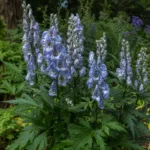 Monkshood (Aconitum ‘Stainless Steel’)Aconitum 'Stainless Steel'
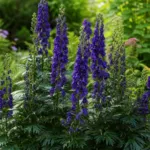 Monkshood (Aconitum ‘Bressingham Spire’)Aconitum 'Bressingham Spire'
 Golden full moon maple (Acer shirasawanum ‘Aureum’)Acer shirasawanum 'Aureum'
 Globosum (Acer platanoides ‘Globosum’)Acer platanoides 'Globosum'
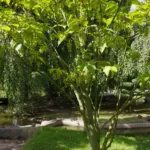 Striped maple (Acer pensylvanicum) care guideAcer pensylvanicum