
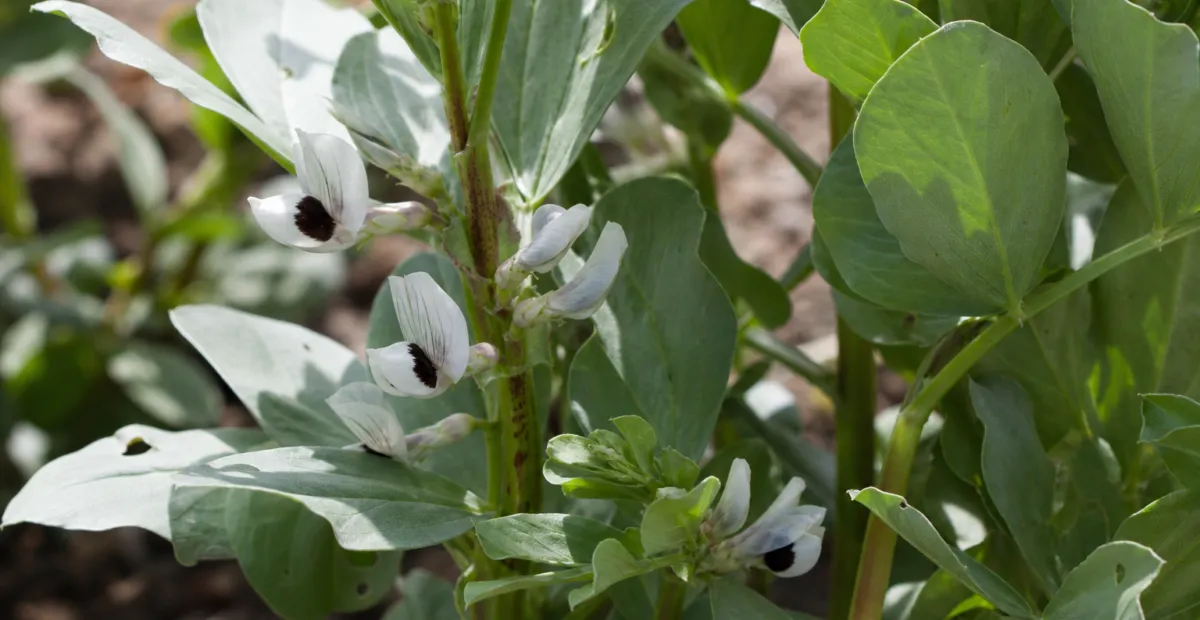
 AI-generated illustration
Broad Bean (Vicia faba) short overview
Broad Bean is a cool-season annual legume grown for its substantial edible seeds, nitrogen-fixing roots, and distinctive white flowers marked with dark maroon or violet-black patches. Plants form sturdy, upright stems with glaucous compound leaves and long, fleshy pods. In U.S. gardens, sow it in early spring or fall where winters are mild, giving it full sun, fertile soil, and steady moisture. A cool-season annual legume cultivated for edible seeds, green manure, animal feed, and its bee-visited flowers.
Taxonomic classification
Broad Bean (Vicia faba) care guide
Light and placement
Grow in an open bed receiving at least 6 hours of direct sun, preferably with morning-to-afternoon exposure and shelter from strong winds. Insufficient light produces lankier stems and fewer pods. Excessive heat, especially during flowering, can reduce pod set; in hot-summer areas, use an early or fall planting rather than afternoon shade as the main strategy.
Watering and humidity
Keep soil evenly moist from germination through pod filling, watering deeply when the top inch begins to dry. Do not allow repeated drought during flowering or seed development. Reduce watering as pods mature, but do not let plants wilt severely. Avoid frequent overhead irrigation because dense foliage and cool conditions can encourage foliar disease.
Soil and growing medium
Use fertile soil that holds moisture without becoming waterlogged. Loam amended with mature compost is suitable; compacted clay should be loosened and improved with organic matter, while very sandy soil needs additional moisture-holding material. A near-neutral pH supports growth and nutrient availability. Good drainage is essential because saturated roots are vulnerable to rot.
Feeding
Mix compost into the planting area before sowing. Broad Bean fixes atmospheric nitrogen through root nodules, so routine high-nitrogen feeding can produce excessive foliage and weaker pod production. If growth is poor in a depleted bed, use a balanced fertilizer at label strength after establishment, but do not fertilize dry or waterlogged soil.
Growth and habit
Plants are erect and often branch from the base, with either determinate or indeterminate cultivars. Stems can become top-heavy when heavily podded, particularly in exposed sites. Tall selections benefit from short stakes, a low support line, or tied rows. Pinching the growing tips after the lowest pods begin filling can help manage height and may reduce late-season aphid pressure.
Planting and repotting
Direct-sow large seeds rather than transplanting whenever possible. Plant 1–2 inches deep in soil around 42–70°F, spacing plants about 8–10 inches apart. Inoculating seed with a compatible vetch-group Rhizobium strain may improve nodulation where related legumes have not recently grown. Keep the seedbed evenly moist until emergence, and support tall cultivars before pods become heavy.
Container plants can be moved only while young and before roots fill the pot. Use a deep container with drainage holes and a fertile, free-draining potting mix. Because plants become top-heavy and produce substantial roots, choose a large final container rather than relying on repeated up-potting.
Propagation and pruning
Propagation
Propagate by direct sowing seed in early spring or fall. Sow large seed 1–2 inches deep in cool soil and keep it evenly moist during germination. Seed inoculation with a suitable vetch-group Rhizobium strain can help nodulation in new ground. Transplanting is possible when plants are very young but often disturbs the root system.
Pruning
Pruning is not required. Pinch or cut the shoot tips after lower pods have begun filling if plants are tall, aphid-prone, or difficult to support. Remove spent plants after the final harvest unless they are being used as a cover crop; chop and compost healthy residues rather than leaving diseased foliage in place.
Overwintering
In mild-winter regions, fall-sown plants can overwinter outdoors with mulch and wind protection. Use a cold-tolerant cultivar and avoid saturated winter soil. In colder regions, grow as an early-spring annual or protect young plants with frost cloth during brief freezes; hard freezes can damage flowers and stems.
Uses
The young seeds and mature beans are used as vegetables, while smaller-seeded forms are used for livestock feed, cover cropping, and green manure. Plants contribute biologically fixed nitrogen and useful organic matter when incorporated. Harvest only properly prepared edible seeds, and do not treat the crop as medicinal. People with G6PD deficiency should avoid fava beans unless their clinician gives specific advice.
Appearance
The plant has stout, square to somewhat hollow stems and fleshy, blue-green compound leaves with two to six broad leaflets. Unlike many vetches, it lacks tendrils. Short racemes carry large pea-shaped flowers, usually white with a dark maroon or violet-black wing marking. Thick, elongated pods contain large, flattened seeds.
Flowering
The flowers are arranged in short clusters and have the typical banner, wing, and keel structure of pea-family blossoms. Flowering generally begins after several weeks of cool-season growth. Plants are self-fertile, but visits by bees can improve cross-pollination, pod set, and seed yield. Heat during bloom may shorten flowering and reduce successful pod formation.
Pollination and visitors
Broad Bean flowers are visited by honey bees, bumblebees, and solitary bees. Bumblebees are particularly effective at depressing the keel and transferring pollen, while honey bees can provide substantial visitation. The crop is self-fertile but commonly benefits from insect-mediated cross-pollination and improved seed set.
Vicia faba photos
Click any photo for a larger view. Source, author and license are shown separately.
Diseases and pests
Diseases
Chocolate spot, rust, downy mildew, powdery mildew, and root rots may occur, especially in crowded or persistently wet plantings. Prevent problems with clean seed, crop rotation, full sun, adequate spacing, weed control, and drip irrigation. Remove heavily diseased foliage promptly and avoid working among wet plants. Do not compost severely diseased residues.
Pests
Aphids commonly cluster on shoot tips and flowers; broad bean weevil, thrips, leaf miners, and pod or seed pests may also occur. Inspect new growth regularly, encourage predatory insects, and use a strong water spray for light aphid infestations. Remove badly infested tips, maintain plant vigor, and use only products labeled for edible crops when intervention is necessary.
Related diseases and pests
Only Plant Doctor profiles whose host data indicate this plant may be affected are shown here.
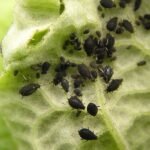 PestBlack Bean AphidAphis fabae
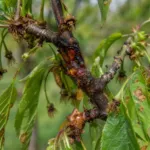 DiseaseBacterial blight and cankerPseudomonas syringae pv. syringae
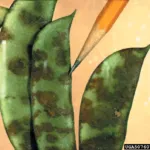 DiseaseBean AnthracnoseColletotrichum lindemuthianum
 DiseaseFava Bean Chocolate SpotBotrytis fabae
 DiseaseBean yellow mosaicBean yellow mosaic virus
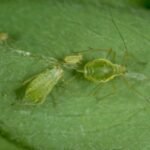 PestBorsó-levéltetűAcyrthosiphon pisum
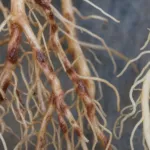 PestRoot-lesion nematodePratylenchus penetrans (Cobb) Filipjev & Schuurmans Stekhoven
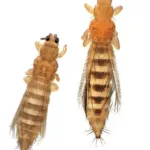 PestOnion thripsThrips tabaci Lindeman
Toxicity and pollen
Seeds contain vicine and convicine, compounds that can trigger acute hemolytic anemia, known as favism, in susceptible people with glucose-6-phosphate dehydrogenase deficiency. Reactions can follow eating the beans and, in sensitive individuals, inhaling flower pollen. This is not a general poisoning risk for everyone, but people with known or possible G6PD deficiency should avoid exposure and seek medical guidance.
- Typical season
- Typically late winter through spring in U.S. fall-sown or early-spring crops
- Pollination / pollen
- Heavy, insect-carried pollen; some pollen can become airborne during flowering
Broad Bean produces pollen during flowering, and exposure is mainly associated with close contact with blooming plants rather than widespread wind dispersal. In people with G6PD deficiency, inhaling fava pollen has been reported as a route to favism. This condition is distinct from ordinary seasonal pollen allergy; people with respiratory or blood-related concerns should discuss exposure with a clinician.
Native habitat
The species is a cultivated annual of open, temperate and Mediterranean-type environments rather than a typical woodland plant. It performs best in cool growing seasons, fertile mineral soils, and sites with reliable moisture but no standing water. It is widely grown as a food, feed, cover, and rotation crop, and may occasionally escape cultivation without generally being considered a major U.S. weed.
Interesting fact
Broad Bean is one of the oldest domesticated grain legumes. Its roots form nitrogen-fixing nodules with Rhizobium bacteria. The species has unusually large seeds for a vetch relative. Cultivars range from large-seeded vegetable types to small-seeded field and feed forms. Its flowers can set seed autonomously, yet bee visits often improve yield.
Frequently asked questions (FAQ)
The most relevant questions about this plant, with short and direct answers.
🌱Quick care
What is Vicia faba called in the United States?⌄
Vicia faba is documented here as Broad Bean. In the United States, gardeners may also encounter the names fava bean, Windsor bean, horse bean, and faba bean.
Is Broad Bean easy to grow?⌄
Yes, Broad Bean is generally easy to grow when planted during cool weather. It needs fertile, well-drained soil, steady moisture, and protection from extreme heat and hard freezes.
Is Broad Bean an annual or perennial plant?⌄
Broad Bean is normally grown as an annual vegetable or cover crop. In mild climates it may grow through winter, but it is usually replanted each season.
🌤️Environment and placement
How much sun does Broad Bean need?⌄
Broad Bean grows best in full sun, ideally with at least 6 hours of direct sunlight daily. In hot regions, some afternoon protection can help extend flowering and pod set.
What temperatures are best for growing Broad Bean?⌄
Broad Bean prefers cool growing conditions, with ideal growth generally occurring around 65–85°F. Temperatures above about 90°F can restrict flowering, pod development, and yields.
Can Broad Bean survive frost?⌄
Broad Bean seedlings tolerate light frost, but hard freezes can damage or kill them. Use a frost cloth, cloche, or other protection during unusually cold weather, especially for young plants.
Where should I plant Broad Bean in the United States?⌄
Plant Broad Bean in a sunny, sheltered location during the coolest practical part of the growing season. In hot-summer areas, grow it as a fall-to-spring crop; in cooler areas, sow it in early spring.
What type of soil does Broad Bean need?⌄
Broad Bean prefers fertile, moist but well-drained loam. Avoid waterlogged or strongly acidic soil, and incorporate compost before planting to improve fertility and drainage.
💧Care and problems
How often should I water Broad Bean?⌄
Water Broad Bean deeply whenever the soil begins to dry, maintaining moderate and steady moisture. Pay particular attention during flowering and pod filling, when drought can sharply reduce the crop.
Does Broad Bean need fertilizer?⌄
Broad Bean usually needs only fertile soil and moderate feeding because it is a nitrogen-fixing legume. Avoid heavy nitrogen applications, which can produce excessive leaves and fewer pods.
Does Broad Bean need staking or support?⌄
Short Broad Bean varieties often support themselves, but tall plants may lean when loaded with pods. Stake or corral them with twine, especially in windy locations.
Why are my Broad Bean leaves covered with black insects?⌄
Black bean aphids, also called blackfly, commonly cluster on Broad Bean shoot tips and flowers. Remove heavily infested tips after the first pods form, or use a product labeled for edible crops according to its instructions.
Should I pinch out the tops of Broad Bean plants?⌄
Pinching out the growing tips after the lowest pods begin forming may reduce aphid buildup and can improve harvest access. The practice is useful but may not prevent every infestation.
What causes brown or chocolate-colored spots on Broad Bean leaves?⌄
Dark brown or chocolate-colored spots may indicate broad bean chocolate spot, a fungal disease favored by damp conditions and poor airflow. Remove badly affected foliage, avoid overhead watering, and provide adequate spacing.
Why do Broad Bean flowers fall off without producing pods?⌄
Broad Bean flowers may fail to set pods when temperatures become too hot, plants experience drought, or flowering occurs under stressful conditions. Sow early enough to keep flowering in cool weather and maintain even soil moisture.
🪴Planting and repotting
When should I plant Broad Bean?⌄
Plant Broad Bean in early spring as soon as the soil is workable in cooler climates, or in fall where winters are mild and the cultivar is winter hardy. Exact timing should be adjusted to local frost dates and expected summer heat.
How deep should Broad Bean seeds be planted?⌄
Plant Broad Bean seeds about 1–2 inches deep in prepared soil. Space them roughly 3–6 inches apart, then thin or transplant if necessary according to the variety’s mature size.
Can Broad Bean be grown in containers?⌄
Yes, dwarf Broad Bean varieties can be grown in containers. Use a deep container with drainage holes, fertile potting mix, regular watering, and support if the plants become top-heavy.
Can I transplant Broad Bean seedlings?⌄
Yes, Broad Bean seedlings can be started in individual pots and transplanted while young. Transplant carefully because disturbing the roots can slow establishment, and harden plants before moving them outdoors.
✂️Propagation and pruning
How do you propagate Broad Bean?⌄
Broad Bean is propagated from seed. Direct sowing is usually simplest, although seeds can be started in individual containers when soil is poorly drained or outdoor conditions are unfavorable.
Can Broad Bean be used as a cover crop?⌄
Yes, Broad Bean can be grown as a cover crop or green manure. Its legume roots form nitrogen-fixing associations, and incorporating the plants after growth can contribute organic matter and nitrogen to the soil.
⚠️Toxicity and safety
Can Broad Bean seeds be eaten raw?⌄
Raw Broad Bean seeds are not appropriate for everyone and may cause serious reactions in susceptible people. Fully cook the beans before eating, particularly if you or someone in your household may have G6PD deficiency.
Who should avoid Broad Bean?⌄
People with glucose-6-phosphate dehydrogenase deficiency, commonly called G6PD deficiency, should avoid Broad Bean unless their medical professional says otherwise. Both eating the beans and, rarely, exposure to pollen can trigger favism in susceptible individuals.
What is favism from Broad Bean?⌄
Favism is a potentially severe breakdown of red blood cells triggered by Broad Bean in some people with inherited G6PD deficiency. Seek urgent medical care for jaundice, marked weakness, dark urine, shortness of breath, or other concerning symptoms after exposure.
Are Broad Bean plants toxic to pets?⌄
Broad Bean seeds can be harmful to some animals if eaten in large amounts, and veterinary risk depends on the species and quantity consumed. Keep seed packets and large quantities of raw beans away from pets and contact a veterinarian if ingestion occurs.
🌸Flowering and special interest
When should I harvest Broad Bean pods?⌄
Harvest Broad Bean pods when they are plump and green but before the seeds become large and tough. Pick frequently, because regular harvesting encourages the plant to continue producing pods.
Can you eat Broad Bean pods and shoots?⌄
Yes, very young Broad Bean pods may be cooked and eaten whole, and tender shoot tips can be used like spinach. Older pods are usually shelled because their skins become fibrous.
Do Broad Bean flowers need pollination from another plant?⌄
Broad Bean is generally self-fertile, so one plant can produce pods without a second plant. Cool, stable weather and active pollinators can still improve flower performance and pod set.
How long does Broad Bean take to produce a harvest?⌄
Broad Bean commonly needs about four to five months from sowing to harvest, although timing varies by cultivar, climate, and whether it is grown as a fall or spring crop. Hot weather can shorten the productive period.
Similar plants
 Azure Monkshood (Aconitum carmichaelii) care guideAconitum carmichaelii
 Monkshood (Aconitum ‘Stainless Steel’)Aconitum 'Stainless Steel'
 Monkshood (Aconitum ‘Bressingham Spire’)Aconitum 'Bressingham Spire'
 Golden full moon maple (Acer shirasawanum ‘Aureum’)Acer shirasawanum 'Aureum'
 Globosum (Acer platanoides ‘Globosum’)Acer platanoides 'Globosum'
 Striped maple (Acer pensylvanicum) care guideAcer pensylvanicum