
Bean common mosaic
Bean common mosaic virus (BCMV; Potyvirus phaseovulgaris)Bean common mosaic overview
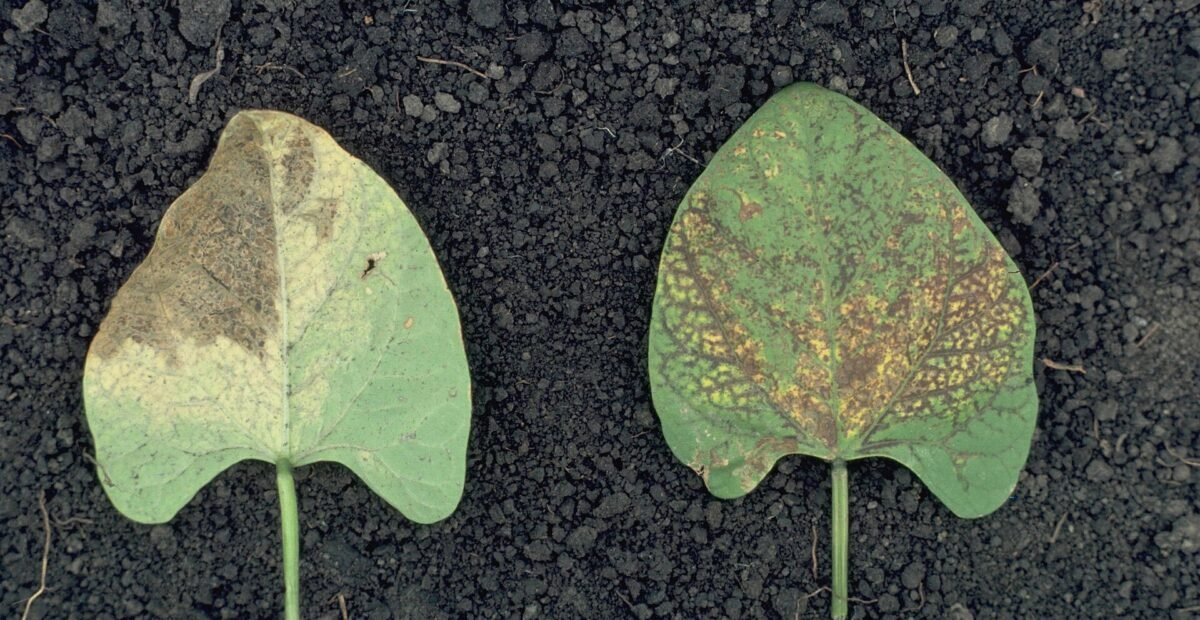
Bean common mosaic is a virus disease of beans that produces light- and dark-green mosaic patterns, leaf puckering, curling, distortion and plant stunting. It is commonly introduced on infected seed and can spread rapidly when aphids probe infected and healthy plants. Symptoms overlap with other bean viruses, especially bean common mosaic necrosis virus, so laboratory testing may be needed for a firm diagnosis.
Typical conditions
Overview
Bean common mosaic virus (BCMV) infects beans systemically and is most important in common bean, Phaseolus vulgaris. Susceptible plants commonly develop alternating light-green, yellow-green and dark-green areas on trifoliate leaves. Young infections may cause strong distortion, reduced growth, poor pod set and smaller seeds.
BCMV should not be diagnosed from mosaic alone. Bean common mosaic necrosis virus (BCMNV), bean yellow mosaic virus, cucumber mosaic virus and other disorders may look similar. Variety resistance genes, serological testing such as ELISA, or molecular testing such as RT-PCR may be needed when the diagnosis affects seed saving, breeding or crop management.
Symptoms and identification
- Irregular light- and dark-green mosaic or mottling on primary and trifoliate leaves.
- Vein clearing or banding, puckering, blistering, wrinkling, downward curling and rolling of leaves.
- Distorted young leaves and shortened internodes; plants infected early may be markedly stunted.
- Reduced flowering, pod set, seed size and yield, with occasional pod discoloration.
- Some infected plants or cultivars may show mild symptoms or little visible symptom expression while still serving as virus sources.
Severe vein necrosis, rapid wilting and death on cultivars carrying the dominant I gene are more suggestive of BCMNV or a related necrotic reaction than ordinary BCMV, but necrosis alone is not diagnostic.
Causes and spread
The causal agent is Bean common mosaic virus, a positive-sense single-stranded RNA virus in the family Potyviridae and genus Potyvirus. In the United States, the two major routes of introduction and spread are infected seed and aphids.
- Seed transmission: infected parent plants can produce infected seed, allowing the disease to appear in seedlings before aphid activity is obvious.
- Aphid transmission: several aphid species can transmit BCMV in a nonpersistent manner. Aphids may acquire and transmit the virus during brief feeding probes, so insecticides generally cannot prevent every transmission event.
- Plant-to-plant contact: sap movement on hands, clothing, tools or rough handling may contribute, although aphid and seed transmission are usually more important.
- Reservoirs: infected volunteer beans and susceptible legume weeds or nearby legume crops can help maintain inoculum.
Life cycle and persistence
BCMV can pass from an infected seed embryo into the emerging seedling, producing early mosaic, leaf deformation or stunting. Infected plants then become sources for aphids. An aphid probing an infected leaf can acquire virus particles and transmit them during subsequent brief probes on healthy beans. The virus moves locally through cells and systemically through the plant’s vascular system, with symptoms often becoming most visible in expanding young leaves.
Infection severity depends on the viral strain, bean cultivar resistance genes, plant age at infection and temperature. Cultivars carrying the dominant I gene are generally resistant to BCMV strains but can show hypersensitive necrosis when infected with compatible BCMNV strains. Because symptoms and host reactions overlap, confirmatory testing is preferable for unusual or severe cases.
Treatment and control
There is no curative treatment that removes BCMV from an infected plant. Remove and dispose of plants that are clearly symptomatic, particularly young plants that are unlikely to produce a worthwhile crop. In larger plantings, rogueing is most useful when done early and combined with clean seed and resistant cultivars.
Do not rely on aphid insecticides as a stand-alone cure or guaranteed prevention: nonpersistent transmission can occur before an insecticide kills or repels the aphid. If diagnosis is uncertain, submit symptomatic tissue to a university plant diagnostic laboratory or other qualified laboratory for ELISA or molecular testing. Avoid saving seed from the affected planting.
Low-impact and biological control
Organic management is primarily preventive and cultural. Use organically produced certified or tested seed when available, choose resistant cultivars, remove symptomatic plants promptly, control volunteer beans and broadleaf legume weeds, and use reflective mulch to reduce aphid landing. Maintain good crop separation and sanitation, but do not expect soaps, oils or general insecticides to cure virus-infected plants or reliably stop nonpersistent aphid transmission. Preserve beneficial aphids’ natural enemies by avoiding unnecessary broad-spectrum sprays.
Prevention
- Plant certified, tested, disease-free seed from a reputable U.S. supplier; do not save seed from symptomatic plants.
- Select cultivars with documented BCMV resistance genes suited to the local production region. Resistance is strain-specific, so consult current seed descriptions and regional extension recommendations.
- Remove volunteer beans and manage susceptible legume weeds around the planting.
- Scout seedlings and young growth frequently. Remove plants with consistent mosaic and severe distortion before they become major virus sources; bag or dispose of them rather than placing them in home compost.
- Keep successive bean plantings separated from older infected plantings when practical.
- Wash hands and clean tools after handling symptomatic plants, especially when working with many cultivars or saving seed.
- Use reflective mulch where appropriate to reduce or delay aphid landing and probing; it is not a complete barrier.
Interesting facts
- BCMV and BCMNV were once treated as strains within one disease complex but are now recognized as distinct potyvirus species.
- The same visible mosaic can be caused by BCMV or BCMNV in bean cultivars lacking the dominant I gene.
- Some resistant bean lines carry the dominant I gene, while other resistance genes, including recessive genes, are also used in breeding.
- BCMV has a documented host range extending beyond common bean into several other legume genera, but susceptibility and symptom expression vary among virus isolates and host genotypes.
- Seed transmission makes clean seed especially important: a crop can begin with infected plants even when no vector population is yet apparent.
No pesticide cures an infected plant or reliably prevents BCMV transmission after aphids begin probing. Use chemical products only when they are legally authorized for the specific crop and problem in your country, and always follow the current product label, state requirements, reentry interval and preharvest interval. In the United States, verify registration and crop use through the current label and applicable state guidance; do not use a product based solely on a recommendation for another virus or crop.
Affected plants
The plants below are linked to this problem by structured host-plant data. The list updates automatically as new plant profiles are added.
 Moth Bean (Vigna aconitifolia) care guideVigna aconitifolia
 Azuki Bean (Vigna angularis) care guideVigna angularis
 Black Gram (Vigna mungo) care guideVigna mungo
 Mung Bean (Vigna radiata) care guideVigna radiata
 Creole-bean (Vigna reflexopilosa) care guideVigna reflexopilosa
 Rice Bean (Vigna umbellata) care guideVigna umbellata
 He tepary bea (Phaseolus acutifolius) care guidePhaseolus acutifolius
 Snap bean (Phaseolus coccineus) care guidePhaseolus coccineus
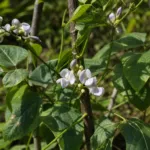 Butter bea (Phaseolus lunatus) care guidePhaseolus lunatus
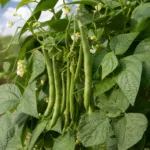 String Bean (Phaseolus vulgaris) care guidePhaseolus vulgaris
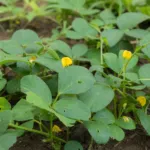 Vigna subterranea care guideVigna subterranea
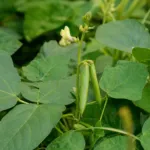 Cowpea (Vigna unguiculata) care guideVigna unguiculata