
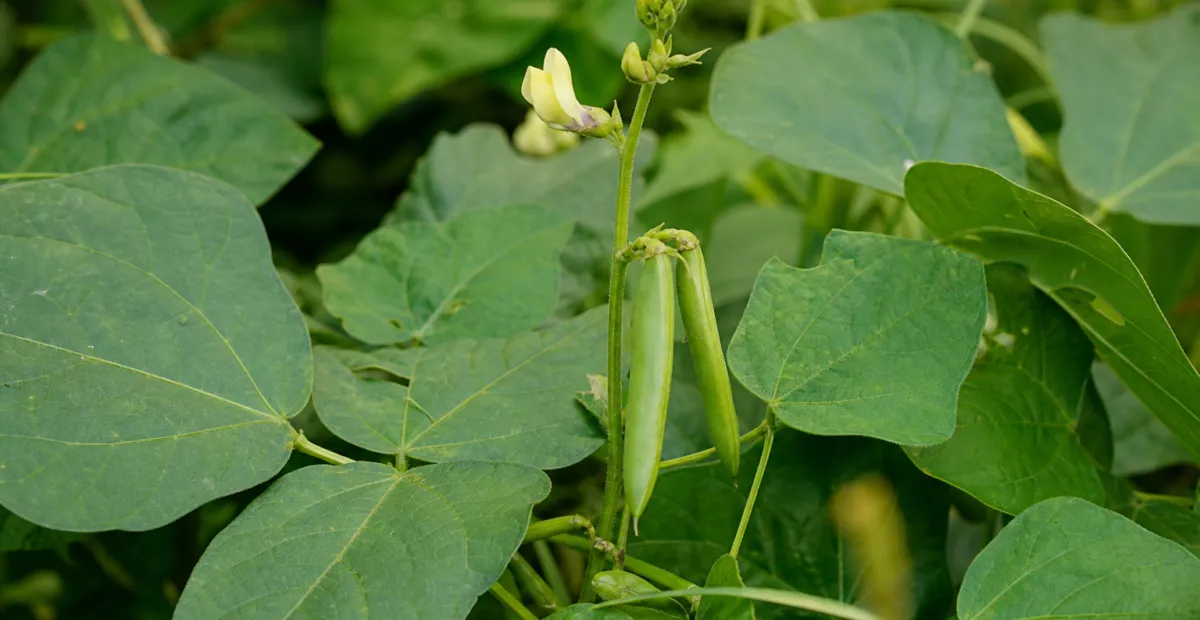
 AI-generated illustration
Cowpea (Vigna unguiculata) short overview
Cowpea (Vigna unguiculata) is a heat-loving annual legume cultivated across the United States as a vegetable, forage crop, nitrogen-fixing cover crop, and food plant. Depending on the type, it may form a compact bush or a scrambling vine. White, cream, yellow, pink, or purple-tinged pea flowers are followed by slender pods containing edible peas. Plants need warm soil, full sun, and reliable drainage.
Taxonomic classification
Cowpea (Vigna unguiculata) care guide
Light and placement
Give cowpea full sun, ideally at least 8 hours of direct light daily, in an open bed or south-facing container location. Weak light produces lankier stems, fewer flowers, and reduced pod set. Excessive heat is usually tolerated if roots have moisture, but reflected heat from walls or pavement can increase water stress and scorch leaves when irrigation is inadequate.
Watering and humidity
Water deeply when the top inch of soil begins to dry, aiming for steady moisture during germination, flowering, and pod filling. Reduce frequency only after plants are established and rainfall is limited; do not allow prolonged saturation. Container plants may need water daily during hot, windy weather. Water at the soil surface to reduce foliar disease.
Soil and growing medium
Use fertile, well-drained sandy loam or loam. Cowpea tolerates relatively poor soil and can perform across a moderately broad pH range, approximately 5.5–7.5, but drainage is important. Avoid compacted or persistently waterlogged ground. Incorporating compost before planting is generally more useful than heavy nitrogen fertilization.
Feeding
Cowpea often needs little nitrogen because it is a legume, especially when well nodulated. Before planting, mix a moderate amount of finished compost into poor soil. Do not repeatedly apply high-nitrogen fertilizer, which can produce excessive foliage and delay pod formation. If growth is weak, use a balanced vegetable fertilizer at the label rate after establishment, not directly against seed or stems.
Growth and habit
Growth is rapid in warm weather. Plants may remain bushy and relatively compact or develop long, flexible, scrambling stems depending on cultivar. Regular harvesting encourages continued flowering and pod production. Mulch helps moderate soil moisture and suppress weeds without burying the stems.
Planting and repotting
Plant outdoors after the last spring frost when soil is at least 65°F, preferably closer to 70°F. Sow seeds 1–1½ inches deep. Space bush types about 4–6 inches apart in rows 24–36 inches apart; give vining types a trellis or wider spacing. Keep the seedbed evenly moist until emergence, then thin crowded seedlings.
Cowpea is normally grown directly in the ground because its roots dislike disturbance. If started in containers, transplant young seedlings promptly while the root ball remains intact. Use a container at least 12 inches deep with drainage holes; bush types are more suitable than vigorous trailing types.
Propagation and pruning
Propagation
Sow fresh seed directly outdoors after soil has warmed. Cowpea generally germinates readily without transplanting. Inoculation with a compatible legume rhizobium may improve nodulation where cowpeas have not previously been grown, but inoculant performance depends on the product and local soil conditions.
Pruning
Pruning is usually unnecessary. Remove damaged or diseased growth and harvest pods frequently. Lightly guide or tie scrambling stems to support, but avoid severe cutting during flowering because it can reduce the current crop.
Overwintering
Cowpea is killed by frost and is normally discarded after the first hard freeze. In frost-free climates it may persist longer, but most U.S. gardeners replant from seed each season. Do not move large field-grown vines indoors; instead, save clean mature seed if the cultivar is open-pollinated.
Uses
Grow cowpea for fresh snap pods, shelling peas, or dry edible seeds. It is also used for forage, wildlife food, nitrogen-fixing rotations, and warm-season cover cropping. Young leaves are eaten in some food traditions, but preparation and cultivar suitability vary. Cook mature seeds thoroughly; do not make unsupported medicinal claims.
Appearance
Leaves are alternate and trifoliate, with broad terminal leaflets and smaller side leaflets. Stems are green, flexible, and often slightly hairy. Flowers arise from leaf axils, while slender cylindrical pods develop on short stalks. Seeds vary widely in color and pattern, including the familiar dark hilum of black-eyed peas.
Flowering
Axillary racemes carry several small, pea-shaped, zygomorphic flowers. Flower color varies among forms and may include white, cream, yellow, pink, or purple tones. Flowering begins after warm vegetative growth and continues through summer when plants are adequately watered and harvested.
Pollination and visitors
The pea-shaped flowers produce nectar and are visited by bees and bumblebees; bee activity can improve pollination and seed production. Flower visitation varies with cultivar, weather, surrounding floral resources, and local insect populations.
Vigna unguiculata photos
Click any photo for a larger view. Source, author and license are shown separately.
Diseases and pests
Diseases
Rotate planting locations and avoid working among wet plants. Watch for damping-off in cold, saturated soil, powdery mildew, rust, fusarium or other wilt diseases, and viral mosaic symptoms. Remove severely affected plants, improve airflow, control insect vectors, and use disease-free seed; avoid routine broad-spectrum treatments unless a diagnosis supports them.
Pests
Common problems include aphids, bean beetles, stink bugs, leafhoppers, thrips, spider mites, and pod or seed-feeding pests. Inspect leaf undersides and developing pods regularly, use row cover over young plants where practical, remove weeds that harbor pests, and encourage beneficial insects. Pick pods promptly and use the least-disruptive control that matches the pest and crop stage.
Related diseases and pests
Only Plant Doctor profiles whose host data indicate this plant may be affected are shown here.
 DiseaseBacterial blight and cankerPseudomonas syringae pv. syringae
 PestSouthern Green Stink BugNezara viridula
 DiseaseCharcoal rotMacrophomina phaseolina (Tassi) Goid.
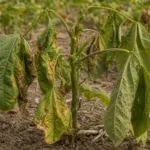 DiseaseBacterial Wilt of Dry BeanCurtobacterium flaccumfaciens pv. flaccumfaciens
 DiseaseCucumber mosaic virusCucumber mosaic virus
 PestMelon aphid (cotton aphid)Aphis gossypii Glover
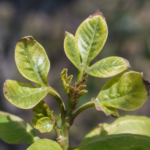 Environmental stressNickel deficiency
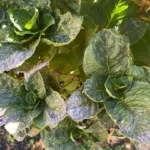 PestChilli thripsScirtothrips dorsalis Hood
Toxicity and pollen
Cowpea is a recognized food crop. Properly cooked mature seeds and young pods are eaten, but raw or inadequately cooked beans can contain lectins and other antinutritional compounds that may cause digestive illness. People with legume or peanut allergy may react to cowpea proteins. Evidence for poisoning in dogs, cats, and children is limited; prevent access to large quantities of raw seed and seek medical or veterinary advice after concerning exposure.
- Typical season
- Late spring through summer
- Pollination / pollen
- Insect-released pollen; not primarily wind-dispersed
Cowpea pollen is associated with insect-pollinated flowers rather than abundant wind dispersal, so airborne exposure is generally expected to be low. It is not zero-risk: sensitive people may react to plant pollen, and cowpea seed proteins can cause food-allergic reactions, including possible cross-reactivity with other legumes.
Native habitat
The species is native to tropical and southern Africa and is associated with seasonally dry tropical environments. It performs well in warm climates, tolerates periods of drought after establishment, and occupies disturbed fields, cultivated ground, and other open habitats where soils drain adequately.
Interesting fact
Cowpea roots form symbiotic nodules with nitrogen-fixing bacteria. The species includes bush, semierect, and scrambling cultivated forms. Black-eyed pea is a seed type or cultivar-group name rather than a separate species. Cowpea is also used as forage and as a warm-season cover crop.
Frequently asked questions (FAQ)
The most relevant questions about this plant, with short and direct answers.
🌱Quick care
What is cowpea (Vigna unguiculata)?⌄
Cowpea is a frost-tender, warm-season legume grown for fresh pods, green seeds, dry beans, forage, and cover-crop use. In the United States, it is also commonly called a southern pea or field pea, although it is not a true garden pea.
Is cowpea easy to grow?⌄
Yes, cowpea is generally easy to grow when planted in warm soil and full sun. It tolerates heat and relatively low-fertility soil, but it performs poorly in cold, waterlogged conditions.
🌤️Environment and placement
How much sun does cowpea need?⌄
Cowpea grows best in full sun, with at least 6 to 8 hours of direct light daily. Plants may tolerate light shade, but reduced light can limit flowering, pod production, and maturity.
What temperatures are best for growing cowpea?⌄
Cowpea prefers hot weather and soil temperatures of about 70°F or warmer for reliable germination. It is frost tender, so plant after the danger of frost has passed and the soil has warmed.
Can cowpea grow in containers?⌄
Yes, cowpea can grow in a large container with drainage holes, warm potting mix, full sun, and regular watering. Use a container at least 12 inches deep, and provide support for vining varieties.
What soil is best for cowpea?⌄
Use well-drained sandy loam or loam enriched with organic matter. Cowpea generally tolerates a soil pH from about 5.5 to 7.0, but compacted or poorly drained soil can cause weak growth and root problems.
Can cowpea tolerate drought?⌄
Cowpea has useful heat and drought tolerance once established, but consistent moisture is important during germination, flowering, and pod development. Short droughts can reduce pod set and yield.
💧Care and problems
How often should I water cowpea?⌄
Water cowpea when the soil surface begins to dry, providing moderate and consistent moisture without keeping the soil saturated. Deep watering is preferable to frequent shallow sprinkling, especially during flowering and pod formation.
Does cowpea need fertilizer?⌄
Cowpea usually needs little nitrogen fertilizer because it is a legume that can fix nitrogen with the help of root bacteria. Base fertilizer decisions on a soil test, since excessive nitrogen can encourage leafy growth instead of pods.
Should cowpea seeds be inoculated before planting?⌄
Inoculating cowpea seed with the appropriate legume Rhizobium product can improve nitrogen fixation, especially where cowpeas have not been grown before. Use an inoculant labeled for cowpea rather than a product intended for a different legume.
Why are my cowpea leaves turning yellow?⌄
Yellow cowpea leaves may result from overwatering, poor drainage, nitrogen or iron deficiency, root damage, or disease. Check soil moisture and drainage first, then use a soil test and inspect the roots and undersides of leaves for pests.
What pests attack cowpea?⌄
Common cowpea pests include aphids, leafhoppers, mites, thrips, leaf-eating beetles, and cowpea curculio. Monitor plants regularly, remove heavily damaged growth when practical, and use controls labeled for edible legumes if treatment is necessary.
What diseases affect cowpea?⌄
Cowpea can be affected by fungal, bacterial, and viral diseases, including wilt, blight, mosaic viruses, and seedling diseases. Start with clean seed, avoid overhead watering, improve air circulation, and rotate crops when possible.
Why is my cowpea not producing pods?⌄
Poor pod production is commonly caused by cool temperatures, insufficient sunlight, drought during flowering, excessive nitrogen, or severe pest damage. Cowpea needs hot weather, full sun, and steady moisture to flower and set pods well.
🪴Planting and repotting
When should I plant cowpea in the United States?⌄
Plant cowpea in spring or early summer after the last frost when the soil is consistently about 70°F or warmer. In warm regions, it can also be planted later for a summer or early-fall harvest, provided the crop has enough frost-free time.
How deep should cowpea seeds be planted?⌄
Plant cowpea seeds about 1 to 1.5 inches deep in prepared soil. Keep the seedbed evenly moist until emergence, but avoid saturated conditions that can cause seed or seedling rot.
How far apart should cowpea plants be spaced?⌄
Spacing depends on the variety, but bush cowpeas are commonly spaced about 3 to 6 inches apart in rows 18 to 30 inches apart. Give vining types more room or train them on a trellis according to the seed packet directions.
Can cowpea be succession planted?⌄
Yes, cowpea can be succession planted during the warm season for a longer harvest. Make additional sowings every 2 to 3 weeks while the remaining frost-free season is long enough for the chosen variety to mature.
How long does cowpea take to mature?⌄
Many cowpea varieties produce edible pods or green seeds in roughly 55 to 80 days, while dry seed maturity may take longer. The exact timing depends on variety, temperature, moisture, and whether the plant is bush, semi-vining, or vining.
Can cowpea be grown as a cover crop?⌄
Yes, cowpea is a valuable warm-season cover crop that can add biomass, suppress weeds, and contribute nitrogen to a rotation. Mow or terminate it before mature seed production if you do not want volunteer plants the following season.
Is cowpea good for improving soil?⌄
Cowpea can improve soil as a legume cover crop by adding organic matter and biologically fixed nitrogen when properly inoculated and successfully nodulated. Its benefits vary with cultivar, soil conditions, termination timing, and the following crop.
✂️Propagation and pruning
How do you propagate cowpea?⌄
Cowpea is normally propagated from seed rather than cuttings or division. Sow fresh, viable seed directly into warm soil because the plants develop quickly and generally do not need transplanting.
Can I save cowpea seeds for next year?⌄
Yes, you can save cowpea seed by leaving pods on the plant until they are dry and brown, then harvesting and drying the seed further in a cool, dry place. Cowpea is mainly self-pollinating, but nearby plants can occasionally cross, particularly when pollinators intervene.
Do cowpeas need a trellis?⌄
Bush cowpeas usually do not need a trellis, while vining or long-podded types benefit from a sturdy trellis or other support. Supporting sprawling plants can improve airflow and make harvesting easier.
⚠️Toxicity and safety
Are cowpeas safe to eat?⌄
Properly cooked cowpeas are generally safe to eat, but raw or undercooked seeds may contain compounds that can cause illness. Soak dry cowpeas when appropriate and cook them thoroughly before eating.
Can you eat cowpea leaves and pods?⌄
Tender cowpea leaves and young pods are eaten in some cuisines, but they should be cooked rather than consumed raw in large amounts. Edibility and preparation can vary among cultivars, so use food-producing varieties and reliable culinary guidance.
Are cowpeas toxic to pets?⌄
Cowpeas are not considered a highly toxic plant, but raw seeds and large amounts of unfamiliar plant material may cause digestive upset in pets. Keep pets from eating raw beans, treated seed, or garden plants that have been exposed to pesticides.
Can raw cowpea seeds make people sick?⌄
Yes, raw or insufficiently cooked cowpea seeds may cause gastrointestinal symptoms because they contain naturally occurring antinutritional compounds. Thorough cooking substantially reduces this risk.
🌸Flowering and special interest
When does cowpea flower?⌄
Cowpea commonly begins flowering about 45 to 55 days after planting, although timing varies by variety and growing conditions. Hot weather, full sun, and adequate moisture support more reliable flowering.
Are cowpea flowers pollinated by bees?⌄
Cowpea is largely self-pollinating, so it can set seed without a large bee population. Bees may still visit the flowers and can occasionally promote cross-pollination between nearby plants.
How do I know when cowpea pods are ready to harvest?⌄
Harvest cowpea pods for fresh use when they are full-sized but still green and tender, before the seeds become hard. For green-shell peas, wait until the seeds have filled the pod but remain soft; for dry beans, leave pods on the plant until they are dry.
Similar plants
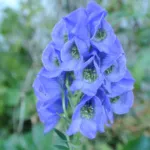 Azure Monkshood (Aconitum carmichaelii) care guideAconitum carmichaelii
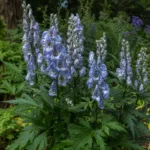 Monkshood (Aconitum ‘Stainless Steel’)Aconitum 'Stainless Steel'
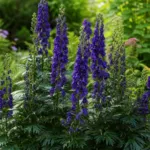 Monkshood (Aconitum ‘Bressingham Spire’)Aconitum 'Bressingham Spire'
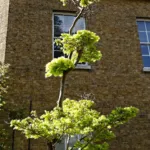 Golden full moon maple (Acer shirasawanum ‘Aureum’)Acer shirasawanum 'Aureum'
 Globosum (Acer platanoides ‘Globosum’)Acer platanoides 'Globosum'
 Striped maple (Acer pensylvanicum) care guideAcer pensylvanicum