
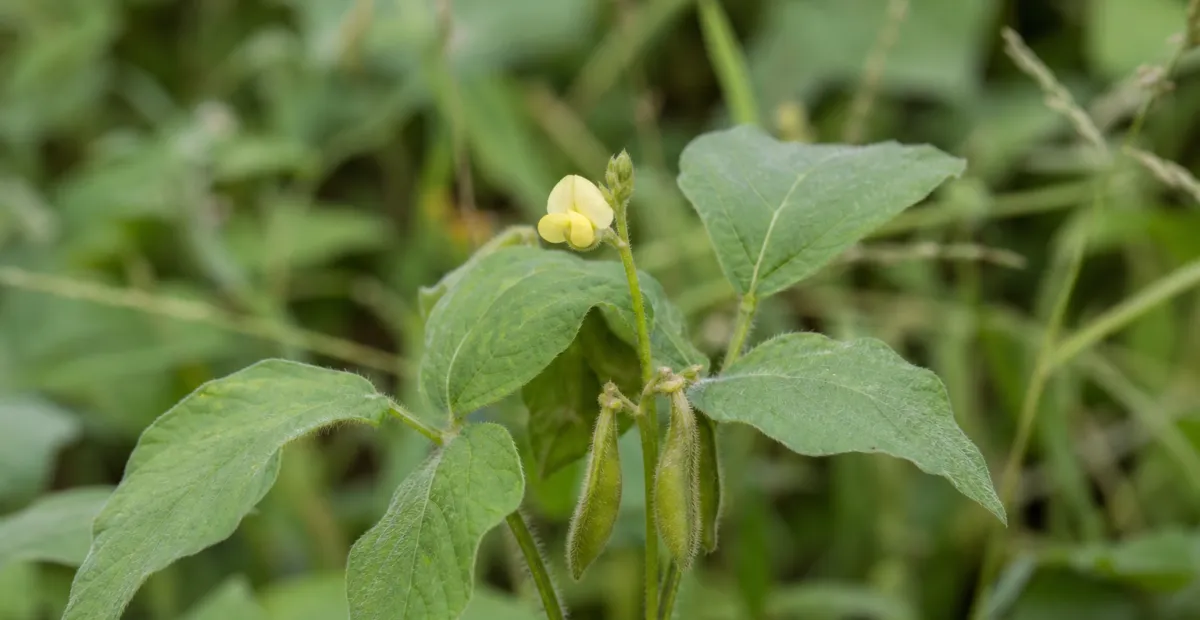
 AI-generated illustration
Wild Mung (Vigna vexillata) short overview
Wild Mung (Vigna vexillata) is a variable, warm-climate perennial bean with trailing or twining stems, three-part leaves, and striking pea-like flowers that may be pink, purple, yellowish, or white. Its hairy pods contain small seeds, while many forms develop edible tuberous roots. In the United States, it is best treated as a frost-tender container, greenhouse, or summer garden plant. A frost-tender tropical perennial legume with variable trifoliate foliage, scrambling or twining stems, showy asymmetric pea flowers, hairy pods, and often tuberous roots.
Taxonomic classification
Wild Mung (Vigna vexillata) care guide
Light and placement
Grow in full sun for the strongest flowering and compactest growth; light afternoon shade is useful in very hot, dry climates. A south- or west-facing exposure is suitable indoors or in a greenhouse. Thin, weak stems and sparse flowering suggest insufficient light, while scorched leaves or rapid wilting may indicate excessive reflected heat or abrupt exposure.
Watering and humidity
Water thoroughly when the upper 1–2 inches of mix begins to dry, then allow excess water to drain completely. Keep the root zone evenly but moderately moist during active growth, reducing frequency in cool weather or after cutback. Do not leave containers standing in water, particularly during winter dormancy.
Soil and growing medium
Use a loose, well-drained mix that does not stay saturated around the roots or tuberous rootstock. Sandy loam or a quality potting mix amended with coarse material is suitable. A slightly acidic to neutral reaction is a practical target, but a narrowly documented species-specific pH range was not found.
Feeding
Feed only during active growth with compost or a balanced fertilizer diluted to about half the label strength every four to six weeks. Avoid heavy nitrogen feeding, which can produce excessive vine growth at the expense of flowering and root development. Do not fertilize cold, dormant, or drought-stressed plants.
Growth and habit
This is a scrambling, trailing, or twining perennial herb. Warmth promotes rapid vegetative growth and ground coverage, while stems may climb nearby supports. Some forms die back or lose vigor in cool conditions. Guide stems early, keep the crown from remaining waterlogged, and cut back only after active growth has ended or winter protection is begun.
Planting and repotting
Plant outdoors only after the danger of frost has passed and soil is thoroughly warm. Set seeds about 1 inch deep in warm, prepared soil; provide a trellis or allow the stems to trail. Give plants room to spread and establish before heavy watering or feeding.
Repot in spring when active growth resumes, moving the plant only one container size larger. Handle the tuberous rootstock gently and use a container with generous drainage holes. Replace compacted mix without burying the crown deeply.
Propagation and pruning
Propagation
Propagate primarily from seed. Sow fresh seed in warm, well-drained medium about 1 inch deep; germination is commonly reported in roughly 8–10 days under favorable conditions. Scarification or soaking may improve emergence when seed has a hard coat, but treatment requirements vary among seed lots.
Pruning
Trim dead, damaged, or frost-injured stems after the active season. Shorten excessively long runners to keep containers manageable and remove weak interior growth to improve airflow. Avoid hard pruning while the plant is actively establishing its tuberous rootstock.
Overwintering
Move containers indoors or into a heated greenhouse before nights approach the mid-50s °F. Keep the plant in bright light, water sparingly during slow growth, and protect the tuberous rootstock from cold, saturated soil. In frost-free climates, mulch lightly and shelter the crown from prolonged winter wet.
Uses
Used in some tropical regions as a forage plant, cover crop, food plant, and source of edible tuberous roots. It may also serve as a vigorous ornamental or ecological legume in frost-free gardens. Food use is not interchangeable with that of mung bean or cowpea; verify the exact plant and traditional preparation before consumption.
Appearance
Stems are herbaceous and commonly covered with brownish or yellowish hairs. Leaves are alternate and trifoliolate, with leaflets ranging from narrow and lance-shaped to ovate. Long axillary flower stalks, hairy linear pods, and a sometimes fusiform tuberous rootstock help distinguish the species from ordinary garden beans.
Flowering
Axillary racemes usually carry two to six papilionaceous flowers. Flowers are often pink, purple, or violet, but yellowish and white forms occur. The asymmetric banner and strongly twisted keel are distinctive features of the species and reflect specialized legume flower mechanics.
Pollination and visitors
Published botanical and crop-resource accounts document insect pollination, including Xylocarpa bees in some regions. The specialized papilionaceous flower, twisted keel, and nectar structures indicate an insect-mediated pollination system, but a single universal pollinator species for the entire range is not established.
Vigna vexillata photos
Click any photo for a larger view. Source, author and license are shown separately.
Diseases and pests
Diseases
Avoid persistently wet soil, dense stagnant growth, and overhead watering, which can encourage root problems and foliar fungal disease. Remove badly affected tissue, improve air circulation, and water at the soil line. Species-specific disease data for U.S. garden production are limited.
Pests
Inspect for aphids, spider mites, whiteflies, thrips, and chewing larvae, especially under greenhouse conditions. Use isolation, water sprays, insecticidal soap, or other labeled controls proportionate to the infestation. Avoid broad-spectrum insecticides during flowering to reduce harm to visitors.
Related diseases and pests
Only Plant Doctor profiles whose host data indicate this plant may be affected are shown here.
 PestChilli thripsScirtothrips dorsalis Hood
 DiseaseBacterial blight and cankerPseudomonas syringae pv. syringae
 PestSouthern Green Stink BugNezara viridula
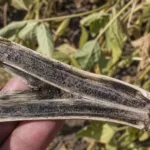 DiseaseCharcoal rotMacrophomina phaseolina (Tassi) Goid.
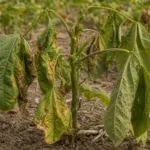 DiseaseBacterial Wilt of Dry BeanCurtobacterium flaccumfaciens pv. flaccumfaciens
 DiseaseCucumber mosaic virusCucumber mosaic virus
 PestMelon aphid (cotton aphid)Aphis gossypii Glover
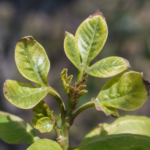 Environmental stressNickel deficiency
Toxicity and pollen
No reliable authoritative evidence establishing human or pet toxicity for the exact species was located. Some populations are used as food, especially for tuberous roots, but edible status, preparation, and antinutritional compounds can vary. Avoid eating unidentified material, raw roots, or seeds without verified local preparation guidance.
- Typical season
- No reliable U.S.-specific airborne-pollen season documented
- Pollination / pollen
- Insect-carried pollen
The flowers produce pollen, but reliable evidence quantifying airborne release or allergy risk for Vigna vexillata specifically was not located. Because the species is generally insect-pollinated, exposure may be lower than for wind-pollinated plants, but it should not be treated as allergen-free.
Native habitat
The species is native across tropical and subtropical regions of Africa, Asia, Australia, and parts of the Americas. It occurs in seasonally dry tropical settings, grasslands, savanna, forest margins, and other open habitats, often in warm soils with seasonal moisture and a pronounced dry period.
Interesting fact
The species is highly variable across its broad tropical and subtropical range. Many forms produce a fusiform tuberous rootstock. Its flowers have a strongly twisted keel and specialized style structure associated with legume pollination. The plant can form nitrogen-fixing root nodules and has been used as forage and a root crop.
Frequently asked questions (FAQ)
The most relevant questions about this plant, with short and direct answers.
🌱Quick care
What is Wild Mung (Vigna vexillata)?⌄
Wild Mung is a frost-tender, perennial legume in the Fabaceae family that grows as a creeping or twining vine. It is related to cowpea and is also known internationally as wild mung bean, wild cowpea, or zombi pea.
Is Wild Mung easy to grow?⌄
Wild Mung is generally easy to grow when given warmth, sunlight, drainage, and support. It establishes quickly in suitable conditions, but cold temperatures and poorly drained containers can cause problems.
How much sun does Wild Mung need?⌄
Wild Mung grows best in full sun, although it can tolerate partial shade. In the United States, provide the brightest warm location available, especially during the growing season.
How often should I water Wild Mung?⌄
Water Wild Mung moderately, allowing the upper layer of soil to dry slightly between waterings. Keep the soil evenly moist during active growth, but avoid constantly saturated conditions in containers or garden beds.
Is Wild Mung annual or perennial?⌄
Wild Mung is botanically a perennial, but it may behave like an annual in areas with frost. In colder U.S. climates, bring container plants indoors or protect the roots before freezing weather.
🌤️Environment and placement
What USDA hardiness zone is best for Wild Mung?⌄
Wild Mung is best suited to warm, frost-free or nearly frost-free climates and is not reliably hardy through freezing winters. In colder USDA zones, grow it as a warm-season annual or in a container that can be protected.
Can Wild Mung grow indoors?⌄
Wild Mung can be grown indoors temporarily if it receives strong direct light and warm temperatures. A sunny window may be insufficient for vigorous growth, so supplemental grow lighting is often helpful.
Can Wild Mung grow in a container?⌄
Wild Mung grows well in a spacious container with drainage holes and a loose potting mix. Use a pot deep enough for its root system and provide a trellis or stake for the twining stems.
What temperature does Wild Mung need?⌄
Wild Mung needs warm growing conditions and is frost tender. Move containers indoors or provide protection before temperatures approach freezing, because frost can damage or kill the aboveground growth.
Does Wild Mung need a trellis?⌄
A trellis, stake, or other support is recommended because Wild Mung has creeping or twining stems. Without support, it can spread across nearby soil or vegetation.
What type of soil is best for Wild Mung?⌄
Use loose, well-drained sandy loam or a quality potting mix. The plant can tolerate a range of soils, but heavy, waterlogged soil may slow growth and increase root problems.
💧Care and problems
Why is my Wild Mung growing slowly?⌄
Slow growth is usually caused by cool temperatures, inadequate light, compacted soil, or excessive moisture. Move it to a warmer, brighter location and improve drainage before increasing fertilizer.
Does Wild Mung need fertilizer?⌄
Wild Mung usually needs only modest feeding in reasonably fertile soil. If growth is weak, use a balanced fertilizer at the label rate, but avoid excessive nitrogen because it can favor foliage over flowers and pods.
Can Wild Mung tolerate drought?⌄
Established Wild Mung has some drought tolerance, but it grows better with moderate, consistent moisture. Water deeply when the soil has begun to dry, particularly during flowering and pod development.
Can Wild Mung tolerate wet soil?⌄
Wild Mung can tolerate temporary wet conditions better than many legumes, but garden and container plants should not remain chronically waterlogged. Good drainage is the safer choice for dependable growth.
What pests affect Wild Mung?⌄
Potential pests include aphids, thrips, pod borers, and pod-sucking bugs, particularly in warm growing regions. Inspect new growth, flowers, and pods regularly and use the least-toxic control appropriate for the identified pest.
🪴Planting and repotting
When should I plant Wild Mung in the United States?⌄
Plant Wild Mung outdoors after the danger of frost has passed and the soil has warmed. In short-season areas, start it indoors or grow it in a container so the plant receives a longer warm growing period.
How deep should Wild Mung seeds be planted?⌄
Plant Wild Mung seeds shallowly, about 1 inch deep, in lightly moistened soil. Avoid burying them deeply, and keep the seedbed warm and evenly moist until germination.
How long does Wild Mung take to germinate?⌄
Scarified Wild Mung seeds may germinate in roughly 10 days under warm, moist conditions. Germination can take longer when seeds are untreated, temperatures are cool, or the seed coat is especially hard.
Should Wild Mung seeds be scarified before planting?⌄
Yes, scarification is recommended because Wild Mung seeds have a hard seed coat. Lightly nick or sand the coat without damaging the embryo, then sow the seed promptly; avoid using acid scarification at home.
Can I repot Wild Mung while it is flowering?⌄
Repot Wild Mung before flowering when possible because disturbing the roots during bloom can cause temporary stress or flower loss. If repotting is necessary, handle the root ball gently and keep moisture consistent afterward.
✂️Propagation and pruning
How do you propagate Wild Mung?⌄
Wild Mung is most commonly propagated from seed, and stem cuttings may also work. Scarify mature seeds before sowing, or take healthy nonflowering cuttings during warm weather and keep them lightly moist while roots form.
Can Wild Mung be grown from cuttings?⌄
Wild Mung can be propagated from stem cuttings, although seed propagation is more commonly documented. Use healthy sections, remove lower leaves, place them in a clean, well-drained medium, and maintain warm conditions.
How do I collect Wild Mung seeds?⌄
Allow the pods to mature and dry on the plant before collecting them. Harvest when the pods are fully developed and brown or dry, then store clean seeds in a cool, dry place.
Should Wild Mung be pruned?⌄
Pruning is optional and mainly used to control spread, remove damaged growth, or refresh an overgrown plant. Trim just above a healthy node with clean shears, and avoid removing most of the foliage at once.
⚠️Toxicity and safety
Is Wild Mung toxic to people or pets?⌄
There is no established species-specific toxicity classification for Wild Mung, so it should not be assumed to be completely safe to eat or feed to pets. Avoid ingesting seeds, pods, or tubers unless their identity and preparation are confirmed by a qualified local source.
Are Wild Mung seeds edible?⌄
Wild Mung seeds have been used as food in some regions, but edibility and preparation can vary among forms and populations. Do not eat home-grown seeds without reliable identification and regionally appropriate food-safety guidance.
Are Wild Mung roots or tubers edible?⌄
Some Wild Mung forms are cultivated for edible tuberous roots, but this does not establish that every plant or accession is safe to consume. Treat the roots as ornamental unless verified identification and preparation information are available.
🌸Flowering and special interest
When does Wild Mung flower?⌄
Wild Mung commonly flowers after several months of warm growth, with timing varying by climate, day length, and plant form. In suitable conditions, flowering may begin around three to four months after planting.
What do Wild Mung flowers look like?⌄
Wild Mung produces pea-like flowers that may be white, cream, mauve, pink, or purple, often with yellowish nectar guides. The flowers can be pleasantly fragrant and are followed by narrow pods.
Why is my Wild Mung not flowering?⌄
Insufficient light, cool temperatures, excessive nitrogen, or an immature plant can delay flowering. Provide full sun, warm conditions, moderate feeding, and patience until the vine has produced enough mature growth.
Does Wild Mung attract pollinators?⌄
Wild Mung flowers are adapted for insect pollination and can be visited by bees and other suitable pollinators. Flower production is more likely in a sunny outdoor location than in a dim indoor setting.
Similar plants
 Azure Monkshood (Aconitum carmichaelii) care guideAconitum carmichaelii
 Monkshood (Aconitum ‘Stainless Steel’)Aconitum 'Stainless Steel'
 Monkshood (Aconitum ‘Bressingham Spire’)Aconitum 'Bressingham Spire'
 Golden full moon maple (Acer shirasawanum ‘Aureum’)Acer shirasawanum 'Aureum'
 Globosum (Acer platanoides ‘Globosum’)Acer platanoides 'Globosum'
 Striped maple (Acer pensylvanicum) care guideAcer pensylvanicum