
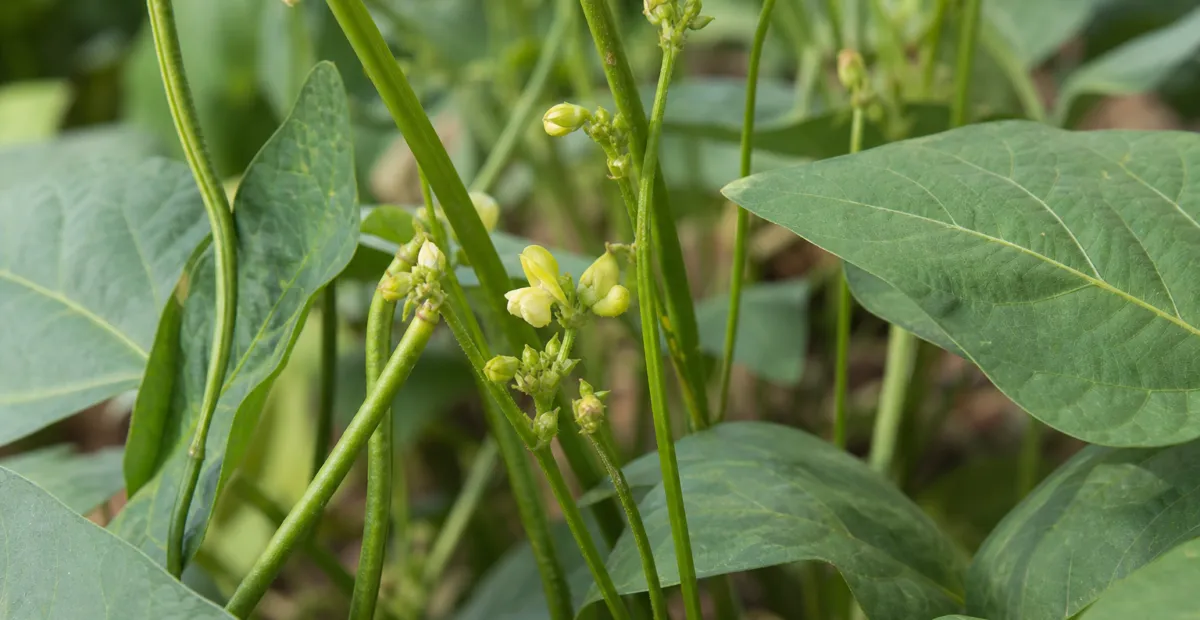
 AI-generated illustration
Mung Bean (Vigna radiata) short overview
Mung bean is a warm-season annual legume grown for its edible green seeds and nutritious sprouts. It forms a compact, upright to spreading plant with trifoliate leaves, small yellow flowers, and slender pods that mature in hot weather. In the United States it is most practical as a summer crop in long-season areas, a container plant, or a quick cover crop where frost-free growth is available. A warm-season annual legume cultivated for edible mung beans and sprouts.
Taxonomic classification
Mung Bean (Vigna radiata) care guide
Light and placement
Give mung bean a sunny site with at least 6 hours of direct light, preferably with a south- or west-facing exposure. Light afternoon shade can help in very hot climates but may reduce flowering and pod production. Pale, stretched stems and sparse foliage indicate insufficient light; scorched leaves or rapid wilting after hot exposure suggest heat or water stress rather than a need for deeper shade.
Watering and humidity
Water deeply when the upper inch of soil begins to dry, keeping moisture reasonably even during germination, flowering, and pod filling. Let excess water drain freely and avoid repeatedly wetting the foliage. Reduce watering as pods mature, but do not allow plants to wilt severely during flowering. Humidity is not usually limiting outdoors; spacing and airflow are more important in damp conditions.
Soil and growing medium
Use fertile, well-drained loam or sandy loam that does not remain waterlogged after rain. Incorporate mature compost before sowing, but avoid heavy, lush soil with excessive nitrogen. A slightly acidic to neutral pH is suitable. Poor drainage can cause weak growth and root disease, while very compact soil interferes with emergence and nodulation.
Feeding
Work a modest amount of finished compost into the planting area before sowing. Mung bean is a legume and can obtain nitrogen through root nodules when compatible rhizobia are present, so routine high-nitrogen fertilizer is usually unnecessary. If growth is weak in poor soil, use a balanced fertilizer at low strength early in the season; do not feed heavily once flowering and pod set begin.
Growth and habit
This fast-growing annual develops a short upright to spreading canopy and can branch from the lower stem. Flowering and pod formation may overlap, so plants can carry blossoms, green pods, and mature pods at the same time. Harvesting mature pods promptly and removing spent plants after production helps limit shattering and keeps the planting orderly.
Planting and repotting
Sow directly after frost danger has passed and soil has warmed to at least 60°F. Plant seeds 1–2 inches deep in prepared soil, then water gently until emergence. Space plants closely for a crop row or more widely where airflow is limited. In short-season regions, choose an early cultivar and use a warm, protected site; avoid transplanting when possible because direct sowing is simpler and less disruptive.
Container-grown plants can be moved only while young and should be disturbed as little as possible. Use a container at least 8–12 inches deep with drainage holes and a fertile, free-draining mix. Repotting is generally unnecessary if the plant is sown directly in its final container.
Propagation and pruning
Propagation
Propagate by seed. Direct-sow after the soil has warmed and frost danger has passed. Seeds usually germinate quickly in warm, evenly moist soil. Store fully mature, dry seed in a cool, dry place and use fresh, correctly identified seed for sprouting.
Pruning
No ornamental pruning is required. Remove damaged stems or crowded growth only to improve airflow. After the final harvest, pull or cut plants at soil level and compost healthy residue; remove diseased material from the garden.
Overwintering
Mung bean does not tolerate frost and is normally finished after the first freeze. In the continental United States, treat it as a summer annual rather than attempting outdoor overwintering. Container plants can be grown indoors only in a very bright, warm location, though production is usually less practical than resowing.
Uses
The mature seeds are cooked as mung beans, while ungerminated or sprouted seeds are widely used as food. Young plants can serve as a quick warm-season cover crop and contribute nitrogen fixation when effective rhizobia are present. It is also suitable for educational gardens and large containers. Eat only correctly identified, properly prepared seeds or sprouts; raw sprouts may carry foodborne pathogens.
Appearance
The plant has slender, often slightly hairy stems and alternate trifoliate leaves with relatively broad leaflets. Small yellow, pea-like flowers arise in clusters, followed by narrow cylindrical pods containing small green seeds. The combination of trifoliate leaves, yellow legume flowers, and short hairy growth is useful for identification.
Flowering
Mung bean produces small yellow papilionaceous flowers in axillary clusters during warm, frost-free weather. Flowering is often indeterminate, allowing blossoms and developing pods to occur on the same plant. The species is predominantly self-pollinating, and high temperatures or drought during flowering can reduce pod set.
Pollination and visitors
Mung bean is predominantly self-pollinated rather than dependent on animal visitors for seed production. Its flowers may be visited opportunistically by insects, but reliable documentation of characteristic pollinator groups is insufficient here to classify it as a pollinator-attracting garden plant.
Vigna radiata photos
Click any photo for a larger view. Source, author and license are shown separately.
Diseases and pests
Diseases
Prevent disease with clean seed, well-drained soil, crop rotation, adequate spacing, and watering at the soil surface. Watch for damping-off, root rots, powdery mildew, and bacterial or fungal leaf spots. Remove severely affected plants, avoid working among wet foliage, and do not save seed from diseased crops.
Pests
Common problems can include aphids, whiteflies, leafhoppers, thrips, bean beetles, and pod-feeding caterpillars. Inspect leaf undersides and young pods regularly. Use hand removal, strong water sprays, insect netting, and conservation of beneficial insects before considering a labeled pesticide. Follow all product directions and preharvest intervals.
Related diseases and pests
Only Plant Doctor profiles whose host data indicate this plant may be affected are shown here.
 DiseaseBacterial Wilt of Dry BeanCurtobacterium flaccumfaciens pv. flaccumfaciens
 DiseaseBean AnthracnoseColletotrichum lindemuthianum
 PestChilli thripsScirtothrips dorsalis Hood
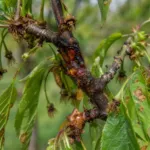 DiseaseBacterial blight and cankerPseudomonas syringae pv. syringae
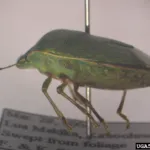 PestSouthern Green Stink BugNezara viridula
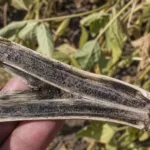 DiseaseCharcoal rotMacrophomina phaseolina (Tassi) Goid.
 PestMelon aphid (cotton aphid)Aphis gossypii Glover
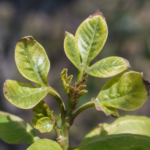 Environmental stressNickel deficiency
Toxicity and pollen
Mung beans are widely consumed as cooked seeds and sprouts and are not generally classified as poisonous. However, legume allergy is possible, and mung bean sprouts contain documented allergens that can cross-react in some birch-pollen-allergic people. Raw sprouts can also harbor foodborne pathogens; vulnerable individuals should use caution and follow food-safety guidance.
- Typical season
- During summer flowering
- Pollination / pollen
- Heavy, non-wind-dispersed legume pollen held within the flower
Mung bean is predominantly self-pollinating, and its pollen is not considered a major wind-borne seasonal allergen. Direct exposure to flowers may still affect a sensitized person, and allergy reports more often concern ingestion of mung bean or sprouts than inhalation of airborne pollen. Individuals with legume or birch-pollen-related food allergy should use personal medical guidance.
Native habitat
The species is adapted to warm tropical and subtropical conditions and grows in open, disturbed, or cultivated settings rather than shaded woodland. It performs best in fertile, well-drained soils with a long frost-free season. Cultivated forms are grown widely beyond the native range, including in warm regions of the United States.
Interesting fact
Mung bean is a legume capable of forming nitrogen-fixing root nodules with compatible rhizobia. Its edible sprouts are produced from germinating seeds rather than from a separate plant type. The crop is fast growing, but pod maturation can be uneven because flowering may continue over an extended period. The species is also used as a summer cover crop.
Frequently asked questions (FAQ)
The most relevant questions about this plant, with short and direct answers.
🌱Quick care
What is Vigna radiata commonly called in the United States?⌄
Vigna radiata is commonly called mung bean in the United States. It is a warm-season legume grown for dry beans, edible sprouts, and sometimes fresh green pods.
Is mung bean easy to grow?⌄
Mung bean is moderately easy to grow when provided with warm soil, full sun, and consistent moisture. It is less reliable in cool or short growing seasons because it is frost tender.
How long do mung beans take to mature?⌄
Mung beans commonly mature as a dry-bean crop in roughly 60–90 days, although timing varies by variety, temperature, and growing conditions. Cooler weather can extend the season or prevent full maturity.
Is mung bean an annual or perennial plant?⌄
Mung bean is normally grown as a warm-season annual in the United States. It completes its life cycle in one growing season and is killed by frost.
🌤️Environment and placement
How much sun does mung bean need?⌄
Mung bean grows best in full sun, generally receiving at least 6 hours of direct light daily. Light partial shade is tolerated, but reduced light can limit growth and pod production.
Can mung bean grow in partial shade?⌄
Mung bean can tolerate light partial shade, but full sun produces stronger growth and better yields. Avoid dense shade, especially during flowering and pod development.
What temperature does mung bean need to grow?⌄
Mung bean needs warm conditions, with soil temperatures above about 60°F for dependable germination and growth. Cold soil can delay emergence or cause seeds to rot.
Can mung beans survive frost?⌄
No, mung beans are frost tender and can be damaged or killed by freezing temperatures. Protect young plants from late frosts or wait until the danger of frost has passed.
Can I grow mung beans indoors?⌄
Mung beans can be grown indoors for edible sprouts, but producing mature seed indoors is usually impractical because the plants need strong light, warmth, space, and a sufficiently long growing period.
💧Care and problems
How often should I water mung bean?⌄
Water mung bean regularly enough to keep the soil evenly moist, especially during flowering and pod formation. Do not keep the soil waterlogged, because saturated conditions can promote root disease.
Are mung beans drought tolerant?⌄
Mung bean is somewhat drought tolerant once established, but drought stress can reduce flowering, pod set, and seed size. Consistent moisture is most important during flowering and pod development.
Do mung beans need fertilizer?⌄
Mung beans usually need little additional fertilizer if planted in fertile soil with compost or a balanced preplant amendment. Excess nitrogen can produce leafy growth while delaying flowering and reducing pod set.
Do mung beans need a trellis?⌄
Most mung bean plants are compact or bushy and do not require a trellis. Provide support only if a particular variety becomes sprawling or difficult to keep off wet soil.
Why are my mung bean seeds not germinating?⌄
Cold soil, excessive moisture, old seed, and compacted or crusted soil are common causes of poor mung bean germination. Plant into warm, well-drained soil and use fresh, properly stored seed.
Why are my mung bean flowers falling off?⌄
Mung bean flowers may abort during intense heat, drought, or other water stress. Keep the root zone evenly moist and use mulch to reduce temperature and moisture fluctuations.
What pests commonly affect mung beans?⌄
Mung beans can be affected by bean beetles, leafhoppers, caterpillars, and other common bean pests. Inspect the undersides of leaves and young pods regularly, and use controls appropriate for edible crops when damage becomes significant.
What diseases affect mung beans?⌄
Mung beans may develop root rot, damping-off, blights, or other diseases when soil stays wet or foliage remains damp. Use well-drained soil, avoid overwatering, provide air circulation, and rotate crops when possible.
Can mung beans fix nitrogen?⌄
Mung beans are legumes that can form nitrogen-fixing relationships with compatible soil bacteria. The benefit depends on effective nodulation and soil conditions, so they should not automatically be treated as a replacement for all soil fertility management.
🪴Planting and repotting
When should I plant mung beans in the United States?⌄
Plant mung beans outdoors after the last frost, once the soil has warmed above about 60°F. In cooler USDA zones, start as soon as practical after frost and choose an early-maturing variety if available.
What soil is best for mung bean?⌄
Mung bean grows best in fertile, well-drained loam or sandy loam. Avoid heavy, poorly drained soil because excess moisture increases the risk of root problems and poor emergence.
How deep should mung bean seeds be planted?⌄
Plant mung bean seeds about 1 inch deep in prepared soil. Planting substantially deeper can slow emergence, particularly in heavy or crusted soil.
How far apart should mung bean plants be spaced?⌄
For a garden planting, space mung bean seeds about 2–3 inches apart in rows 18–24 inches apart. Final spacing can vary with the variety and whether it grows as a bush or more spreading plant.
Can I grow mung beans in a container?⌄
Yes, mung beans can be grown in a container at least about 8–12 inches deep with drainage holes and a well-drained potting mix. Place the container in full sun and monitor moisture because containers dry out faster than garden soil.
How do I harvest mung beans for dry seed?⌄
Harvest mung beans for dry seed when most pods have turned yellow or brown and dried on the plant. Pull or cut the plants, finish drying them in a sheltered area if necessary, then shell and store the fully dry seeds.
Can mung beans be harvested as green beans?⌄
Some mung bean varieties can be harvested as tender green pods, but mung beans are more commonly grown for mature dry seeds or sprouts. Pick pods while they are still young and before the seeds become large and hard.
✂️Propagation and pruning
How do I save mung bean seeds for planting?⌄
Save seed from fully mature, dry pods collected from healthy plants. Dry the seeds completely, store them in an airtight container in a cool, dry place, and label the variety and harvest year.
Can I grow a mung bean plant from store-bought mung beans?⌄
Sometimes, but only if the beans are viable, untreated, and intended for planting or sprouting. Dried grocery beans may germinate, while heat-treated, irradiated, old, or otherwise processed beans may not.
⚠️Toxicity and safety
How do I sprout mung beans at home?⌄
Use clean, food-grade mung bean seeds, soak them, drain them thoroughly, and rinse them regularly while keeping them ventilated and out of direct sun. Home sprouts can carry harmful bacteria, so use careful sanitation and cook sprouts rather than eating them raw if safety is a concern.
Are raw mung bean sprouts safe to eat?⌄
Raw mung bean sprouts are not risk-free because warm, humid sprouting conditions can allow Salmonella, E. coli, and other pathogens to multiply. Children, older adults, pregnant people, and anyone immunocompromised should avoid raw or undercooked sprouts.
Should mung bean sprouts be cooked?⌄
Cooking mung bean sprouts thoroughly reduces food-safety risk and is safer than eating them raw. Rinse them before cooking, prevent cross-contamination, and follow current food-safety guidance for storage and preparation.
Are mung beans edible?⌄
Yes, mung beans are generally edible when properly prepared, including as cooked mature beans, sprouts, flour, and some fresh pods. Individual allergies, digestive intolerance, and contamination risks still apply.
Can people be allergic to mung beans?⌄
Yes, mung beans can cause allergic reactions, although the risk varies by individual. Anyone with a legume allergy should use caution and seek medical advice before eating mung beans or their sprouts.
🌸Flowering and special interest
Does mung bean flower?⌄
Yes, mung bean produces small pale yellow flowers, typically in clusters. Flowers are followed by narrow pods containing the developing seeds.
Why is my mung bean flowering but not producing pods?⌄
Poor pod set is often caused by heat, drought, excessive nitrogen, or other stress during flowering. Keep the soil evenly moist, avoid heavy nitrogen feeding, and provide full sun with good airflow.
Similar plants
 Azure Monkshood (Aconitum carmichaelii) care guideAconitum carmichaelii
 Monkshood (Aconitum ‘Stainless Steel’)Aconitum 'Stainless Steel'
 Monkshood (Aconitum ‘Bressingham Spire’)Aconitum 'Bressingham Spire'
 Golden full moon maple (Acer shirasawanum ‘Aureum’)Acer shirasawanum 'Aureum'
 Globosum (Acer platanoides ‘Globosum’)Acer platanoides 'Globosum'
 Striped maple (Acer pensylvanicum) care guideAcer pensylvanicum