
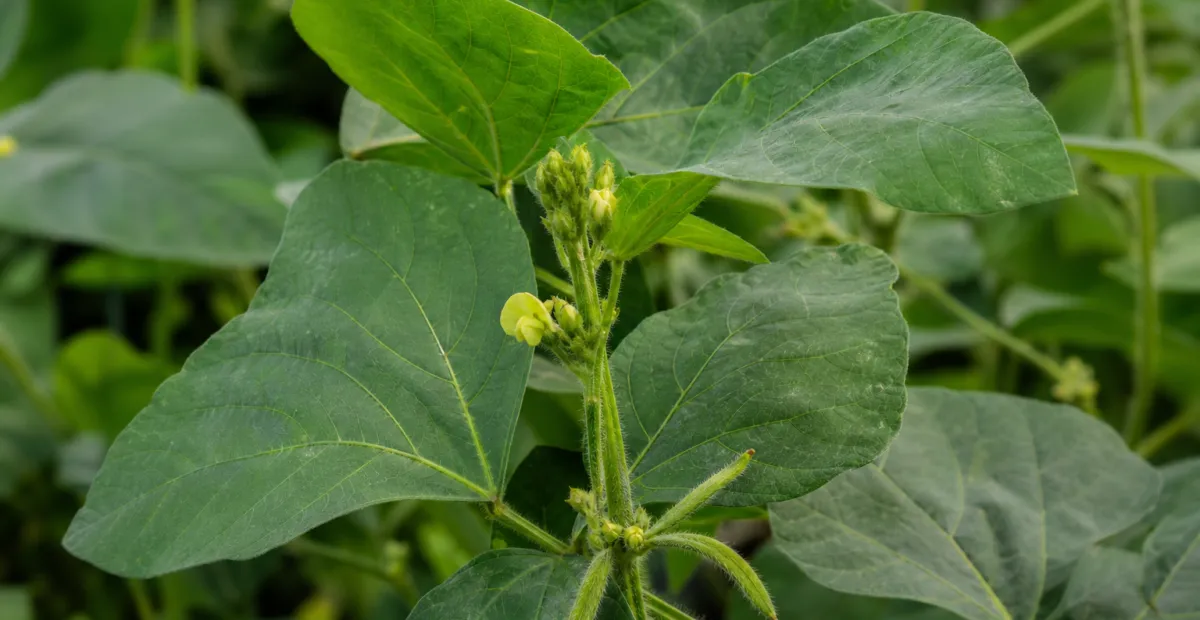
 AI-generated illustration
Black Gram (Vigna mungo) short overview
Black Gram (Vigna mungo) is a compact, warm-season annual bean cultivated primarily for its dark, protein-rich seeds used in dals, batters, and other foods. The plant forms hairy, trifoliate foliage, small bright-yellow papilionaceous flowers, and short pods containing black seeds with a contrasting pale hilum. It prefers full sun, fertile well-drained soil, steady moisture, and a long frost-free growing season; in the United States it is usually grown as a specialty summer crop or in containers.
Taxonomic classification
Black Gram (Vigna mungo) care guide
Light and placement
Give full sun, ideally with 8 or more hours of direct light in a warm location. A south-facing bed or unobstructed container position is best. Excess shade produces lanky growth, fewer flowers, and weaker pod set; intense heat with drought can cause leaf scorch, flower abortion, and premature senescence. Protect plants from cold winds and reflected chill.
Watering and humidity
Water deeply when the upper inch of soil begins to dry, keeping moisture reasonably consistent from emergence through pod filling. Reduce irrigation as pods mature, but do not allow severe drought during flowering. Water at the soil line in the morning and avoid prolonged saturation, which increases root and stem disease risk.
Soil and growing medium
Use fertile loam or light clay-loam that drains freely but does not dry immediately. A soil pH around 6.0–7.0 is suitable. Avoid compacted sites and waterlogged beds, which restrict the taproot and encourage root disease. Incorporating mature compost before planting is generally preferable to heavy nitrogen fertilization.
Feeding
Mix mature compost into the bed before sowing. If soil tests show low fertility, use a balanced fertilizer sparingly at planting rather than repeated high-nitrogen applications. Excess nitrogen can produce leafy growth at the expense of pods. Do not feed waterlogged or drought-stressed plants; correct root-zone conditions first.
Growth and habit
The annual plant develops quickly in warm weather, forming an erect to spreading, densely hairy herb with a branched taproot and nitrogen-fixing root nodules. Growth slows sharply in cool conditions. Harvest promptly when pods mature because delayed harvesting can increase shattering, weather damage, and seed-quality loss.
Planting and repotting
Sow outdoors only after the soil has warmed thoroughly and frost danger has passed. Direct sowing is preferred because the crop develops a taproot. Plant about 1 inch deep in moist soil, then keep the seedbed evenly watered until emergence. Provide a warm, sunny position and support spreading plants only if needed.
Usually grown from seed as a seasonal crop rather than kept long-term in containers. If transplanting is necessary, move seedlings while very young and disturb the taproot as little as possible. A container should be at least 12 inches deep with drainage holes.
Propagation and pruning
Propagation
Propagate by seed. Sow fresh, viable seed directly after soil temperatures are warm. Germination commonly takes about 7–10 days under suitable conditions. Avoid prolonged soaking or cold, saturated soil, which can reduce emergence and promote decay.
Pruning
No routine pruning is required. Remove damaged or diseased stems during the season and clear spent plants after harvest. Cutting back healthy plants before seed maturity reduces the edible yield.
Overwintering
This annual crop is killed by frost and is not normally overwintered outdoors. In cold climates, harvest before the first expected frost and remove the plants after seed maturity. A greenhouse can extend the season, but overwintering established plants is generally not worthwhile.
Uses
The mature black seeds are used as a pulse and are commonly boiled, split, dehulled, ground, or fermented for foods such as dals and batters. Young pods may be used as a vegetable in some production systems. Plants can also serve as a short-duration cover crop, green manure, or forage where locally appropriate. Cook seeds thoroughly; avoid unsupported medicinal claims.
Appearance
Black Gram is a hairy annual herb with alternate trifoliate leaves and ovate to broadly ovate leaflets. Stems may be erect, semi-erect, or somewhat spreading. Small yellow flowers occur in short clusters, followed by narrow cylindrical to slightly flattened hairy pods. Mature seeds are typically black or very dark, with a conspicuous pale hilum.
Flowering
Small bright-yellow pea-family flowers are borne in short clusters. Flowering commonly begins roughly 30–60 days after sowing, depending on cultivar and temperature. The species is predominantly self-pollinating, with pollen commonly shed before the flower fully opens. Pods develop soon afterward and may be harvested green or allowed to mature for dry seed.
Pollination and visitors
Flowers are predominantly self-pollinated, with pollen often released before the flower opens. Small bees may visit exposed flowers, but reliable animal-mediated pollination is not required for normal seed set.
Vigna mungo photos
Click any photo for a larger view. Source, author and license are shown separately.
Diseases and pests
Diseases
Important reported problems include mung bean yellow mosaic virus, Cercospora leaf spot, web blight, powdery mildew, and root or stem rots. Use clean seed, rotate away from closely related legumes, provide good air circulation, avoid prolonged leaf wetness, and remove severely diseased plants. Virus symptoms such as yellow mosaic and stunting warrant prompt removal because insect vectors can spread infection.
Pests
Monitor for aphids, whiteflies, leaf miners, pod borers, mites, and seed or pod bruchids where present. Inspect leaf undersides and young pods regularly. Use row covers over young plants, remove heavily infested material, encourage natural enemies, and follow local extension guidance for any labeled treatment. Good rotation and weed control reduce pest pressure.
Related diseases and pests
Only Plant Doctor profiles whose host data indicate this plant may be affected are shown here.
 DiseaseBacterial Wilt of Dry BeanCurtobacterium flaccumfaciens pv. flaccumfaciens
 DiseaseCucumber mosaic virusCucumber mosaic virus
 DiseaseBean common mosaicBean common mosaic virus (BCMV; Potyvirus phaseovulgaris)
 PestChilli thripsScirtothrips dorsalis Hood
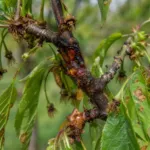 DiseaseBacterial blight and cankerPseudomonas syringae pv. syringae
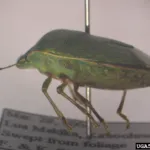 PestSouthern Green Stink BugNezara viridula
 PestMelon aphid (cotton aphid)Aphis gossypii Glover
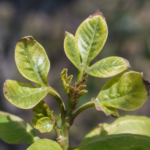 Environmental stressNickel deficiency
Toxicity and pollen
The mature seeds are a recognized food crop when properly cooked. As with other beans, raw or inadequately cooked seeds may contain antinutritional compounds and can cause gastrointestinal discomfort. No reliable evidence was found establishing Vigna mungo as a poisonous ornamental plant, but food preparation and ordinary plant-handling hygiene remain appropriate.
- Typical season
- During the summer flowering period in the United States, typically June–September when grown as a warm-season crop.
- Pollination / pollen
- Insect-released, relatively non-airborne pollen
This is an insect-pollinated legume with pollen generally retained near the flower rather than released in large windborne clouds. Airborne allergy relevance is therefore expected to be low, although individual sensitivities cannot be ruled out and no species-specific United States pollen monitoring data were located.
Native habitat
The accepted species is a cultivated crop of the Indian Subcontinent and is associated with seasonally dry tropical climates. It performs best with warm temperatures, a distinct frost-free season, moderate rainfall or managed irrigation, and fertile soils that drain after watering. It is not generally treated as a persistent wild plant in the United States.
Interesting fact
Black Gram belongs to the same broad cultivated Vigna group as mung bean, but it is a distinct accepted species. Its black seed coat and raised pale hilum help distinguish the dry seed. Root nodules formed with Bradyrhizobium bacteria can contribute biologically fixed nitrogen to the cropping system.
Frequently asked questions (FAQ)
The most relevant questions about this plant, with short and direct answers.
🌱Quick care
What is Black Gram (Vigna mungo)?⌄
Black Gram is a warm-season annual legume grown mainly for its edible black-coated seeds, commonly sold as urad or urad dal. It belongs to the pea family, Fabaceae, and is distinct from mung bean, Vigna radiata.
Is Black Gram easy to grow?⌄
Black Gram is moderately easy to grow when given warm weather, full sun, fertile soil, and consistent moisture. It is frost tender, so short growing seasons may require starting seeds indoors or growing it in a container.
🌤️Environment and placement
How much sunlight does Black Gram need?⌄
Black Gram needs full sun, ideally at least 6–8 hours of direct sunlight daily. Strong light supports compact growth, flowering, and seed production.
What USDA hardiness zones can grow Black Gram?⌄
Black Gram is best grown as a warm-season annual in frost-free parts of the United States rather than treated as a hardy perennial. It may perform best in warmer USDA zones, while gardeners in cooler zones should plant only after the soil and nights have warmed.
When should I plant Black Gram in the United States?⌄
Plant Black Gram outdoors after the danger of frost has passed and soil temperatures are consistently about 70°F. In cooler regions, start seeds indoors several weeks before the expected last frost and transplant carefully because the roots dislike disturbance.
What temperatures does Black Gram prefer?⌄
Black Gram prefers warm conditions, generally around 70–95°F during active growth. Growth slows in cool weather, and frost can severely injure or kill the plant.
Can Black Gram grow in containers?⌄
Yes, Black Gram can grow in a container that is at least 12 inches wide and deep, with drainage holes and fertile potting mix. Use a sunny location and avoid letting the container dry out completely.
💧Care and problems
How often should I water Black Gram?⌄
Water Black Gram moderately, keeping the soil evenly moist but not waterlogged. Water when the top inch of soil feels dry, and reduce watering somewhat as pods mature to help limit disease and uneven ripening.
What soil is best for Black Gram?⌄
The best soil is fertile, well-drained loam or clay-loam with good moisture retention and drainage. Heavy, poorly drained soil can cause root problems, while very sandy soil may require more frequent watering and added organic matter.
Does Black Gram need fertilizer?⌄
Black Gram benefits most from fertile soil rather than heavy nitrogen fertilizer because it is a legume that can form nitrogen-fixing root nodules. Excess nitrogen may produce leafy growth while reducing flowering and pod formation.
Does Black Gram need a trellis?⌄
Most Black Gram plants are short, spreading, or somewhat scrambling and usually do not need a trellis. Provide extra spacing or a small support only if the stems sprawl heavily or pods contact wet soil.
Why is my Black Gram not flowering?⌄
Poor flowering is commonly linked to cool temperatures, insufficient sunlight, excess nitrogen, or irregular watering. Move container plants to full sun and avoid heavy feeding while maintaining steady moisture.
What pests attack Black Gram?⌄
Black Gram may be affected by common bean pests such as aphids, thrips, whiteflies, leafhoppers, caterpillars, and pod-feeding insects. Inspect the undersides of leaves and developing pods regularly, and use the least-toxic control appropriate for the identified pest.
What diseases affect Black Gram?⌄
Black Gram can suffer from fungal and viral diseases, especially when foliage stays wet, plants are overcrowded, or infected seed is used. Improve air circulation, water at the soil line, remove badly affected plants, and use clean seed.
🪴Planting and repotting
How deep should I plant Black Gram seeds?⌄
Plant Black Gram seeds about 1 inch deep in prepared soil. Space plants approximately 4–6 inches apart, or thin seedlings after emergence to prevent crowding.
How long does Black Gram take to germinate?⌄
Black Gram seeds commonly germinate in about 4–10 days under warm, moist conditions. Germination may be slower or uneven when soil temperatures are below about 70°F or when the seedbed is too wet.
How long does Black Gram take to mature?⌄
Black Gram commonly matures in roughly 70–100 days, although the timing varies by variety, temperature, and growing conditions. Harvest when most pods have turned brown or dark and the seeds inside are firm.
How do I harvest Black Gram?⌄
Harvest Black Gram when pods are dry and mature but before they split widely and shed seeds. Pull or cut the plants, finish drying them in a well-ventilated place, then thresh and store the clean, fully dry seeds.
Can Black Gram be grown as a cover crop?⌄
Black Gram can provide seasonal legume cover and biomass in warm climates, but it is primarily grown as a food crop and is not frost hardy. In the United States, choose it as a cover crop only where the warm growing season is long enough for reliable establishment.
✂️Propagation and pruning
How do you propagate Black Gram?⌄
Black Gram is propagated from seed rather than cuttings or division. Sow fresh, viable seed directly into warm soil, or start it in biodegradable pots if an earlier start is needed.
Can I save seeds from Black Gram?⌄
Yes, you can save seed from fully mature, dry pods if the plant was not a hybrid and was kept away from other flowering Black Gram varieties. Dry the seeds thoroughly, remove damaged ones, and store them cool and dry in an airtight container.
Should Black Gram seeds be inoculated?⌄
Inoculation may improve nodulation and nitrogen fixation, particularly in soil that has not previously grown compatible legumes. Use an inoculant specifically labeled for the appropriate Vigna or legume group, because ordinary garden inoculants are not universally interchangeable.
⚠️Toxicity and safety
Are Black Gram plants toxic to people or pets?⌄
There is no confirmed specific toxicity associated with the living Black Gram plant in the supplied core information, but comprehensive pet-safety data are limited. Treat the plant and seed as a food crop only when correctly identified, and prevent pets from eating large quantities.
Can you eat Black Gram seeds raw?⌄
Black Gram seeds should be cooked thoroughly rather than eaten raw. Soaking and boiling reduces naturally occurring antinutritional compounds and improves digestibility.
Is Black Gram the same as mung bean?⌄
No, Black Gram is Vigna mungo, while mung bean is Vigna radiata. The two are related and can look similar, but Black Gram has dark seed coats and is commonly processed as urad dal.
🌸Flowering and special interest
What do Black Gram flowers look like?⌄
Black Gram produces small pea-family flowers, typically pale yellow to yellowish in color, on a low, branching annual plant. Flowers are followed by narrow pods containing the edible seeds.
Does Black Gram produce edible pods?⌄
Black Gram is generally grown for its mature seeds rather than its immature pods. The pods should be allowed to mature and dry before harvesting the beans for storage or cooking.
Similar plants
 Azure Monkshood (Aconitum carmichaelii) care guideAconitum carmichaelii
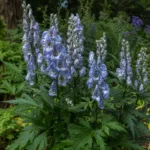 Monkshood (Aconitum ‘Stainless Steel’)Aconitum 'Stainless Steel'
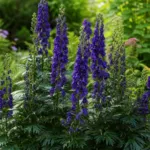 Monkshood (Aconitum ‘Bressingham Spire’)Aconitum 'Bressingham Spire'
 Golden full moon maple (Acer shirasawanum ‘Aureum’)Acer shirasawanum 'Aureum'
 Globosum (Acer platanoides ‘Globosum’)Acer platanoides 'Globosum'
 Striped maple (Acer pensylvanicum) care guideAcer pensylvanicum