
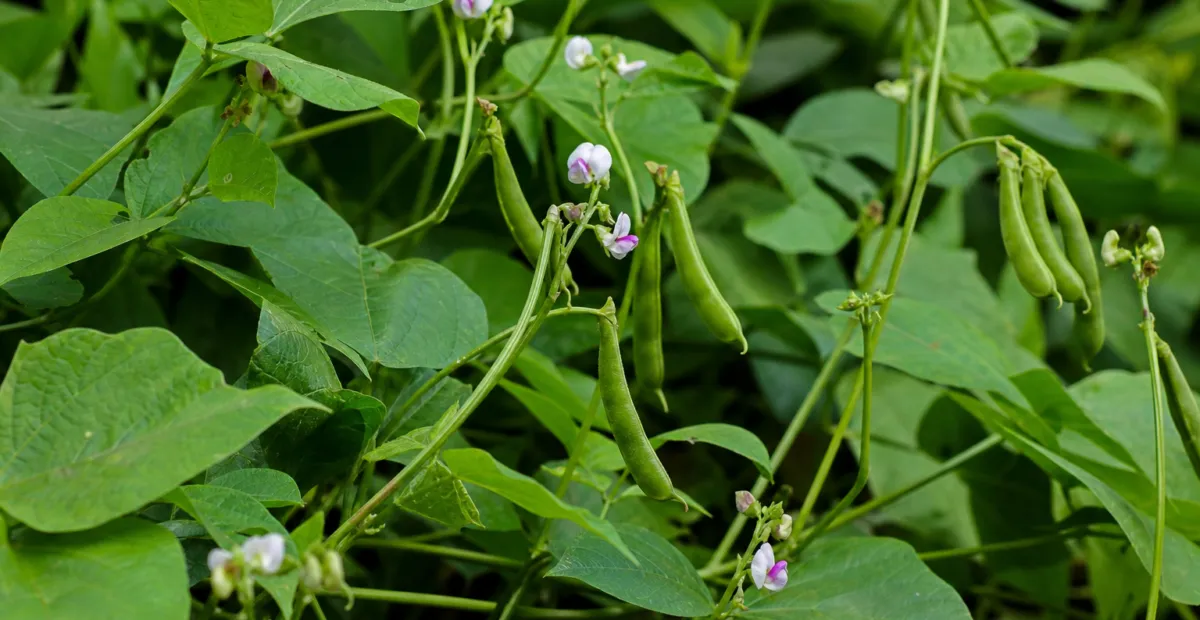
 AI-generated illustration
Moth Bean (Vigna aconitifolia) short overview
Moth Bean is a low-growing annual legume valued for its edible green pods and small, protein-rich seeds. Native to the Indian Subcontinent and nearby parts of Asia, it forms a dense, spreading mat of hairy stems and deeply lobed leaflets, followed by bright yellow pea-like flowers and short pods. In the United States, it is best suited to hot, frost-free growing seasons, raised beds, and containers with excellent drainage.
Taxonomic classification
Moth Bean (Vigna aconitifolia) care guide
Light and placement
Give the plant full sun, ideally in a south- or southwest-facing bed with at least 8 hours of direct light. Strong light supports compact growth and pod production. Thin, weak stems and sparse flowering indicate inadequate light; scorched leaves or severe midday wilt usually point to excessive heat combined with dry roots rather than a need for shade. In very hot regions, afternoon shade may help containers, but dense shade reduces flowering and yield.
Watering and humidity
Water deeply when the upper 1–2 inches of soil becomes dry during establishment, then allow the surface to dry between waterings. Once the root system is established, the plant tolerates short dry periods, but consistent moisture during flowering and pod fill improves yield. Reduce irrigation near harvest and never leave containers standing in water. Humidity does not need to be increased; airflow is more useful in humid weather.
Soil and growing medium
Use loose, well-drained soil or potting mix with good aeration. Sandy loam is suitable, while compacted clay and persistently wet soil can restrict the taproot and encourage root disease. A slightly acidic to mildly alkaline reaction is generally acceptable. Organic matter helps establishment, but overly rich soil can produce foliage at the expense of pods.
Feeding
Moth Bean generally needs little fertilizer because it is a nitrogen-fixing legume. Incorporate a modest amount of mature compost before sowing if the soil is poor, but avoid high-nitrogen feeding, which can encourage leafy growth and delay pod production. If growth is weak in a container, use a balanced fertilizer at half strength once after establishment rather than repeated heavy applications.
Growth and habit
This is a short-lived annual with a low, spreading to occasionally twining habit. Stems can form a dense mat over the soil, making the plant suitable for open beds but awkward in tight borders. Harvesting pods regularly can help maintain productivity; allow adequate airflow where humidity is high.
Planting and repotting
Sow outdoors after the soil has warmed and all frost danger has passed. Place seeds about 1 inch deep and thin or space plants roughly 6 inches apart to allow the spreading stems to form a mat. Keep the seedbed evenly moist until emergence, then reduce watering as plants establish. In hot climates, sowing can be timed for a second warm-season crop.
Usually grown as a seasonal crop rather than a long-term container plant. Sow directly into the final container because the young taproot dislikes unnecessary disturbance. If transplanting is necessary, move seedlings while very young and keep the root ball intact.
Propagation and pruning
Propagation
Propagate from seed. Direct sowing is preferred once soil is warm. Use fresh, viable seed and avoid prolonged saturation during germination. Seed-grown plants mature in roughly two to three months under suitable warm conditions.
Pruning
Pruning is rarely necessary. Remove damaged or diseased stems promptly and cut back spent plants after pod harvest. Do not heavily trim during active flowering if seed production is desired.
Overwintering
Treat as a frost-tender annual. Harvest pods and seeds before the first freeze, then remove the spent plants. In cooler regions, containers can be moved indoors temporarily, but the species is generally more practical to resow the following warm season than to maintain through winter.
Uses
The green pods may be cooked as a vegetable, and the mature seeds may be eaten whole or split after thorough cooking. The plant has also been used as forage and as a drought-adapted pulse crop. In the United States it is primarily a specialty warm-season food crop and is not a common ornamental.
Appearance
Moth Bean has slender, hairy stems that grow horizontally from a short central base and may occasionally twine. Its trifoliate leaves have long petioles and deeply divided, narrow-lobed leaflets, giving the foliage an immediately distinctive outline. Bright yellow flowers are followed by smooth, short cylindrical pods that turn brown as they mature.
Flowering
Small bright yellow pea-like flowers are borne in short, stalked racemes. Flowering is associated with warm conditions and shortening day length in the crop literature, but the exact season varies by latitude and sowing date. Flowers are followed by short, cylindrical pods containing several small seeds.
Pollination and visitors
Reliable sources describe the flowers but do not establish a characteristic pollinator species or consistently documented visitor group for this plant. Avoid presenting it as a major pollinator garden species without local observations.
Vigna aconitifolia photos
Click any photo for a larger view. Source, author and license are shown separately.
Diseases and pests
Diseases
Prevent disease by using clean seed, rotating legumes, avoiding overhead irrigation, and providing fast drainage. Watch for damping-off in cool, wet seedbeds and root or stem rots in saturated soil. Remove severely affected plants rather than repeatedly watering or feeding them.
Pests
Check young growth and pods for aphids, leaf-chewing insects, pod borers, and spider mites, especially during hot, dry weather. Use row covers over young plants, hand-pick larger pests, remove badly damaged material, and encourage natural enemies. Avoid routine broad-spectrum insecticide use during flowering.
Related diseases and pests
Only Plant Doctor profiles whose host data indicate this plant may be affected are shown here.
 PestChilli thripsScirtothrips dorsalis Hood
 DiseaseBacterial blight and cankerPseudomonas syringae pv. syringae
 PestSouthern Green Stink BugNezara viridula
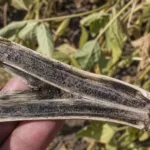 DiseaseCharcoal rotMacrophomina phaseolina (Tassi) Goid.
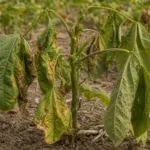 DiseaseBacterial Wilt of Dry BeanCurtobacterium flaccumfaciens pv. flaccumfaciens
 DiseaseCucumber mosaic virusCucumber mosaic virus
 PestMelon aphid (cotton aphid)Aphis gossypii Glover
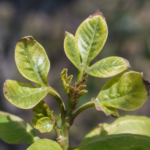 Environmental stressNickel deficiency
Toxicity and pollen
Moth bean is a cultivated food legume, and the green pods and mature seeds are eaten in its traditional food regions. Raw legumes may contain antinutritional compounds, including trypsin inhibitors; cook seeds thoroughly before eating. Reliable evidence for poisoning of people or pets from ordinary garden contact is limited, so avoid making medicinal or absolute safety claims.
- Pollination / pollen
- Insect-associated flower pollen; airborne relevance not well documented
Moth Bean produces pollen as a flowering legume, but reliable US-specific airborne pollen counts or clinical allergy data were not located. Its flowers are relatively small and insect-associated; that does not prove zero allergy risk. Sensitive gardeners should use ordinary pollen precautions during flowering.
Native habitat
The species is native from the Indian Subcontinent through Myanmar and into Yunnan, China. It occurs in subtropical settings including plains, scrub, and disturbed or cultivated ground. It is adapted to heat, seasonal dryness, and relatively light soils, with a root system capable of supporting growth under limited moisture.
Interesting fact
The species is closely associated with hot, dry agriculture and is noted for drought resistance. Its branches form a dense ground-hugging mat that can shade nearby soil. Root nodules house nitrogen-fixing bacteria typical of legumes. The common name “moth” is linked to a Hindi pronunciation of “mat” or “mote.”
Similar plants
 Azure Monkshood (Aconitum carmichaelii) care guideAconitum carmichaelii
 Monkshood (Aconitum ‘Stainless Steel’)Aconitum 'Stainless Steel'
 Monkshood (Aconitum ‘Bressingham Spire’)Aconitum 'Bressingham Spire'
 Golden full moon maple (Acer shirasawanum ‘Aureum’)Acer shirasawanum 'Aureum'
 Globosum (Acer platanoides ‘Globosum’)Acer platanoides 'Globosum'
 Striped maple (Acer pensylvanicum) care guideAcer pensylvanicum