
 Source:
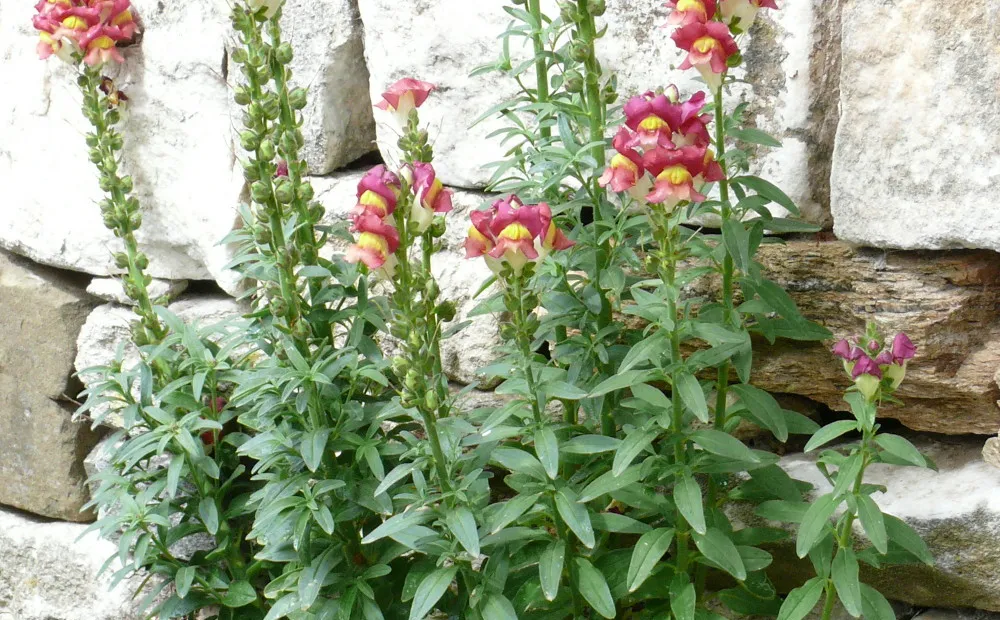
 Snapdragons (Antirrhinum majus) short overview
Antirrhinum majus, known in the United States as snapdragons, is a cool-season flowering plant grown for upright spikes of dragon-shaped, two-lipped blooms in many colors. It performs best in full sun, fertile well-drained soil, and moderate moisture. Commonly treated as an annual outside USDA Zones 7–10, it may flower from spring into fall where summers remain relatively cool, and it is valuable for beds, containers, cutting gardens, and pollinator-friendly plantings.
Taxonomic classification
Snapdragons (Antirrhinum majus) care guide
Light and placement
Grow in full sun, ideally with at least 6 hours of direct light and good air circulation. An east- or south-facing position is suitable; in hot-summer areas, light afternoon shade can reduce heat stress. Too little light produces thin, leaning stems and fewer flowers, while excessive heat combined with intense reflected light may cause wilting and shortened bloom.
Watering and humidity
Water deeply when the upper inch of soil begins to dry, then allow excess water to drain. Keep seedlings evenly moist, but never saturated. Established plants need more frequent irrigation during hot, dry weather and less during cool or rainy periods. Water at the base rather than over the foliage to reduce fungal disease risk.
Soil and growing medium
Use fertile, organically enriched soil that drains freely but does not dry excessively fast. A loam-based garden soil or quality container mix is suitable. Avoid persistently waterlogged sites, which increase root and crown disease risk. Slightly acidic to neutral soil is generally suitable; routine heavy liming is unnecessary unless a soil test indicates a need.
Feeding
In fertile soil, incorporate compost before planting and use a balanced fertilizer only if growth is weak or soil tests indicate low fertility. Container plants may receive a diluted balanced fertilizer every 3–4 weeks while actively growing. Do not overfeed late in the season or apply fertilizer to drought-stressed, waterlogged, or newly transplanted plants.
Growth and habit
Plants form upright, branched or sparsely branched stems and can become top-heavy when tall cultivars are grown in low light or exposed sites. Pinching young plants encourages branching; staking may help tall varieties. Deadheading and cutting back after a weak first flush can promote renewed flowering.
Planting and repotting
Start seed indoors about 6–10 weeks before the expected last spring frost, or set out nursery plants after the main danger of hard frost has passed. Press seeds onto the surface because light supports germination; do not bury them deeply. Space plants about 6–12 inches apart, depending on cultivar height and desired airflow.
Move seedlings into individual cells or small pots after they develop several true leaves. Transplant container-grown plants with minimal root disturbance when cool weather is suitable. Choose containers with drainage holes and avoid burying the crown deeper than it was previously growing.
Propagation and pruning
Propagation
Sow seed indoors 6–10 weeks before the last frost date. Press seed onto moist medium without covering, provide bright light, and maintain even moisture. Cuttings can be taken from healthy nonflowering shoots in late summer or fall for overwintering, although seed and purchased plants are more commonly used.
Pruning
Pinch young shoot tips to encourage branching. Remove spent flower spikes before seed formation if continued bloom is desired. If flowering declines sharply after the first flush, cut plants back by roughly one-third to one-half, then water and feed appropriately. Remove damaged or diseased stems at any time.
Overwintering
In USDA Zones 7–10, plants may overwinter as short-lived perennials if placed in a protected, well-drained site and mulched lightly after the soil cools. In colder zones, grow them as annuals or take late-summer cuttings for protected overwintering. Avoid keeping plants wet during cold weather.
Uses
Use snapdragons in mixed borders, containers, window boxes, cottage-style plantings, cutting gardens, and pollinator-oriented beds. Tall cultivars provide useful cut stems, while dwarf forms suit edging and containers. They are ornamental plants rather than a recommended culinary or medicinal crop.
Appearance
Snapdragons have smooth to slightly textured, narrow lance-shaped leaves arranged along upright green stems. The identifying feature is the dense terminal raceme of inflated, bilaterally symmetrical flowers with a hinged lower lip. Tall cultivars are more vertical and may need support; dwarf cultivars form shorter, fuller mounds.
Flowering
Flowers are borne in terminal racemes, with successive buds opening upward along the stem. The tubular, two-lipped corollas have a closed, hinged form that opens when visited by suitably strong insects. Flowering is strongest in cool spring and fall weather and may slow during prolonged summer heat.
Pollination and visitors
The closed, hinged flower shape is especially accessible to strong insects such as bumblebees, which can force the corolla open and reach the reproductive structures. Visitor activity is greatest during suitable cool-season flowering weather.
Antirrhinum majus photos
Click any photo for a larger view. Source, author and license are shown separately.
Diseases and pests
Diseases
Watch for damping-off, root or crown rots, rust, downy mildew, and gray mold. Use clean seed-starting media, provide airflow, water at the soil surface, and remove infected foliage promptly. Avoid crowding and prolonged leaf wetness. Choose disease-resistant cultivars where available and discard severely affected plants rather than composting diseased material.
Pests
Aphids, thrips, spider mites, and occasionally leafminers may attack snapdragons. Inspect growing tips and undersides of leaves regularly. Improve plant vigor with adequate light and spacing, wash off light infestations with water, and use insecticidal soap only when needed and according to its label. Remove badly infested material and avoid broad-spectrum insecticides during bloom.
Related diseases and pests
Only Plant Doctor profiles whose host data indicate this plant may be affected are shown here.
 DiseasePhytophthora palmivora Bud RotPhytophthora palmivora
 DiseaseBlack Root RotBerkeleyomyces basicola
 DiseaseCrown gallAgrobacterium tumefaciens (現在 commonly classified as Rhizobium radiobacter)
 DiseaseCucumber mosaic virusCucumber mosaic virus
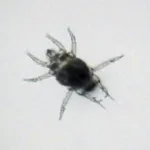 PestBroad mitePolyphagotarsonemus latus (Banks)
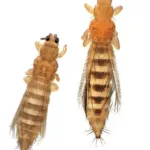 PestOnion thripsThrips tabaci Lindeman
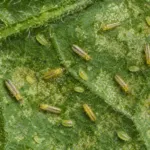 PestMelon thripsThrips palmi Karny
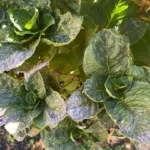 PestChilli thripsScirtothrips dorsalis Hood
Toxicity and pollen
ASPCA lists Antirrhinum majus as non-toxic to dogs and cats. No significant human toxicity is established for ordinary garden contact, but plant material should not be intentionally consumed unless specifically identified as edible by a reliable source. Avoid ingestion by children and pets as a general gardening precaution.
- Typical season
- Spring through fall during flowering
- Pollination / pollen
- Insect-carried, relatively non-airborne pollen
Snapdragon pollen is primarily released within the flower and transported by visiting insects rather than dispersed freely by wind. This suggests relatively low airborne exposure for most gardeners, but sensitive individuals may still react to flowering plants or garden dust. Individual allergy responses vary.
Native habitat
The species is native to southwestern Europe and is associated with open, sunny terrestrial habitats, including grassland, rocky ground, and disturbed places. In cultivation it prefers fertile but sharply drained soil and relatively cool growing conditions. It may escape locally in parts of North America without being broadly native there.
Interesting fact
The common name refers to flowers that resemble a dragon’s mouth and open when squeezed from the sides. Snapdragons are important model plants in developmental genetics. Cultivars range from dwarf bedding forms to tall cut-flower types. Plants often bloom more reliably in cool weather than during intense summer heat.
Frequently asked questions (FAQ)
The most relevant questions about this plant, with short and direct answers.
🌱Quick care
What are the basic care requirements for Snapdragons?⌄
Snapdragons grow best in full sun, moderate moisture, and fertile, organically enriched, well-drained soil. Keep the soil evenly moist without leaving the roots waterlogged, especially while plants are establishing or flowering.
Are Snapdragons annuals or perennials?⌄
Snapdragons are short-lived tender perennials but are commonly grown as annuals in the United States. In mild climates they may survive winter and return, while cold winters usually kill them.
🌤️Environment and placement
How much sun do Snapdragons need?⌄
Snapdragons perform best in full sun, meaning at least 6 hours of direct light daily. They can tolerate light shade, but too little sun may produce weaker stems and fewer flowers.
What type of soil is best for Snapdragons?⌄
Use fertile, organically enriched, well-drained loam for Snapdragons. Soil that holds moderate moisture but drains freely is ideal because consistently soggy conditions can damage the roots.
Can Snapdragons grow in containers?⌄
Snapdragons grow well in containers when planted in a quality, well-draining potting mix and given full sun. Choose a container with drainage holes and provide support for tall cultivars exposed to wind.
Do Snapdragons tolerate cold weather?⌄
Snapdragons tolerate light frost and generally perform well during cool spring and fall weather. Protect them from hard freezes, which can cause severe damage or kill the plants.
Are Snapdragons good cool-season flowers?⌄
Yes, Snapdragons are excellent cool-season flowers and often perform best in spring and fall. In hot summer regions, flowering may slow during the hottest period and resume when temperatures moderate.
💧Care and problems
How often should I water Snapdragons?⌄
Water Snapdragons when the top inch of soil begins to dry, aiming for moderate and consistent moisture. Water at the soil line rather than repeatedly wetting the foliage to help reduce disease risk.
Why are my Snapdragons wilting?⌄
Wilting Snapdragons may need water, but wilting in wet soil can indicate root stress or disease. Check soil moisture, improve drainage, and inspect the stems and roots before watering more frequently.
Should I deadhead Snapdragons?⌄
Yes, deadhead Snapdragons by removing faded flower spikes to encourage continued blooming and improve the plant’s appearance. Allowing some flowers to mature can produce seed for future plants.
Do Snapdragons need fertilizer?⌄
Snapdragons usually benefit from fertile soil amended with compost and may need a balanced flower fertilizer during active growth. Avoid excessive nitrogen, which can encourage leafy growth at the expense of flowers.
Do tall Snapdragons need staking?⌄
Tall Snapdragons often need staking or another support system, particularly in windy locations or after heavy rain. Compact and dwarf cultivars usually remain self-supporting.
What pests commonly affect Snapdragons?⌄
Aphids are among the common pests that can affect Snapdragons. Inspect young shoots and flower stems regularly, and use a strong water spray or an appropriate labeled treatment if infestations become significant.
What diseases affect Snapdragons?⌄
Snapdragons can develop rust, powdery mildew, downy mildew, damping-off, leaf spots, and several wilt diseases. Improve air circulation, avoid overwatering, remove infected material, and water the soil instead of the foliage.
🪴Planting and repotting
When should I plant Snapdragons in the United States?⌄
Plant Snapdragons in early spring before summer heat or in late summer for fall color, adjusting the timing to your local frost dates. Set plants out when severe freezing is unlikely, while protecting them from hard freezes.
Can I plant Snapdragons before the last frost?⌄
You can plant established Snapdragons shortly before the last frost because they tolerate light frost and cool conditions. Delay planting or provide protection when a hard freeze is forecast.
How far apart should Snapdragons be planted?⌄
Space Snapdragons according to their mature size, usually about 6 to 12 inches apart for compact types and up to 18 inches for tall cultivars. Wider spacing improves airflow and can help limit foliar disease.
Can Snapdragons be direct-sown outdoors?⌄
Snapdragons can be direct-sown outdoors in very early spring or late summer where conditions are suitable, but the tiny seeds should be pressed onto the soil surface rather than deeply covered. Keep the seedbed evenly moist until germination.
How deep should Snapdragon seeds be planted?⌄
Sow Snapdragon seeds on the soil surface because they need light to germinate, then press them gently into contact with the growing medium. Do not bury them under a thick layer of soil.
How long do Snapdragon seeds take to germinate?⌄
Snapdragon seeds commonly germinate in about 7 to 14 days under favorable conditions. Germination may be slower when the seed medium is too cold, too dry, or overly wet.
✂️Propagation and pruning
How do you grow Snapdragons from seed?⌄
Start Snapdragon seeds indoors about 8 to 10 weeks before your area’s last spring frost, sowing them on the surface of moist seed-starting mix. Keep seedlings in bright light, grow them on in cool conditions, and harden them off before planting outdoors.
Can Snapdragons self-seed?⌄
Snapdragons can drop seed and produce volunteer seedlings, although self-seeding is not equally reliable in every garden. Leave a few spent flower heads in place if you want to encourage natural reseeding.
Can Snapdragons be propagated from cuttings?⌄
Snapdragons are most commonly propagated from seed, while some cultivars can also be maintained from cuttings. Seed is generally the simplest method for home gardeners, but cuttings may be useful for preserving a particular plant.
Should Snapdragons be cut back after flowering?⌄
Snapdragons do not require routine pruning, but cutting back declining stems can encourage fresh growth and improve their shape. Deadheading is usually enough to extend flowering during the season.
⚠️Toxicity and safety
Are Snapdragons toxic to dogs?⌄
Snapdragons are considered non-toxic to dogs. Nevertheless, eating large amounts of any plant material can cause stomach upset, so contact a veterinarian if your dog develops concerning symptoms.
Are Snapdragons toxic to cats?⌄
Snapdragons are considered non-toxic to cats. Keep pets from consuming large quantities because even non-toxic plant material may cause digestive upset.
Are Snapdragons edible for people?⌄
Snapdragon flowers are generally described as edible, but they are often bitter and are mainly used as decorative garnishes. Use only correctly identified, pesticide-free flowers grown for culinary use.
🌸Flowering and special interest
When do Snapdragons bloom?⌄
Snapdragons generally bloom from spring into fall, with the strongest performance during cooler weather. Flowering may pause during extreme summer heat and improve again when temperatures fall.
How can I make Snapdragons bloom more?⌄
Provide full sun, consistent moderate moisture, fertile well-drained soil, and regular deadheading to encourage more Snapdragon flowers. Tall types may also need support so stems remain upright and productive.
Why are my Snapdragons not blooming?⌄
Snapdragons may fail to bloom because of insufficient sunlight, excessive nitrogen, heat stress, drought, or immature plants. Move container plants into brighter light, keep moisture consistent, and avoid heavy nitrogen feeding.
Are Snapdragons good for pollinators?⌄
Snapdragons can support pollinators, especially bumblebees and some solitary bees that can open their hinged flowers. Choose open or pollinator-friendly forms when wildlife value is a priority.
Are Snapdragons good cut flowers?⌄
Tall Snapdragons are excellent cut flowers because they produce long, upright stems in many colors. Harvest stems when the lower flowers are opening, and support plants to reduce bending or breakage.
How tall do Snapdragons grow?⌄
Snapdragon cultivars range from about 6 inches tall to 3 feet or more, depending on the type. Dwarf forms suit borders and containers, while tall forms work well as background plants and cut flowers.
Similar plants
 Azure Monkshood (Aconitum carmichaelii) care guideAconitum carmichaelii
 Monkshood (Aconitum ‘Stainless Steel’)Aconitum 'Stainless Steel'
 Monkshood (Aconitum ‘Bressingham Spire’)Aconitum 'Bressingham Spire'
 Golden full moon maple (Acer shirasawanum ‘Aureum’)Acer shirasawanum 'Aureum'
 Globosum (Acer platanoides ‘Globosum’)Acer platanoides 'Globosum'
 Striped maple (Acer pensylvanicum) care guideAcer pensylvanicum