
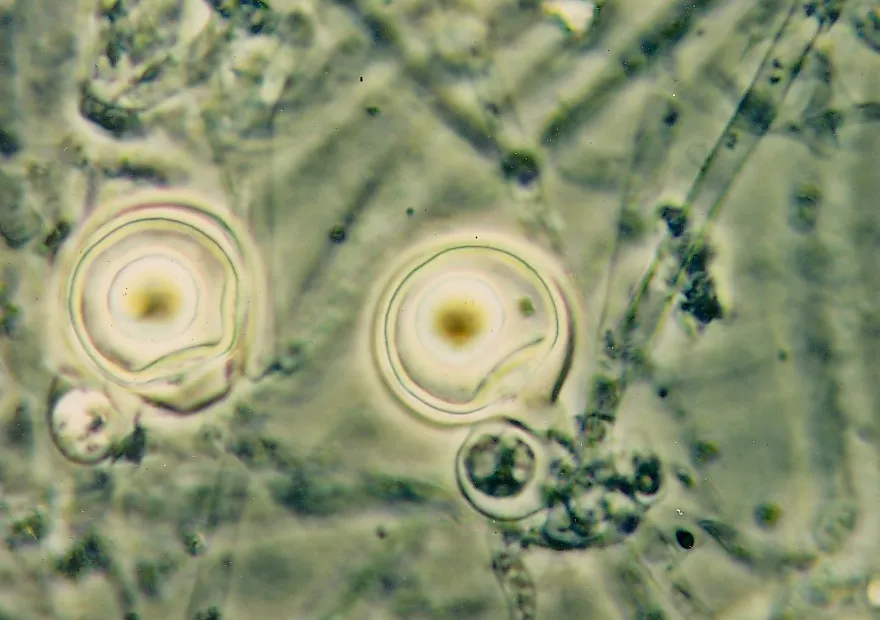
Phytophthora palmivora Bud Rot
Phytophthora palmivoraPhytophthora palmivora Bud Rot overview
Phytophthora palmivora is a water-mold pathogen that causes bud, spear, crown, root, stem, and fruit rots in warm, humid conditions. It is especially important on palms, cacao, and several tropical ornamentals. In the United States, disease risk is greatest in Florida, Hawaii, tropical territories, warm greenhouse environments, poorly drained containers, and during prolonged wet weather. Accurate diagnosis is important because several Phytophthora species produce similar symptoms.
Typical conditions
Overview
Phytophthora palmivora is not a true fungus, although it is commonly described in horticultural references as a fungus-like pathogen. It is associated with bud or spear rot of palms, black pod rot of cacao, fruit rots, and root or crown diseases of susceptible tropical, subtropical, ornamental, and greenhouse plants.
On palms, the pathogen commonly begins in tender spear tissue or the crown. Early infections may be mistaken for mechanical injury, nutritional stress, chilling injury, or other bud-rot organisms. Confirmation may require laboratory isolation and molecular testing because symptoms overlap among Phytophthora species and other decay pathogens.
In the United States, the disease is most relevant in warm, humid regions such as Florida and Hawaii, tropical U.S. territories, protected nurseries, greenhouses, and landscapes where irrigation or rainfall keeps plant tissue and growing media wet.
Symptoms and identification
- Palms: the youngest unopened spear leaf becomes pale green, yellow-green, water-soaked, or brown; lesions enlarge as the spear unfolds, and the leaf may collapse, dry to a straw color, or pull from a soft, foul-smelling crown.
- Advanced palm disease: newly emerging leaves are progressively lost, the crown becomes sparse, older fronds may remain green temporarily, and the palm can die when the growing point is destroyed.
- Leaf tissue: irregular tan to dark-brown lesions may have water-soaked margins, interveinal tissue collapse, shot-hole-like areas, or bite-like losses after dead tissue drops out.
- Cacao and tropical fruit: firm brown to black, rapidly expanding lesions develop on pods or fruit, often during wet weather; premature fruit drop may occur.
- Roots and crowns: plants may wilt, show chlorosis, decline slowly or rapidly, and develop brown, water-soaked, decayed roots or crown tissue.
Symptoms alone do not reliably distinguish P. palmivora from other Phytophthora species, bacterial rots, or noninfectious disorders.
Causes and spread
The pathogen spreads in infected nursery stock, contaminated potting media, soil, irrigation water, runoff, rain splash, tools, footwear, equipment, and contact between wet plant surfaces. Sporangia can be dispersed by splashing water, while motile zoospores move through free water and saturated soil or potting mix. Storm injury, pruning wounds, insect damage, crown damage, and tissue weakened by flooding can increase infection risk.
In cacao, infected pods and pod debris can produce inoculum that spreads to nearby pods. In palm nurseries, dense spacing, overhead irrigation, reused containers, and poor drainage can support rapid disease development.
Life cycle and persistence
Phytophthora palmivora can produce sporangia, motile zoospores, and long-lived chlamydospores. Under wet conditions, sporangia release zoospores or germinate directly. Zoospores swim through surface water, encyst on susceptible tissue, germinate, and penetrate through natural openings, wounds, or directly through young tissue. The pathogen then grows through intercellular spaces and destroys host cells, producing water-soaked rot.
New sporangia may form on infected tissue when humidity remains high, creating repeated secondary infection cycles. Chlamydospores can persist in contaminated soil, debris, or growing media for extended periods. The exact disease cycle varies with host, isolate, temperature, moisture, and the tissue infected.
Treatment and control
Management is most successful when disease is detected early and environmental conditions are corrected. Isolate suspect container plants, improve drainage, stop recirculation of potentially contaminated irrigation water, and remove heavily rotted tissue or entire plants when the growing point is destroyed. On cacao and fruit crops, remove and destroy infected fruit and pod debris before additional sporulation and rain splash occur.
A palm with extensive crown or bud decay often cannot be saved because the single growing point has been killed. Lightly affected plants may sometimes recover if the crown remains firm and viable, but recovery is uncertain. Submit representative tissue, roots, or fruit to a state diagnostic laboratory or qualified plant pathologist when the diagnosis will affect removal, quarantine, or treatment decisions.
Low-impact and biological control
Prioritize sanitation, drainage, reduced leaf wetness, clean propagation materials, removal of infected tissue, and exclusion of contaminated water and media. Biological products based on antagonistic microorganisms may have a role in some nursery or crop systems, but performance is product-, host-, and environment-dependent. Use only products registered or legally permitted for the specific crop and disease in the United States, and follow the current label exactly. Organic certification requires confirmation that every input is allowed under the applicable certification program.
Prevention
- Purchase plants from reputable nurseries and reject stock with suspicious spear discoloration, crown softness, root decay, or unexplained wilt.
- Use clean containers, benches, tools, and pathogen-free or properly treated potting media; do not reuse contaminated media.
- Provide rapid drainage and avoid chronic saturation. Irrigate at the root zone when practical and allow foliage and crowns to dry.
- Increase spacing and airflow in nurseries and greenhouses. Avoid handling, pruning, or moving plants while foliage and crowns are wet.
- Remove and dispose of severely diseased plants, rotted crown tissue, fallen diseased fruit, and contaminated debris according to local rules; do not compost infected material unless the process is validated for pathogen destruction.
- Disinfect pruning tools between plants and prevent runoff from diseased containers or beds from reaching healthy plants.
- Protect palm crowns and young spear leaves from avoidable mechanical or storm damage, and monitor closely after prolonged wet weather.
Interesting facts
- Phytophthora palmivora is an oomycete, not a true fungus, and its motile zoospores require free water for movement.
- The pathogen has been documented on diverse hosts, but susceptibility can vary among plant species, cultivars, pathogen isolates, and environmental conditions.
- On palms, older leaves may remain green for months after the growing point is already seriously damaged.
- Storms can increase disease by injuring crowns and spreading contaminated water through nurseries and landscapes.
- Black pod rot of cacao is caused by several Phytophthora species; P. palmivora is an important and widespread cause, but laboratory confirmation may be needed.
Do not apply a pesticide solely from a photograph or symptom description. Use only fungicides or oomycete-targeted products legally authorized for the specific crop and Phytophthora problem in the state where the plant is grown, and follow the current EPA-approved label, state restrictions, reentry interval, personal protective equipment, resistance-management instructions, and harvest interval. Chemical products generally protect healthy or newly developing tissue better than they reverse advanced crown or root rot. Confirm the diagnosis and consult a local Extension professional for crop-specific options.
Affected plants
The plants below are linked to this problem by structured host-plant data. The list updates automatically as new plant profiles are added.
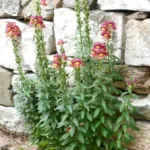 Snapdragons (Antirrhinum majus) care guideAntirrhinum majus
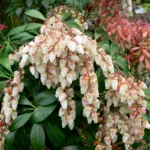 Pieris japonica care guidePieris japonica
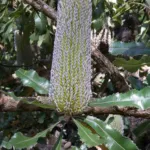 He saw banksia (Banksia serrata) care guideBanksia serrata
 He showy banksia (Banksia speciosa) care guideBanksia speciosa
 Garden Peony (Paeonia officinalis) care guidePaeonia officinalis
 Mezereon (Daphne mezereum) care guideDaphne mezereum
 Cucumber (Cucumis sativus) care guideCucumis sativus
 Eggplant (Solanum melongena) care guideSolanum melongena
 Dahlia ‘Thomas Edison’Dahlia 'Thomas Edison'
 Shasta Daisy (Leucanthemum superbum) care guideLeucanthemum superbum
 Mesa Yellow (Gaillardia aristata ‘Mesa Yellow’)Gaillardia aristata 'Mesa Yellow'