
 Source:
Coconut palm (Cocos nucifera) short overview
Coconut palm is a tall, evergreen tropical palm grown for its elegant crown of feather-like fronds and its versatile coconut fruits. It thrives in full sun, heat, humidity, and sharply drained soil, but it is highly sensitive to chilling and frost. In the United States, reliable outdoor culture is generally limited to frost-free parts of southern Florida, Hawaii, Puerto Rico, and similar climates; elsewhere it is usually grown as a temporary container specimen.
Taxonomic classification
Coconut palm (Cocos nucifera) care guide
Light and placement
Provide full sun, ideally with unobstructed southern or western exposure in the United States. Outdoor plants need strong direct light for crown development and fruiting. Insufficient light causes weak, elongated growth, sparse fronds, and poor flowering; sudden movement from shade into intense sun can scorch leaves, so acclimate gradually.
Watering and humidity
Water deeply when the upper few inches of the medium begin to dry, then allow excess water to drain completely. Young palms need consistent moisture while establishing; mature outdoor palms tolerate brief dry periods but perform best with regular irrigation in hot weather. Reduce watering in cool weather, especially indoors, without allowing the root ball to remain bone-dry.
Soil and growing medium
Use a sharply drained, sandy or sandy-loam medium with good air space. Coconut palm tolerates mildly acidic to neutral soil and some coastal salinity, but prolonged saturation encourages root problems. In containers, use a porous tropical-palm mix rather than dense garden soil, and ensure large drainage openings.
Feeding
Feed actively growing palms with a complete, slow-release palm fertilizer that supplies potassium, magnesium, and micronutrients, following the product label. Apply during warm growth periods and water thoroughly afterward. Do not fertilize cold-stressed, recently transplanted, drought-stressed, or waterlogged plants until roots are functioning normally.
Growth and habit
This solitary, single-stemmed palm develops a persistent crown of large pinnate leaves and produces repeated axillary inflorescences. Growth is strongest with warm roots, abundant light, regular moisture, and adequate potassium and micronutrients. Cold stress can cause delayed trunk, bud, and canopy damage even after temperatures recover.
Planting and repotting
Plant outdoors only after the soil and air are consistently warm and the site is completely frost-free. Set the palm at the same depth it was growing; do not bury the trunk base. Allow generous clearance from buildings, wires, pavement, and areas where falling coconuts could injure people or damage property. Water deeply during establishment.
Repot container plants in spring or early summer only when roots have filled the pot or drainage has declined. Move up one container size, disturb the root ball as little as possible, and use a heavy pot to reduce tipping. Large specimens resent frequent root disturbance.
Propagation and pruning
Propagation
Propagate from a mature, viable seed coconut. The fruit is planted on its side or partially buried in a warm, moist, well-drained medium with the germination pores positioned appropriately; warmth and patience are essential. Seed-grown palms are not true-to-type in every horticultural trait and may require several years before flowering.
Pruning
Remove only dead, broken, or hazardous fronds with clean tools. Do not routinely remove green fronds or cut into the growing point. In public or residential settings, remove developing flower clusters or fruit only when trained personnel can safely manage the height and falling-fruit risk. Avoid over-pruning before cold weather.
Overwintering
Move container plants indoors or into a heated greenhouse before nights approach 50°F. Give maximum light, maintain warmth, reduce watering as growth slows, and keep the crown dry enough to limit rot. Outdoor specimens in marginal climates may suffer damage even above freezing; prolonged temperatures in the low to middle 30s°F can damage trunks and cause later crown collapse.
Uses
Coconuts provide edible water, meat, oil, and dried copra; the husk yields coir fiber and the shell has craft and fuel uses. In landscapes, the palm is a dramatic tropical specimen, street, coastal, or resort plant where climate permits. Falling fruits and fronds can be hazardous, and harvesting the growing tip kills the palm.
Appearance
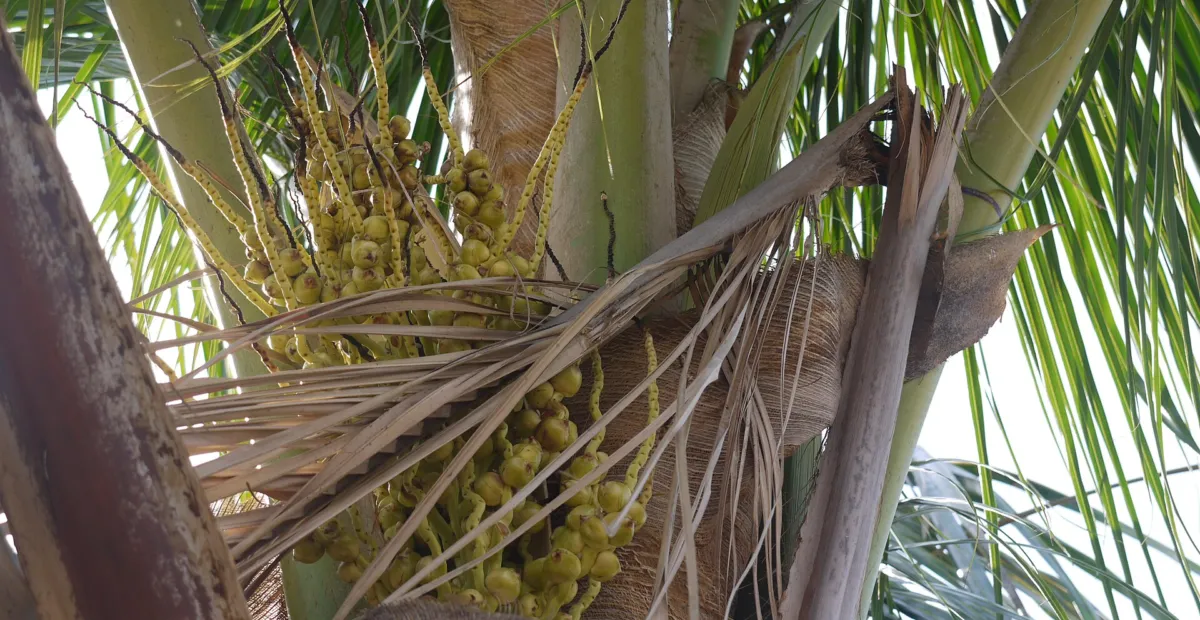
A solitary palm with a slender gray, often slightly curved trunk marked by leaf scars and a crown of long, arching, feather-like fronds. Leaflets are numerous and arranged along a central rachis. Inflorescences emerge from leaf axils, followed by clusters of large green to brown coconuts that remain conspicuous beneath the crown.
Flowering
Coconut palm is monoecious, producing separate male and female flowers within the same branched inflorescence. Creamy-yellow flowers emerge from leaf axils beneath protective bracts, with flowering and fruit development potentially continuing throughout the year in warm tropical climates. Flowering is greatly reduced by cold, stress, or inadequate light.
Pollination and visitors
The small male and female flowers are visited by insects, including bees and other flower-visiting insects. Pollination biology varies among cultivars and growing conditions, and wind may also contribute to pollen movement within the crown. The flowers are not documented here as a specialist resource for a single named pollinator species.
Cocos nucifera photos
Click any photo for a larger view. Source, author and license are shown separately.
Diseases and pests
Diseases
Watch for lethal yellowing, bud or trunk rots, leaf-spot diseases, and disorders associated with cold injury or nutrient imbalance. Use clean planting material, avoid trunk wounds and overwatering, maintain balanced palm nutrition, and remove only clearly dead tissue. In regions with lethal yellowing, select locally recommended resistant material where available.
Pests
Common problems include rhinoceros beetles, palm leaf skeletonizers, scale insects, mealybugs, mites, and various borers depending on region. Inspect new growth and leaf bases, isolate infested container plants, improve airflow, and use targeted treatments only when pests are confirmed. Avoid unnecessary broad-spectrum insecticides that can harm beneficial insects.
Toxicity and pollen
Coconut products are widely used as food, and no strong evidence indicates that the living palm is broadly poisonous to humans or common household pets. However, fallen fruit, husks, shells, and fibrous material can cause choking, gastrointestinal obstruction, or mechanical injury if swallowed. Handle fallen fruit carefully and seek veterinary advice after ingestion of large pieces.
- Typical season
- Potentially year-round in warm tropical areas; no reliable US seasonal calendar found
- Pollination / pollen
- Insect-associated palm pollen; airborne release may occur
Coconut palm produces pollen from its male flowers, but reliable United States data on airborne concentrations and clinical allergy importance are limited. Do not assume zero risk solely because the flowers are insect-visited. People with known palm-pollen sensitivity should avoid handling flowering material when symptoms occur and consult an allergist for individualized advice.
Native habitat
The species is native to tropical regions from Central Malesia to the southwestern Pacific and is strongly associated with humid, lowland tropical environments, especially coastal areas and islands. It commonly grows in sandy or well-drained soils and tolerates salt-laden winds, but it is not adapted to frost or prolonged cool conditions.
Interesting fact
The coconut fruit is botanically a fibrous one-seeded drupe, not a true nut. The fibrous husk supplies coir, while the shell encloses the endosperm and embryo. Coconut palms are monoecious, so male and female flowers occur on the same plant. The species has been dispersed widely by human cultivation and floating fruits.
Frequently asked questions (FAQ)
The most relevant questions about this plant, with short and direct answers.
🌱Quick care
What is a coconut palm?⌄
A coconut palm is Cocos nucifera, a tropical palm in the Arecaceae family. It is grown for its ornamental form and edible coconuts, but it is frost tender and needs warm conditions.
How much sun does a coconut palm need?⌄
Coconut palms need full sun, ideally at least 6–8 hours of direct sunlight daily. Bright light is especially important for container-grown palms kept indoors during cold weather.
How often should you water a coconut palm?⌄
Water a coconut palm regularly to keep the root zone evenly moist but never waterlogged. Container palms may need frequent watering in hot, dry weather, while established outdoor palms need less supplemental water during rainy periods.
What soil is best for a coconut palm?⌄
Use sandy, porous, sharply drained soil for a coconut palm. Heavy or constantly wet soil can reduce root health and increase the risk of rot.
Can coconut palms grow indoors?⌄
Coconut palms can be grown indoors temporarily when they receive strong direct light, warmth, humidity, and adequate space. They are difficult long-term houseplants because they eventually become large and need more light than most homes provide.
🌤️Environment and placement
Where can coconut palms grow outdoors in the United States?⌄
Coconut palms grow best outdoors in frost-free tropical and subtropical parts of the United States, especially southern Florida, Hawaii, Puerto Rico, and the U.S. Virgin Islands. Most mainland areas require container culture and winter protection.
Are coconut palms cold hardy?⌄
No, coconut palms are frost tender and can be seriously damaged by freezing temperatures. Bring container palms indoors before cold weather and protect small outdoor palms from brief cold events when practical.
Can coconut palms tolerate salt spray?⌄
Yes, established coconut palms generally tolerate salt spray and coastal conditions well. They still need good drainage and regular moisture, particularly when grown away from naturally humid coastal environments.
How large does a coconut palm become?⌄
A coconut palm can eventually reach about 40–60 feet tall with a broad crown in favorable outdoor conditions. Container-grown specimens remain smaller but may become difficult to manage as they mature.
Can a coconut palm grow in a container?⌄
Yes, a coconut palm can grow in a container when planted in a fast-draining mix and placed in full sun. Choose a heavy container with drainage holes, but expect growth and fruiting to be limited compared with an in-ground palm.
💧Care and problems
Why are my coconut palm leaves turning yellow?⌄
Yellow leaves may result from natural aging, nutrient deficiencies, cold stress, poor drainage, or inconsistent watering. Correct the growing conditions first, then use a palm fertilizer if deficiency symptoms persist.
What fertilizer does a coconut palm need?⌄
Use a slow-release fertilizer formulated for palms and follow the product label. Palm fertilizers commonly supply nitrogen, potassium, magnesium, and micronutrients that coconut palms may need in sandy or frequently watered soils.
Why is my coconut palm not growing?⌄
Slow growth is commonly caused by inadequate light, cold temperatures, restricted roots, poor nutrition, or waterlogged soil. Coconut palms grow fastest in warm, sunny conditions with consistent moisture and excellent drainage.
How do you protect a coconut palm from cold weather?⌄
Move container palms indoors before temperatures approach freezing and place them in the brightest warm location available. For small outdoor palms, cover the crown during brief cold events, but prolonged freezes may still be fatal.
What pests affect coconut palms?⌄
Coconut palms can be affected by scale insects and other palm pests, depending on the region. Inspect fronds and the crown regularly, and manage infestations early with a treatment appropriate for palms and the pest identified.
Can overwatering kill a coconut palm?⌄
Yes, overwatering can damage or kill a coconut palm when soil remains saturated and roots lack oxygen. Water thoroughly, then allow excess water to drain completely before watering again.
🪴Planting and repotting
When is the best time to plant a coconut palm?⌄
Plant a coconut palm during the warmest part of the growing season after cold weather has passed. In frost-prone areas, keep it in a container rather than planting it permanently outdoors.
How do you plant a coconut palm in the ground?⌄
Plant it at the same depth at which it was growing, in full sun and sharply drained sandy soil. Leave ample space around the trunk and crown because mature palms become tall, broad, and difficult to prune safely.
Can you repot a coconut palm?⌄
Yes, repot a coconut palm when roots fill the container or drainage becomes poor. Move it into only the next container size, use a porous mix, and avoid burying the trunk or the swollen base deeper than before.
Can you grow a coconut palm from a store-bought coconut?⌄
Sometimes, but the coconut must be a viable, mature seed with its husk intact; many grocery-store coconuts are processed or too dry to germinate. Fresh planting material from a reputable source is more dependable.
✂️Propagation and pruning
How do you germinate a coconut palm seed?⌄
To germinate a coconut palm, place a mature coconut in a warm, humid, sharply drained medium with part of the husk exposed. Keep it consistently moist but not saturated, and expect germination to take several weeks or longer.
How long does it take a coconut palm seed to germinate?⌄
A viable coconut seed may germinate in roughly 1–6 months under warm, consistently humid conditions. Cool temperatures, drying, or poor drainage can delay germination or cause the seed to rot.
Can you propagate a coconut palm from a cutting?⌄
No, coconut palms are not normally propagated from stem cuttings because they grow from a single apical growing point. Propagation is generally done from viable seeds.
Should you prune a coconut palm?⌄
Prune only dead, broken, or clearly hazardous fronds, and remove fruit clusters when they pose a safety risk. Do not cut healthy green fronds unnecessarily because excessive pruning can stress the palm.
⚠️Toxicity and safety
Are coconut palms toxic to people or pets?⌄
Coconut palms are generally considered a low-toxicity concern, but eating large amounts of coconut products can still cause digestive problems in pets. The greater hazards are falling fruit, heavy fronds, and sharp fibrous husks.
Are falling coconuts dangerous?⌄
Yes, falling coconuts can cause serious injury or property damage. Keep people, vehicles, and structures away from fruiting palms when possible, and hire qualified professionals to remove hazardous fruit or fronds from tall palms.
Is coconut husk dangerous to handle?⌄
Coconut husks are not typically poisonous, but their coarse fibers and hard shell can cause cuts, splinters, or eye injuries. Wear gloves and eye protection when opening or processing coconuts.
🌸Flowering and special interest
How long does it take a coconut palm to produce coconuts?⌄
A coconut palm may begin flowering and fruiting after several years in a warm, sunny climate, but timing varies by variety and growing conditions. Container-grown or cold-stressed palms may never produce fruit.
How often do coconut palms flower?⌄
Coconut palms can produce flower clusters throughout the year in suitable tropical conditions. Flowering and fruit development slow or stop when temperatures, light, nutrition, or moisture are inadequate.
Why is my coconut palm flowering but not producing coconuts?⌄
Flowering without fruit may result from inadequate warmth, stress, poor pollination, nutrient problems, or immature flowers. Cold weather and container culture are common reasons a palm flowers inconsistently or fails to retain fruit.
Similar plants
 Nipa Palm (Nypa fruticans) care guideNypa fruticans
 Ribbon Fan Palm (Livistona decora) care guideLivistona decora
 Cabbage Tree Palm (Livistona australis) care guideLivistona australis
 He mangrove fan palm (Licuala spinosa) care guideLicuala spinosa
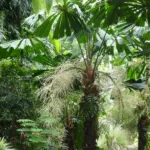 He Queensland fan palm or Australian fan palm (Licuala ramsayi) care guideLicuala ramsayi
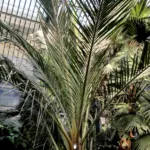 Mkambati Palm (Jubaeopsis caffra) care guideJubaeopsis caffra