
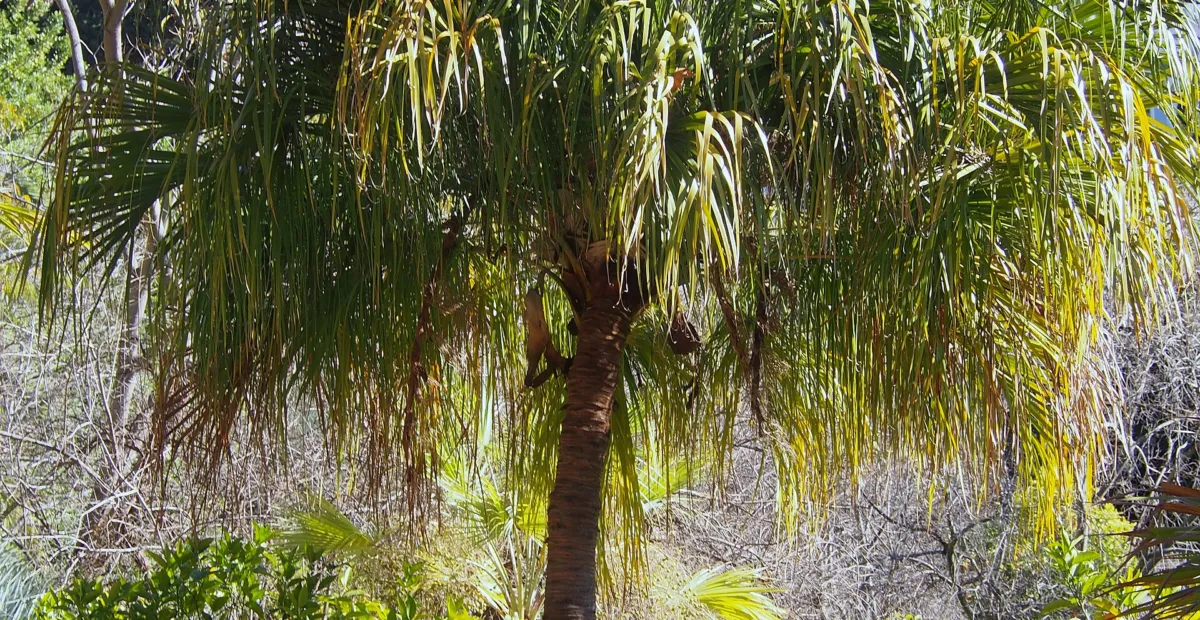
 Source:
Ribbon Fan Palm (Livistona decora) short overview
Livistona decora, known in the United States as Ribbon Fan Palm, is a solitary Australian palm prized for its slender trunk and finely divided fan leaves with gracefully drooping leaflet tips. It grows best in full sun to light partial shade, fertile well-drained soil, and regular moisture during establishment. In warm regions it makes a striking landscape specimen; elsewhere, it may be grown in a large container and protected from hard freezes.
Taxonomic classification
Ribbon Fan Palm (Livistona decora) care guide
Light and placement
Give full sun for the strongest growth and best crown form; light partial shade is tolerated, especially for young plants in hot inland climates. A south- or west-facing site is suitable where summers are warm, but shelter from desiccating wind helps prevent leaflet scorch. Too little light produces weak, stretched growth; intense reflected heat combined with drought can brown leaflet tips.
Watering and humidity
Water deeply and consistently while establishing, allowing the upper surface to dry slightly between irrigations but never letting the root ball become bone-dry. Mature landscape plants tolerate short dry periods but look best with moderate moisture. Increase irrigation during hot, windy weather and reduce it in cool weather without allowing winter saturation. Humidity is secondary to good root drainage.
Soil and growing medium
Use fertile, well-drained soil with good air space around the roots. Sandy or loamy ground is suitable, provided it does not become excessively dry. A mildly acidic to slightly alkaline reaction is generally tolerated; avoid stagnant, waterlogged sites and improve heavy clay with organic matter and drainage rather than creating a sharply contrasting planting pocket.
Feeding
Feed in spring through late summer with a controlled-release palm fertilizer that supplies magnesium and micronutrients, following the product label. Container plants may need lighter, more frequent feeding than in-ground specimens. Do not fertilize drought-stressed, freshly transplanted, or frost-damaged palms until active growth resumes.
Growth and habit
This is a solitary, upright palm that develops one trunk rather than a clump. In warm climates with regular water and nutrition it can establish steadily and eventually form a graceful, open crown. Avoid removing healthy green fronds, since over-pruning reduces vigor and can expose the trunk to unnecessary injury.
Planting and repotting
Plant after the danger of hard frost has passed, when soil is warming. Set the palm at the same depth it occupied in its nursery container; do not bury the trunk or root flare. Allow ample room for the mature crown, water deeply during establishment, and mulch without touching the trunk.
Repot container plants when roots fill the pot or growth slows, preferably in spring or early summer. Move up only one container size and use a stable, sharply draining palm or cactus-style mix. Large specimens are difficult to handle; top-dress annually when repotting is impractical.
Propagation and pruning
Propagation
Propagate from fresh seed. Clean and sow seed in a warm, sterile, freely draining medium; maintain even moisture and warmth until germination. Seed viability declines with storage, and germination may be uneven. Division is not appropriate for this solitary, single-trunk species.
Pruning
Remove only fully brown, dead fronds and spent stalks when needed. Cut close to the base without injuring the trunk, and wear gloves and eye protection because petioles may have sharp marginal teeth. Do not strip green fronds or climb the palm without appropriate equipment.
Overwintering
In USDA Zone 9b and colder locations, protect young palms from freezing temperatures with frost cloth and a sheltered microclimate. Container plants should be moved before a hard freeze to a bright, cool, frost-free space and watered sparingly. Do not fertilize during winter dormancy, and remove cold-damaged fronds only after the threat of further frost has passed.
Uses
Use as a specimen tree, avenue or lawn palm, poolside accent, or large-container plant in warm climates. Its finely divided, pendulous foliage is especially effective where the crown can be viewed from below or against open sky. Keep people away from sharp petiole margins during maintenance.
Appearance
The palm forms a single slender gray trunk marked by old leaf scars. Its nearly circular fan leaves are deeply divided into many narrow segments, with the leaflet tips hanging downward in a distinctive ribbon-like effect. Petioles may bear sharp marginal teeth, so the crown is ornamental but not ideal beside tight pedestrian routes.
Flowering
Mature palms produce branched inflorescences among the upper leaves. The flowers are small and yellowish to creamy, followed by small round fruits that darken as they mature. Exact flowering timing varies with climate and plant maturity, and reliable United States month data are limited.
Pollination and visitors
The flowers may be visited by insects, but reliable species-specific United States visitor records were not located. Pollinator attraction is therefore recorded as unknown rather than inferred from the presence of flowers.
Livistona decora photos
Click any photo for a larger view. Source, author and license are shown separately.
Diseases and pests
Diseases
Avoid prolonged wet foliage, poor drainage, and mechanical trunk injury. Monitor stressed plants for general palm leaf-spot diseases, trunk or root problems, and nutrient-related chlorosis. Remove severely affected tissue with sterilized tools, improve drainage and irrigation practices, and seek local extension diagnosis before applying fungicides.
Pests
Inspect leaf bases and undersides for scale, mealybugs, mites, and caterpillars, especially on stressed container plants. Wash light infestations from foliage, prune only badly damaged tissue, and use horticultural oil or another labeled treatment when necessary. Avoid broad-spectrum insecticides when flowers or beneficial insects are active.
Toxicity and pollen
No reliable species-specific human or companion-animal toxicity assessment was located for Livistona decora. Do not assume complete safety from the absence of reports. The main documented physical hazard is the sharp marginal armature on the petioles; prevent children and pets from contacting pruning debris and seek professional advice after ingestion or injury.
- Pollination / pollen
- Pollen from small palm flowers; airborne-allergy behavior not well documented
This is a flowering palm that produces pollen, but reliable species-specific airborne pollen and allergy data were not located. Its pollen exposure should not be assumed to be zero simply because palm flowers are often insect-associated; local sensitivity and exposure may vary.
Native habitat
Livistona decora is native to eastern Queensland, Australia, where it occurs in seasonally dry tropical environments. It is associated with warm climates and can grow in sandy or seasonally moist settings, but cultivated plants still require drainage and should not remain waterlogged.
Interesting fact
The species was formerly widely grown under the name Livistona decipiens.
Frequently asked questions (FAQ)
The most relevant questions about this plant, with short and direct answers.
🌱Quick care
What is Livistona decora?⌄
Livistona decora, commonly called Ribbon Fan Palm, is a solitary, evergreen fan palm native to coastal and riverine areas of Queensland, Australia. It is grown for its deeply divided, gracefully drooping leaves.
How fast does Ribbon Fan Palm grow?⌄
Ribbon Fan Palm has a moderate growth rate under warm, well-watered conditions. Growth slows considerably in cool weather, low light, drought, or poor soil.
How big does Livistona decora get?⌄
Livistona decora can eventually reach about 30 to 50 feet tall outdoors, with a broad crown and a single trunk. Give it substantial vertical and horizontal space before planting.
🌤️Environment and placement
Does Ribbon Fan Palm need full sun?⌄
Ribbon Fan Palm grows best in full sun but tolerates partial shade. Plants receiving insufficient light may grow more slowly and develop a less full crown.
Can Livistona decora grow indoors?⌄
Livistona decora can survive indoors temporarily when given very bright light and ample space, but it is best suited to outdoor growing. Its mature size and spiny petioles make it impractical for most homes.
What USDA zone is Livistona decora hardy in?⌄
Ribbon Fan Palm is generally suited to warm USDA Zones 9b through 11, although hardiness varies with plant condition, exposure, and cold duration. Brief temperatures near 20°F may be tolerated, but severe or prolonged freezes can cause damage.
Can Ribbon Fan Palm tolerate drought?⌄
Established Ribbon Fan Palm can tolerate some drought, but it grows faster and looks healthier with regular moisture. Do not confuse drought tolerance with tolerance of constantly wet soil.
Is Livistona decora suitable for coastal gardens?⌄
Livistona decora can perform well in warm coastal landscapes, but its salt tolerance is considered relatively low to moderate rather than exceptional. Protect it from intense salt spray and provide excellent drainage.
💧Care and problems
How often should I water Livistona decora?⌄
Water Ribbon Fan Palm deeply when the upper few inches of soil begin to dry, especially during hot weather. Reduce watering during cool periods, and never leave the roots in persistently soggy soil.
What soil is best for Ribbon Fan Palm?⌄
Use fertile, well-drained sandy or loamy soil for Ribbon Fan Palm. Improve heavy clay with drainage amendments or plant on a raised, well-drained site rather than allowing water to collect around the roots.
Why are the leaves of my Livistona decora turning brown?⌄
Brown leaves can result from drought, low humidity, salt exposure, cold injury, root problems, or natural aging. Check soil moisture and drainage first, then inspect the plant for freeze damage, pests, and fertilizer or salt buildup.
Why is my Ribbon Fan Palm not growing?⌄
Slow growth is commonly caused by cool temperatures, inadequate light, drought, poor drainage, transplant stress, or nutrient-poor soil. Keep the palm warm, brightly lit, evenly watered, and planted in fertile soil.
Does Livistona decora need fertilizer?⌄
Ribbon Fan Palm benefits from a balanced palm fertilizer during active growth, particularly when grown in sandy or nutrient-poor soil. Follow the product label and avoid heavy applications, which can damage roots and foliage.
How should I prune Livistona decora?⌄
Remove only completely brown, dead fronds and spent flower or fruit stalks, using clean tools. Do not cut green fronds or climb the trunk without proper equipment, because the petioles are armed with sharp spines.
🪴Planting and repotting
Where should I plant Ribbon Fan Palm?⌄
Plant Ribbon Fan Palm in full sun to partial shade with fertile, well-drained soil and enough room for a tall solitary trunk and wide crown. Keep it away from walkways, patios, play areas, and power lines.
Can Livistona decora grow in a container?⌄
Young Livistona decora can be grown in a large container with drainage holes and a free-draining potting mix. Container growth is temporary because the palm eventually becomes too large and root-bound for most portable containers.
When is the best time to plant Ribbon Fan Palm?⌄
The best planting time is during the warm growing season after the danger of frost has passed. Warm soil helps the palm establish roots before cooler weather returns.
How far apart should Ribbon Fan Palms be planted?⌄
Space Ribbon Fan Palms according to their mature crown, trunk, and maintenance needs rather than their nursery size. A generous spacing of at least 15 feet from buildings and major walkways is a practical starting point, with more room preferred for large specimens.
✂️Propagation and pruning
How do you propagate Livistona decora?⌄
Livistona decora is propagated primarily from seed. Sow fresh, fully mature seed in a warm, well-drained medium and keep it evenly moist; germination time can vary.
Can Ribbon Fan Palm be propagated from cuttings?⌄
Ribbon Fan Palm is not normally propagated from stem or leaf cuttings. Because it is a solitary, single-trunked palm, seed propagation is the standard method.
⚠️Toxicity and safety
Are Ribbon Fan Palm leaves or fruits toxic to pets?⌄
Species-specific toxicity information for Livistona decora is limited, so do not assume that leaves or fruits are safe to eat. Prevent pets and children from chewing plant material, and contact a veterinarian or poison service if ingestion occurs.
Does Livistona decora have thorns?⌄
Yes, the leaf stalks, or petioles, have short to long sharp spines along their margins. Plant it away from high-traffic areas and wear gloves, long sleeves, and eye protection when pruning.
🌸Flowering and special interest
Does Livistona decora flower?⌄
Yes, mature Livistona decora produces long, branching inflorescences with small yellow flowers among the leaves. Flowering is more likely when the palm is grown outdoors in warm, bright conditions.
What fruit does Ribbon Fan Palm produce?⌄
Ribbon Fan Palm produces round fruits that mature from green to shiny black and contain one seed each. Fruit production generally occurs on established outdoor palms after flowering.
Similar plants
 Miniature date palm (Phoenix roebelenii) care guidePhoenix roebelenii
 He mangrove fan palm (Licuala spinosa) care guideLicuala spinosa
 Coco-de-mer (Lodoicea maldivica) care guideLodoicea maldivica
 Pelagodoxa henryana care guidePelagodoxa henryana
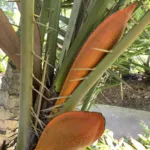 Reclining Date Palm (Phoenix reclinata) care guidePhoenix reclinata
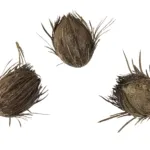 Palm (Oenocarpus bataua) care guideOenocarpus bataua