
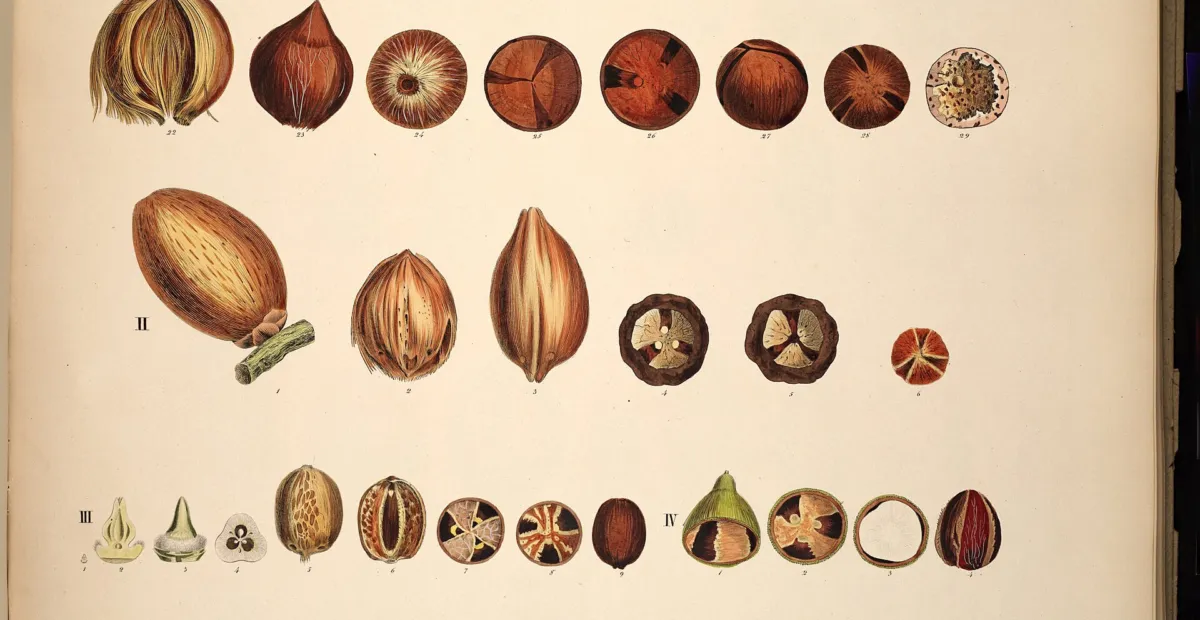
 Source:
American Oil Palm (Elaeis oleifera) short overview
American Oil Palm (Elaeis oleifera) is a tropical palm native to Central America and the Amazon region. It is recognized by its short, sometimes ground-hugging trunk, long pinnate leaves, and leaflets arranged in a comparatively single plane. The species prefers year-round warmth, high humidity, bright light, and evenly moist, well-drained soil. In the United States, it is mainly suited to tropical South Florida, protected collections, or heated conservatories.
Taxonomic classification
American Oil Palm (Elaeis oleifera) care guide
Light and placement
Provide full sun in humid tropical climates, with bright filtered light as a safer option for hot, dry interiors or containers. Morning or open eastern and southern exposure is suitable where heat is moderated; protect young plants from abrupt intense afternoon sun until acclimated. Pale, stretched growth suggests insufficient light, while scorched leaflets and bleached patches indicate excessive sun combined with dryness.
Watering and humidity
Water thoroughly whenever the upper layer begins to dry, then allow excess water to drain completely. Keep the root zone evenly moist during active growth and increase attention during hot, windy weather. Reduce frequency during cool periods, but do not allow container plants to become bone-dry. High humidity supports better foliage, especially indoors, but cannot compensate for poor drainage.
Soil and growing medium
Use a deep, fertile, humus-rich medium that drains freely while retaining steady moisture. A loam amended with compost or other organic matter is suitable, but avoid stagnant, waterlogged conditions. A slightly acidic to neutral reaction is generally appropriate. In containers, use a coarse tropical-palm mix with ample drainage material.
Feeding
Feed during active warm-season growth with a complete palm fertilizer containing magnesium and micronutrients. Apply at label rates rather than heavily, and water after granular applications. Do not fertilize cold-stressed, newly transplanted, or severely drought-stressed plants until active growth resumes.
Growth and habit
A slow- to moderate-growing, evergreen palm that may remain low-stemmed or develop a short upright trunk. Mature plants can spread laterally, and some stems may contact the ground and root near the lower surface. Give the crown space and avoid frequent disturbance of the trunk base.
Planting and repotting
Plant outdoors only after the danger of cold weather has passed in a truly frost-free site. Set the palm at the same depth at which it was growing, leaving the trunk base uncovered. Water deeply after planting and maintain consistent moisture during establishment. Allow generous room for the crown and avoid sites exposed to cold winter winds.
Repot only when the container is clearly root-bound, preferably during warm active growth. Move up one pot size, disturb the root ball as little as practical, and provide firm support until new roots establish. Large specimens are best transplanted only in consistently warm weather.
Propagation and pruning
Propagation
Propagate primarily from fresh seed. Clean the fruit, sow promptly in a warm, humid, well-drained medium, and maintain steady moisture and bottom warmth. Germination can be slow and uneven, so use patience and avoid chilling or drying the seed.
Pruning
Remove only dead, damaged, or dangerously hanging fronds with clean tools. Do not cut healthy green fronds for cosmetic shaping, and avoid injuring the trunk or inflorescence bases. Use gloves because petioles may bear recurved teeth.
Overwintering
Move container plants indoors or into a heated conservatory before temperatures approach 45°F. Maintain bright light, warmth, and moderate watering through winter. Avoid cold drafts, chilled wet soil, and placing the palm beside heating vents. Outdoor plants in marginal climates require substantial frost protection, but prolonged freezing is not reliably survivable.
Uses
Used as a tropical ornamental, specimen palm, source of oil-rich fruit, wildlife food plant, and genetic material in oil-palm breeding. The fruit and palm heart have documented food uses in parts of its native range, but harvested material should be correctly identified and obtained from appropriate sources. It is not a practical outdoor crop for most of the continental United States.
Appearance
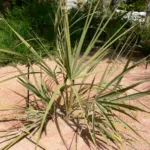
The palm has a dense crown of long pinnate fronds, with leaflets commonly arranged in one plane along the rachis. The trunk is often short, stout, and covered by persistent leaf bases, and it may grow partly horizontally. Recurved teeth occur along the petioles, while compact inflorescences arise close to the trunk within the leaf bases.
Flowering
This monoecious palm bears separate male and female inflorescences on the same plant, usually produced in succession within the leaf bases. Anthesis has been reported to begin near sunset and continue for several days. Flowering and fruiting are strongly climate-dependent and are most reliable in warm, humid tropical conditions.
Pollination and visitors
Research on Neotropical oil palms indicates that small beetles, including weevil and nitidulid groups, are important visitors and likely pollen carriers. Thrips and other insects may also visit the inflorescences, but their exact contribution for this species is less certain. Bees may collect pollen but are not regarded as the characteristic primary pollinators.
Elaeis oleifera photos
Click any photo for a larger view. Source, author and license are shown separately.
Diseases and pests
Diseases
Prevent chronic wetness around the root zone, reduce mechanical injury, and maintain airflow. Watch for basal or trunk rots, leaf-spot symptoms, and decline associated with poorly drained media. Remove severely affected tissue only with sanitized tools and improve drainage; obtain local diagnosis before using fungicides.
Pests
Inspect for scale insects, mealybugs, mites, and caterpillars, especially on stressed container plants. Keep foliage clean, avoid excessive nitrogen, and isolate infested specimens. Use horticultural oil or insecticidal soap only when appropriate for the pest and label-approved for palms; test sensitive foliage first.
Toxicity and pollen
Available botanical and horticultural evidence does not identify Elaeis oleifera as poisonous to people or domestic animals. The main practical hazards are mechanical: marginal petiole spines, rough fruit clusters, and falling bunches on mature specimens. Wear gloves when handling fronds and avoid placing fruiting palms over high-traffic areas.
- Typical season
- Warm-season flowering where cultivated; no standardized US season
- Pollination / pollen
- Insect-associated pollen, not strongly wind-dispersed
The species produces pollen in male inflorescences, but the flowers are primarily insect-associated rather than adapted to strong wind dispersal. Available evidence suggests low airborne allergy relevance, although sensitive individuals should avoid handling flowering material if symptoms occur.
Native habitat
Native to humid tropical lowlands of Central America and northern South America, including parts of the Amazon region. It occurs in warm, wet environments with fertile soils and abundant year-round moisture. In cultivation it performs best where heat, humidity, drainage, and regular water are all maintained.
Interesting fact
Unlike the African oil palm, this species is native to the Neotropics and often develops a short or procumbent stem. It is an important genetic resource in breeding programs because hybrids with African oil palm can combine useful disease resistance and oil traits. The deep red oil from its fruit is especially rich in carotenoid pigments.
Frequently asked questions (FAQ)
The most relevant questions about this plant, with short and direct answers.
🌱Quick care
What is the American Oil Palm?⌄
The American Oil Palm is Elaeis oleifera, a tropical palm in the Arecaceae family native to Central and northern South America. It is grown for its ornamental form and oil-bearing fruit.
How much light does an American Oil Palm need?⌄
Give an American Oil Palm full sun to bright filtered light. Indoor plants need the brightest available location, while outdoor plants should be acclimated gradually to stronger sun.
How often should I water an American Oil Palm?⌄
Water when the soil surface begins to dry, keeping the root zone evenly moist. Do not leave the plant in standing water or allow the soil to remain saturated for long periods.
Is the American Oil Palm cold hardy?⌄
No, the American Oil Palm is frost-tender and suited mainly to USDA Zones 10–12. Protect it whenever temperatures approach freezing, because cold injury can be severe.
🌤️Environment and placement
Can the American Oil Palm grow indoors?⌄
An American Oil Palm can be grown indoors temporarily when provided with very bright light, warmth, humidity, and adequate space. Long-term indoor culture is difficult because the palm eventually becomes large and needs tropical conditions.
Where should I plant an American Oil Palm outdoors?⌄
Plant it in a warm, frost-free site with full sun or bright filtered light and protection from strong cold winds. Choose a location with room for its broad crown and potentially spreading or low-growing trunk.
What USDA hardiness zone is best for Elaeis oleifera?⌄
Elaeis oleifera is best suited to USDA Hardiness Zones 10–12. In cooler parts of the United States, it should be grown in a protected container or a heated greenhouse.
What type of soil does an American Oil Palm need?⌄
Use humus-rich, moisture-retentive loam that drains well. The plant tolerates several soil textures, but persistent waterlogging can damage the roots even though it naturally occurs in moist habitats.
Can an American Oil Palm tolerate wet soil?⌄
An American Oil Palm tolerates consistently moist conditions better than many palms, but it should not remain in stagnant, oxygen-poor water. Improve drainage if water stands around the roots after irrigation or rain.
💧Care and problems
Why are the leaves of my American Oil Palm turning brown?⌄
Brown leaf tips commonly result from cold exposure, dry soil, low humidity, salt buildup, or damaged roots. Check moisture and drainage first, then protect the palm from cold and flush accumulated fertilizer salts from the soil.
Why is my American Oil Palm not growing?⌄
Slow growth can be normal, especially in containers or during cool weather. Insufficient warmth, low light, root restriction, poor drainage, drought, or inadequate nutrition can also reduce growth.
How do I fertilize an American Oil Palm?⌄
Feed during active growth with a complete palm fertilizer according to the product label. Avoid heavy applications, because excess fertilizer salts can burn roots and leaf margins.
Does an American Oil Palm need high humidity?⌄
Yes, high humidity supports healthier growth, especially indoors or in dry climates. Improve humidity with a humidifier, a sheltered outdoor position, or grouping plants, while still maintaining good air circulation.
What pests affect American Oil Palms?⌄
American Oil Palms can be affected by common palm pests such as scale insects, mealybugs, mites, and caterpillars. Inspect leaf bases and undersides regularly and treat infestations promptly with a product labeled for palms.
🪴Planting and repotting
How do I plant an American Oil Palm in the ground?⌄
Plant it at the same depth at which it was growing in its container, using well-drained, humus-rich soil. Water thoroughly after planting and maintain even moisture while the root system becomes established.
Can an American Oil Palm grow in a container?⌄
Yes, a young American Oil Palm can grow in a large container with drainage holes and a moisture-retentive but well-drained mix. Container culture is most practical where outdoor winter temperatures are too cold.
When should I repot an American Oil Palm?⌄
Repot an American Oil Palm when roots fill the container, growth slows, or water runs through unusually quickly. Move it into a pot only one size larger and avoid disturbing the root ball more than necessary.
How large does an American Oil Palm get?⌄
An American Oil Palm can reach roughly 13–20 feet in cultivation, although its trunk may remain short, leaning, or partly horizontal. Its broad leaves can require nearly as much lateral space as its height suggests.
✂️Propagation and pruning
How do you propagate an American Oil Palm?⌄
Propagate an American Oil Palm primarily from fresh seed. Seeds may be soaked in warm water and sown in containers, but germination is slow and can take approximately two to five months.
Can you grow an American Oil Palm from a cutting?⌄
No, ordinary stem or leaf cuttings are not a practical propagation method for this palm. Seed propagation is the usual home-gardening approach, while clonal methods are mainly used in specialized breeding or commercial programs.
Can an American Oil Palm be pruned?⌄
Prune only dead, badly damaged, or hazardous leaves and remove them with clean tools. Do not cut healthy green fronds or damage the growing point, because palms cannot replace a destroyed central bud.
⚠️Toxicity and safety
Is the American Oil Palm toxic to people or pets?⌄
The American Oil Palm is not known to be toxic to people or pets. Its leaf stalks and fruit clusters can still cause physical injury, so place it away from high-traffic areas and handle it carefully.
Are American Oil Palm leaves sharp?⌄
Yes, the leaf stalks may have sharp, recurved teeth. Wear gloves and protective clothing when planting, repotting, or pruning the palm.
🌸Flowering and special interest
Does the American Oil Palm flower?⌄
Yes, the American Oil Palm produces dense inflorescences among the leaf bases. Individual plants produce male and female flowers, but flowering cycles commonly alternate between the two sexes.
When does an American Oil Palm produce fruit?⌄
It produces fruit after successful flowering and pollination under warm tropical conditions. Fruiting is much less reliable in cool climates, containers, or plants that lack sufficient maturity, heat, light, or moisture.
What does American Oil Palm fruit look like?⌄
The fruit develops in dense clusters near the trunk and is typically reddish to orange when mature. The fleshy outer portion and seed contain oil, although home extraction is generally impractical.
Can one American Oil Palm produce fruit by itself?⌄
A single American Oil Palm may produce both male and female flowers, but they are often produced at different times. Fruit set can therefore be inconsistent without suitable timing, pollinators, or compatible pollen.
How long does it take an American Oil Palm to produce fruit?⌄
Under favorable tropical conditions, an American Oil Palm may begin bearing a few years after germination. The exact timing varies with seed quality, climate, plant maturity, nutrition, and growing conditions.
Similar plants
 Cabbage Tree Palm (Livistona australis) care guideLivistona australis
 Nibong palm is an Asian species of palm tree in the family Arecaceae (Oncosperma tigillarium) care guideOncosperma tigillarium
 Reclining Date Palm (Phoenix reclinata) care guidePhoenix reclinata
 He mangrove fan palm (Licuala spinosa) care guideLicuala spinosa
 Nipa Palm (Nypa fruticans) care guideNypa fruticans
 Nannorrhops ritchiana care guideNannorrhops ritchiana