
 Source:
 He saw banksia (Banksia serrata) short overview
He saw banksia is an evergreen Australian tree with rugged, fissured bark, leathery serrated leaves, and large cylindrical flower spikes that mature into woody seed-bearing structures often called cones. It grows best in full sun and sharply drained soil, tolerates dry conditions once established, and can become a substantial landscape plant in climates resembling its native southeastern Australian range. Its nectar-rich flowers support birds and other wildlife.
Taxonomic classification
He saw banksia (Banksia serrata) care guide
Light and placement
Give this species an open position with direct sun for most of the day; a south- or west-facing site is suitable where summers are not excessively hot. Dense shade can produce weak, stretched growth and fewer flower spikes. Scorching, bleached leaves or crisp margins may indicate excessive reflected heat, drought, or root stress rather than simply too much light.
Watering and humidity
Water deeply and allow the upper soil to dry somewhat between irrigations. Keep young plants evenly supplied during their first growing seasons, then reduce watering as the root system establishes. In containers, check moisture more often because free-draining mixes dry quickly. Avoid frequent shallow watering and prolonged saturation, especially during warm, humid weather.
Soil and growing medium
Use a coarse, fast-draining medium based on sandy loam, mineral grit, and modest organic matter. Banksias are sensitive to phosphorus excess, so avoid rich manure-based amendments and high-phosphorus fertilizers. Slightly acidic to neutral soil is suitable. If the ground is heavy clay, plant on a raised mound or use a large container with unrestricted drainage.
Feeding
Feed in spring only if growth is weak, using a controlled-release fertilizer formulated for Australian natives or another genuinely low-phosphorus product. Apply lightly and keep fertilizer away from the trunk. Established plants in reasonably fertile soil may need no routine feeding. Do not use poultry manure, superphosphate, or heavily composted high-phosphorus amendments.
Growth and habit
The species can develop into a long-lived upright tree, although young plants may remain shrub-like for some time. Its mature form is useful as a specimen or wildlife plant where there is room for a broad crown. Establishment is more important than rapid early growth; avoid repeated root disturbance and do not let competing turf remain around the root zone.
Planting and repotting
Plant after the danger of severe frost has passed in cold regions, or during the cooler wet season in mild climates. Set the root ball level with or slightly above the surrounding soil, then water deeply to settle the roots. Mulch lightly with coarse material while keeping it away from the trunk. Protect young plants from drying winds and competing grass until established.
Container plants should be moved only when the root ball is well filled, preferably in spring. Use a deep, sharply draining native-plant mix and disturb the roots as little as possible. Step up gradually rather than placing a small plant in an oversized pot. After transplanting, water thoroughly once and then maintain moderate moisture without saturation.
Propagation and pruning
Propagation
Propagation is primarily from seed. Mature woody fruit clusters can be dried to encourage the follicles to open, after which the seeds are sown in a very free-draining medium. Use clean containers and avoid excessive moisture. Seed-grown plants may vary and can take several years to reach flowering size. Soft-tip cuttings are possible in some banksias but are less dependable for this species.
Pruning
Prune lightly after flowering to remove dead, damaged, or badly placed branches and to maintain a balanced framework. Avoid cutting into old, leafless wood unless reliable regrowth points are present. Young plants can be tip-pruned lightly to encourage branching, but repeated severe cutting may reduce flowering and delay the development of a natural trunk.
Overwintering
In USDA Zones 8 and colder, grow in a container that can be moved to a bright, cool, frost-free location. Reduce watering during winter but do not allow the root ball to become completely dry. Outdoor plants in borderline climates benefit from shelter from freezing wind and winter-wet soil; frost protection is most important during the first few years.
Uses
Use as a specimen tree, Australian-style landscape plant, wildlife garden feature, or large container subject when drainage is excellent. Its flower spikes provide nectar for birds and insects, while the woody follicles contribute long-lasting structural interest. It is not recommended as a small-space planting unless regularly grown as a managed container specimen.
Appearance
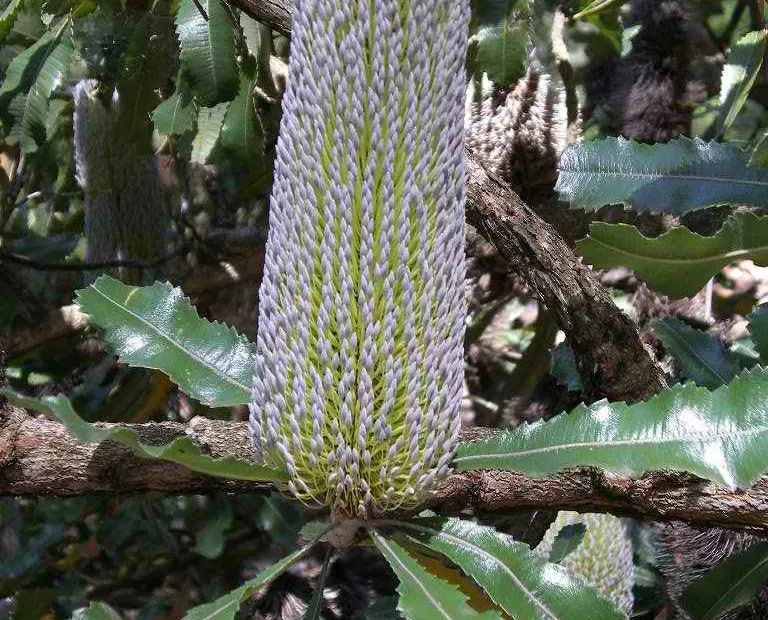
Identification features include thick, leathery leaves with conspicuous serrated margins, gray-green upper surfaces, and often paler undersides. Older trunks develop deeply fissured gray-brown bark with a rugged, weathered texture. The upright flower spikes are cream to yellow when fresh and are followed by hard, woody follicles grouped into a cone-like structure that is not a true conifer cone.
Flowering
The inflorescences are dense cylindrical spikes made from many small individual flowers rather than a single simple blossom. Spikes open progressively and may remain decorative after flowering as they age and dry. Flowering commonly occurs during the cooler part of the year in southeastern Australia, but garden timing depends on latitude, temperature, and plant maturity.
Pollination and visitors
The nectar-rich spikes are visited by honeyeater-type birds and a range of insects. Banksia flowers can support wildlife when fewer other nectar sources are available. The documented visitor community is broader than one single specialist pollinator, so no specific animal species is assigned here.
Banksia serrata photos
Click any photo for a larger view. Source, author and license are shown separately.
Diseases and pests
Diseases
The principal risk is root decline associated with poor drainage and water-mould pathogens such as Phytophthora in susceptible soils. Prevent problems with clean planting material, excellent drainage, restrained irrigation, and good air circulation. Remove and discard severely affected plants rather than reusing contaminated soil. Yellowing, wilting despite wet soil, and rapid dieback warrant checking the roots.
Pests
Inspect new growth and flower spikes for scale, aphids, caterpillars, and boring insects. Most infestations are best managed by improving plant vigor, pruning out badly affected material, and using a targeted treatment only when monitoring shows it is warranted. Avoid broad-spectrum insecticides during flowering because they can harm visiting insects.
Related diseases and pests
Only Plant Doctor profiles whose host data indicate this plant may be affected are shown here.
 DiseasePhytophthora Root RotPhytophthora cinnamomi Rands
 DiseasePhytophthora Root and Stem Rot of SoybeanPhytophthora sojae
 DiseasePhytophthora plurivora Root and Collar RotPhytophthora plurivora
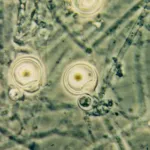 DiseasePhytophthora palmivora Bud RotPhytophthora palmivora
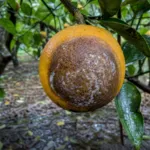 DiseaseCitrus brown rot caused by Phytophthora citrophthoraPhytophthora citrophthora
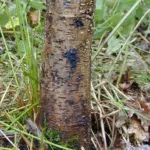 DiseaseAlder PhytophthoraPhytophthora alni
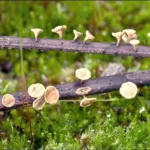 DiseaseAsh diebackHymenoscyphus fraxineus
 DiseaseStolbur Phytoplasma Disease‘Candidatus Phytoplasma solani’
Toxicity and pollen
Reliable authoritative evidence confirming human or domestic-animal toxicity for Banksia serrata was not identified. Do not treat the plant as edible, and prevent children and pets from chewing leaves, flowers, or woody fruits. Seek medical or veterinary advice after ingestion or if irritation or illness occurs; the absence of documented toxicity is not proof of safety.
- Typical season
- Late winter through spring in the United States when cultivated; climate dependent
- Pollination / pollen
- Pollen is presented within dense flower spikes and is mainly transferred by visiting animals; airborne release can occur as flowers mature.
This is an insect-visited flowering plant, but that does not establish zero allergy risk. Species-specific airborne-pollen and clinical allergy evidence for Banksia serrata is limited. Sensitive people should avoid handling large quantities of flowering material during peak bloom and monitor their own symptoms.
Native habitat
This species occurs in open forest, woodland, heathland, and coastal or near-coastal vegetation in eastern and southeastern Australia. It is associated with well-drained sandy or loamy soils and climates ranging from subtropical to temperate. Natural populations experience seasonal dryness and fire, and mature plants contribute nectar, shelter, and persistent woody seed structures to the habitat.
Interesting fact
The common horticultural term “cone” refers to a woody cluster of follicles, not a true botanical cone. The follicles protect seeds and may open after drying or fire. Mature trunks are recognized by strongly fissured, rugged bark. Banksia serrata was among the early Australian banksias introduced to European horticulture.
Frequently asked questions (FAQ)
The most relevant questions about this plant, with short and direct answers.
🌱Quick care
What is Banksia serrata, also called he saw banksia?⌄
Banksia serrata is an Australian evergreen tree in the Proteaceae family, recognized for its serrated leaves, rough trunk, and large cylindrical flower spikes. It is also known botanically as a Banksias species.
How much sun does he saw banksia need?⌄
He saw banksia grows best in full sun, ideally receiving at least 6 hours of direct sunlight daily. Light shade may reduce growth and flowering.
How often should I water Banksia serrata?⌄
Water Banksia serrata deeply while it is establishing, then allow the soil to dry between waterings. Once established in sharply drained soil, it generally has low water needs.
Is Banksia serrata easy to grow?⌄
Banksia serrata can be reliable when planted in full sun and sharply drained, low-nutrient soil. Poor drainage, excess fertilizer, and hard freezes are the main challenges for many U.S. gardeners.
🌤️Environment and placement
Where can I grow he saw banksia in the United States?⌄
He saw banksia is best suited to mild, well-drained climates such as frost-free or lightly frosty parts of the West Coast, Florida, and the Southeast. In colder regions, it may require protected culture or a container that can be sheltered during winter.
What USDA hardiness zone is Banksia serrata suited to?⌄
Banksia serrata is generally best treated as a mild-climate plant and should be protected from hard freezes. Exact hardiness depends on the plant’s provenance, exposure, and winter drainage, so local trialing is advisable.
Can Banksia serrata tolerate frost?⌄
Banksia serrata may tolerate light frost once established, but it should be protected from hard freezes. Young plants and container specimens are especially vulnerable to cold damage.
What soil is best for he saw banksia?⌄
The best soil for he saw banksia is sandy, sharply drained, and relatively low in nutrients. Avoid heavy clay, compacted ground, and sites that stay wet after rain.
Can Banksia serrata grow in clay soil?⌄
Banksia serrata generally performs poorly in heavy clay unless drainage is substantially improved. Planting on a raised mound or choosing a large container with a very open mix is safer than amending a poorly drained planting hole.
Can I grow Banksia serrata in a container?⌄
Banksia serrata can be grown in a large container while young, provided the pot drains freely and the mix is sandy or otherwise very open. Container plants need more frequent monitoring but are easier to protect from freezes.
💧Care and problems
Does Banksia serrata need fertilizer?⌄
Banksia serrata usually needs little fertilizer when grown in suitable soil. Avoid high-phosphorus products because Proteaceae can be sensitive to excess phosphorus; if feeding is necessary, use a low-phosphorus fertilizer sparingly.
Why are the leaves on my Banksia serrata turning brown?⌄
Brown leaves on Banksia serrata can result from drought, root damage, salt or fertilizer injury, cold exposure, or poor drainage. Check the roots and soil moisture first, because watering more can worsen symptoms if the soil remains wet.
Why is my he saw banksia losing leaves?⌄
Leaf loss may indicate transplant stress, frost injury, drought, root rot, or unsuitable soil. Reduce stress by improving drainage, avoiding unnecessary fertilizer, and watering deeply but infrequently once the plant is established.
How do I prevent root rot in Banksia serrata?⌄
Prevent root rot by planting Banksia serrata in sharply drained soil and avoiding frequent shallow watering. Never leave the container standing in water, and do not plant it where runoff collects.
Does Banksia serrata need regular watering in summer?⌄
Established Banksia serrata usually needs supplemental summer watering only during prolonged heat or drought. Young plants and container-grown specimens need more regular deep watering until their root systems develop.
🪴Planting and repotting
When is the best time to plant he saw banksia?⌄
Plant he saw banksia in fall or spring when temperatures are mild and the soil is workable. In areas with winter freezes, spring planting gives the roots more time to establish before cold weather.
How should I plant Banksia serrata in the ground?⌄
Plant Banksia serrata at the same depth as it was growing in its container, using sandy soil in a location with excellent drainage and full sun. Water deeply after planting, then reduce irrigation gradually as the plant establishes.
Does Banksia serrata transplant well?⌄
Banksia serrata can be sensitive to root disturbance, so transplant it carefully and avoid breaking the root ball. Choose the final location early when possible, because established plants are harder to move successfully.
What size pot does he saw banksia need?⌄
Use a pot only moderately larger than the root ball, with several drainage holes and a very free-draining mix. Move the plant up gradually rather than placing a small root system in an oversized container that stays wet.
✂️Propagation and pruning
How do I propagate Banksia serrata from seed?⌄
Propagate Banksia serrata from fresh, viable seed sown in a sterile, sharply drained medium and kept lightly moist. Germination can be uneven, and the species does not necessarily require heat or smoke treatment in every propagation setup.
Do Banksia serrata seeds need fire or smoke treatment to germinate?⌄
Banksia serrata seed may germinate without fire or smoke treatment, although smoke-derived treatments are used for some Australian native plants. Results vary with seed age, storage, and provenance, so untreated seed is a reasonable first trial.
Can I grow he saw banksia from cuttings?⌄
He saw banksia can sometimes be propagated from cuttings, but it is generally less predictable than seed. Use firm, healthy material in a very free-draining propagation medium and expect a slower, more difficult process than with easy-rooting plants.
When should I prune Banksia serrata?⌄
Prune Banksia serrata after flowering or during mild active growth, removing dead, damaged, or poorly placed branches first. Avoid severe pruning into old leafless wood because banksias may not reliably resprout from it.
How much can I prune he saw banksia?⌄
Limit pruning to light shaping and removal of damaged or crossing growth unless you know the plant responds well to harder cuts. Make cuts back to healthy leafy growth rather than leaving long bare stubs.
⚠️Toxicity and safety
Is Banksia serrata toxic to dogs, cats, or people?⌄
Toxicity for Banksia serrata has not been firmly established, so do not assume that its leaves, flowers, seeds, or other parts are safe to eat. Keep plant material away from children and pets and contact a poison-control or veterinary service if ingestion occurs.
🌸Flowering and special interest
When does Banksia serrata flower?⌄
Banksia serrata commonly flowers from late fall through winter in its native range, though timing can vary by climate and cultivar. Plants grown in the United States may bloom at a different time after they mature.
What do Banksia serrata flowers look like?⌄
Banksia serrata produces prominent cylindrical flower spikes that are typically cream, yellow, or yellow-green and can darken as they age. The spikes are composed of many tightly packed individual flowers.
How old does Banksia serrata need to be before flowering?⌄
Banksia serrata usually needs several years to mature before flowering, especially when grown from seed. Insufficient sun, root stress, hard pruning, or excessive nitrogen can delay blooming further.
Does Banksia serrata attract bees and birds?⌄
Banksia serrata flowers provide nectar for birds, insects, and other pollinators. A mature plant can be a valuable wildlife resource when grown in a suitable warm climate.
Similar plants
 Azure Monkshood (Aconitum carmichaelii) care guideAconitum carmichaelii
 Monkshood (Aconitum ‘Stainless Steel’)Aconitum 'Stainless Steel'
 Monkshood (Aconitum ‘Bressingham Spire’)Aconitum 'Bressingham Spire'
 Golden full moon maple (Acer shirasawanum ‘Aureum’)Acer shirasawanum 'Aureum'
 Globosum (Acer platanoides ‘Globosum’)Acer platanoides 'Globosum'
 Striped maple (Acer pensylvanicum) care guideAcer pensylvanicum