
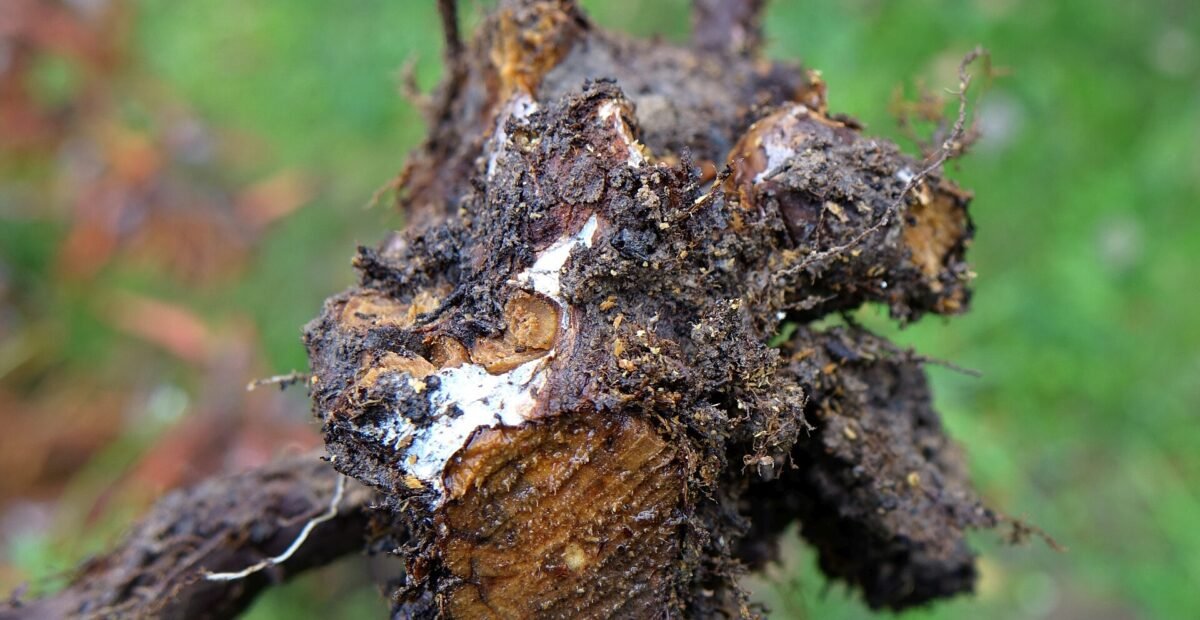
Phytophthora Root Rot
Phytophthora cinnamomi RandsPhytophthora Root Rot overview
Phytophthora cinnamomi is a soil- and water-borne oomycete that causes destructive root, crown, collar, and basal stem rots in many woody plants, ornamentals, fruit crops, and native vegetation. Warm, poorly drained, or periodically waterlogged soil favors infection. Early diagnosis is important because wilting and decline above ground can resemble drought, nutrient stress, or other root disorders.
Typical conditions
Overview
Phytophthora cinnamomi causes Phytophthora root rot, crown rot, collar rot, and—on some hosts—basal stem cankers. It is not a true fungus, although it is commonly managed under the general term “fungal disease.” The pathogen survives in infested soil, infected plant tissue, and durable resting structures, and it can remain difficult to eradicate once established.
In the United States, the disease is especially important where warm soil coincides with prolonged moisture, including poorly drained landscape beds, nursery production systems, irrigated orchards, and some forest or native-plant sites. A laboratory diagnosis is recommended because similar decline can result from drought, compacted soil, root-feeding insects, other Phytophthora species, Pythium, Armillaria, or vascular disorders.
Symptoms and identification
Early symptoms often appear above ground as reduced vigor, pale or yellowing foliage, small leaves, premature leaf drop, poor shoot growth, and wilting that may worsen during warm weather even when the soil is moist. Some plants decline gradually over several seasons, while highly susceptible plants may collapse quickly after a period of saturated soil.
Examine the root system rather than relying only on foliage. Fine feeder roots may be sparse, soft, and brown to black, with narrow brown lesions that expand and girdle the root. The outer root tissue may slough off, leaving a darkened or decayed core. Crown, collar, or basal stem tissue can show brown discoloration, cracking, cankers, or a distinct advancing margin, depending on the host.
Symptoms are not diagnostic by themselves. Submit fresh tissue from the active margin of a root or crown lesion to a qualified plant disease diagnostic laboratory; dead, dried, or fully rotted tissue is much less useful.
Causes and spread
Disease develops when susceptible roots remain wet and oxygen-starved. Heavy rainfall, overirrigation, poor grading, compacted soil, clay subsoil, blocked drains, standing water, and planting too deeply all increase risk. Warm, moist soil is particularly favorable for P. cinnamomi.
Motile zoospores move through water films and drainage water toward roots. Infested soil can spread in runoff, floodwater, irrigation water, mud on shoes, tools, vehicles, tillage equipment, animals, and transplanted nursery stock. The pathogen may also move locally through root contact or infected plant debris. Weed hosts and symptomless nursery plants can help maintain inoculum.
Life cycle and persistence
Phytophthora cinnamomi can grow in living host tissue and, under some conditions, survive saprophytically in organic debris and soil. During warm, wet periods it produces sporangia, which either germinate directly or release biflagellate zoospores. Zoospores swim through saturated soil, encyst near roots, germinate, and penetrate susceptible tissues.
The pathogen forms thick-walled chlamydospores and may also produce oospores. These resting structures help it persist through unfavorable periods and contribute to long-term survival in infested sites. Repeated cycles of sporangium formation and zoospore release can rapidly increase disease pressure after heavy rain or excessive irrigation.
Treatment and control
First confirm the diagnosis and identify the affected Phytophthora species when management decisions depend on species-level information. Improve drainage immediately, reduce irrigation frequency and duration, and direct water away from the crown. Do not compensate for damaged roots by keeping the soil constantly wet.
For valuable plants with limited disease, remove severely rotted roots and prune affected crown or basal-stem tissue only where practical and safe, disinfecting tools between cuts. Replanting into the same infested soil is risky. In containers or small beds, discard contaminated media and sanitize containers rather than attempting to rescue heavily infected stock.
Where disease is advanced, removal and replacement with a better-adapted or less susceptible plant may be more reliable than repeated treatments. Management suppresses disease; it generally does not eliminate P. cinnamomi from an established landscape or forest site.
Low-impact and biological control
Use an integrated, nonchemical approach centered on exclusion, sanitation, and water management. Improve soil structure and drainage without damaging existing roots, keep mulch several inches away from trunks and crowns, and avoid frequent shallow irrigation that keeps the root zone saturated.
Use pathogen-free planting material, clean containers, fresh growing media, and dedicated tools for clean propagation areas. Remove and dispose of severely diseased plants and contaminated potting media according to local waste requirements. Biological products containing beneficial microorganisms may help in some production systems, but performance is product-, crop-, soil-, and pathogen-dependent; use only products with credible crop-specific evidence and follow the label.
Compost, amendments, and microbial inoculants should not be treated as cures. They cannot replace drainage correction, exclusion, diagnosis, or removal of heavily infected material.
Prevention
- Buy plants from nurseries that use rigorous sanitation and water-management practices, and avoid visibly declining or root-bound stock with dark, decayed roots.
- Plant in well-drained soil at the correct depth. Keep the root flare and crown above the surrounding soil surface.
- Correct drainage, compaction, low spots, and irrigation-system leaks before planting susceptible hosts.
- Use raised beds, berms, surface drainage, or subsurface drainage where appropriate; do not create conditions that retain water around crowns.
- Prevent movement of wet soil from infested areas. Clean soil from tools, footwear, equipment, pots, benches, and vehicles before entering clean areas.
- Use clean propagation media and containers, and avoid recirculating contaminated irrigation water unless it is adequately treated.
- Remove severely affected plants and as much infected root material as practical. Do not move infested soil or diseased plants to new beds, compost piles, or restoration sites.
- Choose locally appropriate, documented tolerant or resistant cultivars where available, recognizing that resistance is host-specific and rarely absolute.
Interesting facts
- Phytophthora means “plant destroyer,” but the organism belongs to the oomycetes rather than the true fungi.
- P. cinnamomi has one of the broadest known host ranges among plant pathogens, although individual isolates and host populations can differ substantially in aggressiveness and susceptibility.
- Its zoospores are motile and water-dependent, which explains why drainage, runoff, and irrigation management are central to disease prevention.
- A plant can carry or support the pathogen with few visible symptoms, making clean nursery production and sanitation more dependable than visual inspection alone.
- Infected plants may survive for years while losing feeder roots, then decline rapidly when drought or additional water stress increases demand on the damaged root system.
No pesticide program is universally appropriate for Phytophthora cinnamomi. Use only products legally authorized for the specific crop, site, and disease in the United States, and follow the current EPA-approved label exactly, including application rate, timing, personal protective equipment, reentry interval, and preharvest interval. Products labeled for Phytophthora management may suppress disease or protect new growth but usually do not restore extensively rotted roots. Confirm local availability and crop/site legality with the current label and your state extension service.
Affected plants
The plants below are linked to this problem by structured host-plant data. The list updates automatically as new plant profiles are added.
 Banksia ericifolia care guideBanksia ericifolia
 He coast banksia (Banksia integrifolia) care guideBanksia integrifolia
 He silver banksia (Banksia marginata) care guideBanksia marginata
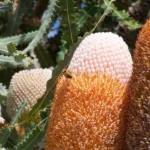 Acorn banksia or orange banksia (Banksia prionotes) care guideBanksia prionotes
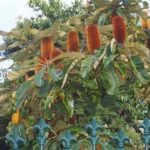 Swamp Banksia (Banksia robur) care guideBanksia robur
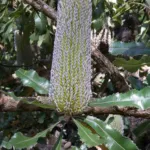 He saw banksia (Banksia serrata) care guideBanksia serrata
 He showy banksia (Banksia speciosa) care guideBanksia speciosa
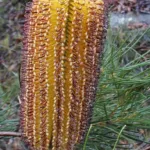 Hairpin Banksia (Banksia spinulosa) care guideBanksia spinulosa
 Castanea ‘Pumila’Castanea 'Pumila'
 Castanea ‘Sativa’Castanea 'Sativa'
 Japanese Chestnut (Castanea crenata) care guideCastanea crenata
 Castanea dentata care guideCastanea dentata