
 Source:
 Banksia ericifolia short overview
Banksia ericifolia is an evergreen Australian shrub or small tree valued for its fine, heath-like foliage and tall cylindrical spikes of orange, red-orange, or occasional pale flowers. Native to eastern New South Wales, it grows in sandy or lightly textured, acidic soils and attracts nectar-feeding birds and honey bees. In cultivation, it needs strong light, excellent drainage, low-phosphorus feeding, and protection from hard freezes.
Taxonomic classification
Banksia ericifolia care guide
Light and placement
Place outdoors in full sun with at least 6 hours of direct light, ideally in an open south- or west-facing position with good airflow. Light afternoon shade is acceptable in very hot climates, but dense shade can reduce flowering and produce looser growth. Pale, elongated new growth suggests insufficient light; scorched foliage or rapid wilt after hot exposure suggests excessive root-zone heat or inadequate establishment rather than a need for deep shade.
Watering and humidity
Water deeply when the upper few inches of soil begin to dry, then allow excess water to drain completely. Keep newly planted specimens evenly supplied during their first growing seasons; established plants tolerate periodic drought but flower and grow better with occasional deep irrigation during prolonged dry weather. Reduce watering in cool winter conditions and avoid frequent shallow watering that keeps the crown wet.
Soil and growing medium
Use a porous, fast-draining medium based on coarse sand, loam, mineral grit, or other open aggregates. Acidic to neutral soil is preferred, and heavy clay should be amended or avoided because prolonged saturation can damage roots. Do not place the plant where irrigation or rainfall collects. Banksias are sensitive to excess phosphorus, so avoid ordinary high-phosphorus fertilizers and many rich manure-based amendments.
Feeding
Feed lightly in spring and summer with a low-phosphorus fertilizer formulated for Australian native plants, following the product label at reduced strength if the plant is container-grown. A thin mulch of aged, low-phosphorus organic material can help, but keep it away from the trunk. Do not fertilize drought-stressed, freshly transplanted, or dormant plants, and avoid phosphorus-heavy bloom boosters.
Growth and habit
This species develops a dense, upright to broadly bushy framework and can mature into a large screening shrub or small tree in mild climates. It is relatively fast growing when drainage, light, and moisture are suitable. Its fire-sensitive ecology means it generally relies on seed regeneration rather than resprouting from a lignotuber after severe fire. Select a permanent site early because older plants dislike major root disturbance.
Planting and repotting
Plant when temperatures are mild and the soil can be worked without remaining waterlogged. Dig no deeper than the root ball and backfill with the native soil unless drainage must be improved over a broad area. Water thoroughly after planting and maintain consistent moisture during establishment. Mulch lightly with a low-phosphorus material while keeping the crown and trunk base uncovered.
Grow in a deep container with large drainage holes and a coarse, acidic-to-neutral native-plant mix. Repot only when roots have filled the container, preferably in spring, and disturb the root ball as little as possible. Move into a slightly larger pot rather than an oversized one, then water carefully while the plant re-establishes.
Propagation and pruning
Propagation
Propagate from fresh seed or semi-ripe cuttings. Seed is generally the more dependable method, but germination and early growth require a very free-draining, low-phosphorus medium. Take semi-ripe cuttings during active growth, use a clean medium, and provide bright filtered light with steady moisture but no saturation. Cultivar forms may not come true from seed.
Pruning
Prune lightly after flowering to maintain shape and encourage branching, cutting back to healthy leafy growth. Avoid severe cuts into old, leafless wood because banksias may not reliably regenerate from bare stems. Remove spent or damaged flower stems selectively, and use clean tools to reduce the chance of spreading disease.
Overwintering
In areas colder than USDA Zone 9b, grow in a container and move it to a bright, cool, well-ventilated protected space before hard freezes. Keep the medium only lightly moist during cool weather and do not feed while growth is stalled. Avoid warm, stagnant indoor rooms, which can encourage weak growth and root problems.
Uses
Useful as an evergreen specimen, informal screen, wildlife plant, or large container subject in mild climates. Its nectar-rich spikes support nectar-feeding birds and visiting insects. It can also be grown as a seasonal cut-flower subject where climate permits, but branches should be harvested responsibly and plants should not be treated as edible or medicinal without separate verified evidence.
Appearance
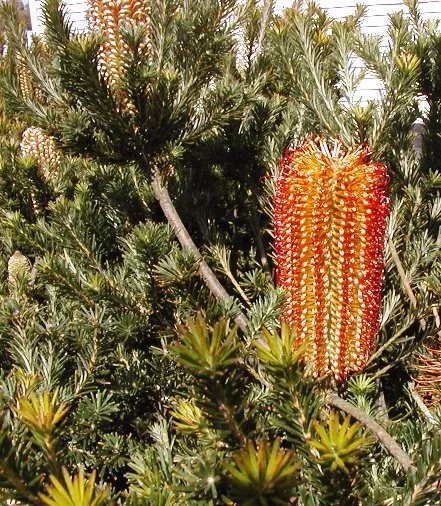
The foliage consists of crowded, narrow linear leaves with a dark green upper surface and a paler, hairy underside. Cylindrical flower spikes are held prominently among the branches, with long styles that remain visibly hooked at the tips. After flowering, woody seed-bearing cones develop and may remain closed on the plant for years. The combination of fine foliage, hooked styles, and elongated spikes is distinctive.
Flowering
Each showy spike is a dense inflorescence made from many small flowers that open progressively. Spikes are commonly orange to red-orange and may reach roughly 8–20 inches or more, depending on form and conditions. Flowering is concentrated in the cooler part of the year in eastern Australia, while garden timing can shift with latitude and seasonal temperatures. Woody cones follow successful flowering.
Pollination and visitors
The large nectar-rich inflorescences are characteristic resources for honeyeaters and other nectar-feeding birds. Field studies also document the Western honey bee as a frequent visitor and capable pollinator, although bird visitation can be especially important for pollen movement and reproductive success. The species therefore has a mixed bird-and-insect pollination system rather than a purely bee-dependent one.
Banksia ericifolia photos
Click any photo for a larger view. Source, author and license are shown separately.
Diseases and pests
Diseases
Problems are most likely when roots remain wet or air circulation is poor. Watch for root rot, stem cankers, and dieback, especially in heavy soil or overwatered containers. Prevent trouble with sharp drainage, careful irrigation, clean tools, and prompt removal of affected tissue. Discard severely diseased plants rather than repeatedly replanting contaminated soil.
Pests
The species is generally regarded as relatively pest resistant, but scale insects, mealybugs, aphids, and occasional chewing insects may appear on stressed plants. Inspect new growth and leaf undersides regularly. Improve light and airflow first; use a strong water spray or a labeled horticultural oil or insecticidal soap when appropriate, following all product directions and avoiding open flowers when pollinators are active.
Related diseases and pests
Only Plant Doctor profiles whose host data indicate this plant may be affected are shown here.
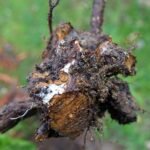 DiseasePhytophthora Root RotPhytophthora cinnamomi Rands
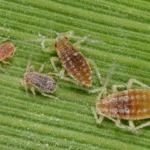 PestMealy Plum AphidHyalopterus pruni (Geoffroy, 1762)
 DiseaseBotryosphaeria canker and diebackBotryosphaeria dothidea (Moug. ex Fr.) Ces. & De Not.
 Environmental stressOverwatering
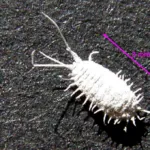 PestObscure mealybugPseudococcus viburni
 PestCitrus mealybugPlanococcus citri
 PestCotton mealybugPhenacoccus solenopsis Tinsley
 DiseaseAsh diebackHymenoscyphus fraxineus
Toxicity and pollen
Reliable species-specific evidence establishing Banksia ericifolia as poisonous to people or pets was not located in the authoritative sources reviewed. That absence is not proof of safety. Prevent children and animals from chewing plant material, and contact a physician, veterinarian, or poison-control service after a significant ingestion or if symptoms occur.
- Typical season
- Typically during flowering, often fall through winter in its native range; U.S. timing varies.
- Pollination / pollen
- Pollen is presented on the style and is mainly transferred by visiting animals rather than dispersed as a fine wind cloud.
This is an animal-pollinated species with pollen presented on the style, and the large floral structure is not adapted for heavy wind dispersal. However, species-specific clinical allergy data and measured airborne pollen exposure were not located. People with significant pollen sensitivity should avoid handling flowering branches closely and monitor personal symptoms.
Native habitat
Banksia ericifolia occurs in eastern New South Wales in coastal heaths, shrub-woodlands, open forests, and adjacent mountain habitats. It is associated with well-drained sandy or lightly textured soils, including substrates derived from sandstone, but some populations occur in damp as well as dry settings. Its native climate is subtropical to temperate, with seasonal rainfall and periodic fire.
Interesting fact
The species lacks a lignotuber and is fire-sensitive, so post-fire recovery depends largely on seed.
Seeds may remain enclosed in woody cones for many years.
Its flower styles project beyond the spike and retain hooked tips.
Two botanical varieties are recognized within the species.
Flower spikes can open progressively from the upper part downward.
The species can flower relatively early compared with some banksias.
Frequently asked questions (FAQ)
The most relevant questions about this plant, with short and direct answers.
🌱Quick care
What is Banksia ericifolia?⌄
Banksia ericifolia is an evergreen Australian shrub in the Proteaceae family, commonly called heath-leaved banksia or lantern banksia. It has fine, heath-like foliage and produces prominent orange to red flower spikes, typically growing into a medium to large shrub in suitable climates.
How much sun does Banksia ericifolia need?⌄
Give Banksia ericifolia full sun for the best growth, dense foliage, and flowering. It tolerates light shade, but reduced light can produce a less compact plant and fewer flowers.
How often should I water Banksia ericifolia?⌄
Water Banksia ericifolia moderately while it establishes, allowing the soil to drain between waterings. Once established, it is drought tolerant, although occasional deep watering during prolonged heat or drought can support flowering.
Is Banksia ericifolia evergreen?⌄
Yes, Banksia ericifolia is generally an evergreen shrub that retains its narrow foliage year-round. Leaf density may vary with seasonal stress, drought, cold, or root problems.
🌤️Environment and placement
Where should I plant Banksia ericifolia?⌄
Plant Banksia ericifolia in a sunny, open location with sharply drained sandy or loamy soil. Choose a site with enough room for a substantial shrub and protection from hard freezes.
What USDA hardiness zone is suitable for Banksia ericifolia?⌄
Banksia ericifolia is best suited to mild climates where hard freezes are uncommon. In the United States, growers should use local winter temperatures rather than a fixed zone assumption and protect the plant whenever severe freezing is expected.
Can Banksia ericifolia grow in containers?⌄
Banksia ericifolia can be grown in a large container if the pot has excellent drainage and the plant receives full sun. Container plants dry and freeze more quickly than those in the ground, so they need closer monitoring and winter protection.
Can Banksia ericifolia tolerate coastal conditions?⌄
Banksia ericifolia can be a reasonable choice for some coastal gardens because it is adapted to sandy environments and seasonal dryness. Exposure to intense salt spray, waterlogged soil, or poorly drained coastal clay can still cause problems.
💧Care and problems
What soil does Banksia ericifolia need?⌄
Use sandy or loamy soil that drains sharply and does not remain wet after watering. Heavy clay should be improved through site selection, raised planting, or another drainage solution rather than simply adding frequent irrigation.
Does Banksia ericifolia need fertilizer?⌄
Banksia ericifolia usually needs little fertilizer once established in suitable soil. Avoid high-phosphorus products, because many Proteaceae are sensitive to excess phosphorus; if feeding is necessary, choose a low-phosphorus product formulated for Australian native plants.
Why is my Banksia ericifolia turning yellow?⌄
Yellowing leaves commonly indicate waterlogged roots, poor drainage, nutrient stress, or cold damage rather than simple thirst. Check soil moisture and drainage first, and avoid repeated watering until the root zone begins to dry.
Why is my Banksia ericifolia wilting?⌄
Wilting may result from drought, root damage, transplant stress, excessive heat, or roots sitting in wet soil. Check the soil several inches below the surface and inspect drainage before deciding whether to water more.
How do I protect Banksia ericifolia from frost?⌄
Protect Banksia ericifolia from hard freezes by planting it in a sheltered location and covering young plants during severe cold. Container specimens can be moved into a protected, bright area, but avoid keeping them in warm indoor conditions for extended periods.
How large does Banksia ericifolia get?⌄
Banksia ericifolia can become a medium to large shrub, potentially reaching about 20 feet in height and width in favorable conditions, although cultivated plants are often smaller. Mature size depends on climate, cultivar, soil, pruning, and available space.
🪴Planting and repotting
When is the best time to plant Banksia ericifolia?⌄
Plant Banksia ericifolia during a mild period when the soil can be worked and the plant has time to establish before extreme heat or cold. In much of the United States, this generally means spring or early fall, adjusted for the local climate.
How do I plant Banksia ericifolia in the ground?⌄
Set Banksia ericifolia at the same depth it was growing in its nursery container, then water it thoroughly and maintain moderate moisture while roots establish. Do not bury the trunk or place the plant where irrigation or rainwater collects.
Can I transplant an established Banksia ericifolia?⌄
Transplanting an established Banksia ericifolia is risky because banksias can be sensitive to root disturbance. If relocation is necessary, move a young plant with as much intact root ball as possible during mild weather and provide careful aftercare.
How often should I repot Banksia ericifolia?⌄
Repot container-grown Banksia ericifolia only when roots have substantially filled the pot or drainage has declined. Move it into a slightly larger container with a sharply draining mix, because an oversized pot can stay wet around the roots.
✂️Propagation and pruning
How can I propagate Banksia ericifolia from seed?⌄
Banksia ericifolia can be propagated from seed after removing the seeds from mature woody cones. Sow the seed in a sterile, sharply draining medium and keep it lightly moist; germination methods may vary by seed source and freshness.
Can Banksia ericifolia be grown from cuttings?⌄
Banksia ericifolia may be propagated from cuttings, although success can be variable. Use healthy semi-mature material, a sterile free-draining medium, and controlled moisture rather than keeping the cuttings constantly wet.
Should I prune Banksia ericifolia?⌄
Prune Banksia ericifolia mainly to remove dead, damaged, or crossing branches and to maintain a manageable shape. Light pruning after flowering may help preserve form, but avoid cutting deeply into old, leafless wood unless the plant is known to resprout there.
⚠️Toxicity and safety
Is Banksia ericifolia toxic to humans or pets?⌄
The toxicity of Banksia ericifolia is not well established, so it should not be assumed safe to eat. Keep plant material away from children and pets, and contact a poison-control service or veterinarian if ingestion causes symptoms or a significant amount was consumed.
Can I use Banksia ericifolia flowers in arrangements?⌄
Banksia ericifolia flower spikes can be used as ornamental cut flowers or dried material when legally and sustainably sourced. Handle dried spikes carefully because their woody structures can be stiff or prickly, and keep them away from pets that may chew plant material.
🌸Flowering and special interest
When does Banksia ericifolia bloom?⌄
Banksia ericifolia is especially known for flowering in autumn, although bloom timing can vary with climate, subspecies, and growing conditions. Flowering may be reduced when the plant lacks sun, is recently transplanted, or experiences severe drought or cold.
What do Banksia ericifolia flowers look like?⌄
The flowers form upright, cylindrical spikes with warm orange to red coloring, creating a brush-like or lantern-like appearance. The fine green foliage provides a strong contrast with the flower spikes.
Why is my Banksia ericifolia not flowering?⌄
Insufficient sunlight, a young age, excessive nitrogen, root stress, drought, or hard pruning can limit flowering. Provide full sun, sharply drained soil, moderate establishment watering, and time for the shrub to mature.
Does Banksia ericifolia attract pollinators?⌄
The conspicuous flower spikes of Banksia ericifolia can provide nectar for pollinating animals, especially in regions where the plant is cultivated successfully. Local visitor activity depends on climate, season, surrounding habitat, and the availability of other flowers.
Similar plants
 Azure Monkshood (Aconitum carmichaelii) care guideAconitum carmichaelii
 Monkshood (Aconitum ‘Stainless Steel’)Aconitum 'Stainless Steel'
 Monkshood (Aconitum ‘Bressingham Spire’)Aconitum 'Bressingham Spire'
 Golden full moon maple (Acer shirasawanum ‘Aureum’)Acer shirasawanum 'Aureum'
 Globosum (Acer platanoides ‘Globosum’)Acer platanoides 'Globosum'
 Striped maple (Acer pensylvanicum) care guideAcer pensylvanicum