
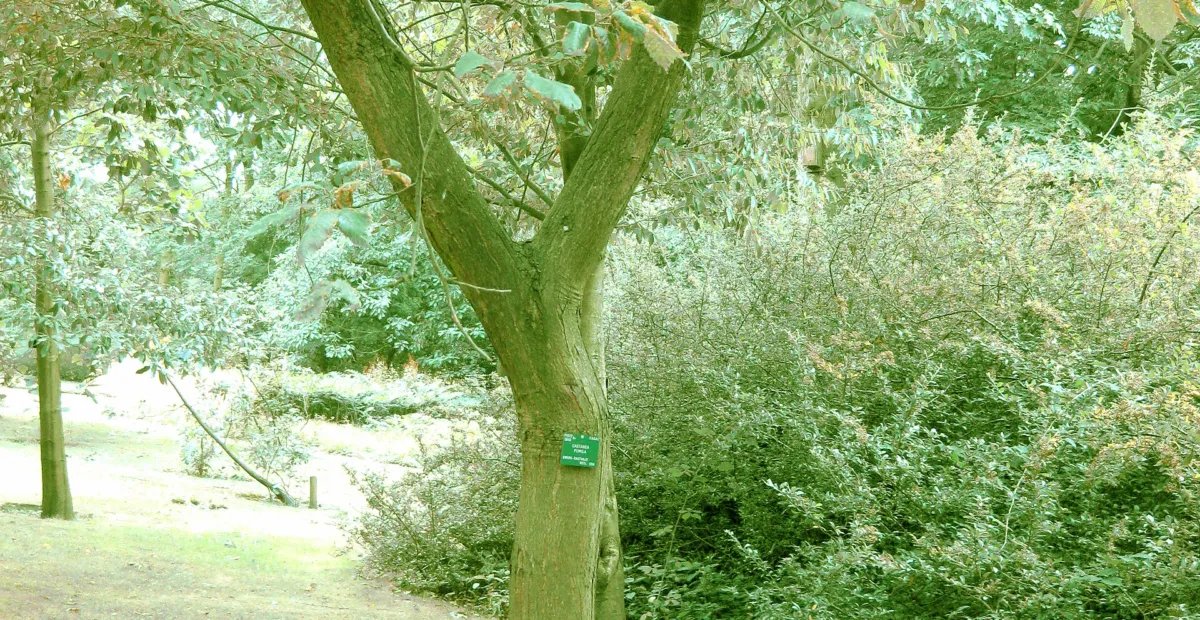
 Source:
 Castanea ‘Pumila’ short overview
Castanea 'Pumila' is the supplied horticultural identity associated with Castanea pumila, a deciduous North American chinquapin that forms a shrub or small tree. It bears long cream-white catkins in late spring or summer, followed by spiny burs containing usually one sweet nut. The exact cultivar is poorly documented, so the profile uses carefully cross-checked species-level information and flags details that cannot be confirmed specifically for this named selection.
Taxonomic classification
Castanea ‘Pumila’ care guide
Light and placement
Give full sun for strongest flowering, fruiting, and compact growth; light partial shade is tolerated, especially in hot regions. An east- or south-facing open site is suitable. Sparse flowering and lanky shoots suggest insufficient light, while scorched foliage can indicate reflected heat combined with drought.
Watering and humidity
Water deeply and slowly when the upper several inches of soil begin to dry during establishment. After rooting in, the plant generally tolerates moderate dryness, but consistent moisture during flowering, nut development, and prolonged summer heat improves performance. Avoid standing water.
Soil and growing medium
Use a well-drained sandy or loamy soil with organic matter but avoid persistently waterlogged ground. Acidic to near-neutral conditions are most consistent with documented habitats. Good drainage is especially important in containers and heavy clay soils.
Feeding
Apply a thin layer of compost or a balanced, slow-release fertilizer in early spring if growth is weak or soil is poor. Avoid heavy nitrogen, which can produce soft growth and does not correct unsuitable drainage. Do not fertilize during drought stress or late in the growing season.
Growth and habit
Typically develops as a branching shrub or small tree and may produce basal shoots that create a thicket. Its suckering habit can be useful in naturalized plantings but may require removal of unwanted shoots in restricted beds.
Planting and repotting
Plant in fall or early spring while dormant. Set the root flare level with the surrounding soil and water deeply during the first growing season. Allow enough room for suckering or low branching, and mulch widely without placing mulch against the stems.
Container culture is possible while young, but this is ultimately a shrub or small tree with a substantial root system. Transplant dormant plants before spring growth begins, disturbing the roots as little as possible. Move established specimens only when necessary.
Propagation and pruning
Propagation
Fresh seed is the most practical documented method, but nuts lose viability if allowed to dry and generally require cold, moist stratification. Layering or other vegetative methods may be possible, though cultivar-specific success data were not located.
Pruning
Prune in late winter or early spring to remove dead, damaged, crossing, or blight-affected wood. Thin unwanted basal shoots if a single-stem or more open form is desired. Avoid excessive topping, which promotes weak regrowth.
Overwintering
Outdoor wintering is appropriate in suitable USDA zones. Apply a modest mulch layer over the root zone in colder areas, protect young trunks from rodents, and avoid late-season nitrogen that may delay hardening.
Uses
Useful as a native ornamental shrub or small tree, wildlife food plant, naturalized planting, and occasional home nut crop. Nuts are edible when correctly identified and properly handled, while the spiny burs make the plant less suitable beside paths or play areas.
Appearance
Leaves are alternate, elliptic to oblong, coarsely toothed, and often paler or hairy beneath. Young twigs may be pubescent. The bark becomes gray-brown with age, and the plant may branch from the base or spread by suckers. Spiny burs and single nuts are useful identification features.
Flowering
Separate male and female flowers occur on the same plant. The conspicuous male catkins are cream-white and elongated; female flowers are much less noticeable and occur near the catkin bases. Flowering is generally late spring through summer, followed by burs in early fall.
Pollination and visitors
The long catkins provide pollen and nectar resources visited by bees, bumblebees, and other flower-visiting insects. Specific pollinator species were not sufficiently documented for this exact identity.
Castanea 'Pumila' photos
Click any photo for a larger view. Source, author and license are shown separately.
Diseases and pests
Diseases
Chestnut blight can infect stems and branches, although chinquapin is often described as more resistant than American chestnut rather than immune. Remove clearly diseased wood when practical, sanitize pruning tools, improve air circulation, and avoid moving infected material.
Pests
Watch for chestnut weevils, leaf-feeding insects, scale, and occasional mites. Inspect burs, shoots, and leaves regularly; encourage plant vigor, remove heavily infested material, and use targeted controls only when damage is significant.
Related diseases and pests
Only Plant Doctor profiles whose host data indicate this plant may be affected are shown here.
 DiseaseChestnut blightCryphonectria parasitica (Murrill) M.E. Barr
 PestLeopard mothZeuzera pyrina
 PestEuropean shot-hole borerXyleborus dispar (Fabricius)
 DiseaseWhite Root Rot (Rosellinia Root Rot)Rosellinia necatrix Berl. ex Prill. (synonym: Dematophora necatrix)
 DiseasePhytophthora plurivora Root and Collar RotPhytophthora plurivora
 DiseasePhytophthora cambivora root and crown rotPhytophthora cambivora (often written Phytophthora × cambivora in modern taxonomic treatments)
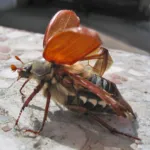 PestCommon cockchafer (European cockchafer)Melolontha melolontha
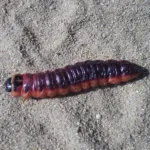 PestGoat MothCossus cossus
Toxicity and pollen
No strong evidence of clinically important toxicity was located for the foliage or nuts of Castanea pumila. The nuts are reported as edible, but eat only properly identified, sound nuts and avoid spoiled material. Burrs are physically sharp and can injure skin.
- Typical season
- May–July in much of the United States
- Pollination / pollen
- Insect-dispersed pollen
This is an insect-pollinated chestnut, so pollen is generally less airborne than wind-dispersed tree pollen. Sensitive individuals may still react during flowering, and local exposure depends on plant abundance and weather.
Native habitat
Native populations occur in open woods, woodland margins, thickets, sandy sites, and other well-drained habitats across the central and eastern United States. It is associated with temperate climates and often tolerates relatively dry soils once established.
Interesting fact
The species can spread by suckers and form a thicket. Its burr commonly encloses a single nut, unlike the multi-nut burs typical of many larger chestnuts. The accepted species is native across much of the central and eastern United States.
Frequently asked questions (FAQ)
The most relevant questions about this plant, with short and direct answers.
🌱Quick care
What is Castanea 'Pumila' commonly called?⌄
A documented common name for the underlying species Castanea pumila is chinkapin or Allegheny chinkapin. The exact quoted form Castanea 'Pumila' does not have a separately verified common name, so naming may vary among sellers and collections.
Is Castanea 'Pumila' a tree or a shrub?⌄
Castanea 'Pumila' is typically a shrub or small tree, rather than a large forest chestnut. Its mature size varies by region and growing conditions, and it may spread by rhizomes.
How much sunlight does Castanea 'Pumila' need?⌄
Give Castanea 'Pumila' full sun to partial shade, with the best flowering and nut production usually in a sunny site. Afternoon shade can be useful in very hot, dry climates.
How often should I water Castanea 'Pumila'?⌄
Water Castanea 'Pumila' moderately, keeping young plants evenly moist while they establish. After establishment, reduce watering because mature plants tolerate relatively dry conditions if drainage is good.
Is Castanea 'Pumila' cold hardy?⌄
Castanea 'Pumila' is cold-hardy across much of its eastern and central U.S. range, but exact performance varies by local ecotype and winter exposure. Protect young plants from severe cold and drying winter winds.
🌤️Environment and placement
Where does Castanea 'Pumila' grow naturally in the United States?⌄
Castanea 'Pumila' is native mainly to the central and eastern United States. It occurs in habitats including dry woodlands, forest edges, sandy ridges, rocky slopes, and other well-drained sites.
What soil is best for Castanea 'Pumila'?⌄
Use well-drained sandy or loamy soil for Castanea 'Pumila', preferably with an acidic to slightly acidic reaction. Avoid heavy, poorly drained clay and locations where water remains around the roots.
Can Castanea 'Pumila' grow in clay soil?⌄
Castanea 'Pumila' can tolerate some clay if it drains well, but dense or seasonally waterlogged clay is unsuitable. Improve drainage with site selection or raised planting rather than relying only on soil amendments.
Can Castanea 'Pumila' grow in a small yard?⌄
Castanea 'Pumila' can fit smaller yards better than large chestnut trees because it is often shrubby or small-statured. Allow room for lateral spread, possible suckers, falling burs, and the mature canopy.
Is Castanea 'Pumila' suitable for a native plant garden?⌄
Castanea 'Pumila' is a suitable native-plant choice within its natural U.S. range and can provide habitat and wildlife food. Use locally appropriate material because regional forms and availability differ.
💧Care and problems
Does Castanea 'Pumila' need fertilizer?⌄
Established Castanea 'Pumila' usually needs little fertilizer when planted in suitable soil. If growth is weak, test the soil first and correct a documented deficiency rather than applying routine high-nitrogen fertilizer.
Why is my Castanea 'Pumila' not growing well?⌄
Poor growth in Castanea 'Pumila' is commonly associated with inadequate light, compacted or wet soil, drought during establishment, root damage, or disease. Check drainage, irrigation, planting depth, and the leaves and stems for symptoms before treating.
Does Castanea 'Pumila' spread by suckers?⌄
Yes, Castanea 'Pumila' may spread vegetatively by rhizomes or root suckers, especially when growing in favorable conditions. Remove unwanted shoots while young if you want to maintain a single-stemmed plant.
When should Castanea 'Pumila' be pruned?⌄
Prune Castanea 'Pumila' during dormancy to remove dead, damaged, crossing, or poorly placed branches. Avoid unnecessary heavy pruning because the plant naturally develops a shrubby form and may respond with vigorous shoots.
Is Castanea 'Pumila' affected by chestnut blight?⌄
Castanea 'Pumila' is susceptible to chestnut blight, although individual plants may differ in damage and survival. Inspect cankers, dieback, and sunken bark promptly and avoid moving infected wood or planting material.
🪴Planting and repotting
When is the best time to plant Castanea 'Pumila'?⌄
Plant Castanea 'Pumila' in fall or early spring when the soil is workable and temperatures are moderate. Fall planting is useful where winters are not severe, while spring planting is safer in colder regions.
How do I plant Castanea 'Pumila' in the ground?⌄
Plant Castanea 'Pumila' at the same depth it occupied in its container, place it in well-drained soil, and water deeply after planting. Keep competing grass away from the root zone and apply a shallow mulch layer without touching the stem.
Can Castanea 'Pumila' be grown in a container?⌄
Castanea 'Pumila' can be grown temporarily in a large container, but it is better suited to the ground because it may develop a substantial root system and spread. Use a deep, well-drained container and transplant before it becomes root-bound.
How far apart should Castanea 'Pumila' plants be planted?⌄
Space Castanea 'Pumila' according to the expected mature form, generally allowing at least 12 to 20 feet between plants when a broad shrub or small tree is desired. Give more room if local plants are known to become larger or sucker freely.
✂️Propagation and pruning
How can I propagate Castanea 'Pumila' from seed?⌄
Propagate Castanea 'Pumila' from fresh nuts after removing damaged or empty ones and giving them a period of cold, moist stratification. Sow them promptly after stratification because chestnut seeds lose viability when they dry out.
Can Castanea 'Pumila' be propagated from cuttings?⌄
Propagation from cuttings is possible but generally less dependable than seed or nursery-grown plants for Castanea 'Pumila'. Rooting success depends strongly on cutting maturity, timing, and propagation conditions.
Does Castanea 'Pumila' need another plant for pollination?⌄
A second genetically different Castanea plant is advisable if reliable nut production is important. Individual plants produce male and female flowers, but cross-pollination can improve fruit set and may be needed for some selections.
⚠️Toxicity and safety
Are Castanea 'Pumila' nuts poisonous?⌄
No specific toxicity is established for properly identified, sound Castanea 'Pumila' nuts, but they should be eaten only after correct identification and adequate cooking. Do not eat nuts that are green, moldy, spoiled, or contaminated.
Are Castanea 'Pumila' burs dangerous?⌄
The burs of Castanea 'Pumila' are sharply spined and can puncture skin, so handle them with thick gloves and keep them away from barefoot traffic. Falling burs may also be unsuitable beside walkways or play areas.
Is Castanea 'Pumila' toxic to dogs or cats?⌄
A specific toxicity profile for Castanea 'Pumila' in dogs and cats is not well established. Prevent pets from eating large quantities of nuts or any spoiled material, and contact a veterinarian if symptoms occur.
How can I tell Castanea 'Pumila' from American chestnut?⌄
Castanea 'Pumila' is usually smaller and often shrubby, with smaller leaves and burs that commonly contain one nut. American chestnut typically becomes a larger tree and has larger leaves and burs containing multiple nuts, but identification can be difficult where forms overlap.
🌸Flowering and special interest
When does Castanea 'Pumila' bloom?⌄
Castanea 'Pumila' generally blooms in late spring to summer, with timing varying by climate and latitude. The flowers are slender, pale yellow to cream-colored catkins that can be noticeable when the plant is in full sun.
Does Castanea 'Pumila' produce edible nuts?⌄
Castanea 'Pumila' produces small chestnut-like nuts that can be edible when properly identified, fully mature, and sound. Nut size and quality vary, and nuts that are moldy, spoiled, or insect-damaged should be discarded.
When are Castanea 'Pumila' nuts ready to harvest?⌄
The nuts of Castanea 'Pumila' generally mature in early to mid-fall and are collected after the spiny burs open or drop. Wear gloves because the burs are sharp, and promptly sort out damaged nuts.
Similar plants
 Azure Monkshood (Aconitum carmichaelii) care guideAconitum carmichaelii
 Monkshood (Aconitum ‘Stainless Steel’)Aconitum 'Stainless Steel'
 Monkshood (Aconitum ‘Bressingham Spire’)Aconitum 'Bressingham Spire'
 Golden full moon maple (Acer shirasawanum ‘Aureum’)Acer shirasawanum 'Aureum'
 Globosum (Acer platanoides ‘Globosum’)Acer platanoides 'Globosum'
 Striped maple (Acer pensylvanicum) care guideAcer pensylvanicum