
 Source:
 Acorn banksia or orange banksia (Banksia prionotes) short overview
Acorn banksia or orange banksia is an evergreen Western Australian shrub or small tree prized for its large, upright flower spikes, which open pale cream to yellow and develop vivid orange styles as they mature. Its toothed, gray-green leaves and persistent woody seed cones give it year-round structure. In the United States, it is best suited to warm, frost-free gardens with sharply drained, acidic soil.
Taxonomic classification
Acorn banksia or orange banksia (Banksia prionotes) care guide
Light and placement
Give this banksia an open position with at least 6 hours of direct sun, ideally with unobstructed southern or western exposure in the United States. Strong light supports compact growth and flower production. Pale, elongated shoots and sparse flowering suggest insufficient light; scorched leaf margins may indicate reflected heat, drought stress or damaged roots rather than a need for shade.
Watering and humidity
Water deeply around the root zone, then allow the upper soil to dry before watering again. Keep young plants consistently but not constantly moist during their first growing season; established plants tolerate seasonal dryness. Reduce irrigation in cool weather and during rainy periods, and never leave container roots standing in water. Humidity is not a special requirement when drainage and airflow are good.
Soil and growing medium
Use a loose, sharply drained medium dominated by coarse sand, gravel, bark or another open-textured component. Heavy clay and waterlogged ground greatly increase root-rot risk. Avoid lime-rich amendments and strongly alkaline conditions; a mildly acidic medium is more appropriate. In containers, choose a deep pot with large drainage holes and avoid ordinary moisture-retentive potting soil.
Feeding
Feed lightly in spring with a fertilizer formulated for Australian natives or other phosphorus-sensitive plants, following the product label at a reduced or moderate rate. A thin mulch of low-nutrient organic material is preferable to heavy composting. Do not routinely use high-phosphorus bloom boosters, manure or repeated strong feeds, especially when the plant is stressed, recently transplanted or growing slowly.
Growth and habit
This species develops an upright, branching habit and can become a substantial shrub or small tree in a suitable climate. It is not a fast, forgiving houseplant; root disturbance, excess phosphorus and wet soil can slow establishment or cause decline. Allow adequate air circulation and plan for permanent space rather than relying on frequent hard cutting to control size.
Planting and repotting
Plant only when the soil is warm enough for active root growth and drainage is excellent. Dig no deeper than the root ball and loosen the surrounding soil broadly rather than creating a rich amended pocket. Water thoroughly after planting, apply a light airy mulch away from the stem, and maintain careful irrigation through the first warm season while roots establish.
Use a deep container with excellent drainage and repot only when roots have filled the current pot or growth has clearly stalled from restriction. Shift in spring or early summer with minimal root disturbance. Use a low-phosphorus, acidic, free-draining mix and water carefully afterward. Avoid repeatedly moving a mature plant between very different pot sizes.
Propagation and pruning
Propagation
Propagation is primarily from seed. Sow fresh or properly stored seed in a sterile, sharply drained medium and keep it lightly moist, never waterlogged. Transplant seedlings carefully while young because banksias can be sensitive to root disturbance. Named selections, where available, may require specialized grafting or nursery propagation; ordinary cuttings are not a dependable general method for this species.
Pruning
Prune lightly after flowering to remove spent material and encourage branching. Avoid cutting deeply into old, leafless wood unless a living node or shoot is clearly present. Remove dead, damaged or crossing branches with clean tools. Young plants can be shaped gradually, but repeated severe pruning may reduce flowering and weaken a plant already stressed by cold or poor drainage.
Overwintering
Protect from temperatures near or below freezing, especially during the first few years and whenever the plant is in a container. Move potted specimens into a bright, cool, frost-free space before cold waves; avoid warm, dim rooms. Water sparingly in winter and provide ventilation. In borderline climates, use a sheltered south-facing position and frost cloth during brief cold events, but do not assume this ensures survival in prolonged freezes.
Uses
A specimen shrub or small tree for warm-climate xeric, Australian-native and wildlife gardens. The dramatic spikes can be used as a structural garden feature and may be suitable for cut-flower work where local growers can maintain the plant. In colder parts of the United States, grow it as a large container specimen and move it under protection before freezing weather.
Appearance
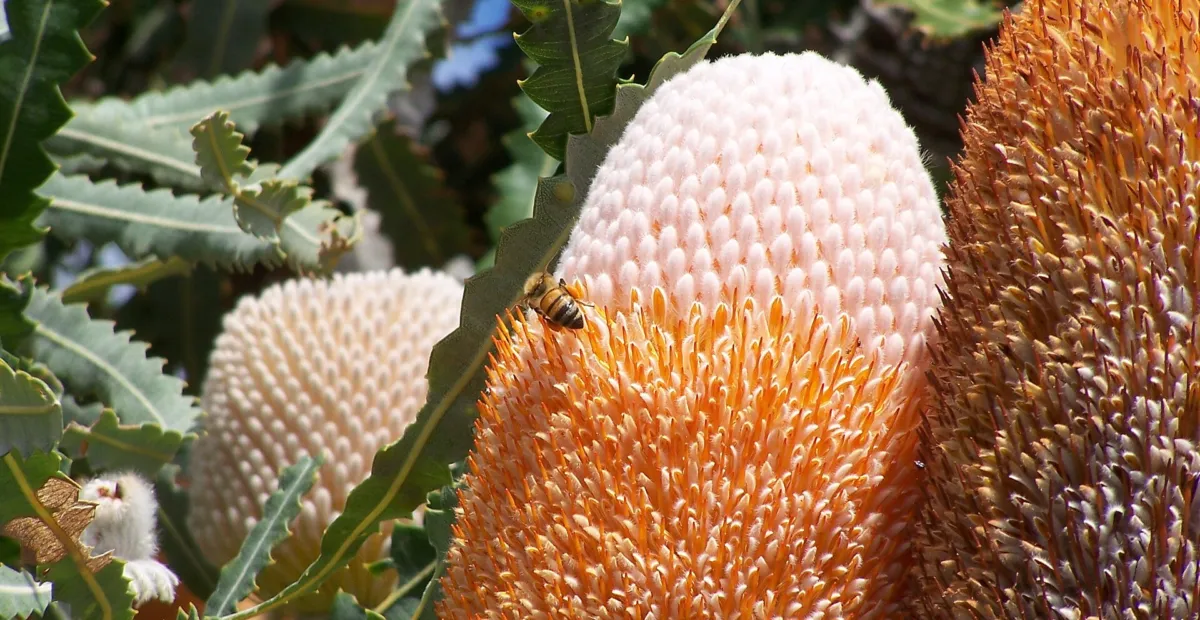
Leaves are gray-green, narrow to oblong and distinctly toothed, giving the foliage a slightly saw-edged appearance. New growth may be softer and paler than mature leaves. The large terminal flower spikes are initially pale or whitish and become strongly orange as the styles emerge. Old inflorescences develop into woody, cone-like seed structures that may persist on the branches.
Flowering
Each conspicuous spike is made of many tightly packed individual flowers. Buds are pale and felty, while the emerging styles give mature spikes their characteristic orange appearance. Flowering is generally associated with autumn through early summer in the species’ native range; timing shifts with latitude, temperature and cultivation conditions in the United States.
Pollination and visitors
Banksia flower spikes provide nectar and pollen for visiting insects and nectar-feeding birds. In its Australian range, banksias are important resources for honeyeaters and other flower visitors; introduced garden plants may also be visited by bees. Visitor composition varies with region, season and whether the plant is grown inside or outside its native range.
Banksia prionotes photos
Click any photo for a larger view. Source, author and license are shown separately.
Diseases and pests
Diseases
The principal cultural risk is root decline or root-rot associated with saturated soil, poor drainage or damaged roots. Use clean containers, avoid overwatering and remove failing plants from persistently wet media. Improve drainage before replanting. Brown foliage or sudden dieback can also follow frost, heat stress or phosphorus injury, so diagnose the growing conditions before applying treatments.
Pests
Banksias may experience occasional chewing insects, scale or sap-feeding pests, especially when stressed. Inspect new growth and leaf undersides regularly. Wash light infestations away with water or use a horticultural oil only when the label permits application to the plant and temperatures are suitable. Encourage airflow and avoid unnecessary broad-spectrum insecticides that can harm flower visitors.
Related diseases and pests
Only Plant Doctor profiles whose host data indicate this plant may be affected are shown here.
 DiseasePhytophthora Root RotPhytophthora cinnamomi Rands
 Environmental stressHeat stress
 Environmental stressOverwatering
 Environmental stressFrost injury
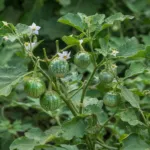 Environmental stressPoor drainage stress (waterlogging)
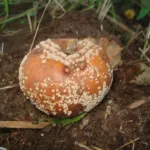 DiseaseEuropean brown rotMonilinia fructigena
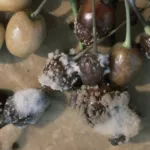 DiseaseBrown Rot of Stone FruitMonilinia fructicola
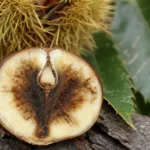 DiseaseChestnut brown rotGnomoniopsis smithogilvyi
Toxicity and pollen
Reliable horticultural and botanical sources do not establish a clear human, dog or cat toxicity profile for Banksia prionotes. Do not treat the plant as edible, and prevent children and pets from chewing leaves, flowers or woody cones. Seek medical or veterinary advice after a significant ingestion or if symptoms occur; sap, plant fragments and sharp woody structures may also cause local irritation or injury.
- Typical season
- Usually autumn to early summer where flowering occurs
- Pollination / pollen
- Pollen is mainly presented within insect-visited flower spikes rather than released freely in large airborne clouds.
This is an insect-visited flowering plant, and its pollen is generally presented within dense flower spikes rather than dispersed as freely airborne clouds like wind-pollinated tree pollen. That does not guarantee zero allergy risk: sensitive people may react during heavy bloom or close handling. Avoid shaking flowering spikes and wash hands after pruning or arranging flowers.
Native habitat
The species is native to southwestern Western Australia, where it occurs in Mediterranean-climate landscapes with wet winters, dry summers and generally sandy, gravelly or lateritic soils. It is associated with heath, shrubland and woodland communities. Its natural distribution helps explain its need for excellent drainage, summer dryness and low-phosphorus soil conditions.
Interesting fact
The common name acorn banksia refers to the rounded, acorn-like appearance of developing flower spikes. The orange effect is produced chiefly by the emerging styles rather than by uniformly orange petals. Old flower structures can persist as woody cones, contributing winter interest and sheltering developing seeds.
Frequently asked questions (FAQ)
The most relevant questions about this plant, with short and direct answers.
🌱Quick care
What is Banksia prionotes commonly called?⌄
Banksia prionotes is commonly called acorn banksia or orange banksia. It is a Western Australian banksia known for its orange, acorn-shaped flower spikes.
How much sun does acorn banksia need?⌄
Acorn banksia grows best in full sun, ideally with at least 6 hours of direct sunlight daily. Some light afternoon shade may be tolerated, but too much shade can reduce flowering and produce weaker growth.
How often should I water Banksia prionotes?⌄
Water Banksia prionotes regularly while it is becoming established, then reduce watering once the root system is developed. Established plants generally prefer occasional deep watering rather than frequent shallow irrigation.
Is Banksia prionotes drought tolerant?⌄
Yes, established Banksia prionotes is relatively drought tolerant. Drought tolerance depends on good drainage, adequate establishment time, and protection from prolonged extreme heat or dry winds.
🌤️Environment and placement
Where can I grow acorn banksia in the United States?⌄
Acorn banksia is best suited to warm, dry-summer areas with excellent drainage, such as parts of coastal California and similar climates. In regions with humid summers, heavy clay, or severe winters, container growing or a protected microclimate may be more reliable.
What USDA hardiness zone is Banksia prionotes suitable for?⌄
Banksia prionotes is generally best treated as a warm-climate plant and should be protected from frost. Exact hardiness is not firmly standardized, so local winter lows, exposure, and drainage should guide whether it is grown outdoors or in a container.
Can acorn banksia tolerate frost?⌄
Acorn banksia should be protected from frost, especially when young or grown in a container. Mature plants may tolerate brief light frost in favorable conditions, but prolonged or hard freezes can cause serious damage.
What soil does Banksia prionotes need?⌄
Banksia prionotes needs very well-drained sandy or gravelly soil. Avoid heavy, water-retentive soil and improve drainage rather than adding rich compost or frequent fertilizer.
Can I grow acorn banksia in a pot?⌄
Yes, acorn banksia can be grown in a large container using a sharply draining native-plant mix. Choose a pot with generous drainage holes and avoid letting the container sit in a saucer of standing water.
How large does Banksia prionotes get?⌄
Banksia prionotes can become a substantial shrub or small tree in suitable conditions, although size varies with climate and cultivation. Allow room for a permanent planting rather than treating it as a small bedding plant.
💧Care and problems
Why is my Banksia prionotes turning brown?⌄
Brown foliage may result from root stress caused by poor drainage, excessive irrigation, frost, heat, or high summer humidity. Check the roots and soil first, because improving drainage is usually more important than adding fertilizer.
Why is my acorn banksia wilting in wet soil?⌄
Wilting in wet soil often indicates root damage from poor drainage or a root disease rather than a lack of water. Move container plants to a sharply draining mix and avoid repeated irrigation until the soil has begun to dry.
Does Banksia prionotes need fertilizer?⌄
Banksia prionotes usually needs little fertilizer when grown in suitable sandy soil. If feeding is necessary, use a light application of a low-phosphorus fertilizer formulated for Australian native plants, because excess phosphorus can harm many Proteaceae.
How do I protect acorn banksia from root rot?⌄
Prevent root rot by planting acorn banksia in sharply drained soil, watering cautiously, and avoiding poorly drained sites. Do not bury the crown or keep the root zone constantly wet, particularly in humid climates.
Does Banksia prionotes attract birds and pollinators?⌄
Yes, the flowers of Banksia prionotes can attract nectar-feeding birds and insects. Its autumn-to-winter flowering period may provide useful nectar when fewer other plants are in bloom.
🪴Planting and repotting
When is the best time to plant acorn banksia?⌄
Plant acorn banksia during mild weather, preferably after the danger of severe frost has passed and before the hottest dry period. Establishing the plant while temperatures are moderate reduces transplant stress.
How should I plant Banksia prionotes in the ground?⌄
Plant Banksia prionotes at the same depth it was growing in its nursery container, in a sunny site with rapid drainage. Water it thoroughly after planting, then allow the soil surface to dry slightly between subsequent waterings.
Can Banksia prionotes grow in clay soil?⌄
Banksia prionotes generally performs poorly in heavy clay unless drainage is substantially improved. A raised mound or amended planting area may help, but a naturally sandy or gravelly site is safer than relying on soil amendments alone.
Should I mulch around acorn banksia?⌄
A thin layer of coarse, well-draining mulch can help conserve moisture, but keep it away from the trunk and crown. Avoid dense or constantly wet mulch that restricts airflow around the root collar.
✂️Propagation and pruning
How do I grow Banksia prionotes from seed?⌄
Grow Banksia prionotes from fresh, viable seed sown in a sterile, freely draining seed-raising mix. Keep the mix evenly moist but never waterlogged, and transplant seedlings carefully once their first true leaves have developed.
Do Banksia prionotes seeds need fire or heat treatment?⌄
Banksia prionotes seeds are held in woody follicles that may require heat to open and release them. If using a mature cone, use a controlled, species-appropriate heat method and handle the opened follicles carefully rather than exposing the seed to uncontrolled fire.
How long do acorn banksia seeds take to germinate?⌄
Banksia seeds often germinate within a few weeks under warm, evenly moist conditions, although timing varies with seed freshness and temperature. Slow or absent germination can indicate poor seed viability or unsuitable moisture and drainage.
Can Banksia prionotes be grown from cuttings?⌄
Banksia prionotes can be attempted from cuttings, but cuttings are generally more difficult to strike than seed. Soft, healthy material, excellent hygiene, a very free-draining medium, and controlled humidity may improve the chances of rooting.
Can I prune acorn banksia?⌄
Yes, prune acorn banksia lightly to remove dead, damaged, or crossing branches and to shape young growth. Avoid severe pruning into old, leafless wood, because banksias may not reliably resprout from it.
⚠️Toxicity and safety
Is Banksia prionotes toxic to people or pets?⌄
There is no well-established toxicity classification for Banksia prionotes. Because definitive pet and human safety data are limited, prevent children and animals from chewing plant material and seek professional advice if ingestion occurs.
🌸Flowering and special interest
When does Banksia prionotes bloom?⌄
Banksia prionotes typically blooms in autumn and winter. Flowering time can shift somewhat in the United States depending on local temperatures, day length, and the plant’s growing conditions.
Why is my acorn banksia not flowering?⌄
Insufficient sunlight, a young plant, excessive nitrogen, root stress, or unsuitable summer conditions can reduce flowering. Provide full sun, excellent drainage, restrained feeding, and consistent establishment care before expecting heavy blooms.
What do Banksia prionotes flowers look like?⌄
The flowers form conspicuous terminal spikes with an acorn-like shape, typically opening to reveal vivid orange coloring. The spikes are produced at the ends of branches and are also valued for cut-flower use.
Can I use acorn banksia flowers as cut flowers?⌄
Yes, acorn banksia flowers are valued as long-lasting cut flowers. Cut stems when the spikes are well formed and beginning to open, and place them in clean water immediately after harvest.
Similar plants
 Azure Monkshood (Aconitum carmichaelii) care guideAconitum carmichaelii
 Monkshood (Aconitum ‘Stainless Steel’)Aconitum 'Stainless Steel'
 Monkshood (Aconitum ‘Bressingham Spire’)Aconitum 'Bressingham Spire'
 Golden full moon maple (Acer shirasawanum ‘Aureum’)Acer shirasawanum 'Aureum'
 Globosum (Acer platanoides ‘Globosum’)Acer platanoides 'Globosum'
 Striped maple (Acer pensylvanicum) care guideAcer pensylvanicum