
 Source:
 He coast banksia (Banksia integrifolia) short overview
He coast banksia is an evergreen Australian tree valued for its narrow, leathery leaves, silvery undersides, and cylindrical cream to pale-yellow flower spikes. It naturally occupies coastal and nearby inland habitats, tolerates wind and lean, well-drained soils once established, and provides nectar and shelter for birds, insects, and small mammals. In the United States, it is best suited to warm climates with mild winters and excellent drainage.
Taxonomic classification
He coast banksia (Banksia integrifolia) care guide
Light and placement
Give full sun, ideally with unobstructed southern or eastern exposure in the United States. Strong light supports compact growth and better flowering. Too little light produces a looser canopy and fewer spikes; intense reflected heat combined with drought can scorch foliage. Provide airflow and avoid enclosed, poorly drained corners.
Watering and humidity
Water deeply and infrequently once established, allowing the upper soil to dry between irrigations. During the first year, water more regularly while roots expand. Reduce irrigation in cool or rainy weather and never keep the root zone saturated. Humidity itself is less important than rapid drainage and good airflow.
Soil and growing medium
Use a sharply drained, open soil or potting mix based on sand, fine bark, and loam. Avoid heavy clay and persistently wet ground. Banksias are adapted to nutrient-poor soils, so rich compost and high-phosphorus fertilizers can damage roots. A slightly acidic to neutral reaction is generally suitable, with some tolerance of mildly alkaline coastal soils.
Feeding
Feed sparingly in spring with a low-phosphorus fertilizer formulated for Australian natives, using the label’s lightest suitable rate. A thin mulch of aged organic matter is preferable to heavy compost incorporation. Do not fertilize drought-stressed, newly transplanted, diseased, or waterlogged plants.
Growth and habit
This species develops from a shrub into a substantial evergreen tree, with a persistent woody framework and a broad, sometimes irregular crown. It can tolerate wind and exposed coastal conditions but becomes difficult to manage if planted beneath wires or too close to buildings. Select a proven compact provenance where space is limited.
Planting and repotting
Plant in spring after the danger of hard frost, or in fall where winters are mild. Set the root crown level with the surrounding soil and do not bury the trunk flare. Water deeply during the first growing season, mulch lightly without touching the trunk, and allow ample room for the mature canopy.
Young container plants can be shifted when roots fill the pot, preferably in spring. Handle the root ball gently because banksias dislike prolonged root disturbance. Move plants into a deep container with generous drainage and avoid keeping a large tree permanently pot-bound.
Propagation and pruning
Propagation
Usually grown from seed. Sow fresh, viable seed in a very free-draining native-plant mix and keep it evenly but not constantly wet. Seed-grown plants can vary in habit and may take several years to flower. Cuttings are possible but are less dependable for this species than seed.
Pruning
Prune lightly after flowering to shape young plants and remove crossing, damaged, or weak branches. Avoid severe cuts into old, leafless wood because banksias may respond poorly to heavy renovation. Maintain a clear trunk base and remove dead flower structures only when needed for appearance or safety.
Overwintering
In Zones 9–11, protect young plants from exceptional freezes with frost cloth and a dry root zone. In colder regions, grow a young specimen in a large container only temporarily; provide bright light, cool conditions, and sharply reduced watering rather than warm, humid indoor growth.
Uses
Use as a specimen tree, informal screen, wind-tolerant planting, or wildlife garden feature in warm regions. The flowers provide nectar and the dense evergreen structure offers cover. Avoid planting where the eventual canopy will obstruct utilities or structures. Do not promote medicinal use without separate evidence.
Appearance
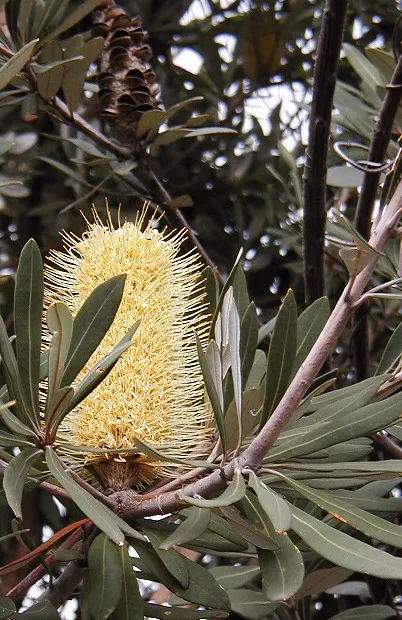
Leaves are narrow, leathery, and entire, with a green upper surface and contrasting silvery-white underside. Young growth can appear paler, while mature trunks develop rough gray-brown bark. The tree has a distinctive evergreen, coastal character and conspicuous bottlebrush-like flower spikes.
Flowering
Dense cylindrical spikes are composed of hundreds of small individual flowers arranged around a central axis. The spikes are cream to pale yellow and may occur on branch tips, often producing a conspicuous bottlebrush effect. Flowering timing varies with latitude, elevation, and local climate; the species is especially associated with cool-season flowering in parts of southeastern Australia.
Pollination and visitors
Flowers are visited by a broad range of insects, birds, and other nectar-feeding wildlife. Documented bird visitors include honeyeaters and spinebills, while insects such as bees, wasps, and beetles may also forage on the spikes. Small mammals have been recorded visiting banksia flowers and can contribute to pollination.
Banksia integrifolia photos
Click any photo for a larger view. Source, author and license are shown separately.
Diseases and pests
Diseases
Usually resilient when planted in well-drained soil. Root and collar rots are the main concerns in waterlogged conditions. Improve drainage, avoid burying the trunk base, remove badly affected material, and sanitize tools. Sudden decline can also follow severe root disturbance or inappropriate phosphorus fertilization.
Pests
Watch for scale, mealybugs, caterpillars, and occasional borers. Maintain airflow, avoid excess nitrogen, inspect new growth, and use hand removal or targeted horticultural treatments when populations are small. Stressed or overwatered plants are more vulnerable than properly sited specimens.
Related diseases and pests
Only Plant Doctor profiles whose host data indicate this plant may be affected are shown here.
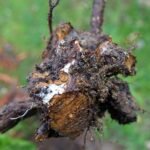 DiseasePhytophthora Root RotPhytophthora cinnamomi Rands
 Environmental stressWaterlogging
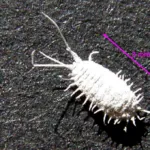 PestObscure mealybugPseudococcus viburni
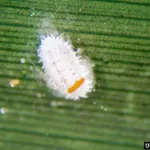 PestCitrus mealybugPlanococcus citri
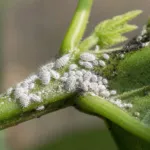 PestCotton mealybugPhenacoccus solenopsis Tinsley
 DiseasePear Decline‘Candidatus Phytoplasma pyri’
 Environmental stressPhosphorus deficiency
Toxicity and pollen
No well-established toxic effect for humans, dogs, cats, or children was identified in the reviewed botanical and horticultural sources. This should not be treated as proof of complete safety: prevent chewing of woody plant material, supervise children and pets, and seek professional advice after an unusual ingestion or reaction.
- Typical season
- Potential exposure follows flowering; timing varies widely by US climate.
- Pollination / pollen
- Animal-visited flower pollen; airborne-allergy behavior not well characterized
Banksia integrifolia is insect- and animal-visited rather than a classic wind-pollinated tree, but the reviewed sources do not provide a dependable US-specific airborne-pollen or clinical allergy rating. Sensitive gardeners should monitor symptoms during local flowering and avoid assuming that animal pollination eliminates exposure.
Native habitat
Native populations occur across coastal and near-coastal parts of southeastern Queensland, New South Wales, Victoria, and South Australia. Habitats include dunes, coastal woodland, heathland margins, and nearby uplands. It commonly grows in sandy or otherwise free-draining soils and experiences seasonal moisture variation, salt-laden winds, and periodic fire.
Interesting fact
The species is native from southeastern Queensland through southeastern Australia. Its flower spikes are made of many tiny flowers rather than one single bloom. Old flower structures can develop into woody seed-bearing cones. It is one of the more adaptable banksias for cultivation in warm climates.
Frequently asked questions (FAQ)
The most relevant questions about this plant, with short and direct answers.
🌱Quick care
What is he coast banksia?⌄
He coast banksia is the verified local common name provided for Banksia integrifolia, a large evergreen Australian tree in the Proteaceae family. It is also widely documented elsewhere as coast banksia, but this FAQ uses the verified name requested.
How much sunlight does Banksia integrifolia need?⌄
Banksia integrifolia grows best in full sun, ideally receiving at least 6 hours of direct light daily. Some light afternoon shade may be tolerated in very hot climates, but reduced light can limit flowering and produce a less compact form.
How often should I water Banksia integrifolia?⌄
Water Banksia integrifolia deeply while it establishes, then allow the soil to dry between waterings once the tree is established. Mature plants generally need supplemental water only during prolonged drought or unusually hot, dry weather.
Is Banksia integrifolia drought tolerant?⌄
Yes, established Banksia integrifolia is drought tolerant when planted in sharply drained soil. Young trees still need regular deep watering during their first growing seasons, especially in hot or arid parts of the United States.
🌤️Environment and placement
Where does Banksia integrifolia grow naturally?⌄
Banksia integrifolia is native to eastern Australia, where it grows from coastal dunes and cliffs to estuaries, forests, and some mountain habitats. Its broad natural range contributes to considerable variation in size and form.
Can Banksia integrifolia grow in the United States?⌄
Banksia integrifolia can grow outdoors in suitable frost-free or mild climates in the United States, particularly where summers are sunny and soils drain rapidly. In colder regions, it is better treated as a protected container plant, although its eventual tree size makes long-term indoor culture difficult.
What USDA hardiness zone is suitable for Banksia integrifolia?⌄
Banksia integrifolia is best suited to mild USDA hardiness zones with limited frost, and it should be protected from hard freezes. Exact performance varies by provenance, exposure, and plant age, so local frost patterns matter more than a single universal zone rating.
Can Banksia integrifolia tolerate salt and coastal wind?⌄
Yes, Banksia integrifolia has good tolerance of coastal wind and salt exposure compared with many ornamental trees. Even so, newly planted specimens benefit from temporary wind protection until their root systems are established.
What soil is best for Banksia integrifolia?⌄
Use sandy, loamy, rocky, or otherwise sharply drained soil for Banksia integrifolia. It can tolerate a wider range of soil types than some banksias, but persistent wetness and poor drainage greatly increase the risk of root disease.
Does Banksia integrifolia tolerate clay soil?⌄
Banksia integrifolia can tolerate some clay, but heavy clay should be amended or avoided if it remains wet after irrigation or rain. Planting on a raised mound and improving drainage is safer than adding rich organic material around the roots.
How large does Banksia integrifolia get?⌄
Banksia integrifolia is usually a large tree that can exceed 50 feet in favorable conditions, with some specimens growing substantially taller. Exposed coastal plants may remain much smaller and more wind-shaped, so allow generous room for the mature canopy and roots.
💧Care and problems
Does Banksia integrifolia need fertilizer?⌄
Banksia integrifolia usually needs little or no fertilizer when planted in reasonably suitable soil. Avoid high-phosphorus fertilizers because banksias and other Proteaceae can be sensitive to excess phosphorus; use only a low-phosphorus product if a soil test shows a genuine deficiency.
Why are the leaves of Banksia integrifolia turning yellow?⌄
Yellow leaves commonly indicate overwatering, poor drainage, root damage, or a nutrient problem rather than a simple need for more fertilizer. Check soil moisture and drainage first, and avoid routine phosphorus-rich feeding until the cause is identified.
Why is my Banksia integrifolia losing leaves?⌄
Leaf loss can result from drought stress, transplant shock, hard frost, waterlogged roots, or disease. Inspect the roots and stems, correct irrigation and drainage problems, and protect the plant from freezing conditions while it recovers.
Is Banksia integrifolia susceptible to root rot?⌄
Yes, Banksia integrifolia can develop serious root problems when planted in waterlogged or poorly drained soil. Prevention is more effective than treatment: provide rapid drainage, avoid frequent shallow watering, and remove severely affected plants to limit disease spread.
Can Banksia integrifolia tolerate frost?⌄
Banksia integrifolia may tolerate light, brief frost once established, but hard freezes can damage or kill it. Protect young plants with frost cloth, place containers in a sheltered location, and avoid planting in exposed frost pockets.
🪴Planting and repotting
When should I plant Banksia integrifolia?⌄
Plant Banksia integrifolia in spring or early fall when temperatures are moderate and the soil is workable. In areas with freezing winters, spring planting gives the root system more time to establish before cold weather.
How do I plant Banksia integrifolia in the ground?⌄
Plant Banksia integrifolia at the same depth it occupied in its nursery container, backfill with the native soil, and water deeply once. Keep mulch away from the trunk and maintain even moisture during establishment without allowing the planting site to stay saturated.
Can Banksia integrifolia be grown in a container?⌄
Young Banksia integrifolia can be grown in a large container filled with a fast-draining, low-phosphorus mix. Container culture is temporary for most plants because this species eventually becomes a substantial tree and dislikes repeated root disturbance.
How often should I repot Banksia integrifolia?⌄
Repot Banksia integrifolia only when the roots have substantially filled the container or drainage has declined. Move it into the next larger pot during mild weather, disturb the root ball as little as possible, and avoid keeping the plant in an oversized, moisture-retaining container.
✂️Propagation and pruning
How do I grow Banksia integrifolia from seed?⌄
Sow fresh Banksia integrifolia seed in a sterile, sharply draining propagation mix and keep it lightly moist, never waterlogged. The seeds generally require no special pretreatment and may germinate in roughly 5 to 6 weeks under suitable conditions.
How long does Banksia integrifolia take to germinate?⌄
Banksia integrifolia seed commonly germinates in about 5 to 6 weeks, although temperature, seed freshness, and moisture can change the timing. Continue providing bright light and excellent drainage after seedlings emerge.
Can Banksia integrifolia be propagated from cuttings?⌄
Banksia integrifolia can be propagated from cuttings, but success is less predictable than with seed and depends heavily on cutting maturity, hygiene, humidity, and drainage. Seed propagation is generally the simpler method for this species.
When does Banksia integrifolia start flowering from seed?⌄
Banksia integrifolia commonly begins flowering about 4 to 6 years after being grown from seed, although the timing varies with climate, provenance, container restriction, and growing conditions. Nursery-grown plants may flower sooner if they are propagated from mature material.
Can Banksia integrifolia be pruned?⌄
Yes, Banksia integrifolia generally tolerates pruning and can be shaped when young. Prune lightly after flowering or during active growth, avoid removing the main trunk or all mature foliage, and make cuts back to healthy growth rather than leaving long stubs.
Can I keep Banksia integrifolia small by pruning it?⌄
Pruning can control the shape and size of Banksia integrifolia for a time, but it cannot permanently overcome the species' potential to become a large tree. Choose a naturally smaller plant or suitable cultivar when available, and never plant it where severe annual pruning will be necessary.
⚠️Toxicity and safety
Is Banksia integrifolia toxic to people or pets?⌄
No documented species-specific toxicity was found for Banksia integrifolia, but it should not be eaten by people or pets. Avoid ingesting leaves, flowers, seeds, or plant material, and contact a medical or veterinary professional if ingestion causes symptoms.
Are Banksia integrifolia seeds edible?⌄
Banksia integrifolia seeds should not be treated as food despite traditional uses associated with some Australian native plants. Species-specific preparation and safety information is limited, so avoid eating the seeds or other plant parts.
Is Banksia integrifolia safe to plant near a house?⌄
Banksia integrifolia can be planted near a house only when there is enough room for its mature height, canopy, roots, and falling branches. Keep it away from foundations, overhead wires, narrow walkways, and areas where a large tree would become difficult to maintain.
🌸Flowering and special interest
When does Banksia integrifolia flower?⌄
Banksia integrifolia often flowers from late summer through winter in its native range, but the season can shift in the United States with climate and local weather. Mature trees may produce multiple flower spikes over an extended period.
What do Banksia integrifolia flowers look like?⌄
Banksia integrifolia produces upright cylindrical flower spikes that are typically pale yellow to cream and become more prominent as they mature. The spent spikes can develop woody follicles containing seeds, giving the tree additional ornamental interest.
Why is my Banksia integrifolia not flowering?⌄
Young age, insufficient sunlight, excessive nitrogen, root stress, hard frost, or unsuitable climate can delay flowering. Plants grown from seed may need roughly 4 to 6 years before flowering, so a healthy young specimen may simply not be mature yet.
Does Banksia integrifolia attract birds and pollinators?⌄
Yes, the nectar-rich flower spikes of Banksia integrifolia can attract birds and insects, especially when other nectar sources are scarce. The value to local wildlife depends on regional climate, surrounding habitat, and whether the plant flowers successfully.
Similar plants
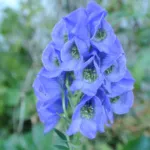 Azure Monkshood (Aconitum carmichaelii) care guideAconitum carmichaelii
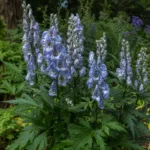 Monkshood (Aconitum ‘Stainless Steel’)Aconitum 'Stainless Steel'
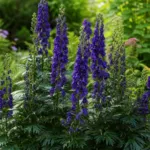 Monkshood (Aconitum ‘Bressingham Spire’)Aconitum 'Bressingham Spire'
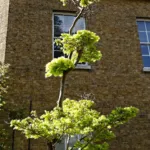 Golden full moon maple (Acer shirasawanum ‘Aureum’)Acer shirasawanum 'Aureum'
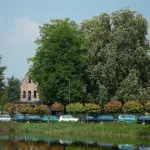 Globosum (Acer platanoides ‘Globosum’)Acer platanoides 'Globosum'
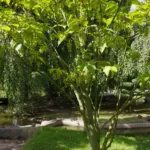 Striped maple (Acer pensylvanicum) care guideAcer pensylvanicum