
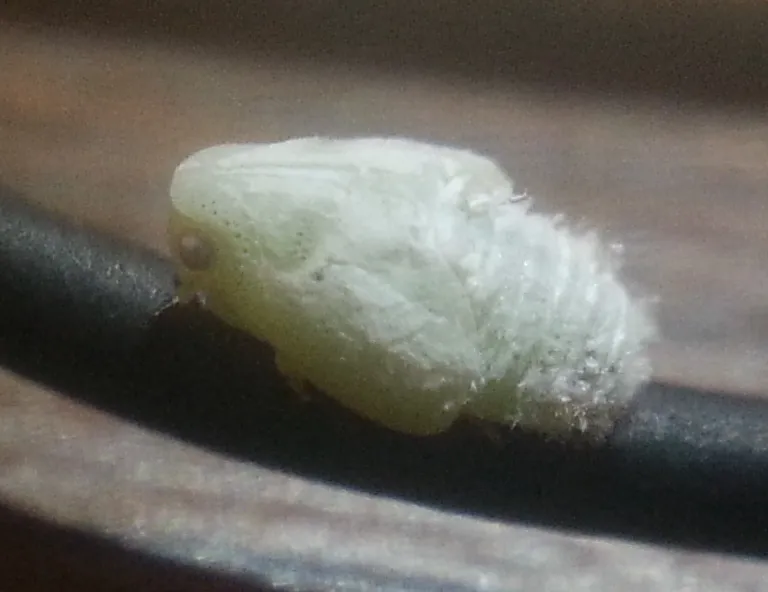
Citrus flatid planthopper
Metcalfa pruinosa (Say)Citrus flatid planthopper overview
The citrus flatid planthopper, Metcalfa pruinosa, is a sap-feeding true bug native to North America that attacks many woody plants, including citrus, grape, fruit trees and ornamentals. Nymphs are recognized by conspicuous white, cottony wax, while adults are grayish and roof-winged. Most established plants tolerate light infestations, but heavy populations can cause wilting, honeydew and sooty mold.
Typical conditions
Overview
Metcalfa pruinosa, commonly called the citrus flatid planthopper, is a true bug in the family Flatidae. Despite its common name, it feeds on a very broad range of woody plants, including citrus, grapes, fruit trees, native trees, shrubs and landscape ornamentals.
Nymphs are wingless, jump readily when disturbed and are partly hidden by conspicuous white, flocculent wax. Adults are generally gray, tan or bluish-gray, with prominent rooflike wings and dark markings near the wing bases. In most U.S. landscapes, control is unnecessary unless populations are abundant or visible injury and honeydew-related sooty mold are developing.
Symptoms and identification
- White, cottony or filamentous wax masses on tender stems, shoot tips and leaf axils.
- Small, flattened, pale nymphs that jump or move quickly when disturbed.
- Sticky honeydew on leaves, stems, fruit or surfaces beneath an infested plant.
- Black sooty mold developing on honeydew-coated foliage.
- Wilting, slowed growth or distorted tender shoots during heavy infestations.
- Rows or clusters of small oviposition slits in young woody stems; severe injury may cause shoot dieback, particularly on seedlings or stressed plants.
Wax and honeydew can be more conspicuous than the direct feeding injury. Similar white deposits may also be produced by mealybugs, woolly aphids or other planthoppers, so inspect the insects before treating.
Causes and spread
Both nymphs and adults insert piercing-sucking mouthparts into stems and tender shoots and remove plant sap. The excess carbohydrate-rich fluid is excreted as honeydew, which supports sooty mold and may attract ants.
Populations increase when numerous suitable woody hosts are present, tender growth is abundant, and plants are stressed by drought, freeze injury or other damage. Adults disperse locally by flight, while movement of infested nursery stock or cut branches can transport eggs or nymphs. The species is highly polyphagous, but records from a plant do not always prove that the plant supports successful reproduction.
Life cycle and persistence
There is generally one generation per year in the United States. Eggs overwinter embedded in slits cut into bark or young woody tissue, usually on twigs and stems. Eggs hatch in spring, with timing varying by climate; in warmer southern areas, nymphs may appear from early spring, while farther north activity is later.
Nymphs pass through several stages while feeding on tender shoots. They produce white wax and remain most noticeable during late spring and summer. Adults commonly appear from early or midsummer and may persist into fall. Females deposit eggs in woody stems, completing the annual cycle.
Treatment and control
First determine whether treatment is justified. Light infestations usually cause little lasting harm, and the wax, honeydew and sooty mold often disappear after the insects decline. On small plants, dislodge nymphs with a firm stream of water directed at stems and shoot tips, repeating as needed.
Prune and destroy severely infested young shoots when this will not compromise the plant. Wash honeydew and sooty mold from foliage with water after pest activity has stopped; the mold is superficial and normally weathers away.
If nymphs remain abundant and injury is increasing, use a carefully timed contact treatment labeled for the crop and target pest. Thorough coverage of the protected nymphs is important, and repeat applications should be based on monitoring and the product label rather than a fixed calendar schedule. Treating adults is generally less effective than targeting exposed nymphs.
Low-impact and biological control
- Use hand removal or a strong water spray on accessible plants.
- Prune and dispose of infested shoots containing nymph clusters or fresh egg punctures.
- Use insecticidal soap or horticultural oil only when needed, with complete coverage of nymphs and strict attention to the label, plant-safety precautions and heat conditions.
- Protect naturally occurring predators and parasitoids, including predatory bugs, lacewings and dryinid parasitoids associated with flatid planthoppers.
- Manage ants if they are tending honeydew-producing insects and interfering with natural enemies.
- Do not rely on neem, soap or oil products without checking that the specific formulation is suitable and legally labeled for the crop and use site.
Prevention
- Inspect new citrus, grape, fruit-tree and ornamental plants before planting, especially stems and shoot tips covered with white wax.
- Maintain consistent watering, mulching and appropriate nutrition to reduce plant stress, but avoid excessive nitrogen that produces lush, highly susceptible shoots.
- Prune and discard heavily infested or egg-punctured shoots on young plants when practical; remove material from the garden rather than composting visibly infested cuttings.
- Reduce dense, unmanaged vegetation immediately around valuable plants when it serves as a reservoir for large populations.
- Monitor from spring through fall, concentrating inspections on tender shoots and on leaves beneath suspected feeding sites.
- Conserve predators and parasitoids by avoiding unnecessary broad-spectrum insecticide applications.
Interesting facts
- The species is native to North America and has become invasive in parts of Europe and Asia, where it can be more damaging in vineyards, orchards and ornamental plantings.
- The conspicuous white wax is produced by the nymphs and can make an infestation resemble mealybugs or woolly aphids.
- Adults hold their wings in a steep, rooflike position and often have dark spots near the wing bases.
- Direct feeding is frequently less damaging than the cosmetic effects of wax, honeydew and sooty mold.
- A dryinid wasp, historically referred to in some literature as Neodryinus or Psilodryinus typhlocybae, is associated with biological suppression of flatid planthoppers; local effectiveness and identity should not be assumed without regional verification.
Use only pesticide products legally authorized and currently labeled for Metcalfa pruinosa or the applicable sap-feeding insect on the specific crop and use site in the United States. Follow the current label exactly, including rate, timing, personal protective equipment, reentry interval, preharvest interval and pollinator precautions. Avoid routine broad-spectrum applications because most infestations are minor and natural enemies can provide useful suppression.
Affected plants
The plants below are linked to this problem by structured host-plant data. The list updates automatically as new plant profiles are added.
 Arrowwood (Viburnum carlesii) care guideViburnum carlesii
 David Viburnum (Viburnum davidi) care guideViburnum davidi
 Arrow-wood (Viburnum dentatum) care guideViburnum dentatum
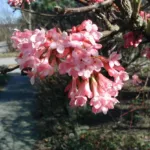 Fragrant viburnum (Viburnum farreri) care guideViburnum farreri
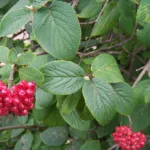 Wayfaring-tree (Viburnum lantana) care guideViburnum lantana
 Beaverwood (Celtis occidentalis) care guideCeltis occidentalis
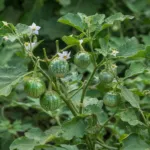 Solanum aethiopicum care guideSolanum aethiopicum
 Solanum macrocarpon care guideSolanum macrocarpon
 Eggplant (Solanum melongena) care guideSolanum melongena
 Garden Huckleberry (Solanum scabrum) care guideSolanum scabrum