
Molybdenum deficiency
Molybdenum deficiency overview
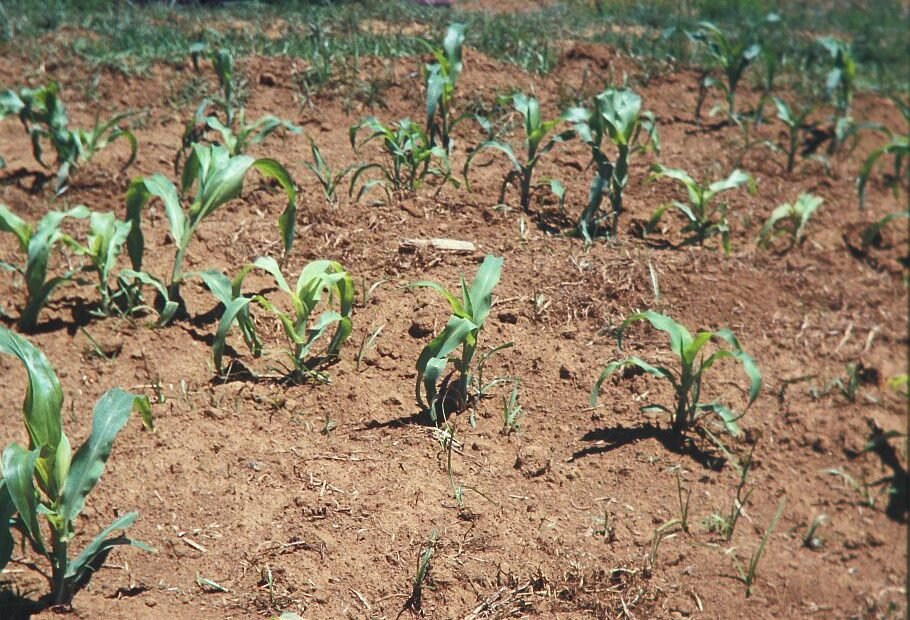
Molybdenum deficiency is an uncommon nutritional disorder caused by inadequate plant-available molybdenum, most often in strongly acidic soil. Symptoms vary by crop but may include nitrogen-like yellowing, slow growth, distorted or straplike leaves, marginal scorch, poor nodulation in legumes, and reduced flowering or fruit set. Diagnosis should be confirmed with soil, tissue, pH, and crop-history information before applying this micronutrient.
Typical conditions
Overview
Molybdenum is an essential micronutrient needed in very small quantities. Plants use it in enzymes involved in nitrate utilization, and legumes also require it for effective nitrogen fixation. Deficiency is uncommon because only trace amounts are needed, but availability falls markedly in acidic soils.
The clearest crop-specific example is Brassica oleracea cauliflower, where deficiency may cause “whiptail,” with leaves becoming narrow, straplike, brittle, and poorly expanded. In cucurbits, a related disorder called yellows can produce bright yellow crown leaves, marginal necrosis, misshapen foliage, and loss of fruit set. These patterns are not universal, so diagnosis must account for the host and growing conditions.
Symptoms and identification
- Cauliflower and some other brassicas: narrow, straplike leaves; a prominent midrib with little blade tissue; brittle or curled foliage; severe cases may fail to form a normal head.
- Cucurbits: bright yellow crown leaves, marginal necrosis, stunting, misshapen leaves, symptoms progressing outward along runners, reduced or absent fruit set, and possible plant death.
- Legumes such as alfalfa: generalized yellowing or nitrogen-deficiency-like growth associated with poor or ineffective root nodulation.
- Symptoms can overlap with nitrogen deficiency, root damage, waterlogging, cold stress, herbicide injury, other nutrient disorders, or disease. Symptoms alone should not be treated as proof.
Causes and spread
This disorder is caused by inadequate molybdenum uptake rather than by a spreading organism. Strongly acidic soil is the most consistently documented risk factor because molybdenum becomes less available to roots as pH falls. Low fertility, sandy or highly leached soil, poor rooting, waterlogged soil, and nutritional imbalance can increase risk or intensify symptoms.
There is no disease lifecycle or plant-to-plant transmission. Affected patches often reflect variation in soil pH, fill soil, drainage, fertility, or previous amendments. In legumes, poor nodulation may be an important secondary effect because molybdenum is needed for biological nitrogen fixation.
Life cycle and persistence
Molybdenum deficiency has no biological lifecycle. It develops when plant demand exceeds the amount of molybdenum available for root uptake. Symptoms may improve after the underlying availability problem is corrected, but existing damaged tissue will not return to normal; recovery is assessed by the appearance of healthy new growth.
Treatment and control
First confirm the diagnosis. Check soil pH, inspect roots and nodules where relevant, review irrigation and fertility, and use a qualified soil or tissue test when practical. Correcting strongly acidic soil with properly calculated agricultural lime is generally the preferred long-term measure because it improves molybdenum availability while addressing the broader low-pH problem.
If a deficiency is confirmed and rapid correction is needed, use a crop-appropriate molybdenum-containing fertilizer only at the very low rate specified by the product label or a local Extension recommendation. Foliar application may be used in some commercial vegetable systems, but incorrect concentration can injure foliage. Do not apply repeated treatments “just in case.” Severely damaged leaves will not recover; judge success by healthy new growth, improved nodulation, and renewed crop development.
Low-impact and biological control
No biological control is relevant because this is not an infectious disease. Organic and low-input management focuses on soil stewardship: test pH, apply permitted agricultural lime when indicated, add mature compost to improve root-zone condition, prevent waterlogging, and maintain balanced fertility.
Use only materials allowed under the production system and current U.S. regulations. Organic fertilizers and compost are not reliable substitutes for a confirmed molybdenum correction, and excessive molybdenum can be toxic to plants or create livestock-feed concerns. Obtain crop-specific advice before using a molybdenum amendment.
Prevention
- Test soil pH before planting and maintain the crop-specific range recommended by a U.S. university soil-testing laboratory.
- Use a representative soil sample and, when symptoms are uncertain, combine soil information with plant-tissue analysis and crop history.
- Correct acidic soil with agricultural lime only according to a soil-test recommendation; avoid routine micronutrient applications without evidence of deficiency.
- Maintain good drainage, avoid prolonged saturation, and build organic matter with mature compost or other suitable amendments.
- For legumes, use the correct crop-specific rhizobial inoculant when needed and verify nodulation rather than assuming yellowing is caused by molybdenum.
- Keep records of pH, amendments, irrigation, and previous crops so recurring low-pH patches can be corrected.
Interesting facts
- Molybdenum is needed in extremely small amounts, so deficiency is much less common than nitrogen, iron, or potassium deficiency.
- Acid soil can make molybdenum unavailable even when total soil molybdenum is not necessarily low.
- In legumes, molybdenum deficiency can interfere with nitrogen fixation, producing a nitrogen-deficiency-like appearance.
- “Whiptail” is the classic descriptive name for molybdenum deficiency symptoms in cauliflower.
- Some diagnostic images reported as molybdenum deficiency were not confirmed by laboratory leaf analysis, illustrating why visual diagnosis should be treated cautiously.
Molybdenum fertilizers are not pesticides. Use only products legally authorized for the intended crop and problem in the United States, and follow the current product label exactly. Do not improvise concentrations or tank mixes; micronutrients are required in trace amounts and overapplication can injure plants or create environmental and livestock-nutrition risks.
Affected plants
The plants below are linked to this problem by structured host-plant data. The list updates automatically as new plant profiles are added.
 Ethiopian Rape (Brassica carinata) care guideBrassica carinata
 Brown Mustard (Brassica juncea) care guideBrassica juncea
 Rapeseed (Brassica napus) care guideBrassica napus
 Urnip rape (Brassica rapa) care guideBrassica rapa
 Collard greens (Brassica oleracea) care guideBrassica oleracea
 Maroon cucumbe (Cucumis anguria) care guideCucumis anguria
 Horned Melon (Cucumis metuliferus) care guideCucumis metuliferus
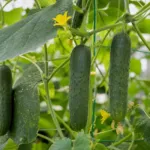 Cucumber (Cucumis sativus) care guideCucumis sativus
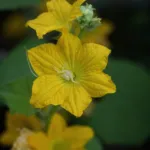 Melon or true melo (Cucumis melo) care guideCucumis melo
 Cantalupensis Group (Cucumis melo Cantalupensis Group)Cucumis melo Cantalupensis Group
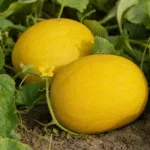 Mango melon (Cucumis melo Chito Group)Cucumis melo Chito Group
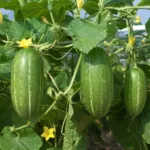 Oriental pickling melon (Cucumis melo Conomon Group)Cucumis melo Conomon Group