

Sclerotinia minor: lettuce drop and white mold
Sclerotinia minorSclerotinia minor: lettuce drop and white mold overview
Sclerotinia minor is a soilborne fungal pathogen best known in the United States for lettuce drop, a destructive crown and basal-rot disease. Infected lettuce develops tan to brown, water-soaked decay where the crown or lower leaves touch wet soil, followed by white fungal growth, tiny black sclerotia, wilting, and whole-plant collapse. Related crown, stem, or white-mold diseases have also been documented on several other crops, so laboratory confirmation may be needed.
Typical conditions
Overview
Sclerotinia minor is a soilborne fungal plant pathogen. On lettuce, it causes lettuce drop by attacking the crown and lower leaf or stem tissue in contact with the soil. The affected tissue becomes tan to brown, soft, and water-soaked; white cottony mycelium and small black survival structures called sclerotia may develop as the crown decays.
Symptoms can resemble Sclerotinia sclerotiorum, Botrytis crown rot, Phoma basal rot, or Verticillium wilt. A reliable diagnosis may require examination of sclerotia and fungal culture or molecular identification.
Symptoms and identification
- Tan to brown discoloration at the lettuce crown or lower leaf attachments.
- Soft, watery decay that girdles or destroys crown tissue.
- White, cottony fungal mycelium on or within rotting tissue.
- Small, hard, irregular black sclerotia, commonly about 0.5–3 mm across.
- Outer leaves wilt, lie against the soil, and progressively collapse.
- Near maturity, the entire lettuce plant may wilt and become unharvestable.
- On documented non-lettuce hosts, symptoms may present primarily as basal stem, crown, root, or branch rot rather than classic lettuce drop.
Causes and spread
Infection begins when sclerotia or infected debris are present in soil and prolonged moisture allows fungal growth toward susceptible tissue. Irrigation, rainfall, flooding, poor drainage, and soil splashed onto crowns can increase contact between inoculum and the plant. Dense plantings and broad, wet beds prolong surface moisture. Moving contaminated soil, plant debris, tools, equipment, transplants, or water can spread sclerotia between beds or fields. A nearby infected host crop can maintain the inoculum reservoir.
Life cycle and persistence
The pathogen survives between crops mainly as small, black sclerotia in soil and infected crop debris. These structures can remain infective for multiple years; UC IPM reports survival commonly lasting about 2–3 years for lettuce-drop fields.
When soil remains wet, sclerotia germinate and produce mycelium that grows through nearby soil and infects roots, crowns, or lower plant tissue. In California lettuce production, S. minor is generally managed as a soilborne pathogen and is not considered to rely on an airborne spore stage in the same way as S. sclerotiorum. This difference is important because the two species can look similar but spread and respond differently to management.
New sclerotia form in or on decayed tissue and return to the soil with crop residues. Recent research has also documented sclerotium production in infected lettuce stems under greenhouse conditions, indicating that the disease cycle may be more variable than previously recognized.
Treatment and control
Once a lettuce crown is extensively rotted or the plant has collapsed, it cannot be restored. Remove the entire plant and as much infected debris and surrounding soil as practical, then dispose of it away from production beds.
For remaining plants, reduce wetness at the crown, correct drainage problems, and prevent irrigation water from flowing across affected beds. In commercial fields with a documented history of S. minor, locally registered protectant fungicides may be used preventively and directed toward the plant base at the label-specified timing. They are not a substitute for sanitation, rotation, and moisture control, and a program suitable for S. minor should not be assumed to control S. sclerotiorum.
For valuable crops or recurring losses, submit symptomatic crowns with visible sclerotia to a state diagnostic laboratory or university plant clinic for confirmation and a crop-specific management plan.
Low-impact and biological control
No single organic treatment reliably eliminates established disease. Use an integrated sanitation and moisture-management program:
- Remove and destroy infected plants, including the crown and surrounding soil or debris, before the fungus produces more sclerotia.
- Do not compost diseased lettuce or other infected plant material unless the composting process is reliably hot and fully managed.
- Use raised beds, well-drained soil, and irrigation practices that keep the bed surface and crown as dry as practical.
- Rotate away from documented susceptible hosts; for a small garden, several years without lettuce and other known hosts may reduce, but not guarantee, disease pressure.
- Solarization may reduce soilborne inoculum where climate, season, and bed preparation make it practical.
- Where available and legally registered for the crop, biological products or mycoparasites directed against Sclerotinia sclerotia may be considered, but performance depends on formulation, soil conditions, timing, and local label directions.
Prevention
- Start with clean transplants, seedbeds, tools, and growing media.
- Inspect lettuce crowns and remove suspect plants promptly.
- Improve drainage; use raised beds and avoid irrigation practices that leave water standing around crowns.
- Maintain enough spacing for air movement and avoid excessive canopy humidity.
- Rotate with nonhost or less-susceptible crops, while recognizing that weeds and cover crops may also carry Sclerotinia species.
- Do not use documented host cover crops such as susceptible mustards, vetch, Austrian winter pea, or phacelia in fields with a lettuce-drop history unless their disease risk has been evaluated locally.
- Clean soil from cultivation and harvest equipment before moving between infested and clean areas.
- Where practical, bury infected residues deeply or remove them from production areas; do not leave diseased crowns on the soil surface.
Interesting facts
- The species name minor reflects the comparatively small sclerotia, which are generally smaller than those associated with S. sclerotiorum.
- In coastal California, S. minor is reported as the primary Sclerotinia species associated with lettuce drop, while S. sclerotiorum is more important in some other regions.
- Confirmed host records include lettuce, corn salad or lamb’s lettuce, peanut, hemp, and sunflower, but the host range is narrower and less completely documented than that of S. sclerotiorum.
- The disease is often most damaging when plants are close to harvest because crown decay rapidly causes collapse.
- Some wild or primitive lettuce relatives have shown greater tolerance in research than modern cultivars, offering potential material for resistance breeding.
Use fungicides only when a product is currently legally authorized and labeled in the United States for the specific crop, site, disease, and application method. Follow the current label exactly, including rate, timing, personal protective equipment, restricted-entry interval, preharvest interval, and worker or pollinator precautions. Product registrations and labels can change; do not transfer recommendations from lettuce to another crop.
Affected plants
The plants below are linked to this problem by structured host-plant data. The list updates automatically as new plant profiles are added.
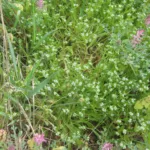 Cornsalad (Valerianella locusta) care guideValerianella locusta
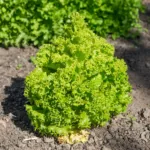 Lettuce (Lactuca sativa) care guideLactuca sativa
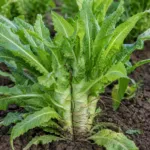 Celtuce (Lactuca sativa Angustana Group)Lactuca sativa Angustana Group
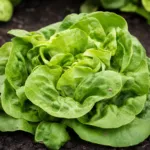 Capitata Group (Lactuca sativa Capitata Group)Lactuca sativa Capitata Group
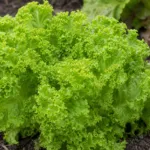 Leaf lettuce (Lactuca sativa Crispa Group)Lactuca sativa Crispa Group
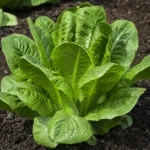 Romaine lettuce (Lactuca sativa Longifolia Group)Lactuca sativa Longifolia Group
 Rapeseed (Brassica napus) care guideBrassica napus
 Black Mustard (Brassica nigra) care guideBrassica nigra