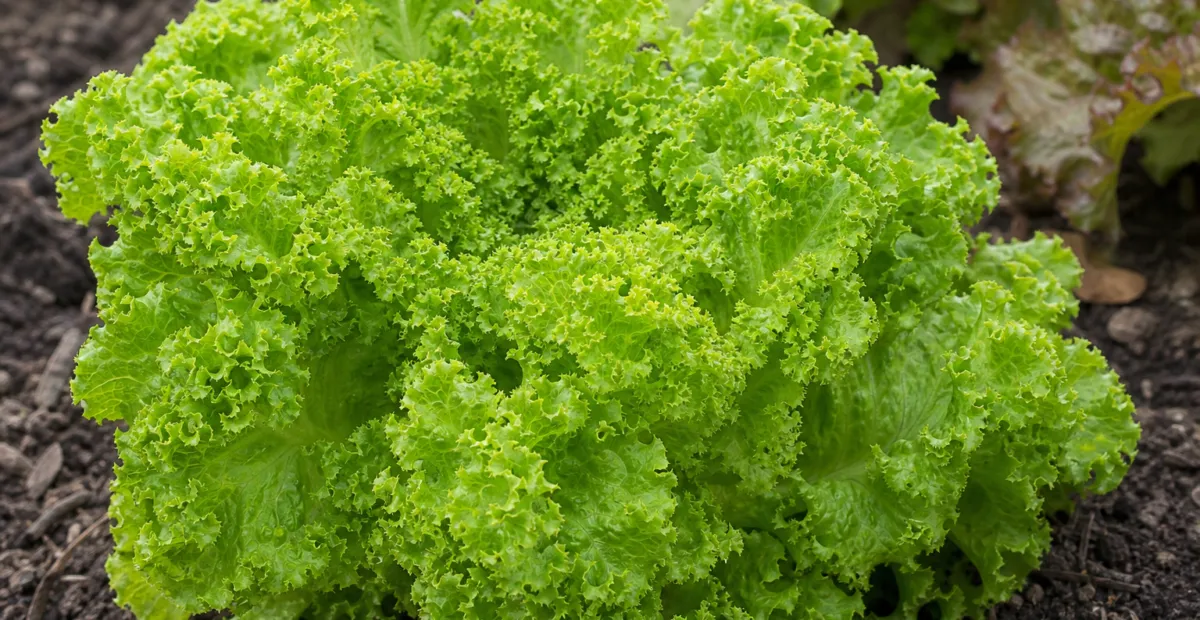
 AI-generated illustration
Leaf lettuce (Lactuca sativa Crispa Group) short overview
Lactuca sativa Crispa Group is the cultivated loose-leaf or curled-leaf lettuce group, grown as a cool-season edible vegetable. Plants form a basal rosette of crisp, often frilled leaves and are usually harvested young, either leaf by leaf or as a whole plant. Sow in early spring or late summer for best quality; heat, drought, and long days can trigger bolting and bitterness. A horticultural group of cultivated lettuce characterized mainly by loose, curled, frilled, or cut leaves. It is valued for rapid cool-season growth and repeated harvest, with best flavor before hot weather induces bolting.
Taxonomic classification
Leaf lettuce (Lactuca sativa Crispa Group) care guide
Light and placement
Grow in full sun during cool spring and fall weather; in hot regions, give morning sun and light afternoon shade. Insufficient light produces thin, loose growth, while intense heat combined with strong light can hasten bolting and bitterness. Avoid reflective heat beside south- or west-facing walls during summer.
Watering and humidity
Keep soil evenly moist but never saturated. Water deeply enough to wet the root zone, commonly supplying about 1–2 inches per week when rainfall is insufficient. Increase frequency during hot or windy weather and use mulch or drip irrigation to reduce fluctuations; drought stress can toughen leaves and worsen tipburn.
Soil and growing medium
Use fertile, loose soil with good drainage and steady moisture. A loam amended with well-rotted compost suits this group well. Avoid compacted ground and waterlogged beds. A slightly acidic to neutral soil reaction is suitable; approximately pH 6.0–7.0 supports nutrient availability.
Feeding
In fertile soil, incorporate a modest amount of finished compost before planting. If growth is pale or slow, apply a balanced vegetable fertilizer at label strength after thinning or transplant establishment. Avoid heavy nitrogen applications and do not fertilize drought-stressed, waterlogged, or heat-stressed plants.
Growth and habit
Plants develop quickly as a low basal rosette and are generally harvested before a reproductive stalk forms. Loose-leaf types can support repeated picking when the growing point remains intact. Heat, drought, overcrowding, and delayed harvest increase bolting and bitterness.
Planting and repotting
Sow outdoors as soon as the soil is workable in spring, or sow a late-summer crop for fall harvest. Place seed about 1/4–1/2 inch deep and keep the surface evenly moist until emergence. Thin gradually, using the young thinnings as salad greens.
Usually unnecessary in the ground. Container-grown plants can be transplanted once seedlings have several true leaves, keeping the root ball intact and avoiding deep burial of the crown.
Propagation and pruning
Propagation
Propagate from seed. Direct-sow in prepared soil or start transplants about 3–4 weeks before planting out. Successive sowings every 1–3 weeks can extend the harvest, especially during the cool parts of the season.
Pruning
No routine pruning is required. Harvest outer leaves cleanly, or cut the entire plant just above the soil surface. Remove bolting plants once leaf quality declines and clear crop debris after harvest.
Overwintering
Usually grown as an annual. In mild regions, mature plants may tolerate light freezes, while row cover can protect late crops. In colder areas, harvest before hard freezes rather than attempting indoor overwintering.
Uses
Primarily grown as an edible salad vegetable. Young leaves are useful for mixed greens, sandwiches, and garnish; mature leaves can be harvested as a whole plant or picked progressively. The Group is also suitable for intensive succession sowing, containers, raised beds, and small-space gardens.
Appearance
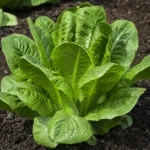
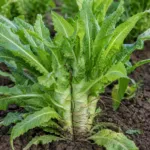
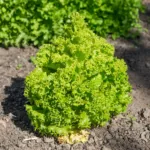
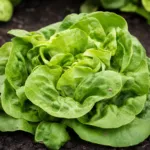
Forms a compact basal rosette of broad, soft leaves that may be finely frilled, deeply lobed, crinkled, or oak-leaf-like depending on cultivar. The group is chiefly recognized by its loose, non-iceberg leaf habit and textured foliage. Bolting produces an upright, branched flowering stem.
Flowering
Plants are normally harvested before flowering. If allowed to bolt, a tall branched stalk rises from the rosette and produces numerous small yellow flower heads typical of the daisy family. High temperatures and long days accelerate this transition, after which leaves commonly become bitter.
Pollination and visitors
Flowers are not normally the production target because plants are harvested before bolting. Lettuce flowers can receive insect visits, but the crop is commonly capable of self-pollination, so animal pollinator dependence is low.
Diseases and pests
Diseases
Prevent damping-off and bottom rot with clean seed-starting materials, well-drained soil, careful irrigation, and crop rotation. Remove badly affected plants. Monitor for downy mildew, lettuce drop, and aster yellows; control leafhopper vectors and avoid prolonged wet foliage where practical.
Pests
Common problems include aphids, slugs, snails, flea beetles, cutworms, and leafminers. Inspect leaf undersides and seedlings frequently, use barriers or row covers where appropriate, hand-pick slugs, and remove weeds that shelter pests. Avoid unnecessary broad-spectrum insecticides on an edible crop.
Toxicity and pollen
The leaves are a commonly eaten food crop and no specific toxic principle is established for this Group in standard pet-plant toxicity references. Wash produce, prevent contamination with pesticides or compost, and seek veterinary advice if an animal consumes an unusually large amount or shows gastrointestinal symptoms.
- Typical season
- Late spring through summer when plants bolt; local timing varies.
- Pollination / pollen
- Light pollen produced in small flower heads; airborne relevance is poorly documented.
Lettuce is an insect-visited flowering crop, but its pollen is not generally treated as a major outdoor airborne pollen source in common U.S. allergy calendars. Reliable Group-specific exposure data are limited, so allergy relevance is best recorded as unknown rather than assumed absent.
Native habitat
This is a domesticated crop rather than a wild native plant of the United States. Cultivated lettuce performs best in open, fertile, moderately moist soils and cool-temperate seasonal conditions. It is commonly grown in beds, raised beds, containers, and protected crop systems.
Interesting fact
Crispa Group includes loose-leaf and curled-leaf lettuce forms.
Leaves may be harvested repeatedly without uprooting the plant.
Heat and long days can make lettuce bolt and taste bitter.
The group is also associated with cutting-lettuce production.
Lettuce seed germinates best under cool to moderate conditions.
Yellow flower heads appear only after the plant shifts to reproduction.
Frequently asked questions (FAQ)
The most relevant questions about this plant, with short and direct answers.
🌱Quick care
What is Lactuca sativa Crispa Group?⌄
Lactuca sativa Crispa Group is the botanical group commonly associated with loose-leaf or leaf lettuce. It produces non-heading, often crinkled, curled, oak-leaf, or frilly leaves that can be harvested individually.
Is leaf lettuce an annual or perennial plant?⌄
Leaf lettuce is an annual crop that completes its life cycle in one growing season. It may flower and produce seed if left in the ground, especially as temperatures rise.
How much sun does Lactuca sativa Crispa Group need?⌄
Lactuca sativa Crispa Group grows best in full sun to partial shade. In hot weather, afternoon shade can help reduce bolting, bitterness, and moisture stress.
How often should I water leaf lettuce?⌄
Water leaf lettuce regularly to keep the soil evenly and moderately moist. Because its roots are relatively shallow, it may need more frequent watering during hot, dry weather, but saturated soil should be avoided.
What soil is best for leaf lettuce?⌄
Use fertile, well-drained loam enriched with organic matter. The soil should hold moisture without becoming waterlogged, since poor drainage can encourage root and foliage problems.
Is leaf lettuce frost tolerant?⌄
Leaf lettuce tolerates light frost and cool weather. Young plants can still benefit from a row cover or low tunnel when a harder freeze is expected.
🌤️Environment and placement
Does leaf lettuce grow better in sun or shade?⌄
Leaf lettuce grows fastest in full sun but can produce well in partial shade. Some afternoon shade is particularly useful for spring plantings approaching hot summer conditions.
What temperatures are best for growing leaf lettuce?⌄
Leaf lettuce performs best during cool growing conditions, roughly with daytime temperatures near 60–68°F. Heat, long days, and plant age increase the risk of bolting.
Can I grow Lactuca sativa Crispa Group in a container?⌄
Yes, leaf lettuce grows well in containers that have drainage holes and at least about 6 inches of usable soil depth. Use a fertile potting mix and monitor containers closely because they dry out faster than garden beds.
Can leaf lettuce grow indoors?⌄
Yes, leaf lettuce can be grown indoors in a bright sunny window or under a grow light. Keep the growing medium evenly moist and provide good air circulation to limit weak growth and disease.
Can leaf lettuce grow in partial shade during summer?⌄
Yes, partial shade can extend the harvest during summer, especially in regions with hot summers. Plants still need enough light for strong growth, and consistent irrigation remains essential.
💧Care and problems
Why is my leaf lettuce turning bitter?⌄
Leaf lettuce commonly becomes bitter during hot weather or when it begins to bolt. Harvest promptly, keep the soil evenly moist, and grow it during cooler spring or fall conditions for milder flavor.
Why is my lettuce bolting?⌄
Bolting is usually triggered by heat, long days, strong light, and plant maturity. Harvest the remaining usable leaves as soon as a central flower stalk appears, because quality declines after bolting begins.
Can I still eat leaf lettuce after it bolts?⌄
You can eat the leaves after bolting begins if they are clean and not excessively bitter, but flavor and texture are often poorer. Harvest immediately or replace the planting for better-quality greens.
How do I prevent tipburn on leaf lettuce?⌄
Prevent tipburn by avoiding major swings between dry and wet soil and by maintaining steady growth. Consistent irrigation, organic mulch, and avoiding excessive fertilizer stress can help reduce brown leaf margins.
Why are holes appearing in my leaf lettuce leaves?⌄
Holes are commonly caused by slugs, snails, caterpillars, or flea beetles. Inspect plants at night or under leaves, remove pests when possible, and use barriers or controls labeled for edible vegetables.
How do I control aphids on leaf lettuce?⌄
Rinse aphids from the undersides of leaves with a firm stream of water and remove heavily infested leaves. Insecticidal soap labeled for edible crops can be used according to its label directions.
Why are my leaf lettuce seedlings not growing?⌄
Slow seedlings are often caused by dry soil, overcrowding, weeds, heat, or poor fertility. Keep the seedbed evenly moist, thin plants promptly, control weeds shallowly, and provide fertile, well-drained soil.
🪴Planting and repotting
When should I plant leaf lettuce in the United States?⌄
Plant leaf lettuce in early spring as soon as the soil can be prepared, then make another planting for fall. Exact dates vary by USDA hardiness zone, local frost dates, and the onset of summer heat.
Can I direct-sow Lactuca sativa Crispa Group?⌄
Yes, direct sowing is an excellent method for leaf lettuce. Sow seeds about ¼–½ inch deep, keep the surface consistently moist until emergence, and thin crowded seedlings after they establish.
How far apart should leaf lettuce plants be?⌄
Thin leaf lettuce to about 4–5 inches apart for baby leaves or roughly 10–12 inches apart for full-size plants. Wider spacing improves airflow and allows larger leaves to develop.
Can I transplant leaf lettuce seedlings?⌄
Yes, leaf lettuce can be transplanted for an earlier or more controlled crop. Harden seedlings before planting outdoors and disturb the shallow roots as little as possible.
How often should I succession-plant leaf lettuce?⌄
Sow a small new planting every 10–14 days during suitable cool weather for a continuous supply. Stop or reduce sowing during the hottest part of summer unless you can provide shade and reliable moisture.
Can I grow leaf lettuce for a fall harvest?⌄
Yes, fall is often an excellent season for leaf lettuce because cooler temperatures improve flavor and reduce bolting. Time sowing so plants mature before severe freezes, using row covers to extend the harvest.
✂️Propagation and pruning
How do you propagate leaf lettuce?⌄
Leaf lettuce is propagated from seed rather than cuttings. Sow fresh seed directly in the garden or start it indoors and transplant young seedlings after hardening them off.
Can leaf lettuce regrow after harvesting?⌄
Yes, leaf lettuce can regrow when you harvest outer leaves or cut above the crown while leaving the growing point intact. Regrowth slows as the plant ages or begins to bolt.
Can I save seeds from leaf lettuce?⌄
Yes, you can save seed by allowing healthy plants to bolt, flower, and produce mature seed. Seed saving is less reliable when different lettuce varieties flower nearby because cross-pollination can occur.
⚠️Toxicity and safety
Is Lactuca sativa Crispa Group toxic to people or pets?⌄
Lactuca sativa Crispa Group is an edible lettuce group and is not known to be toxic when grown and prepared appropriately. Wash harvested leaves thoroughly, and avoid consuming leaves contaminated with pesticides, animal waste, or polluted water.
Can pregnant people eat leaf lettuce?⌄
Pregnant people can generally eat leaf lettuce when it is thoroughly washed and properly handled. Use clean hands and utensils, refrigerate it promptly, and follow current food-safety guidance for raw produce.
🌸Flowering and special interest
Does leaf lettuce produce flowers?⌄
Yes, leaf lettuce produces a central flowering stalk when it bolts. The small flowers are typically yellow, but flowering signals that the plant is shifting from leaf production to seed production.
Should I remove the flower stalk from bolting lettuce?⌄
Removing the flower stalk may temporarily improve appearance but will not reliably restore tender growth. Harvest the remaining leaves and replant with a cool-season succession crop.