
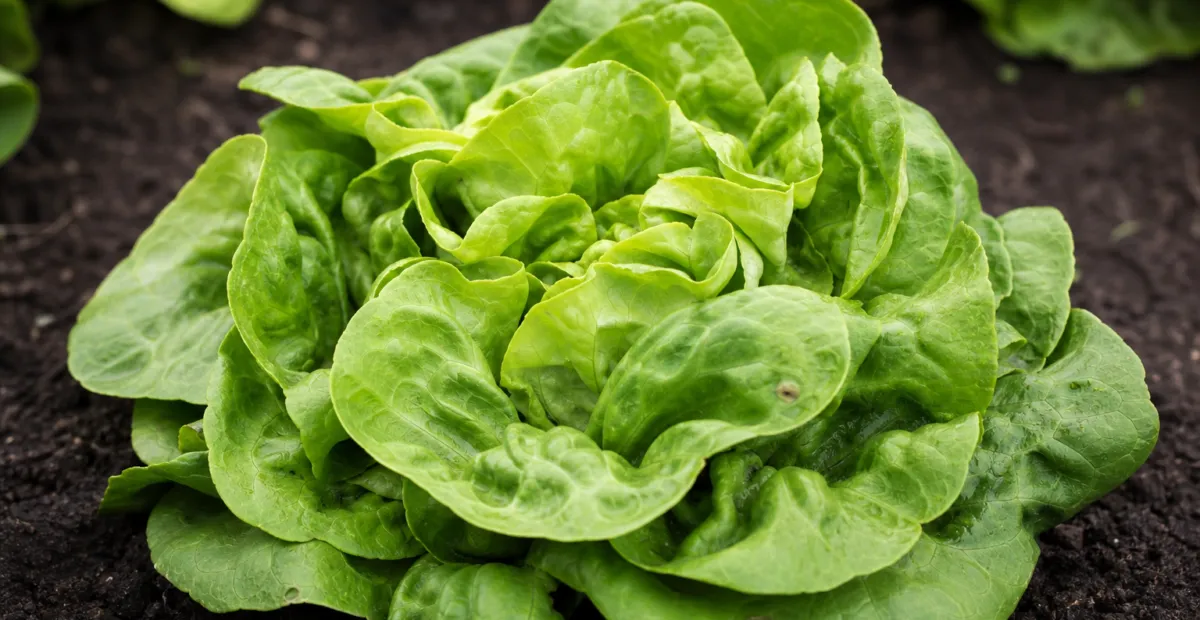
Lactuca sativa Capitata Group short overview
Lactuca sativa Capitata Group is a cool-season lettuce group valued for its compact heads and tender, edible leaves. Depending on the cultivar, heads may be crisp and firm or softer and more pliable, with green, red-tinged, or mixed foliage. In United States gardens, it performs best in spring and fall under full sun to partial shade, with fertile, evenly moist soil. Heat and drought can cause bolting, bitterness, and poor head formation.
Taxonomic classification
Lactuca sativa Capitata Group care guide
Light and placement
Give full sun in spring and fall, ideally 6 or more hours of direct light, with afternoon shade in hot weather. An east-facing or sheltered south/west exposure works well when heat is moderate. Too little light produces loose, weak growth; intense heat combined with strong afternoon sun can accelerate bolting and bitterness.
Watering and humidity
Keep the shallow root zone consistently and evenly moist, watering deeply enough to wet the growing medium without leaving it saturated. Check containers frequently because they dry quickly. Increase frequency during warm, windy weather and reduce it during cool, rainy periods, while avoiding repeated drought followed by heavy irrigation.
Soil and growing medium
Use fertile, moisture-retentive soil that still drains freely. A loam amended with compost is suitable for containers or beds. Slightly acidic to neutral soil, approximately pH 6.0–6.7, supports dependable growth. Avoid compacted ground and waterlogged sites, which can restrict shallow roots and increase disease risk.
Feeding
Incorporate finished compost before planting. If growth is pale or slow, apply a balanced vegetable fertilizer at the label rate several weeks after emergence or transplanting. Avoid heavy late nitrogen applications, which can produce soft growth and increase disease or pest problems. Do not fertilize drought-stressed or waterlogged plants.
Growth and habit
Plants begin as a low basal rosette and develop a compact head characteristic of the Capitata Group. Growth is fastest in cool weather. Consistent moisture and timely harvest help preserve head quality; heat, crowding, and drought increase the likelihood of bolting and bitterness.
Planting and repotting
For spring crops, sow directly about two weeks before the average last frost, or start indoors 6–8 weeks earlier. For fall crops, sow roughly 8–12 weeks before the expected first frost, adjusting for local climate. Cover seed with 1/4–3/8 inch of soil, keep the surface evenly moist, and thin gradually.
Transplant seedlings once they have several true leaves, disturbing the shallow root system as little as possible. Container-grown plants need a vessel at least 6–8 inches deep; repotting is rarely needed because the crop is harvested within one season.
Propagation and pruning
Propagation
Propagate by seed. Direct-sow into prepared soil or start indoors in cell trays 6–8 weeks before spring transplanting. Succession-sow every two weeks for a longer harvest. Use fresh, properly stored seed and avoid burying it deeply.
Pruning
No ornamental pruning is required. Harvest outer leaves as needed, or cut the entire head at soil level. Remove bolted plants after seed collection or when leaves become bitter, and clear diseased foliage promptly.
Overwintering
Usually grown as a seasonal annual. In mild climates, protect late fall plantings with row cover during light frosts. In colder areas, harvest before severe freezes or use an unheated cold frame; overwintering is not dependable once temperatures remain very low.
Uses
Grow for fresh salads, sandwiches, wraps, and other culinary uses. Heads may be harvested whole or picked leaf by leaf when the cultivar permits. It is also useful in raised beds, containers, school gardens, and small-space edible plantings. Allowing a few plants to bolt can provide flowers and seed, but the leaves become less desirable for eating.
Appearance
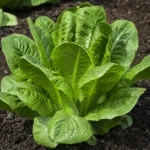
The plant forms a short-stemmed basal rosette with overlapping leaves that create a rounded head. Capitata cultivars range from crisp, tightly packed heads to softer butterhead heads. Leaves may be smooth, puckered, wavy, or lightly lobed, and may be green, red-tinged, or multicolored.
Flowering
If left unharvested, the compact rosette elongates into a tall, branched flowering stem. Small yellow ray florets are borne in composite heads. Bolting is generally undesirable for eating because leaf production slows and flavor becomes bitter, but flowering is useful when seed is wanted.
Pollination and visitors
Bolted lettuce produces small yellow composite flower heads that can receive visits from small bees and hoverflies. These visitors are relevant to seed production and flower visitation, but the crop is usually harvested before flowering.
Diseases and pests
Diseases
Damping-off can affect crowded or overwatered seedlings. Mature plants may develop downy mildew, powdery mildew, bottom rot, Botrytis, wilt, or leaf spots. Reduce risk with clean seed, good air circulation, careful watering, crop rotation, and removal of badly affected plants. Avoid prolonged leaf wetness and saturated soil.
Pests
Common pests include aphids, armyworms, imported cabbageworms, loopers, leafminers, whiteflies, slugs, and snails. Inspect undersides of leaves, use row cover over young plants, remove weeds that shelter pests, and hand-pick slugs and snails. Use any labeled control only when necessary and follow the product label, especially near harvest.
Toxicity and pollen
Lettuce is widely eaten as a food crop. Extension references describe low-severity poisoning characteristics associated mainly with the milky sap, including possible skin irritation or contact dermatitis in sensitive people. Wash hands after handling abundant sap and seek medical advice after a significant or unusual exposure.
- Typical season
- Typically summer in the United States, only if plants bolt
- Pollination / pollen
- Insect-carried pollen
Lettuce is insect-pollinated and is not generally treated as a major seasonal airborne-pollen source in United States gardening guidance. Pollen exposure is greatest when plants bolt and flower. Sensitive individuals should still avoid assuming zero risk around any flowering plant.
Native habitat
Lactuca sativa is a domesticated lettuce species associated with temperate and Mediterranean agricultural environments. It prefers cool growing periods, fertile soils, and reliable moisture rather than prolonged heat or drought. Cultivated forms are grown widely beyond the species’ historical range.
Interesting fact
The Capitata Group includes heading lettuces with different head textures, including crisp and butterhead forms. Lettuce seeds carry a pappus that can aid wind dispersal. Heat stress commonly causes premature bolting. The edible crop is harvested mainly from the basal rosette before flowering.
Frequently asked questions (FAQ)
The most relevant questions about this plant, with short and direct answers.
🌱Quick care
What is Lactuca sativa Capitata Group?⌄
Lactuca sativa Capitata Group is the horticultural group that includes butterhead, Bibb, and Boston-type lettuces. These are cool-season annual vegetables valued for soft, tender leaves and loose-forming heads.
Is Lactuca sativa Capitata Group easy to grow?⌄
Yes, it is generally easy to grow when temperatures are cool and the soil stays evenly moist. The main challenges are heat-related bolting, bitterness, and inconsistent moisture.
How much sun does Lactuca sativa Capitata Group need?⌄
Give it full sun to partial shade, with about 4–8 hours of direct light daily. In hot regions or during summer, afternoon shade can help reduce bolting and leaf bitterness.
How often should I water Lactuca sativa Capitata Group?⌄
Water regularly to keep the soil evenly moist but not waterlogged. Lettuce has shallow roots, so it may need watering several times per week during dry or hot weather.
Is Lactuca sativa Capitata Group frost tolerant?⌄
It tolerates light frost and usually grows well during cool spring and fall weather. Protect plants from hard freezes, prolonged freezing temperatures, and severe ice exposure.
🌤️Environment and placement
What temperature is best for Lactuca sativa Capitata Group?⌄
Cool conditions are best, with daytime temperatures near 55–70°F producing the most tender growth. Temperatures above about 80°F can slow heading, increase bitterness, and trigger bolting.
Can Lactuca sativa Capitata Group grow in partial shade?⌄
Yes, it can grow in partial shade, especially in warm climates. Morning sun with afternoon shade is often preferable during hot weather, although growth may be slower than in full sun.
What soil is best for Lactuca sativa Capitata Group?⌄
Use fertile, moisture-retentive, well-drained loam enriched with compost. A slightly acidic to neutral soil, roughly pH 6.0–7.0, is generally suitable.
Can Lactuca sativa Capitata Group grow in containers?⌄
Yes, it grows well in containers with drainage holes and quality potting mix. Choose a container at least 6–8 inches deep and keep the mix consistently moist because containers dry quickly.
Where should I place Lactuca sativa Capitata Group in a hot climate?⌄
Place it where it receives morning sun and afternoon shade, or use a shade cloth during the hottest part of the day. Grow it primarily in early spring, fall, or winter rather than midsummer.
💧Care and problems
How do I prevent Lactuca sativa Capitata Group from bolting?⌄
Grow it during cool weather, maintain steady soil moisture, and provide afternoon shade when temperatures rise. Succession sowing also helps because individual plants can be harvested before heat causes rapid flowering.
Why is my Lactuca sativa Capitata Group lettuce bitter?⌄
Heat, drought stress, and overmaturity are the most common causes of bitter leaves. Harvest promptly, water consistently, and provide shade when temperatures become high.
Why is my Lactuca sativa Capitata Group lettuce not forming a head?⌄
Butterhead-type lettuce naturally forms a loose head rather than a firm, compact head. Excessive heat, crowding, insufficient light, or nutrient and moisture stress can make heading even looser.
How should I fertilize Lactuca sativa Capitata Group?⌄
Mix compost into the soil before planting and use a balanced vegetable fertilizer if growth is pale or weak. Avoid excessive nitrogen, which can produce soft, overly lush growth and may increase pest or disease problems.
What pests commonly attack Lactuca sativa Capitata Group?⌄
Aphids, slugs, snails, caterpillars, and some beetles commonly feed on lettuce. Hand-picking, physical barriers, clean cultivation, and monitoring the undersides of leaves are useful first steps.
What diseases affect Lactuca sativa Capitata Group?⌄
Damping-off, downy mildew, and leaf-spot diseases can affect this lettuce group, especially in crowded or persistently wet conditions. Improve air circulation, water at the soil line, and remove badly affected leaves.
🪴Planting and repotting
When should I plant Lactuca sativa Capitata Group in the United States?⌄
Plant it in early spring as soon as the soil can be worked and again in late summer for a fall crop. In mild-winter areas, it can also be grown through fall and winter.
How deep should I sow Lactuca sativa Capitata Group seeds?⌄
Sow the seeds about ⅛ inch deep or press them lightly onto the soil surface. Lettuce seeds need light to germinate, so covering them deeply can reduce germination.
How far apart should I space Lactuca sativa Capitata Group plants?⌄
Space plants about 8–12 inches apart for small to medium heads, following the seed packet for the specific cultivar. Wider spacing improves airflow and allows larger loose heads to develop.
Can Lactuca sativa Capitata Group be transplanted?⌄
Yes, butterhead-type lettuce generally transplants successfully when seedlings are handled gently. Harden indoor-grown plants before setting them outdoors and avoid burying the crown.
How long does Lactuca sativa Capitata Group take to mature?⌄
It commonly reaches baby-leaf harvest in about 25–35 days and full-head harvest in roughly 50–80 days. Exact timing depends on the cultivar, temperature, planting method, and desired harvest size.
✂️Propagation and pruning
How do I propagate Lactuca sativa Capitata Group?⌄
Propagate it from seed, either by direct sowing or by starting seedlings indoors. Because it is an annual crop, seed is the practical and standard propagation method.
Can I harvest Lactuca sativa Capitata Group more than once?⌄
Yes, you can harvest the largest outer leaves repeatedly while leaving the central growing point intact. Cutting the whole plant above the crown may also allow limited regrowth, but results vary by cultivar and conditions.
Should I prune Lactuca sativa Capitata Group?⌄
Routine pruning is unnecessary. Remove damaged or diseased leaves, and harvest outer leaves regularly to improve air circulation and extend the useful harvest period.
⚠️Toxicity and safety
Is Lactuca sativa Capitata Group toxic to people or pets?⌄
It is generally considered low risk when grown and eaten as a food crop. Its sap may cause mild skin irritation in sensitive individuals, so wear gloves if handling plants causes redness or itching.
Can you eat Lactuca sativa Capitata Group leaves?⌄
Yes, the leaves are edible and are commonly eaten raw in salads or used in sandwiches and wraps. Wash harvested leaves thoroughly, especially when they have been grown outdoors.
What should I do if lettuce sap irritates my skin?⌄
Wash the affected area with soap and water and avoid further contact until the irritation clears. Seek medical advice if symptoms are severe, persistent, or involve the eyes or breathing.
🌸Flowering and special interest
Does Lactuca sativa Capitata Group flower?⌄
Yes, it produces a tall flowering stalk when it bolts, usually in response to heat, long days, or plant maturity. The small yellow flowers are followed by seed-bearing structures.
Can I save seeds from Lactuca sativa Capitata Group?⌄
Yes, allow a healthy plant to bolt and let the flower heads dry before collecting mature seed. Seed saving is most reliable when the plant is an open-pollinated cultivar and other flowering lettuce plants are not nearby.
Similar plants
 Leaf lettuce (Lactuca sativa Crispa Group) care guideLactuca sativa Crispa Group
  Celtuce (Lactuca sativa Angustana Group) care guideLactuca sativa Angustana Group
  Lettuce (Lactuca sativa) care guideLactuca sativa
  Romaine lettuce (Lactuca sativa Longifolia Group) care guideLactuca sativa Longifolia Group