AI-generated illustration
Romaine lettuce (Lactuca sativa Longifolia Group) short overview
Romaine lettuce is the Longifolia Group of Lactuca sativa, recognized for its upright heads, long crisp leaves, and prominent pale midribs. It is a cool-season vegetable that grows quickly in fertile, evenly moist soil and can be harvested as baby leaves or full heads. Full sun is ideal, although afternoon shade helps in hot regions. Prolonged heat and long days may cause bolting and bitter foliage.
Taxonomic classification
Romaine lettuce (Lactuca sativa Longifolia Group) care guide
Light and placement
Grow in full sun with at least 6 hours of direct light, preferably with morning exposure. In hot areas, position plants where they receive afternoon shade or use shade cloth during heat waves. Pale, stretched growth indicates inadequate light; scorched edges, rapid bolting and bitter leaves indicate excessive heat or combined light and moisture stress.
Watering and humidity
Water when the surface begins to dry, soaking the root zone rather than sprinkling lightly. Aim for steady moisture throughout head formation; drought followed by heavy irrigation can encourage uneven growth and bitterness. Increase frequency during hot, windy weather and reduce only when cool conditions slow evaporation. Water early in the day to limit disease.
Soil and growing medium
Use fertile, moisture-retentive soil that still drains freely. Loam enriched with finished compost is ideal; sandy soil benefits from added organic matter, while dense clay should be loosened and raised if drainage is poor. A slightly acidic to slightly alkaline reaction is tolerated, with near-neutral soil generally suitable for steady growth.
Feeding
Mix finished compost into the bed before planting. If growth is pale or weak, apply a balanced vegetable fertilizer at the label rate after establishment, then water it in. Avoid heavy nitrogen feeding late in the crop, since lush soft growth is more disease-prone and does not prevent heat-induced bolting.
Growth and habit
Growth is rapid during cool weather, first producing a basal rosette that tightens into an upright head. Consistent moisture supports tender foliage, while heat, drought, long days or crowding can accelerate bolting. Succession sowing is more useful than trying to maintain one planting indefinitely.
Planting and repotting
Sow in early spring as soon as the soil can be worked, or in late summer for a fall crop. In much of the United States, repeated sowings every 2–3 weeks extend harvests. Direct-sow about 1/4–1/2 inch deep, or transplant hardened seedlings. Keep the seedbed evenly moist until emergence.
Transplant seedlings only while young, before the root system becomes crowded. Move them with the root ball intact into a container at least 8 inches wide for one plant, or into a larger trough with adequate drainage. Avoid burying the crown and water immediately after planting.
Propagation and pruning
Propagation
Propagate by seed. Sow directly or start indoors roughly 3–6 weeks before transplanting. For seed saving, allow selected plants to bolt and mature; lettuce is predominantly self-pollinating, but small amounts of outcrossing can occur between flowering plants.
Pruning
No routine pruning is needed. Harvest outer leaves as required, or cut the entire head at the base. Remove bolting plants once leaves become bitter unless they are being retained for seed.
Overwintering
In mild climates, late-summer plantings may continue through winter with row cover, a low tunnel or a sheltered bed. In colder regions, treat the crop as an annual and replant in spring. Containers can be moved under protection, but warm indoor conditions often reduce quality.
Uses
Primarily grown for fresh salads, sandwiches, wraps and cooking greens. Harvest outer leaves for a continuing crop or cut the whole head when firm. Rinse thoroughly under running water before eating; food-safety handling matters because raw leafy greens can become contaminated after harvest.
Appearance
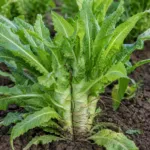
The plant begins as a low rosette of smooth to lightly crinkled leaves, then develops a tall, upright head typical of cos or romaine lettuce. Leaves are elongated, overlapping and often cupped around a firm pale midrib. Mature seed plants produce a slender branched stalk with small yellow composite heads and white-pappus fruits.
Flowering
Plants normally remain vegetative until maturity or stress induces bolting. They then produce a tall branched stalk bearing many small pale yellow composite flower heads. Individual heads open briefly, often in the morning, and are followed by wind-dispersed seed with a white pappus.
Pollination and visitors
The small flower heads can be visited by incidental insects, but lettuce is chiefly self-pollinating and does not depend on animal visitors for seed production. No single pollinator species is reliably characteristic of this cultivated Group.
Diseases and pests
Diseases
Common problems include downy mildew, gray mold, bottom rot, lettuce mosaic and aster yellows. Reduce risk with crop rotation, clean seed, good air movement, morning irrigation and removal of badly affected plants. Control leafhoppers where aster yellows is present, and avoid prolonged leaf wetness.
Pests
Slugs, snails, aphids, flea beetles, cutworms and leafhoppers may damage plants. Protect young seedlings with barriers, hand-pick slugs and snails, use row cover where appropriate, and encourage beneficial insects. Remove weeds that harbor pests and avoid excess nitrogen, which can produce soft growth.
Toxicity and pollen
The edible leaves are widely consumed, and no meaningful systemic toxicity is established for ordinary garden use. Rare contact, food or occupational allergies to lettuce have been reported. Wash harvested leaves, and people with known lettuce or Asteraceae allergy should avoid exposure and seek medical advice if symptoms occur.
- Typical season
- Late spring through summer during bolting
- Pollination / pollen
- Low-dispersal pollen from small insect-associated flower heads
Lettuce pollen is not generally regarded as a major outdoor airborne allergen, but flowering plants release pollen and rare occupational respiratory or contact reactions have been documented. People with known lettuce or Asteraceae sensitivity should avoid handling flowering plants without protection.
Native habitat
This cultivated lettuce Group is not treated as a distinct wild habitat taxon. Lactuca sativa is associated with domestication from Mediterranean and Near Eastern lettuce lineages and is grown in open, fertile soils with a cool-to-mild growing season.
Interesting fact
The Longifolia Group corresponds to the cos or romaine type, characterized by tall heads and elongated leaves. Lettuce flowers are tiny composite heads rather than single simple blooms. Each mature lettuce flower can produce a single dry fruit called an achene. The crop is predominantly self-pollinating, so seed commonly comes true to type.
Frequently asked questions (FAQ)
The most relevant questions about this plant, with short and direct answers.
🌱Quick care
What is Lactuca sativa Longifolia Group commonly called in the United States?⌄
Lactuca sativa Longifolia Group is commonly called romaine lettuce or cos lettuce in the United States. It forms upright, elongated heads with crisp leaves and prominent central ribs.
Is romaine lettuce easy to grow?⌄
Yes, romaine lettuce is generally easy to grow when given cool temperatures, fertile soil, regular moisture, and protection from intense summer heat. It can be grown from seed or transplants in garden beds and containers.
How long does romaine lettuce take to grow?⌄
Romaine lettuce commonly reaches baby-leaf harvest in several weeks and full-head harvest in roughly 60–85 days, depending on the cultivar and growing conditions. Check the seed packet for the specific maturity range.
🌤️Environment and placement
How much sun does romaine lettuce need?⌄
Romaine lettuce grows best in full sun to partial shade, with about 6 hours of direct sun in cool weather. Provide afternoon shade in hot climates or during summer to reduce bolting and bitterness.
What temperatures are best for growing romaine lettuce?⌄
Romaine lettuce grows best during cool weather, generally when daytime temperatures remain around 60–70°F. Heat, long days, and temperatures above about 75°F can trigger bolting and bitter flavor.
Can romaine lettuce tolerate frost?⌄
Yes, romaine lettuce tolerates light frost and short periods of freezing better than many warm-season vegetables. It is still an annual crop and may need row cover or a low tunnel during extended freezes.
Can romaine lettuce grow in partial shade?⌄
Yes, romaine lettuce can grow in partial shade, especially during hot weather. Reduced afternoon sun may slow growth slightly but can help keep the leaves tender and delay bolting.
Can romaine lettuce survive winter?⌄
Romaine lettuce may survive mild winters or protected conditions, but it is not reliably winter-hardy everywhere in the United States. Use frost cloth, a cold frame, or a low tunnel in colder regions, and expect growth to slow during freezes.
💧Care and problems
How often should you water romaine lettuce?⌄
Water romaine lettuce regularly to keep the soil evenly moist but not soggy. Frequent, consistent moisture supports tender growth and helps reduce bitterness and tipburn.
How do you harvest romaine lettuce?⌄
Harvest individual outer leaves as needed, or cut the whole head just above the soil line when it reaches usable size. Harvest before prolonged heat or flowering for the best texture and flavor.
How do you prevent romaine lettuce from bolting?⌄
Reduce bolting by planting in cool seasons, maintaining even soil moisture, using heat-tolerant or bolt-resistant cultivars, and providing afternoon shade during hot weather. Once a flowering stalk develops, leaf quality usually declines sharply.
Why is my romaine lettuce bitter?⌄
Romaine lettuce often becomes bitter because of heat, drought stress, or bolting. Harvest promptly, water consistently, and grow it during spring or fall when temperatures are cooler.
What causes brown edges on romaine lettuce leaves?⌄
Brown or scorched leaf margins are often caused by tipburn, which is associated with inconsistent moisture and limited calcium movement within rapidly growing tissues. Keep watering even, avoid root damage, and harvest affected leaves if the remaining tissue is healthy.
What pests commonly attack romaine lettuce?⌄
Common pests include aphids, slugs, snails, flea beetles, and cutworms. Inspect leaf undersides and the soil surface regularly, use physical barriers where practical, and remove damaged plant debris.
What diseases affect romaine lettuce?⌄
Romaine lettuce can develop foliage rots and may be affected by aster yellows, which is spread by leafhoppers. Good drainage, adequate spacing, clean cultivation, and prompt removal of severely affected plants help reduce problems.
🪴Planting and repotting
What soil is best for romaine lettuce?⌄
Use fertile, moisture-retentive, well-drained loam with plenty of organic matter. Avoid compacted or poorly drained soil because romaine lettuce has shallow roots and is vulnerable to water-related disease.
How deep should romaine lettuce seeds be planted?⌄
Plant romaine lettuce seeds about 1/4 to 1/2 inch deep. Keep the seedbed consistently moist until germination because dry conditions can prevent or weaken emergence.
When should you plant romaine lettuce in the United States?⌄
Plant romaine lettuce in early spring as soon as the soil is workable, then make another planting in late summer for fall harvest. Exact dates depend on local frost dates and summer heat.
How far apart should romaine lettuce plants be spaced?⌄
Space romaine lettuce plants about 6–8 inches apart for smaller heads and up to 10–12 inches apart for full-size heads. Wider spacing improves airflow and gives heads room to develop.
Can romaine lettuce be grown in containers?⌄
Yes, romaine lettuce grows well in containers with drainage holes and a lightweight, well-drained potting mix. Choose a container deep enough for the roots and keep it consistently watered because containers dry out quickly.
✂️Propagation and pruning
Can you regrow romaine lettuce from the cut base?⌄
A cut romaine base may produce a small amount of new leaf growth in water or soil, but it usually will not regrow into a full mature head. For reliable production, start with seed or a healthy transplant.
Can you save seeds from romaine lettuce?⌄
Yes, you can save seeds from romaine lettuce by allowing a healthy, non-hybrid plant to flower and letting the seed heads dry. Collect the mature seeds before they disperse and store them cool and dry.
Should you prune romaine lettuce?⌄
Romaine lettuce does not need routine pruning. Remove damaged or diseased leaves with clean scissors, and harvest outer leaves rather than cutting healthy foliage unnecessarily.
⚠️Toxicity and safety
Is romaine lettuce edible after it bolts?⌄
Bolted romaine lettuce is generally still edible, but the leaves are often tougher and noticeably bitter. You can harvest young leaves, remove the flowering stalk, or allow the plant to flower for seed saving.
Is romaine lettuce toxic to people or pets?⌄
Romaine lettuce is generally non-toxic and edible for people and many common pets when served plain and in appropriate amounts. Avoid dressings, seasonings, onions, garlic, and other ingredients that may be unsafe for animals.
How should you wash romaine lettuce before eating it?⌄
Separate the leaves, rinse them thoroughly under cool running water, and dry them before eating. Discard leaves that are slimy, moldy, or badly damaged, and follow current food-safety guidance for any commercial lettuce recalls.
🌸Flowering and special interest
Can romaine lettuce flower?⌄
Yes, romaine lettuce flowers when it bolts, sending up a tall branching stalk with small yellow flower heads. Flowering usually makes the leaves tougher and more bitter, although the plant can produce viable seed afterward.