
 Source:
 Flossflowe (Ageratum houstonianum) short overview
Ageratum houstonianum is a frost-tender annual from Mexico and Central America, grown in the United States for its long season of soft, tufted blue, lavender, pink, or white flower heads. It forms compact mounds suited to sunny beds, borders, containers, edging, and pollinator plantings. Keep it evenly watered in fertile, well-drained soil, provide good air circulation, and plant outdoors only after the danger of frost has passed.
Taxonomic classification
Flossflowe (Ageratum houstonianum) care guide
Light and placement
Give this plant at least 6 hours of direct sun for sturdy growth and the heaviest flowering. In hot climates, east-facing or south-facing sites with light afternoon shade can reduce wilting and flower fading. Leggy stems, sparse flowering, and weak branching usually indicate too little light; scorched foliage or rapid midday collapse can signal excessive heat combined with drying soil.
Watering and humidity
Water deeply when the upper inch of soil begins to dry, then allow excess water to drain. Maintain more consistent moisture during hot weather, while reducing frequency in cool or rainy periods. Container plants may need watering more often than plants in beds. Avoid frequent overhead watering, especially where powdery mildew is common, and water at the soil surface when possible.
Soil and growing medium
Use a fertile, moisture-retentive but well-drained soil amended with compost or other organic matter. Heavy clay should be opened with organic amendment and improved drainage rather than left waterlogged. A slightly acidic to neutral reaction is suitable. In containers, use a quality potting mix with drainage holes; dense garden soil can remain too wet in a pot.
Feeding
Mix finished compost into the planting area before setting out transplants. During active growth, apply a balanced liquid fertilizer at half strength about every 3 to 4 weeks, or use a controlled-release product according to its label. Do not feed drought-stressed, waterlogged, or newly transplanted plants until they have resumed growth; excessive nitrogen can produce foliage at the expense of flowers.
Growth and habit
This annual generally forms a rounded or gently spreading mound, with branching stems carrying flower clusters above the foliage. Cultivars vary considerably, from low edging types to taller selections useful for cutting. Plants can become floppy in shade or overly rich soil, so spacing, sunlight, and moderate feeding help maintain a compact display.
Planting and repotting
Set transplants outdoors only after frost danger has passed and the soil has warmed. Harden indoor-grown plants for about a week before planting. Place the crown at the same depth as in its container, firm the soil gently, water thoroughly, and maintain consistent moisture during establishment. Space plants to allow air circulation and to accommodate cultivar-specific spread.
Move container-grown plants into a pot only one size larger when roots fill the current container. Use fresh, well-drained potting mix and a container with drainage holes. Water thoroughly after transplanting, then keep the mix evenly moist while roots re-establish. Repotting is normally seasonal rather than a long-term indoor requirement.
Propagation and pruning
Propagation
Sow seed indoors 6–8 weeks before the expected last frost, barely covering or surface-sowing because light may improve germination. Transplant after hardening off and after frost danger has passed. Selected cultivars can also be increased from softwood cuttings, especially when seed does not reproduce the desired form.
Pruning
Remove spent flower clusters if a tidier appearance is desired, although many cultivars continue blooming without regular deadheading. Pinch young plants once to encourage branching and a fuller mound. Cut plants back or remove them after frost blackens the foliage; avoid severe pruning during heat or drought stress.
Overwintering
Treat it as an annual in areas with freezing winters. Remove plants after frost and collect seed only from open-pollinated forms if true-to-type offspring are not essential. In frost-free regions it may continue flowering through winter, while container plants can be protected indoors only in very bright conditions and are often best replaced seasonally.
Uses
Use in annual beds, borders, edging, window boxes, patio containers, hanging baskets, and butterfly or pollinator gardens. Taller selections can provide small cut flowers. It is ornamental rather than a recommended culinary or medicinal plant, and plant material should not be eaten without species- and product-specific safety guidance.
Appearance
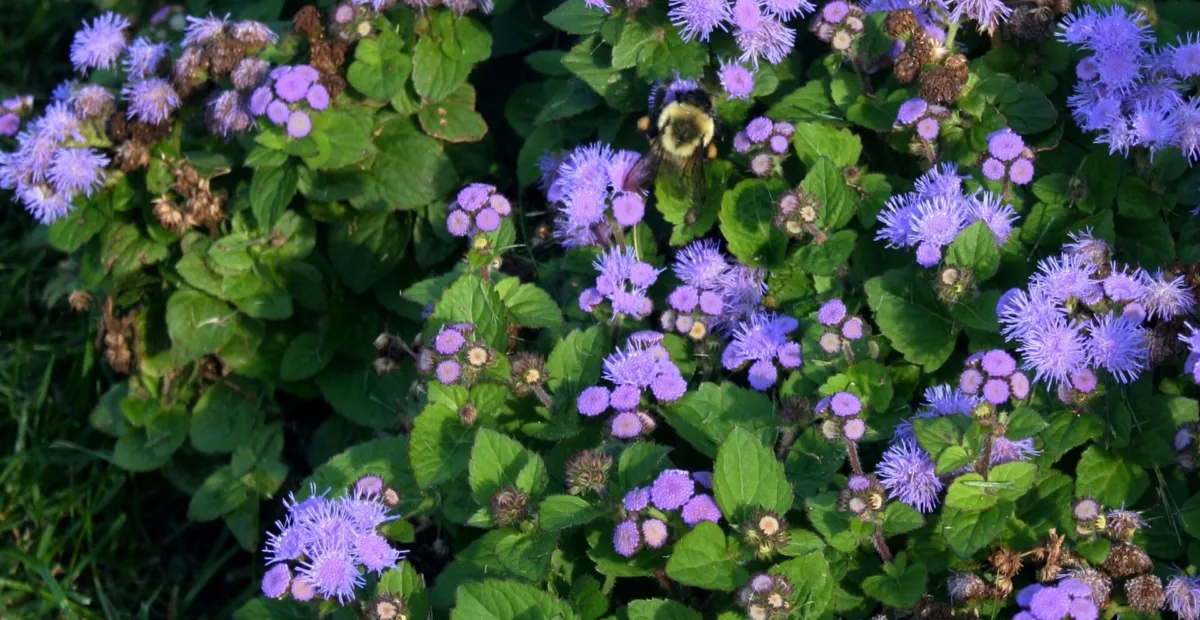
Leaves are opposite, green, ovate to triangular, crenate-edged, and softly hairy on both surfaces. Stems may be green or reddish and are often branched or partly semidecumbent. The distinctive flower heads look like small fuzzy pincushions because many narrow tubular florets project from dense terminal clusters.
Flowering
The showy heads are terminal cymose clusters composed of many small, five-lobed tubular florets rather than conspicuous ray petals. Blue is the most characteristic color, although horticultural forms also produce lavender, pink, and white heads. Flowering begins in late spring or early summer and can continue until frost when plants receive adequate light and moisture.
Pollination and visitors
The clustered florets provide accessible nectar and pollen and are documented as attractive to butterflies; bees and other pollinating insects may also visit. The plant is a nectar resource, not a documented larval host for monarch butterflies or other specialist caterpillars.
Ageratum houstonianum photos
Click any photo for a larger view. Source, author and license are shown separately.
Diseases and pests
Diseases
Powdery mildew is the principal reported disease concern, especially with poor air circulation, crowding, shade, or wet foliage. Water at the base, space plants properly, remove badly affected leaves, and avoid excess nitrogen. Root and crown problems can occur in waterlogged soil; use clean containers and a porous mix, and discard severely diseased plants rather than repeatedly overwatering them.
Pests
Ageratum is generally relatively trouble-free and is often little damaged by deer or rabbits. Monitor young plants for aphids, whiteflies, spider mites, and fungus gnat larvae in containers. Use a strong water spray for minor soft-bodied infestations, improve plant vigor and airflow, and reserve labeled insecticidal soap or horticultural oil for persistent problems, following the product label.
Related diseases and pests
Only Plant Doctor profiles whose host data indicate this plant may be affected are shown here.
 Environmental stressOverwatering
 DiseaseMaple powdery mildewSawadaea bicornis
 DiseaseCucurbit Powdery MildewPodosphaera xanthii (Castagne) U. Braun & Shishkoff
 DiseaseRose powdery mildewPodosphaera pannosa
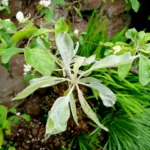 DiseaseApple Powdery MildewPodosphaera leucotricha
 Environmental stressWaterlogging
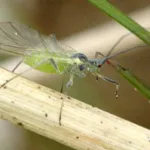 PestGreen Peach AphidMyzus persicae
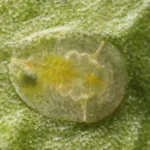 PestCitrus whiteflyDialeurodes citri
Toxicity and pollen
Authoritative pet- and human-toxicity references do not provide a clear, consistent safety classification for this exact species. Do not treat the plant as edible, and prevent children, dogs, and cats from chewing substantial amounts. If ingestion causes vomiting, diarrhea, weakness, or other symptoms, contact a healthcare professional, veterinarian, or poison service and identify the plant accurately.
- Typical season
- Typically late spring through fall while flowering
- Pollination / pollen
- Insect-dispersed pollen from small composite flower heads
The plant produces pollen in small insect-visited flower heads, but reliable evidence defining its airborne pollen burden or prevalence as a United States aeroallergen is limited. Insect pollination may reduce long-distance pollen dispersal, but it does not prove zero allergy risk. Sensitive gardeners should avoid handling flowering material if symptoms occur and wash hands afterward.
Native habitat
In its native range, this herb occurs in warm tropical and subtropical regions of Mexico and Central America, commonly in disturbed ground, open areas, roadsides, pastures, and forest clearings. It favors warm conditions and soils that retain some moisture without prolonged saturation. In the United States it is primarily cultivated as a seasonal ornamental and can naturalize in some warm regions.
Interesting fact
The genus name Ageratum refers to flowers that retain color for a relatively long time. The common name refers to the threadlike, fluffy appearance of the florets. Unlike many daisy-family flowers with prominent ray petals, its showy heads are made entirely of small tubular florets. Modern cultivars range from compact edging plants to taller cut-flower forms.
Frequently asked questions (FAQ)
The most relevant questions about this plant, with short and direct answers.
🌱Quick care
What is flossflowe (Ageratum houstonianum)?⌄
Flossflowe is a frost-tender annual flowering plant in the Asteraceae family, grown for its fluffy blue, purple, pink, or white flower clusters. It is also widely known in U.S. gardening as flossflower or ageratum.
How much sun does flossflowe need?⌄
Flossflowe grows best in full sun to partial shade. Give it at least 4–6 hours of direct sunlight for compact growth and the heaviest flowering, while afternoon shade can help in very hot climates.
How often should I water flossflowe?⌄
Water flossflowe whenever the soil surface begins to dry, keeping the soil evenly moist but not soggy. Plants in containers and hot, sunny locations may need watering more often than garden-grown plants.
Is flossflowe an annual or perennial?⌄
Flossflowe is usually grown as a frost-tender annual in the United States. It may survive as a short-lived perennial only in consistently warm, frost-free climates.
🌤️Environment and placement
Where should I plant flossflowe?⌄
Plant flossflowe in a sunny to partly shaded bed, border, window box, or container with fertile, well-drained soil. Choose a location with good air circulation to reduce foliar disease problems.
Can flossflowe grow in partial shade?⌄
Yes, flossflowe can grow in partial shade, especially where summers are hot. Too much shade can produce taller, weaker growth and fewer flowers.
What type of soil is best for flossflowe?⌄
Flossflowe prefers fertile, well-drained soil that holds consistent moisture without becoming waterlogged. Improve poor soil with compost, but avoid planting it where water regularly stands.
Can flossflowe grow in containers?⌄
Yes, flossflowe grows well in containers with drainage holes and a quality potting mix. Container plants dry out faster, so check moisture frequently during hot or windy weather.
What USDA hardiness zones can grow flossflowe?⌄
Flossflowe can be grown as a warm-season annual across much of the United States. In frost-free areas it may persist longer, but gardeners in colder USDA zones should protect it from freezing temperatures.
💧Care and problems
Why is my flossflowe wilting?⌄
Flossflowe commonly wilts when the soil becomes too dry, although root problems from waterlogged soil can cause similar symptoms. Check the soil several inches down and correct either drought or poor drainage.
Why is my flossflowe turning yellow?⌄
Yellow leaves on flossflowe may result from overwatering, poor drainage, nutrient deficiency, or natural aging of lower leaves. Check the roots and soil moisture before adding fertilizer.
How do I keep flossflowe blooming all summer?⌄
Keep flossflowe evenly watered, provide adequate sunlight, and remove spent flower clusters regularly. A light, balanced fertilizer application can help in poor soil, but excessive nitrogen may produce foliage at the expense of flowers.
What pests commonly attack flossflowe?⌄
Aphids and thrips are among the pests that may attack flossflowe, particularly on tender new growth and flowers. Inspect plants regularly and begin with water sprays or another least-disruptive control suitable for the infestation.
What diseases affect flossflowe?⌄
Flossflowe can develop fungal or water-related problems when foliage stays wet, air circulation is poor, or soil remains saturated. Water at the base, provide spacing, and remove severely affected plant material.
🪴Planting and repotting
When should I plant flossflowe outdoors?⌄
Plant flossflowe outdoors after the danger of frost has passed and nighttime temperatures are reliably mild. In much of the United States, this means late spring, although the exact timing depends on the local climate.
Can I grow flossflowe from seed?⌄
Yes, flossflowe can be grown from seed, but the seeds are small and generally germinate best when sown on the surface of moist seed-starting mix. Press them lightly into the mix without covering them deeply, then provide warmth and bright light.
How far apart should I plant flossflowe?⌄
Space flossflowe according to the mature size of the cultivar, commonly about 6–12 inches apart. Wider spacing improves air circulation, while closer spacing creates a fuller bedding display.
✂️Propagation and pruning
How do I propagate flossflowe?⌄
Flossflowe is most commonly propagated from seed, and some cultivars can also be started from soft stem cuttings. Take cuttings from healthy, nonflowering shoots and keep them warm and lightly moist until roots develop.
Should I deadhead flossflowe?⌄
Yes, deadheading flossflowe is helpful but not always essential. Removing faded flower clusters keeps the plant looking tidy and can encourage continued flowering.
Do I need to prune flossflowe?⌄
Routine pruning is not required, but lightly pinching young flossflowe plants can encourage branching and a fuller shape. Trim back leggy or damaged growth with clean shears.
⚠️Toxicity and safety
Is flossflowe toxic to dogs or cats?⌄
Species-specific safety evidence for flossflowe is insufficient, so do not assume it is safe for pets or people to eat. Keep the plant away from pets and children, and contact a veterinarian or poison-control service if ingestion occurs.
Can flossflowe be used as an edible or medicinal plant?⌄
Flossflowe should not be used as an edible or medicinal plant without authoritative species-specific guidance. Reports of medicinal use do not establish that home preparations are safe.
Can flossflowe spread or become weedy?⌄
Flossflowe can produce seed and may naturalize in some warm regions, so remove unwanted seedlings and spent plants where spreading is a concern. Check local extension guidance before allowing it to reseed.
🌸Flowering and special interest
What colors do flossflowe flowers come in?⌄
Flossflowe flowers are commonly blue or lavender, with cultivars also available in pink, purple, and white. The small flower heads form soft, fuzzy clusters above the foliage.
When does flossflowe bloom?⌄
Flossflowe typically begins blooming in late spring or early summer and can continue until frost when conditions are favorable. Heat, drought, insufficient light, and spent flowers left on the plant may reduce flowering.
Why is my flossflowe not flowering?⌄
Flossflowe may fail to flower because of insufficient sunlight, excessive nitrogen, drought stress, transplant shock, or temperatures outside its preferred range. Move container plants to brighter light and maintain steady moisture while avoiding soggy soil.
Is flossflowe good for pollinators?⌄
Flossflowe can provide nectar and is visited by butterflies and other small pollinating insects. Its value is greatest when grown without unnecessary broad-spectrum insecticides and alongside other flowering plants.
Similar plants
 Azure Monkshood (Aconitum carmichaelii) care guideAconitum carmichaelii
 Monkshood (Aconitum ‘Stainless Steel’)Aconitum 'Stainless Steel'
 Monkshood (Aconitum ‘Bressingham Spire’)Aconitum 'Bressingham Spire'
 Golden full moon maple (Acer shirasawanum ‘Aureum’)Acer shirasawanum 'Aureum'
 Globosum (Acer platanoides ‘Globosum’)Acer platanoides 'Globosum'
 Striped maple (Acer pensylvanicum) care guideAcer pensylvanicum