
 Source:
 Jacquemontii (Betula utilis ‘Jacquemontii’) short overview
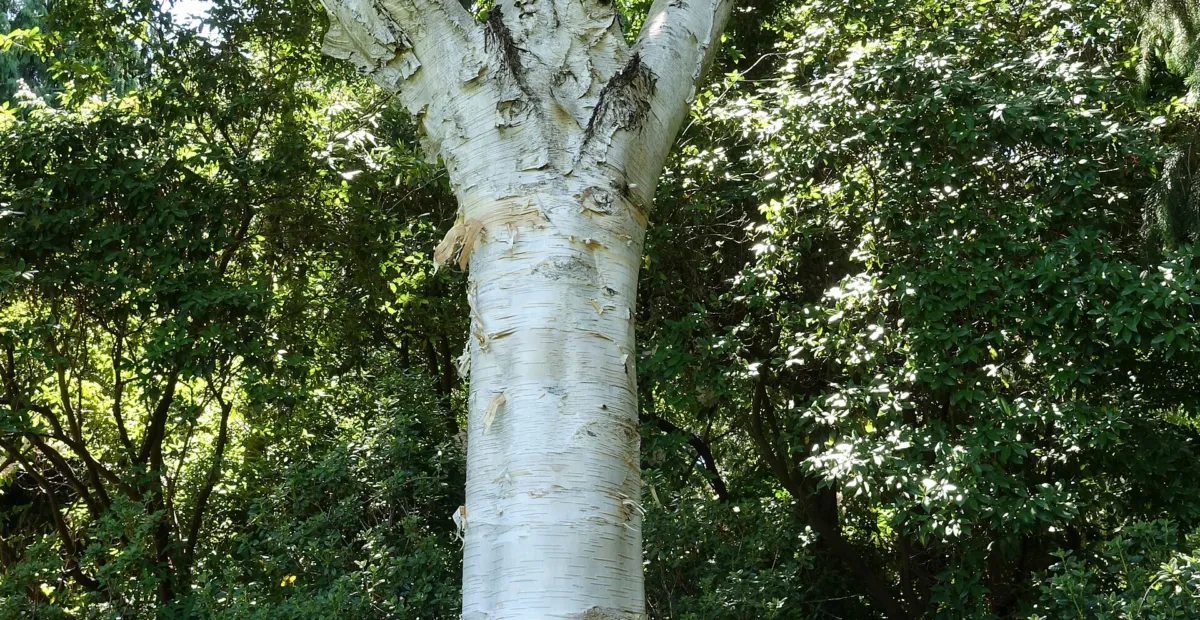
Betula utilis 'Jacquemontii' is a deciduous Himalayan birch selected for its strikingly white, peeling bark and elegant upright habit. In the United States, it performs best where summers are relatively cool and roots can remain evenly moist but well drained. Give it sun to light afternoon shade, ample room for a substantial canopy, and protection from heat, drought, and compacted soil. Its spring catkins, golden fall foliage, and luminous winter bark provide year-round ornamental interest.
Taxonomic classification
Jacquemontii (Betula utilis ‘Jacquemontii’) care guide
Light and placement
Provide full sun to partial shade, with morning sun and afternoon shade useful in warmer parts of its range. In cool northern climates, an open sunny position encourages strong form and bark development. Pale, sparse growth can indicate inadequate light; scorched leaves, premature yellowing, or canopy dieback suggest excessive heat, drought, or reflected afternoon sun rather than simply too much light.
Watering and humidity
Water deeply and slowly when the upper soil begins to dry, aiming for steady moisture rather than repeated shallow sprinkling. Give extra irrigation during establishment and summer drought, especially where roots compete with lawn. Reduce watering after leaf drop, but do not let the root ball dry completely. The tree does not require unusually high humidity when grown outdoors.
Soil and growing medium
Use a deep, fertile, well-drained loam that retains steady moisture without becoming waterlogged. Slightly acidic to neutral soil is preferred. Sandy or rocky loams can work if irrigated consistently; avoid compacted ground, severe drought, and chronically saturated sites. Mulch broadly over the shallow root zone, keeping mulch away from the trunk.
Feeding
Apply a thin layer of compost or a balanced, slow-release fertilizer in early spring only if soil testing or weak growth suggests a nutrient need. Avoid high-nitrogen feeding on stressed trees or late in the season, since lush soft growth can increase pest and winter-injury risk. Mulch and irrigation are usually more important than regular fertilizer.
Growth and habit
Forms an upright to pyramidal deciduous tree, commonly grown as a single-stem specimen or multi-stem clump. Growth is strongest with cool summers, reliable soil moisture, and an uncrowded root zone. Shallow roots make drought, turf competition, soil compaction, and paving particularly important maintenance concerns.
Planting and repotting
Plant in fall after leaf drop or in early spring before bud break. Set the root flare level with or slightly above surrounding soil; do not bury the trunk. Water deeply after planting and maintain consistent moisture through the first two growing seasons. Allow generous clearance for the mature canopy and avoid heavily trafficked root zones.
Best treated as a landscape tree rather than a long-term container plant. If temporarily container-grown, transplant while young and dormant, moving the entire root ball with minimal disturbance. Choose a large container with excellent drainage and do not allow the root zone to dry out.
Propagation and pruning
Propagation
Seed propagation is possible but does not reliably preserve the selected white-bark character. Named material is more reliably maintained by grafting onto compatible Betula rootstock; specialist softwood-cutting work has also been reported, but routine home success is uncertain. Sow birch seed very shallowly and provide light and cold-moist stratification when required.
Pruning
Prune sparingly during the dormant season to remove dead, damaged, crossing, or poorly attached branches. Avoid spring pruning when birch sap is flowing, and do not top the tree. Establish the desired single- or multi-stem structure early rather than trying to reshape a mature specimen.
Overwintering
Established trees are cold hardy in suitable climates and generally need no special winter covering. Protect young trunks from animal browsing and mechanical injury, maintain mulch over the root zone without touching the bark, and water before the ground freezes if autumn has been dry. In warmer regions, winter protection cannot compensate for damaging summer heat.
Uses
Primarily used as a specimen, avenue, lawn, or winter-interest tree for its luminous white bark and attractive form. It can complement evergreens and dark backgrounds. It is not a food crop, and traditional uses reported for the species should not be treated as medical advice or automatically extended to this cultivar.
Appearance
The defining feature is smooth, bright white to chalk-white bark that exfoliates in thin flakes, often revealing warmer tones beneath. Leaves are alternate, ovate, green, and double-serrated, with fewer major vein pairs than typical Betula utilis. The crown is graceful and open to pyramidal, and young twigs may carry contrasting brown tones.
Flowering
This monoecious birch bears separate male and female catkins on the same tree. Drooping yellowish-brown male catkins elongate in spring, while smaller green female catkins are upright. The female catkins mature into cone-like structures containing numerous small winged nutlets.
Pollination and visitors
The flowers are adapted primarily to wind pollination rather than animal visitation. Male catkins release abundant airborne pollen, while female catkins receive pollen and later develop winged nutlets.
Betula utilis 'Jacquemontii' photos
Click any photo for a larger view. Source, author and license are shown separately.
Diseases and pests
Diseases
Watch for cankers, dieback, leaf miner damage, and fungal decay, especially when trees are stressed. Maintain vigor with adequate water, avoid trunk injury, improve drainage, and remove badly affected branches during dormancy. Do not make unnecessary large pruning cuts.
Pests
Bronze birch borer is the major concern where trees experience heat or drought stress. Birch leaf miner, aphids, Japanese beetles, and birch skeletonizer may occur. Monitor foliage and trunk health, irrigate during drought, and use regionally appropriate integrated pest management rather than routine broad-spectrum spraying.
Related diseases and pests
Only Plant Doctor profiles whose host data indicate this plant may be affected are shown here.
 PestJapanese beetlePopillia japonica
 DiseaseCytospora CankerCytospora chrysosperma
 PestLeopard mothZeuzera pyrina
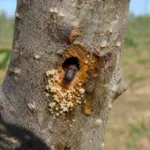 PestEuropean shot-hole borerXyleborus dispar (Fabricius)
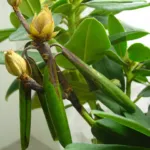 DiseasePhytophthora plurivora Root and Collar RotPhytophthora plurivora
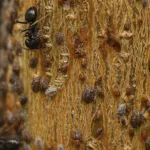 PestEuropean Fruit Lecanium ScaleParthenolecanium corni
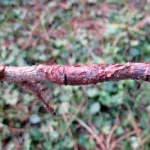 DiseaseEuropean Apple CankerNeonectria ditissima
 DiseaseCoral Spot CankerNectria cinnabarina
Toxicity and pollen
No authoritative evidence located indicating significant toxic effects from ordinary contact with this exact cultivar. Birch bark, leaves, and catkins should not be consumed casually, and sap or plant material can irritate sensitive individuals. Keep children and pets from chewing ornamental plant parts, particularly if the plant has been treated with pesticides.
- Typical season
- Typically spring in the United States, varying by region and spring temperatures.
- Pollination / pollen
- Light, wind-dispersed pollen from male catkins
Birches release airborne pollen during spring catkin expansion. Sensitivity varies by person and region; individuals with birch-pollen allergy may experience symptoms during the local birch pollen season. Planting away from frequently used windows and outdoor seating may reduce exposure, but does not eliminate airborne pollen.
Native habitat
The taxon originates in the western and central Himalaya, where it occurs in temperate mountain environments including woodland, damp woods, and river-associated sites. Its natural context is cool, seasonally cold, and generally moist, which explains its weaker performance in hot, humid summer climates.
Interesting fact
The cultivar-style name commemorates French explorer and botanist Victor Jacquemont. The taxon is especially prized because its bark is among the whitest found in cultivated birches. Leaf venation helps distinguish Jacquemontii material from typical Betula utilis. Its female catkins produce winged nutlets rather than fleshy fruit.
Frequently asked questions (FAQ)
The most relevant questions about this plant, with short and direct answers.
🌱Quick care
What is Betula utilis 'Jacquemontii'?⌄
Betula utilis 'Jacquemontii' is a deciduous white-barked birch valued for its brilliant winter bark, light green leaves, spring catkins, and yellow fall color. It is commonly associated with Himalayan white birch, although common-name usage varies by source.
How much sun does Betula utilis 'Jacquemontii' need?⌄
Plant it in full sun for the best growth and whitest bark, although it tolerates partial shade. Morning sun or bright afternoon shade can be helpful in regions with hot summers.
How often should I water Betula utilis 'Jacquemontii'?⌄
Keep the soil evenly moist, especially during establishment and summer drought. Water deeply when the top few inches of soil begin to dry, but avoid constantly soggy conditions.
Is Betula utilis 'Jacquemontii' cold hardy?⌄
Yes, it is cold-hardy and performs best in cool climates, commonly including USDA Zones 5 and 6. Heat, humidity, and drought can weaken it and increase pest and disease problems.
🌤️Environment and placement
Where should I plant Betula utilis 'Jacquemontii'?⌄
Choose a cool, open location with full sun to partial shade, moist well-drained soil, and enough room for a large ornamental tree. Avoid hot reflected heat, severely dry sites, and cramped spaces beneath utility lines.
Will Betula utilis 'Jacquemontii' grow in USDA Zone 4?⌄
Its performance in USDA Zone 4 can be marginal and depends on the local microclimate and plant source. It is generally a more dependable choice in cool Zones 5 and 6 than in very cold or exposed sites.
Can Betula utilis 'Jacquemontii' tolerate heat and humidity?⌄
It tolerates some warmth but generally performs poorly where summers are persistently hot and humid. In those regions, summer stress may lead to reduced vigor, shorter life, and greater susceptibility to bronze birch borer.
What soil is best for Betula utilis 'Jacquemontii'?⌄
Use moist, well-drained loam with slightly acidic to neutral pH. It can tolerate a wider range of soils, but compacted, waterlogged, or chronically dry soil can cause stress.
How much space does Betula utilis 'Jacquemontii' need?⌄
Allow substantial room because mature trees can become large, often reaching roughly 40 to 60 feet tall with a broad crown under favorable conditions. Check the nursery’s mature dimensions for the specific stock and form before planting.
Can Betula utilis 'Jacquemontii' grow near a lawn?⌄
Yes, provided the lawn does not compete heavily for water and the trunk flare remains uncovered. Keep turf and string trimmers away from the trunk, and mulch the root zone instead of piling mulch against the bark.
💧Care and problems
Why is my Betula utilis 'Jacquemontii' turning yellow?⌄
Yellow leaves may be normal in fall, but premature yellowing can result from drought, waterlogged soil, root damage, nutrient problems, or insect pressure. Check soil moisture, drainage, the root flare, and the undersides of leaves before treating.
Why are the leaves of Betula utilis 'Jacquemontii' browning?⌄
Browning usually indicates drought stress, heat stress, root injury, or leaf-feeding pests. Water the root zone deeply during dry periods and inspect the foliage for mines, skeletonizing, holes, or sap-feeding insects.
How do I keep Betula utilis 'Jacquemontii' bark white?⌄
The bark becomes naturally whiter with age, so the best approach is to maintain healthy growth and avoid damaging it. Do not scrub, paint, or pressure-wash the trunk, because removing protective outer layers can injure the tree.
Does Betula utilis 'Jacquemontii' need fertilizer?⌄
Usually it does not need routine fertilizer when planted in reasonably fertile soil. A soil test should guide any amendment, because excessive nitrogen can promote weak, pest-prone growth rather than improve bark color.
What pests attack Betula utilis 'Jacquemontii'?⌄
Reported pests include bronze birch borer, birch leaf miner, sawflies, aphids, and sometimes Japanese beetles. Healthy trees in cool, moist conditions are better able to withstand minor infestations than drought-stressed trees.
Is Betula utilis 'Jacquemontii' susceptible to birch borer?⌄
Yes, it can be attacked by bronze birch borer, particularly when weakened by heat, drought, or other stress. Symptoms may include thinning foliage, dying branch tips, D-shaped exit holes, and winding galleries beneath the bark.
What diseases affect Betula utilis 'Jacquemontii'?⌄
Potential problems include cankers, dieback, rust, powdery mildew, and honey fungus. Good drainage, adequate irrigation, proper pruning, and avoiding trunk wounds help reduce disease pressure.
🪴Planting and repotting
When is the best time to plant Betula utilis 'Jacquemontii'?⌄
Plant it in fall after leaf drop or in early spring before active growth begins. These seasons reduce transplant stress, but container-grown trees can be planted at other times if they receive reliable irrigation.
How do I plant Betula utilis 'Jacquemontii'?⌄
Dig a hole two to three times wider than the root ball and no deeper than the root flare, then backfill with the native soil. Water thoroughly, apply a 2- to 3-inch mulch layer, and keep mulch several inches away from the trunk.
Can Betula utilis 'Jacquemontii' be grown in a container?⌄
It is not a good long-term container tree because it develops into a large, moisture-demanding specimen. A young tree can be held temporarily in a large container, but it should eventually be planted in the ground.
✂️Propagation and pruning
How is Betula utilis 'Jacquemontii' propagated?⌄
Named plants are commonly propagated by grafting or selected cuttings because seedlings may not reproduce the desired traits reliably. Softwood cuttings can work, but success depends on timing, plant material, and propagation conditions.
When should I prune Betula utilis 'Jacquemontii'?⌄
Prune only when necessary, preferably in late summer to early fall or during another period recommended by a qualified arborist for your region. Avoid heavy pruning in late winter or early spring because birches may bleed sap heavily then.
How do I prune Betula utilis 'Jacquemontii'?⌄
Remove dead, diseased, crossing, or poorly attached branches with clean cuts just outside the branch collar. Avoid topping, removing large amounts of live wood, or stripping lower branches solely to expose more trunk.
⚠️Toxicity and safety
Is Betula utilis 'Jacquemontii' toxic to dogs, cats, or people?⌄
No specific significant toxicity is widely documented for this cultivar, but plant material should not be eaten. Contact a veterinarian or poison-control service if a person or pet consumes a substantial amount or develops symptoms.
Are the roots of Betula utilis 'Jacquemontii' invasive?⌄
Its roots are not generally classified as invasive, but they are shallow and competitive for moisture. Plant it away from foundations, septic systems, pavement, and other locations where thirsty surface roots could become troublesome.
🌸Flowering and special interest
When does Betula utilis 'Jacquemontii' flower?⌄
It produces yellow-brown male catkins in early spring, often before or as the leaves emerge. Female flowers are smaller and develop into cone-like clusters containing winged seeds.
Does Betula utilis 'Jacquemontii' have attractive fall color?⌄
Yes, its ovate green leaves typically turn yellow in fall before dropping. The seasonal display is usually valued more for the persistent white bark than for exceptionally vivid foliage color.
Does Betula utilis 'Jacquemontii' produce seeds?⌄
Yes, mature trees produce small winged seeds in hanging catkin-like fruiting structures. Seed-grown offspring may vary from the selected parent, so named plants are generally purchased rather than raised from seed.
Similar plants
 Azure Monkshood (Aconitum carmichaelii) care guideAconitum carmichaelii
 Monkshood (Aconitum ‘Stainless Steel’)Aconitum 'Stainless Steel'
 Monkshood (Aconitum ‘Bressingham Spire’)Aconitum 'Bressingham Spire'
 Golden full moon maple (Acer shirasawanum ‘Aureum’)Acer shirasawanum 'Aureum'
 Globosum (Acer platanoides ‘Globosum’)Acer platanoides 'Globosum'
 Striped maple (Acer pensylvanicum) care guideAcer pensylvanicum