As autumn nights turn colder, backyard birds need dependable sources of energy to fuel migration, maintain body temperature, and prepare for winter. The best autumn menu is simple: offer a few high-value foods, keep them fresh, and make sure your garden still provides natural cover, berries, seeds, and insects.
In most U.S. yards, you do not need a shelf full of specialized products. Start with black-oil sunflower seeds, then add one or two foods that suit the birds visiting your garden. Suet, peanuts, fruit, and white millet can all help fill seasonal gaps, especially when cold rain, early snow, or a sudden freeze makes natural food harder to find.
Why autumn is an important feeding season
Fall is a demanding time for birds. Migrants need fuel for long journeys, while resident species are shifting toward energy-rich seeds and fruits as many insects become less available. Even birds that visit your feeder regularly will continue to obtain much of their food from natural sources, so think of supplemental feeding as one useful part of a bird-friendly landscape—not a replacement for habitat.
Food quality matters more than simply putting out a large quantity. A small feeder filled with fresh, nutritious food is preferable to an overflowing feeder where seed becomes damp, moldy, or contaminated. Offer only what birds can eat within a day or two, particularly during wet weather.
1. Black-oil sunflower seeds
If you choose just one food, make it black-oil sunflower seed. These small, dark seeds have relatively thin shells and a high-fat kernel, making them easy for many backyard birds to open and especially useful when temperatures drop.
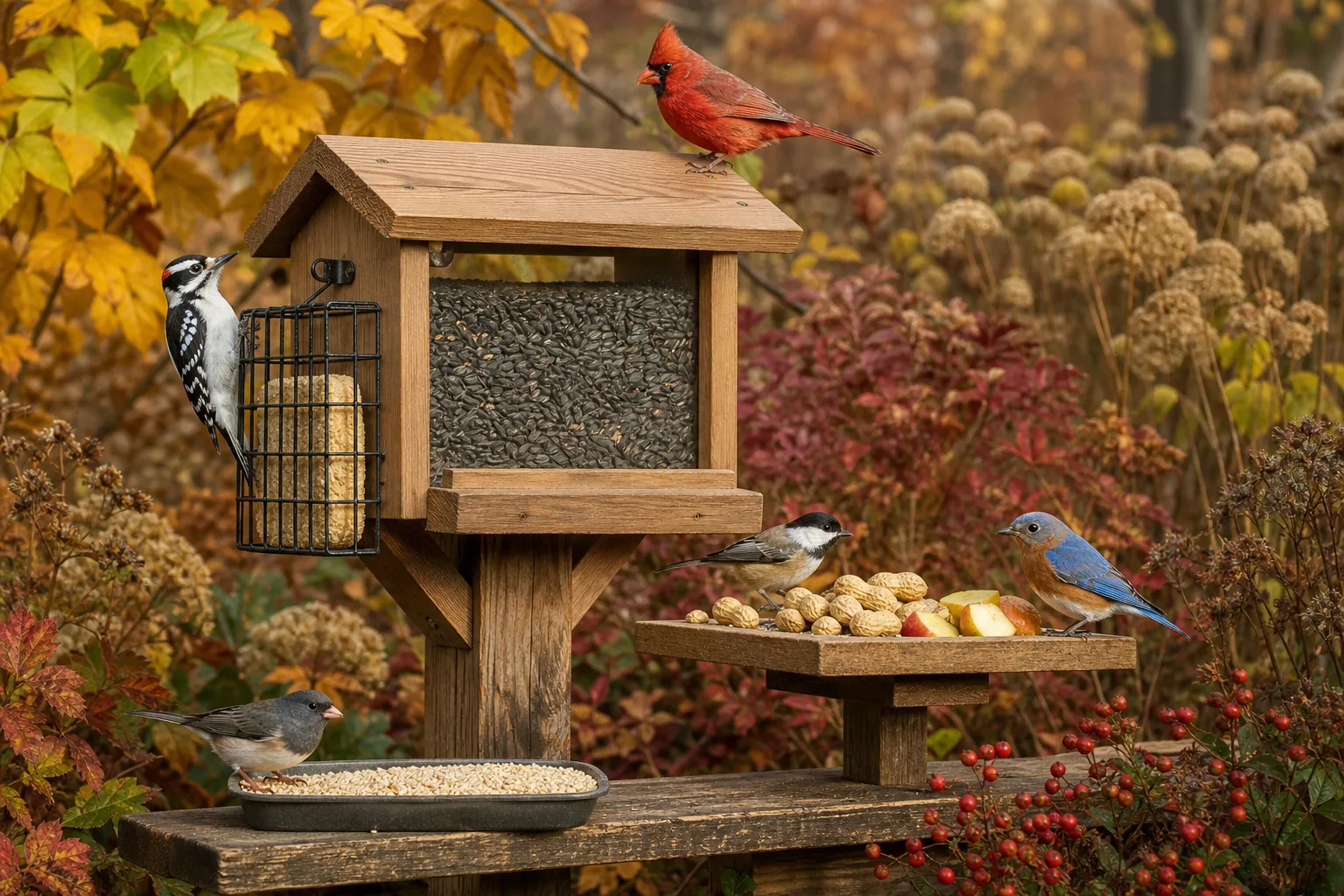
Expect black-capped chickadees, cardinals, finches, titmice, nuthatches, and sparrows to investigate. Woodpeckers may also take sunflower seeds, particularly from a hopper or platform feeder. Compared with many inexpensive seed mixes, black-oil sunflower usually produces less waste because a wider range of birds will eat it.
How to offer sunflower seed
- Use a tube, hopper, or platform feeder with enough perches for the species in your yard.
- Choose a sheltered location where birds can quickly retreat to shrubs or small trees.
- Watch for discarded hulls accumulating below the feeder, and rake the area regularly.
- Keep the seed dry; damp sunflower seed can spoil and become unappealing.
Hulled sunflower, sometimes sold as “no-mess” sunflower, is another option for patios or small gardens because it leaves fewer shells beneath the feeder. It spoils more quickly than seed in the shell, however, so put out smaller portions and protect it from rain.
2. Suet and other high-energy cakes
Suet is particularly useful in cool autumn weather because it provides concentrated fat and attracts birds that may not spend much time at seed feeders. Woodpeckers, chickadees, nuthatches, titmice, and some wrens commonly investigate suet cages.
Choose a plain or seed-studded suet cake from a reputable bird-feeding supplier. Cakes containing peanuts, berries, or sunflower hearts can add variety, but avoid products with unnecessary flavorings or heavily salted ingredients.
Use suet safely
- Offer suet once temperatures are reliably cool enough to prevent rapid melting.
- Check the cake frequently during warm spells; replace it if it becomes rancid, slimy, or contaminated.
- Use a sturdy suet cage rather than a loose mesh bag, which can create an entanglement hazard.
- Hang the feeder well away from areas where cats can hide and ambush visiting birds.
Suet can become soft in sunny weather, even during an otherwise cool season. If the cake is dripping or developing an unpleasant smell, bring it in and clean the feeder before trying again.
3. Unsalted peanuts and peanut hearts
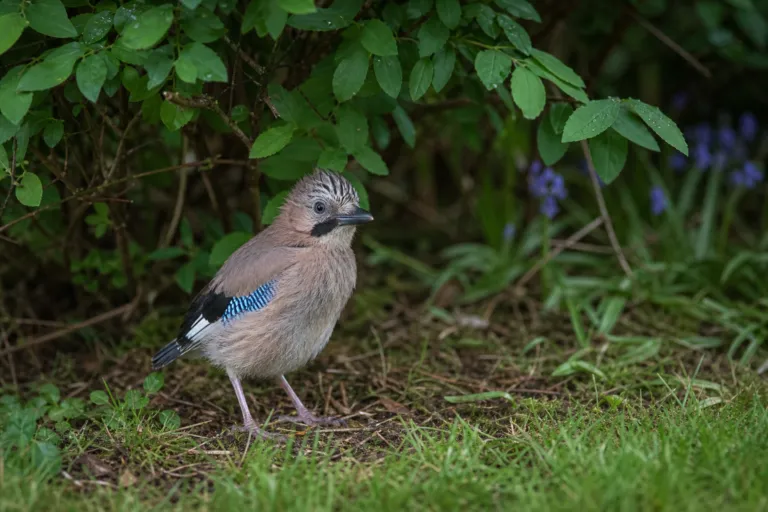
Peanuts are rich in fat and protein and can attract a lively mix of blue jays, woodpeckers, nuthatches, chickadees, titmice, and other birds. Shelled peanut hearts are convenient for smaller birds, while whole peanuts in the shell appeal to larger species that carry them away to cache.
Buy peanuts intended for birds or people and choose plain, unsalted products without coatings, spices, candy, or other flavorings. Roasted or raw peanuts can work, but freshness is essential. Discard any peanuts that smell musty or show signs of mold.
Best feeders for peanuts
- Use a mesh peanut feeder for whole or large pieces.
- Offer peanut hearts in a small hopper or on a platform feeder.
- Put out modest quantities so the food does not sit for long periods.
- Keep peanuts dry, especially during rainy autumn weather.
Peanuts are also attractive to squirrels and other mammals. That is not necessarily a problem, but you may need a baffle, squirrel-resistant feeder, or separate feeding station if competition becomes intense.
4. Fruit for bluebirds, thrashers, and waxwings
Not every autumn visitor is interested in seed. Fruit-eating birds such as bluebirds, mockingbirds, catbirds, robins, thrashers, and waxwings may prefer soft fruit, especially when native berries are scarce or migrating birds pass through your area.
Try offering small portions of apple, pear, grapes, or orange halves on a platform feeder. Unsweetened raisins can also attract some fruit-eating species, but use them sparingly and remove leftovers before they become sticky or moldy. In many regions, a shrub or small tree that produces berries will provide a more natural and lower-maintenance food source than a fruit feeder.
Keep fruit fresh
- Cut large fruit into manageable pieces.
- Place it on a raised platform where air can circulate.
- Inspect it every day during warm or wet weather.
- Remove anything moldy, fermented, or heavily visited by insects.
Fruit feeders may also attract squirrels, raccoons, and other wildlife. If that becomes an issue, reduce the amount offered and rely more heavily on native berry-producing plants.
5. White millet and other small seeds
White proso millet is a useful choice for ground-feeding birds. Dark-eyed juncos, native sparrows, mourning doves, and some finches may feed on it from a low platform or directly from a clean patch of ground.
Millet is often included in mixed seed blends, but some inexpensive mixes contain large amounts of less popular filler grains. Birds may pick out the sunflower and leave the rest scattered beneath the feeder. A better approach is to offer a small amount of white millet separately and observe which species actually use it.
How much millet should you offer?
Start with a small handful—roughly enough for one day—and adjust according to demand. Do not leave a deep layer of seed on the ground, where it can become damp and contaminated. A low platform feeder is often easier to monitor and clean than ground feeding, while still serving birds that prefer to forage below shoulder height.
Should you offer a mixed seed blend?
A blend can be convenient, especially if you are learning which birds live in your neighborhood. Look for mixes built around black-oil sunflower, white millet, cracked corn, peanuts, or other ingredients that local birds are likely to use.
Try to avoid bags dominated by grains that birds routinely leave behind. Excess waste can attract rodents, create muddy patches, and increase the amount of spoiled food under the feeder. If you notice a pile of untouched seed, switch to a simpler blend or buy individual ingredients so you can tailor the menu.
Autumn feeder care: the part you should not skip
Feeding birds responsibly means maintaining the feeding station as carefully as you maintain a birdbath or garden tool. Shared perches and damp food can allow pathogens to spread when many birds gather in one small area.
- Clean seed and suet feeders about every week or two, and more often during heavy use or wet weather.
- Take feeders apart, scrub away debris, wash with warm water and dish soap, rinse thoroughly, and let them dry completely before refilling.
- Remove old seed, hulls, and droppings from beneath feeders.
- Rotate feeder locations occasionally to prevent a permanent accumulation of waste.
- Clean birdbaths regularly and replace the water every day or two when birds use them heavily.
If you see birds that appear lethargic, have crusty eyes, or show other signs of illness, increase cleaning and consider temporarily taking down feeders so birds disperse. If sick birds continue to appear, contact a local wildlife agency or bird-care organization for region-specific guidance.
Place feeders where birds are safer
Food placement affects more than convenience. Put feeders near natural cover, such as dense shrubs or a brush pile, so birds have somewhere to escape predators. At the same time, avoid creating a hiding place for outdoor cats immediately beside the feeder.
Window placement also deserves attention. A feeder placed very close to a window—within about 3 feet—can give a bird little room to build up dangerous speed. Feeders positioned in the intermediate zone, roughly 10 to 30 feet from glass, may require window decals, exterior screens, or other bird-safe treatments to reduce collision risk.
Let your garden do some of the feeding
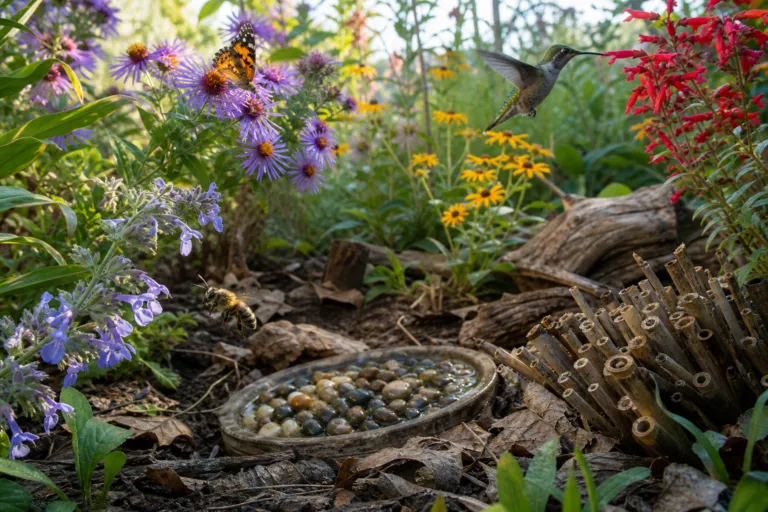
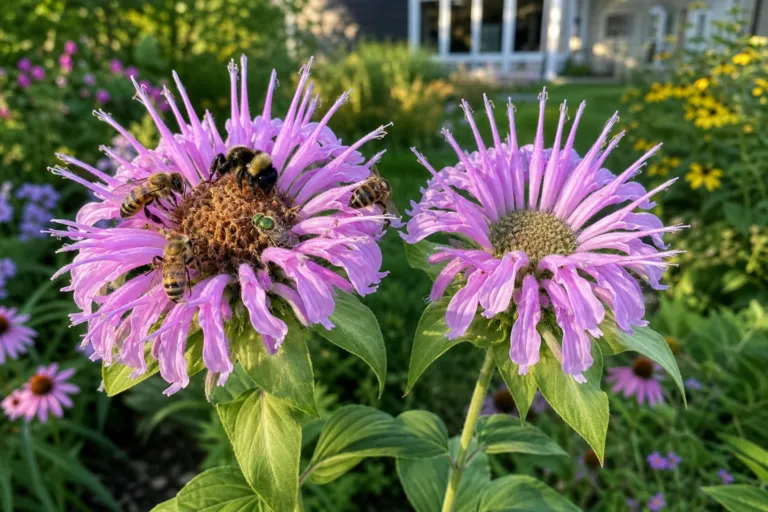
The most sustainable autumn bird buffet is a layered garden. Native trees, shrubs, and perennial plants can provide seeds, berries, insects, nesting cover, and shelter from wind. Leave some seed heads standing after flowering, allow a few leaves to remain under shrubs, and postpone a thorough garden cleanup until spring where practical.
Good additions depend on your region, but examples may include native sunflowers, coneflowers, asters, serviceberries, dogwoods, elderberries, and shrubs that retain fruit into fall. Choose plants suited to your local conditions rather than relying on a single national list. A regional native-plant society, cooperative extension office, or local conservation organization can help you select appropriate species.
A simple five-food autumn plan
You can begin with a manageable routine:
- Fill a clean hopper feeder with black-oil sunflower seed.
- Add a suet cage once the weather is consistently cool.
- Offer a small quantity of unsalted peanuts for jays, woodpeckers, and nuthatches.
- Place fruit on a platform if fruit-eating birds visit your yard.
- Scatter a modest amount of white millet on a clean platform for juncos and sparrows.
Watch what disappears first, which birds arrive, and what food gets left behind. Your observations will quickly show whether your garden needs variety or simply a smaller amount of the foods you already offer.
Enjoy a safer, more generous fall garden
Black-oil sunflower, cool-weather suet, plain peanuts, fresh fruit, and white millet give you five practical ways to support backyard birds as temperatures fall. The key is not abundance at any cost, but fresh food, clean equipment, safe placement, and plenty of natural habitat.
Start small, keep a notebook of your visitors, and adjust the menu as the season changes. With a few thoughtful choices, your autumn garden can become both a welcoming place for birds and a rewarding window into the seasonal life of your local wildlife.