
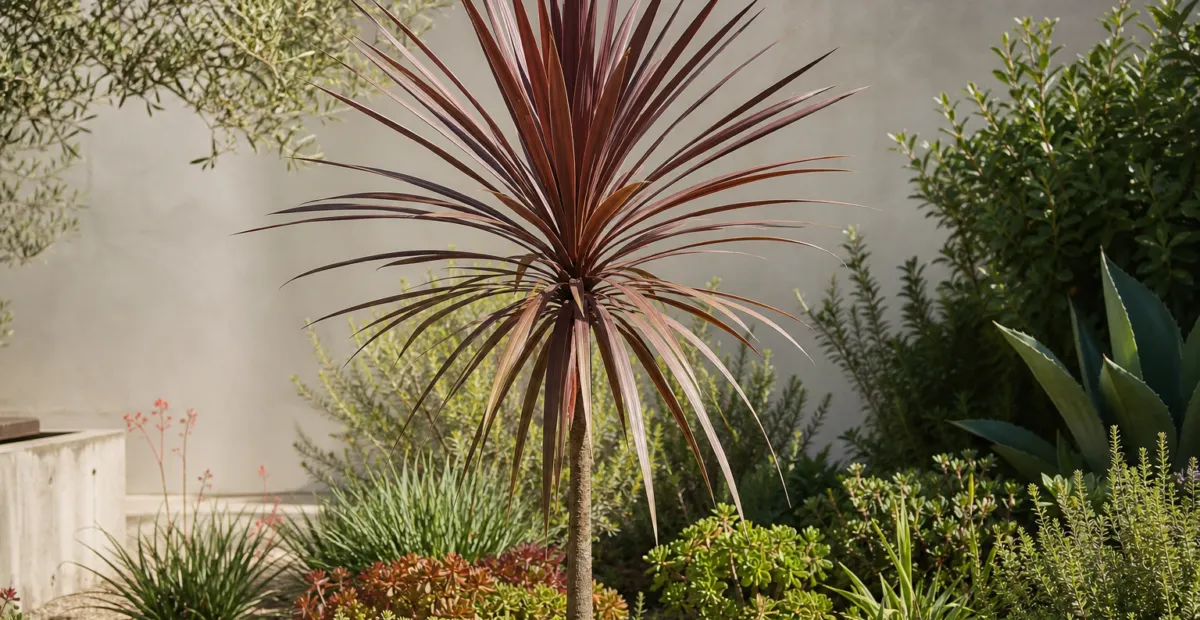
 AI-generated illustration
Pocahontas (Cordyline australis ‘Pocahontas’) short overview
Cordyline australis 'Pocahontas' is a distinctive evergreen cordyline selected for its upright habit and deep burgundy, strap-shaped foliage. It can form a short trunk and become a dramatic architectural accent in warm-climate beds, courtyards and poolside plantings. In much of the United States, grow it in a container so it can be moved indoors before hard freezes. Give it bright light, moderate water and fast-draining soil.
Taxonomic classification
Pocahontas (Cordyline australis ‘Pocahontas’) care guide
Light and placement
Give full sun for the strongest burgundy color, ideally with protection from harsh reflected heat. Light partial shade is tolerated, especially in hot inland climates. Too little light produces greener, weaker growth and a looser rosette; intense heat behind glass can scorch leaves, so acclimate indoor plants gradually to direct sun.
Watering and humidity
Water deeply when the upper 1–2 inches of mix begins to dry, then allow excess water to drain fully. Keep newly planted specimens evenly moist during establishment; reduce watering in cool winter conditions, particularly indoors. Do not leave the container standing in a saucer of water.
Soil and growing medium
Use a loose, well-drained mix based on loam, sand, bark or other coarse organic material. The plant tolerates a range of soils, but persistent saturation can damage roots, especially in containers. Slightly acidic to neutral soil is a practical target; mildly alkaline conditions are usually tolerated if drainage and nutrition are adequate.
Feeding
Apply a balanced, diluted fertilizer during spring and summer active growth, following the product label. Container plants benefit from regular light feeding because nutrients leach from potting mix. Do not fertilize dry, wilted or newly repotted plants, and reduce or stop feeding during cool, low-light winter conditions.
Growth and habit
This cultivar forms an upright, palm-like rosette and can develop a woody trunk with age. Growth is fastest in warm bright conditions and slows markedly indoors during winter. Remove only dead or damaged leaves unless trunk reduction is necessary, because heavy cutting changes the plant's architectural form.
Planting and repotting
Plant outdoors after the danger of hard frost has passed, setting the root ball level with the surrounding soil. Choose a sheltered site with excellent drainage and leave enough room for the narrow trunk and expanding crown. Water regularly during the first growing season, then reduce irrigation once established.
Repot container plants in spring when roots fill the pot or growth slows. Move up only one pot size and use a heavy, well-drained container because the foliage can make the plant top-heavy. Avoid burying the trunk or crown more deeply than before.
Propagation and pruning
Propagation
Fresh seed and stem or trunk cuttings are established propagation methods for Cordyline australis. Seed-grown plants will not necessarily reproduce the cultivar's burgundy foliage, so vegetative cuttings are preferable when maintaining 'Pocahontas'. Take cuttings during warm active growth and keep the medium barely moist.
Pruning
Remove yellow, brown or wind-damaged leaves at the base with clean, sharp tools. If a mature stem becomes too tall or damaged, it can be cut back in warm weather and may produce new shoots below the cut. Avoid severe pruning before cool weather.
Overwintering
Move containers indoors before temperatures approach freezing. Place the plant in the brightest available window, reduce watering, keep it away from heating vents and inspect regularly for mites or scale. In marginal outdoor climates, use a sheltered site and protect the crown and trunk during short cold events, but do not rely on heavy frost protection for prolonged freezes.
Uses
Use as an architectural accent, container specimen, courtyard plant, poolside planting or narrow screening plant in frost-free climates. In cooler parts of the United States, it is best treated as a seasonal patio plant or houseplant. Do not use the cultivar for food or medicine without cultivar-specific safety evidence.
Appearance
The plant has stiff, narrow, strap-shaped leaves gathered in terminal rosettes on an upright, palm-like stem. 'Pocahontas' is distinguished in trade descriptions by burgundy foliage rather than the green or blue-green leaves typical of the species. Older plants may develop a corky gray trunk and branch after flowering.
Flowering
The species produces terminal panicles of small, fragrant white flowers, usually in late spring to early summer. Flowering is less reliable in containers and may take several years in the ground. Cultivar-specific flowering performance for 'Pocahontas' is not well documented.
Pollination and visitors
The species' fragrant nectar-bearing flowers are visited by insects, including bees and flies, and birds may contribute to pollination in some New Zealand populations. Visitor records are primarily for Cordyline australis as a species rather than for 'Pocahontas' specifically.
Diseases and pests
Diseases
Prevent disease by avoiding constantly wet soil, improving air circulation and watering at the base. Root or crown problems are most likely under poor drainage. Remove badly damaged tissue with clean tools and repot affected container plants into fresh, porous mix.
Pests
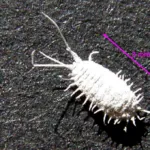
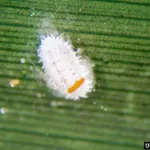
Watch for scale, mealybugs and spider mites, especially indoors. Inspect leaf bases and stems regularly, isolate infested plants and remove light infestations with a cotton swab or water spray. Use a labeled horticultural oil or insecticidal soap when necessary, following the product label and avoiding heat-stressed plants.
Related diseases and pests
Only Plant Doctor profiles whose host data indicate this plant may be affected are shown here.

Toxicity and pollen
Cordyline australis contains saponins and is listed as toxic to dogs and cats. Ingestion may cause vomiting, depression, appetite loss, hypersalivation and, especially in cats, dilated pupils. Keep leaves and fruits away from pets and seek veterinary advice after suspected ingestion. Human poisoning data for this cultivar are limited; avoid eating ornamental plant material.
- Typical season
- Usually late spring to summer where grown in the United States
- Pollination / pollen
- Insect-dispersed pollen
Cordyline australis is insect-pollinated, so pollen is not generally released as a large airborne cloud. However, pollen allergy risk for this exact cultivar has not been specifically studied; people with significant seasonal allergies should avoid handling flowering sprays if symptoms occur.
Native habitat
Cordyline australis is native to New Zealand, where it occurs in forests, coastal areas, open grassland and disturbed ground across a range of climates and soils. It tolerates wind and varied moisture, but cultivated plants perform best in fertile, well-drained soil with dependable moisture during establishment.
Interesting fact
The species is endemic to New Zealand and is commonly called tī kōuka there. Its trunk typically branches after flowering. The cultivar is sold in horticultural trade as a compact burgundy-leaved form, but detailed official cultivar records are scarce.
Frequently asked questions (FAQ)
The most relevant questions about this plant, with short and direct answers.
🌱Quick care
What is Cordyline australis 'Pocahontas'?⌄
Cordyline australis 'Pocahontas' is an evergreen, upright cordyline cultivar grown for its architectural, strappy foliage and compact habit. It belongs to the Asparagaceae family and is related to cabbage trees and other cordylines.
How much sun does Cordyline australis 'Pocahontas' need?⌄
Give Cordyline australis 'Pocahontas' full sun to partial shade. Brighter light generally produces stronger growth and better foliage color, while intense afternoon sun may scorch plants acclimated to indoor or shaded conditions.
How often should I water Cordyline australis 'Pocahontas'?⌄
Water Cordyline australis 'Pocahontas' moderately, allowing the surface of the soil to dry slightly between waterings. Reduce watering in cool or low-light conditions, and never leave the roots standing in water.
Is Cordyline australis 'Pocahontas' evergreen?⌄
Yes, Cordyline australis 'Pocahontas' is evergreen in suitable conditions. Freezing temperatures, severe cold injury, or prolonged stress can cause leaf loss or dieback even though the plant normally retains foliage year-round.
🌤️Environment and placement
Can Cordyline australis 'Pocahontas' grow outdoors in the United States?⌄
Cordyline australis 'Pocahontas' can grow outdoors year-round only where freezing conditions are uncommon or brief. In colder parts of the United States, grow it in a container or move it to a protected location before freezes.
Can Cordyline australis 'Pocahontas' tolerate frost?⌄
Cordyline australis 'Pocahontas' should be protected from freezing temperatures. Covering it during an unexpected light frost may help, but container plants are best moved indoors or into a frost-free sheltered space.
Is Cordyline australis 'Pocahontas' suitable for a container?⌄
Yes, Cordyline australis 'Pocahontas' is well suited to container growing, especially in climates where winter freezes occur. Use a pot with drainage holes and bring it into bright shelter when freezing weather is forecast.
What soil is best for Cordyline australis 'Pocahontas'?⌄
Plant Cordyline australis 'Pocahontas' in well-drained loam or sandy loam. A container mix amended for drainage is preferable to heavy, water-retentive soil because saturated roots can decline quickly.
Can Cordyline australis 'Pocahontas' grow indoors?⌄
Yes, Cordyline australis 'Pocahontas' can be grown indoors in bright light near an unobstructed window. Keep it away from cold drafts and water less often if light levels are low.
💧Care and problems
Why are the leaves of my Cordyline australis 'Pocahontas' turning brown?⌄
Brown leaves on Cordyline australis 'Pocahontas' commonly result from underwatering, dry indoor air, salt buildup, excessive sun, or cold injury. Check the roots and soil moisture first, then remove badly damaged leaves with clean tools.
Why is Cordyline australis 'Pocahontas' losing leaves?⌄
Leaf loss usually indicates stress from freezing temperatures, overwatering, underwatering, poor light, or root damage. Correct the growing conditions and wait for new growth before assuming the plant has died.
Does Cordyline australis 'Pocahontas' need fertilizer?⌄
Cordyline australis 'Pocahontas' benefits from light feeding during active growth. Apply a balanced, complete fertilizer according to the product label, and avoid heavy fertilization when the plant is dormant, cold-stressed, or recently repotted.
How do I prune Cordyline australis 'Pocahontas'?⌄
Prune Cordyline australis 'Pocahontas' by removing dead, damaged, or unattractive leaves at their base. If the stem becomes too tall or damaged, cutting it back can encourage new shoots, although the resulting shape may become multi-stemmed.
How do I fix a leaning Cordyline australis 'Pocahontas'?⌄
Improve the light and rotate the container regularly if Cordyline australis 'Pocahontas' is leaning toward a window. A top-heavy plant may also need a heavier pot or temporary support, but avoid keeping the soil continually wet.
🪴Planting and repotting
When should I plant Cordyline australis 'Pocahontas' outdoors?⌄
Plant Cordyline australis 'Pocahontas' outdoors after the danger of freezing weather has passed and the soil is workable. Choose a well-drained site and acclimate a greenhouse- or indoor-grown plant gradually to stronger outdoor light.
How do I repot Cordyline australis 'Pocahontas'?⌄
Repot Cordyline australis 'Pocahontas' when roots fill the container or water drains unusually quickly. Move it into a pot only one size larger, use a free-draining mix, and keep the plant slightly drier while it reestablishes.
How deep should I plant Cordyline australis 'Pocahontas'?⌄
Plant Cordyline australis 'Pocahontas' at the same depth it was growing in its nursery container. Do not bury the trunk or crown deeply, because excess moisture around the base can encourage rot.
✂️Propagation and pruning
How can I propagate Cordyline australis 'Pocahontas'?⌄
Cordyline australis 'Pocahontas' can be propagated from stem sections or seeds, but seed-grown plants may not reproduce the named cultivar exactly. Stem propagation is generally preferred when preserving the cultivar’s distinctive traits is important.
Can I grow Cordyline australis 'Pocahontas' from cuttings?⌄
Yes, stem cuttings can be used to propagate Cordyline australis 'Pocahontas'. Allow cut surfaces to dry briefly, place the cutting in a sterile, well-drained medium, and keep it warm with restrained moisture until roots develop.
⚠️Toxicity and safety
Is Cordyline australis 'Pocahontas' toxic to dogs and cats?⌄
Yes, Cordyline australis 'Pocahontas' is toxic to dogs and cats if eaten. Keep the plant and fallen leaves away from pets, and contact a veterinarian promptly if ingestion causes vomiting, diarrhea, weakness, or other concerning symptoms.
Is Cordyline australis 'Pocahontas' poisonous to people?⌄
Cordyline australis 'Pocahontas' is moderately toxic if eaten and should not be consumed. Keep it away from children and avoid using its leaves in food or household preparations.
What should I do if a pet eats Cordyline australis 'Pocahontas'?⌄
Contact your veterinarian or a pet poison service promptly if a dog or cat eats Cordyline australis 'Pocahontas'. Do not induce vomiting unless a veterinary professional specifically tells you to do so.
🌸Flowering and special interest
Does Cordyline australis 'Pocahontas' flower?⌄
Cordyline australis 'Pocahontas' may flower when mature and growing outdoors in favorable conditions, but flowering is not guaranteed, particularly for container or indoor plants. Reports describe this cultivar as capable of producing pink flowers, although cultivar-specific flowering details are limited.
How do I encourage Cordyline australis 'Pocahontas' to bloom?⌄
Encourage blooming by providing strong light, adequate root space, moderate watering, and a long period of healthy outdoor growth. Mature plants are more likely to flower than young or heavily pruned specimens.
Similar plants
 Yellow lantern chili (Capsicum chinense) care guideCapsicum chinense
 Capsicum baccatum care guideCapsicum baccatum
 Serrano (Capsicum annuum ‘Serrano’)Capsicum annuum 'Serrano'
 Purple Beauty (Capsicum annuum ‘Purple Beauty’)Capsicum annuum 'Purple Beauty'
 Numex Twilight (Capsicum annuum ‘Numex Twilight’)Capsicum annuum 'Numex Twilight'
 Explosive Ember Chili Pepper (Capsicum annuum ‘Explosive Ember’)Capsicum annuum 'Explosive Ember'