
 Source:
 Redosier (Cornus sericea) short overview
Redosier is a hardy, fast-growing native shrub with bright red young stems that bring strong winter color to the landscape. In late spring, flat-topped clusters of small creamy-white flowers appear, followed by white to bluish-white berries that feed birds. It performs best in moist soil and tolerates clay, periodic flooding, and partial shade, making it useful for rain gardens, stream banks, wildlife plantings, screens, and naturalized borders.
Taxonomic classification
Redosier (Cornus sericea) care guide
Light and placement
Grow in full sun for the strongest stem color and densest flowering, or in partial shade where summer heat is intense. An east- or southeast-facing position is suitable in hot regions; filtered afternoon shade can reduce stress. Sparse flowering, lanky growth, and weaker color indicate insufficient light, while scorched leaves and wilt despite moist soil suggest excessive heat or reflected sun.
Watering and humidity
Water deeply and regularly during the first growing season, keeping the root zone consistently moist rather than alternating between drought and saturation. Established plants tolerate brief dry periods but perform best with supplemental irrigation during summer drought. Mulch to reduce evaporation, and water at the soil surface rather than wetting foliage repeatedly.
Soil and growing medium
Use moist, humus-enriched soil that drains reasonably well but does not dry rapidly. The species tolerates clay, sandy or loamy ground and a broad pH range from acidic to alkaline. Avoid persistently stagnant conditions around poorly aerated roots, especially in containers.
Feeding
Apply compost or a balanced slow-release fertilizer in early spring if growth is weak or soil is poor. Avoid heavy nitrogen feeding, which can produce soft, crowded growth and increase maintenance. Do not fertilize drought-stressed, newly transplanted, or visibly diseased plants until they recover.
Growth and habit
This vigorous, colony-forming shrub develops multiple stems and spreads by stolons, suckers, and rooting branches. Growth can exceed 2 feet per year under favorable moisture. Its tendency to expand makes it effective for erosion control and habitat, but root pruning or barriers may be needed in formal gardens.
Planting and repotting
Plant in spring or fall, setting the root flare level with or slightly above the surrounding soil. Water deeply during establishment and apply a 2–3 inch mulch layer without touching the stems. Allow room for colony spread, or install a root barrier where containment is important.
Container-grown plants should be shifted in early spring before active growth. Use a large container with drainage holes and a moisture-retentive but aerated mix. Repot when roots circle densely or the plant dries out unusually quickly; expect vigorous suckering and eventual need for a larger site.
Propagation and pruning
Propagation
Propagate from fresh seed, hardwood cuttings, softwood cuttings, layering, or rooted suckers. Collect seed from ripe fruit and provide the required dormancy treatment. Hardwood cuttings and suckers are practical methods; establish young plants with consistent moisture.
Pruning
For the brightest winter stems, remove about one-third of the oldest stems at ground level in late winter or early spring, or coppice the entire plant to a few inches every two to three years. Remove dead, diseased, crossing, or weak stems first. Heavy renewal pruning sacrifices some flowers but stimulates colorful young growth.
Overwintering
No routine winter protection is required in its hardiness range. Young plants benefit from a mulch layer over the root zone after the ground cools. Container specimens are more vulnerable than plants in the ground; place pots in a sheltered location and prevent repeated freeze-thaw drying.
Uses
Use for winter interest, mass plantings, informal screens, stream-bank stabilization, erosion control, rain gardens, wildlife habitat, and naturalized shrub borders. Its spreading habit is useful for holding soil but can become weedy in confined beds. The berries support birds; do not treat the plant as a human food crop.
Appearance
Leaves are opposite, simple, ovate to oblong, and marked by several conspicuous parallel veins. Young twigs are slender and bright red to dark red, often with fine flattened hairs; older bark becomes gray-brown and fissured. The shrub is multi-stemmed and open to rounded, with reddish-purple fall foliage, white berries, and striking winter stems.
Flowering
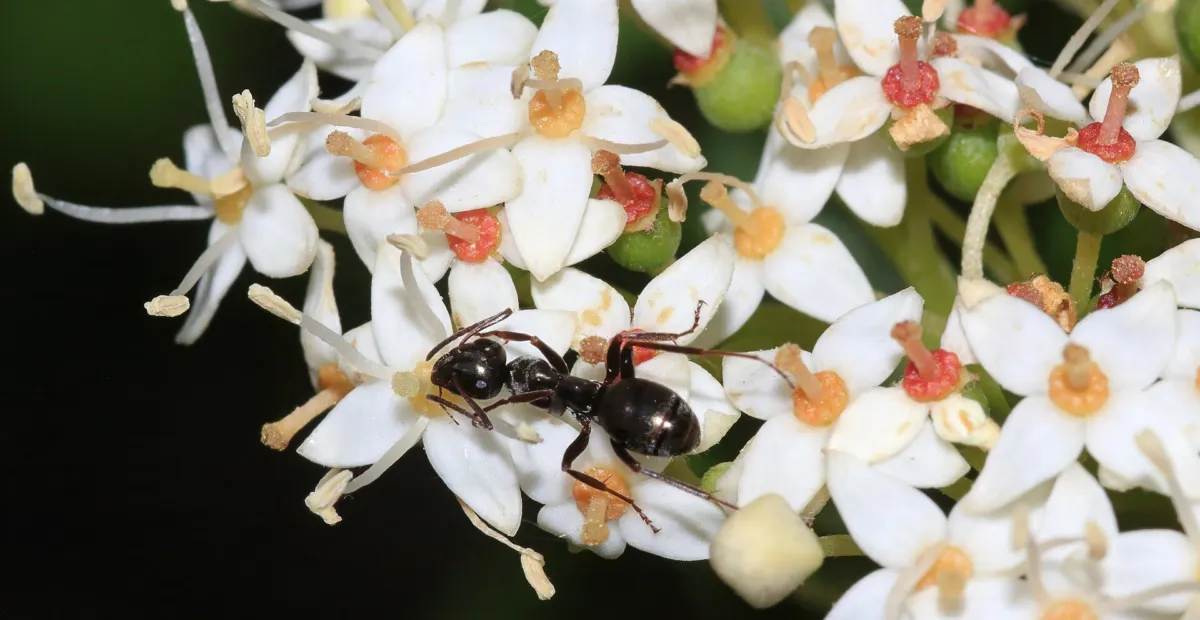
Tiny perfect flowers are arranged in flat-topped clusters rather than the large showy bracts seen on flowering dogwood. Bloom is concentrated in late spring, commonly May through June in much of the United States, with occasional later flowering in favorable conditions.
Pollination and visitors
The flowers are insect-pollinated and require cross-pollination for reliable fruit production. Bumblebees are frequently observed visitors, with other bees, flies, and butterflies also recorded. White fruits are eaten by songbirds and other wildlife after flowering.
Cornus sericea photos
Click any photo for a larger view. Source, author and license are shown separately.
Diseases and pests
Diseases
Stem canker, twig blight, leaf spot, powdery mildew, root rot, and wood decay may occur, especially when plants are stressed or grown in hot, humid conditions. Improve air circulation, avoid prolonged drought, remove infected wood during dry weather, and disinfect pruning tools between cuts. Redosier is relatively resistant to dogwood anthracnose.
Pests
Potential pests include scale, borers, leaf miners, aphids, and dogwood sawfly larvae. Inspect stems and leaf undersides, encourage beneficial insects, prune out badly infested or damaged growth, and use targeted controls only when damage is substantial. Drought stress can increase pest and disease problems.
Related diseases and pests
Only Plant Doctor profiles whose host data indicate this plant may be affected are shown here.
 DiseaseCoral Spot CankerNectria cinnabarina
 DiseasePhytophthora plurivora Root and Collar RotPhytophthora plurivora
 PestEuropean Fruit Lecanium ScaleParthenolecanium corni
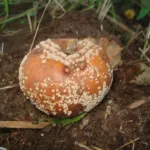 DiseaseEuropean brown rotMonilinia fructigena
 DiseasePhytophthora cactorum crown, collar, root and fruit rotPhytophthora cactorum
 Environmental stressDrought stress
 Environmental stressSalt stress
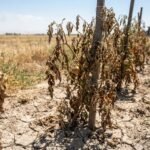 Environmental stressHeat stress
Toxicity and pollen
Reliable pet-toxicity listings do not identify Cornus sericea as a commonly dangerous species. Nonetheless, eating plant material can cause gastrointestinal upset in animals, and berries or foliage should not be deliberately consumed by children or pets. Seek professional advice after significant ingestion or if symptoms occur.
- Typical season
- May–June in much of the United States
- Pollination / pollen
- Insect-released, relatively localized pollen
This insect-pollinated shrub does release pollen from its flowers, but the pollen is not generally regarded as a major airborne seasonal allergen. Exposure is usually localized around flowering plants. People with known sensitivities should still avoid unnecessary direct contact and monitor personal symptoms.
Native habitat
Native across much of North America, especially in moist lowlands, stream margins, floodplains, wet meadows, swamps, and woodland edges. It commonly occupies seasonally flooded soils and disturbed riparian sites, tolerating clay and periodic inundation while benefiting from reliable moisture.
Interesting fact
Young stems provide the strongest red winter color, so renewal pruning is ornamental as well as structural. Stolons and rooted stems allow the species to form extensive clones. Its white berries are important food for many birds, while dense colonies provide cover and nesting habitat. It is more resistant to dogwood anthracnose than flowering dogwood.
Frequently asked questions (FAQ)
The most relevant questions about this plant, with short and direct answers.
🌱Quick care
What is Redosier (*Cornus sericea*)?⌄
Redosier is a very hardy, deciduous native North American shrub in the dogwood family, Cornaceae. It is best known for colorful red stems, white flower clusters, and wildlife-friendly fruit.
How much sun does Redosier need?⌄
Redosier grows best in full sun to partial shade. Full sun usually produces stronger stem color and denser growth, while afternoon shade can help in hot, dry climates.
How often should I water Redosier?⌄
Water Redosier regularly so the soil stays evenly moist, especially during the first growing season. Established plants tolerate some seasonal fluctuation but perform poorly in prolonged drought.
Is Redosier evergreen or deciduous?⌄
Redosier is deciduous and loses its leaves in fall. Its bare red stems provide much of its winter interest.
How hardy is Redosier?⌄
Redosier is extremely cold-hardy and is generally suitable for USDA Hardiness Zones 2 through 7. Performance in hotter regions is best where the soil remains reliably moist.
🌤️Environment and placement
Where should I plant Redosier?⌄
Plant Redosier in a sunny to partly shaded location with moist, humus-rich soil and reliable drainage. Stream margins, rain gardens, low areas, and naturalized shrub borders are good settings.
Can Redosier grow in clay soil?⌄
Redosier can grow well in moist clay soil if excess water can drain away. Improve very compact clay with organic matter and avoid sites that remain permanently stagnant.
Can Redosier grow in wet areas?⌄
Redosier is well adapted to wet meadows, streambanks, pond edges, and other seasonally wet sites. It tolerates fluctuating water levels, although permanently submerged roots may cause problems.
Is Redosier native to the United States?⌄
Yes, Redosier is native across much of northern and western North America, including many regions of the United States. Check local native-plant or state natural-resource sources to confirm whether it is locally native in your county.
Is Redosier invasive?⌄
Redosier is not generally classified as invasive across the United States, but it spreads by suckers and can form dense colonies. Give it room and remove unwanted shoots where a tightly controlled planting is needed.
How large does Redosier get?⌄
Redosier commonly grows about 6 to 9 feet tall and wide, though size varies with cultivar, climate, moisture, and pruning. In favorable natural habitats it can spread into larger thickets.
💧Care and problems
How do I care for Redosier in summer?⌄
Keep the root zone evenly moist and apply a 2- to 3-inch layer of mulch without touching the stems. Water deeply during dry spells, especially in full sun or during the first few years after planting.
Why are my Redosier leaves turning brown?⌄
Brown leaves usually indicate drought stress, heat stress, root damage, or a drainage problem. Check soil moisture, water deeply, and inspect the base and roots for prolonged saturation or physical injury.
Why is my Redosier not producing red stems?⌄
Older Redosier stems usually become duller and less colorful, while young shoots show the strongest red color. Renewal pruning encourages fresh stems, and insufficient light can also reduce color intensity.
What pests affect Redosier?⌄
Redosier can be affected by common dogwood problems such as scale insects, aphids, leaf spots, and powdery mildew. Good air circulation, appropriate watering, and removal of badly damaged growth often reduce problems.
Does Redosier need fertilizer?⌄
Redosier usually needs little or no fertilizer when grown in reasonably fertile soil. Excess nitrogen can produce weak, overly leafy growth, so use a soil test before applying fertilizer.
🪴Planting and repotting
When is the best time to plant Redosier?⌄
Plant Redosier in spring or fall when temperatures are mild and soil moisture is dependable. Spring planting is preferable in very cold areas, while fall planting works well where the ground remains workable.
How far apart should Redosier shrubs be planted?⌄
Space Redosier about 5 to 8 feet apart for a shrub border, or closer for a dense screen. Allow additional room if you want to limit crowding and make sucker removal easier.
Can Redosier be grown in a container?⌄
Redosier can be grown temporarily in a large container, but it is not ideal as a long-term container plant. Its vigorous roots, mature size, and need for consistent moisture make in-ground planting more reliable.
Can I plant Redosier near a foundation or walkway?⌄
Plant Redosier several feet from foundations, narrow walkways, and property lines because it can become broad and produce root suckers. It is not usually known for damaging foundations, but its spreading habit can create maintenance problems.
✂️Propagation and pruning
How do I propagate Redosier from cuttings?⌄
Redosier is readily propagated from hardwood cuttings taken during dormancy or from suitable softwood cuttings in the growing season. Keep the cuttings evenly moist, and use rooting hormone if desired to improve consistency.
Can Redosier be propagated by division?⌄
Yes, Redosier can be propagated by dividing rooted suckers from the parent plant. Dig a sucker with its own fibrous roots, separate it cleanly, and replant it promptly in moist soil.
Can Redosier be grown from seed?⌄
Redosier can be grown from seed, but germination may be slow and uneven because the seeds commonly require a period of cold, moist stratification. Collect ripe fruit and clean the seed before preparing it for sowing.
How do I stop Redosier from spreading?⌄
Remove suckers as soon as they appear by cutting them below the soil surface or tracing them back to the parent root. A root barrier can help, but regular monitoring is usually still necessary.
When should Redosier be pruned?⌄
Prune Redosier in late winter or early spring before new growth begins. Remove the oldest stems at ground level and thin weak or damaged branches to encourage vigorous, colorful shoots.
Can I cut Redosier back to the ground?⌄
Yes, Redosier tolerates rejuvenation pruning almost to ground level during dormancy. This produces vigorous new stems, but it temporarily removes the shrub’s height and may increase sucker production.
⚠️Toxicity and safety
Are Redosier berries poisonous to people?⌄
The safety of Redosier berries for human consumption is uncertain, and they are not considered a standard edible fruit. Do not eat the berries or use other plant parts medicinally without authoritative species-specific guidance.
Is Redosier toxic to dogs and cats?⌄
Redosier is not commonly listed as dangerously toxic to pets, but definitive species-specific toxicity information is limited. Prevent pets from chewing large amounts of the plant and contact a veterinarian if symptoms occur.
Do deer eat Redosier?⌄
Yes, deer commonly browse Redosier twigs and foliage, particularly during winter. Use fencing or other deer-management measures if protecting young shrubs is important.
🌸Flowering and special interest
When does Redosier bloom?⌄
Redosier usually blooms in late spring to early summer, producing small creamy-white flowers in flat-topped clusters. Bloom timing varies with climate and spring temperatures.
Does Redosier produce berries?⌄
Yes, Redosier produces small white to bluish-white fruits that ripen in late summer and may persist into fall or winter. The fruit is valuable food for many birds and mammals.
Does Redosier attract pollinators?⌄
Redosier flowers attract bees, flies, butterflies, and other insect visitors. Fruit production generally benefits from cross-pollination between genetically different plants.
Is Redosier good for wildlife?⌄
Redosier provides flowers for insects, fruit for birds and mammals, and dense nesting and hiding cover. Its twigs and foliage are also browsed by deer, elk, moose, rabbits, and other wildlife.
Why is Redosier valuable in winter gardens?⌄
Redosier provides strong winter interest through its vividly colored young stems after the leaves fall. The effect is strongest when older stems are periodically removed to stimulate new growth.
Similar plants
 Azure Monkshood (Aconitum carmichaelii) care guideAconitum carmichaelii
 Monkshood (Aconitum ‘Stainless Steel’)Aconitum 'Stainless Steel'
 Monkshood (Aconitum ‘Bressingham Spire’)Aconitum 'Bressingham Spire'
 Golden full moon maple (Acer shirasawanum ‘Aureum’)Acer shirasawanum 'Aureum'
 Globosum (Acer platanoides ‘Globosum’)Acer platanoides 'Globosum'
 Striped maple (Acer pensylvanicum) care guideAcer pensylvanicum