
 Source:
 Ti Tree (Cordyline fruticosa) short overview
Ti Tree, Cordyline fruticosa, is a tropical evergreen grown for its bold, colorful leaves and cane-like stems. Green, pink, red, purple and variegated forms bring strong architectural interest to warm patios and bright indoor spaces. In the United States, it is generally treated as a houseplant or seasonal container accent except in frost-free regions. Keep it warm, humid and evenly but not constantly wet, with protection from harsh afternoon sun and cold drafts.
Taxonomic classification
Ti Tree (Cordyline fruticosa) care guide
Light and placement
Provide bright filtered or indirect light near an east- or north-facing window, or slightly back from a bright south- or west-facing window. Variegated and red cultivars usually need stronger light to retain color. Harsh afternoon sun can scorch leaves, while dim light causes fading, stretched growth and leaf drop.
Watering and humidity
Water thoroughly when the top inch of mix begins to dry, then empty the saucer. Keep the root zone evenly moist during spring and summer but never saturated. Reduce frequency from late fall through winter as light and growth decline. Use room-temperature water and increase humidity if leaf tips brown in dry indoor air.
Soil and growing medium
Use a fertile, peat-based or loamy mix that holds some moisture but drains freely. A container blend amended with perlite or fine bark helps prevent stagnant roots. Slightly acidic to neutral conditions are suitable; avoid compacted, waterlogged soil and excessive salt buildup from fertilizer or hard irrigation water.
Feeding
Feed during active growth in spring and summer with a complete balanced houseplant fertilizer diluted to about half the label rate every 4–6 weeks. Water first if the mix is dry. Reduce or stop feeding during low-light winter conditions, and occasionally flush the container to limit soluble-salt buildup.
Growth and habit
This long-lived evergreen develops clustered, cane-like stems from a rhizomatous base. It often branches after pruning or stem cutting and gradually loses lower leaves as stems age. Regularly removing weak canes and rotating indoor containers helps maintain a balanced, attractive form.
Planting and repotting
Plant outdoors only after temperatures are reliably warm and frost danger has passed, setting the root ball at the same depth as before. Space landscape plants according to their expected cultivar size, generally allowing 3–6 feet for an established specimen. Water consistently during establishment and shelter from strong afternoon sun.
Repot in spring when roots fill the container or growth has slowed from crowding. Move up only one pot size, refresh the well-drained mix, and keep the cane at its original depth. After repotting, water thoroughly and provide bright filtered light while roots re-establish.
Propagation and pruning
Propagation
Propagate by stem sections, cane cuttings or division of established clumps. Take healthy sections during warm active growth, place them in a moist, porous medium, and keep them warm with bright indirect light. Division is practical when rooted shoots or multiple stems can be separated without excessive root damage.
Pruning
Remove yellow or damaged leaves at their base with clean shears. If stems become bare or too tall, cut a cane above a node to encourage branching; the removed section can be used for propagation. Avoid removing many healthy leaves at once, especially while the plant is recovering from low light or cold.
Overwintering
Bring containers indoors before nights approach 50°F. Keep the plant in bright filtered light away from heating vents and cold glass, maintain moderate to high humidity, and water less often in winter. Do not place it outdoors during freezes; even brief cold exposure can cause leaf damage or collapse.
Uses
Use Ti Tree as a colorful foliage specimen, indoor plant, patio container, sheltered tropical accent or frost-free landscape grouping. In traditional Pacific contexts, leaves have been used for wrapping food and other practical purposes. Do not present household or traditional uses as medical treatment, and avoid ingestion because the plant is considered low-severity toxic.
Appearance
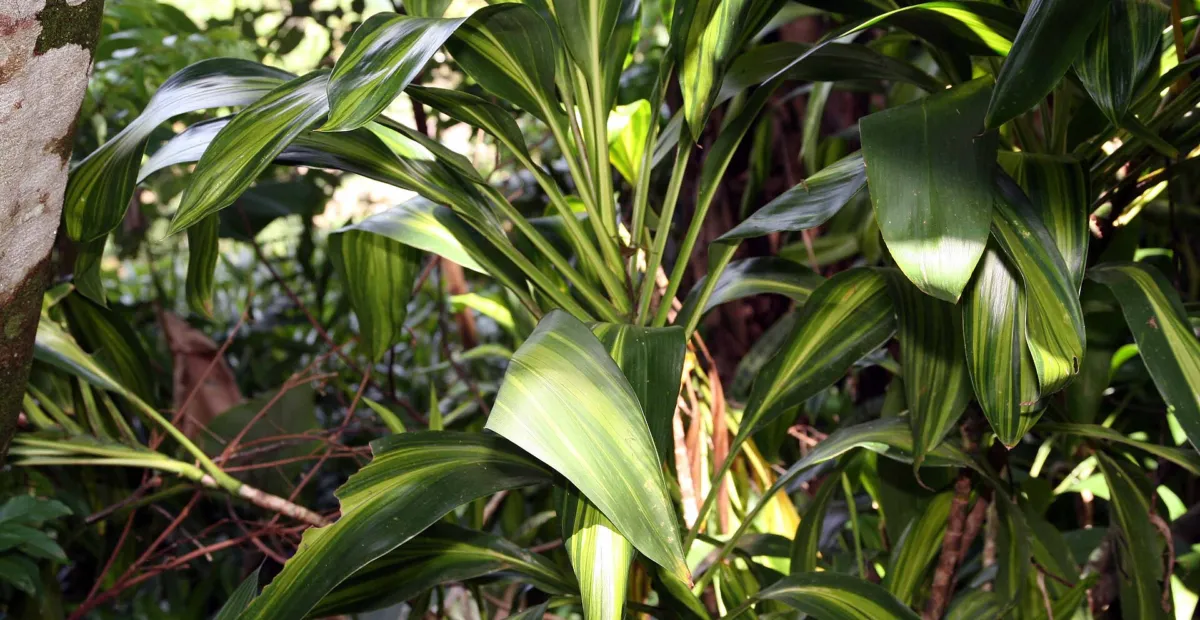
Ti Tree has smooth, simple, oblong-lanceolate leaves arranged in crowded spirals around slender, often branched canes. Leaves may be green, burgundy, pink, purple or variegated, with long arching blades and entire margins. Older stems shed lower leaves, creating a cane-like trunk and a leafy crown.
Flowering
Mature plants can produce terminal panicles of small, fragrant, radially symmetrical flowers with six tepals forming a short tube. Flowers are usually white to pale lavender and may be followed by small red berries. Indoor plants rarely flower or fruit unless they receive strong light, warmth and sufficient maturity.
Pollination and visitors
The flowers are described as fragrant and showy, but reliable species-specific records documenting their principal animal pollinators or visitor groups in the United States were not located. No pollinator group is assigned rather than inferring one from flower color or scent.
Cordyline fruticosa photos
Click any photo for a larger view. Source, author and license are shown separately.
Diseases and pests
Diseases
Prevent root and stem problems with drainage, clean tools and restrained winter watering. Watch for leaf spots or soft, darkened tissue after prolonged wetness; remove affected material and improve airflow. Severely rotted roots may require cutting back damaged tissue and repotting into fresh, porous medium.
Pests
Inspect leaf undersides and stems for scale, mealybugs, aphids and spider mites. Isolate infested plants, wash foliage, and use insecticidal soap or horticultural oil only according to the product label. Avoid chronic dry air and excessive nitrogen, which can worsen pest pressure and weak growth.
Toxicity and pollen
The plant contains saponins and is listed by extension guidance as having low-severity poisonous characteristics. Chewing or ingesting plant material may cause gastrointestinal upset, while sap can irritate skin. Keep leaves and cut stems away from pets and children, and wash hands after pruning.
- Pollination / pollen
- Pollen produced by insect-associated flowers; airborne-allergy relevance uncertain
Cordyline fruticosa is a flowering seed plant, so it produces pollen, but dependable United States data on airborne pollen counts or clinical allergy importance were not located. Avoid treating the plant as automatically allergen-free; flowering and cutting can expose sensitive people to plant material and sap.
Native habitat
The species is native from Papua New Guinea and northeastern Australia through the western Pacific, where it grows in warm, humid tropical environments. It favors moisture-retentive but draining soils, filtered light and protection from prolonged drought, salt exposure and cold.
Interesting fact
The species has a rhizomatous root system and can be propagated from cane sections often sold as Ti logs. In Hawaii, its leaves have traditional practical and cultural uses, including wrapping foods and making skirts. The species is evergreen, but older stems naturally lose their lower leaves and become more tree-like.
Frequently asked questions (FAQ)
The most relevant questions about this plant, with short and direct answers.
🌱Quick care
What is the Ti Tree (Cordyline fruticosa)?⌄
Ti Tree is a frost-tender tropical evergreen grown for its colorful, strap-shaped leaves and occasional fragrant flower clusters. It belongs to the Asparagaceae family and is commonly grown as a houseplant or warm-climate landscape plant.
How much light does a Ti Tree need indoors?⌄
Give Ti Tree bright, filtered light or partial shade indoors. Protect it from intense direct afternoon sun, which can scorch the leaves, while too little light may fade colorful varieties.
How often should I water Cordyline fruticosa?⌄
Water when the surface of the potting mix has dried slightly, keeping the root zone evenly moist but never soggy. Reduce watering somewhat during winter or other periods of slow growth.
What temperature is best for a Ti Tree?⌄
Keep Ti Tree warm, ideally above 60°F, and protect it when temperatures approach 50°F. It is frost tender and can suffer leaf damage or decline from cold exposure.
Is Cordyline fruticosa easy to grow as a houseplant?⌄
Yes, Ti Tree can grow well indoors when it receives bright filtered light, steady warmth, moderate-to-high humidity, and consistent moisture. The most common indoor problems are brown tips, fading color, overwatering, and pests.
🌤️Environment and placement
Can Ti Tree grow outdoors in the United States?⌄
Ti Tree can grow outdoors year-round only in warm, frost-free parts of the United States, generally USDA Zones 10–11 and protected locations in Zone 9. In colder areas, grow it in a container and bring it indoors before temperatures fall near 50°F.
Can Cordyline fruticosa tolerate full sun?⌄
Cordyline fruticosa generally prefers bright filtered light to partial shade rather than harsh full sun. Some acclimated plants tolerate gentle morning sun, but intense afternoon exposure may bleach or burn the foliage.
Why is my Ti Tree losing its leaf color?⌄
Fading red, pink, or burgundy foliage usually indicates insufficient light. Move the plant gradually to a brighter location with filtered light, avoiding a sudden shift into strong direct sun.
Does Ti Tree need high humidity?⌄
Ti Tree grows best with moderate to high humidity, especially in dry heated or air-conditioned homes. A humidifier or a pebble tray placed below the pot can help, but the container should not sit directly in water.
Can I keep a Ti Tree near an air conditioner or heater?⌄
No, place Ti Tree away from heating vents, air-conditioning outlets, and cold drafts. Rapid temperature changes and dry moving air commonly cause brown edges, leaf drop, and stress.
💧Care and problems
Why are my Ti Tree leaves turning brown at the tips?⌄
Brown tips can result from dry air, inconsistent watering, excess fertilizer, or fluoride in tap water. Keep the mix evenly moist, improve humidity, avoid overfertilizing, and consider filtered, distilled, or rainwater if the problem persists.
Why are the lower leaves on my Cordyline fruticosa turning yellow?⌄
A few older lower leaves may yellow and drop naturally as Ti Tree develops a bare stem. Widespread yellowing, especially with wet soil or wilting, can indicate overwatering, poor drainage, cold stress, or root problems.
How do I fix an overwatered Ti Tree?⌄
Let the surface dry slightly, confirm that the pot has drainage, and remove any standing water from the saucer. If the mix stays wet or the roots smell rotten, repot into fresh well-drained mix and trim away damaged roots.
Why is my Ti Tree drooping even though the soil is wet?⌄
Drooping in wet soil often points to root stress from poor drainage, overwatering, or cold conditions rather than thirst. Check the roots and container drainage before adding more water.
How often should I fertilize Cordyline fruticosa?⌄
Fertilize during active spring and summer growth with a balanced houseplant fertilizer at the label rate. Avoid feeding a stressed, recently repotted, dormant, or severely dry plant, because excess fertilizer can burn the leaf margins.
What pests attack Ti Tree plants?⌄
Common Ti Tree pests include spider mites, scale, mealybugs, aphids, thrips, and fungus gnats. Inspect leaf undersides and stems regularly, isolate affected plants, and treat promptly with an appropriate houseplant pest control product.
Why does my Ti Tree have brown or yellow leaf spots?⌄
Leaf spots may result from fungal or bacterial disease, cold damage, sun scorch, physical injury, or inconsistent moisture. Improve air circulation, avoid wetting the foliage, remove badly affected leaves, and check roots if the plant is declining.
🪴Planting and repotting
What soil is best for Cordyline fruticosa?⌄
Use a fertile peat-based or loamy potting mix that drains freely while retaining some moisture. A container with drainage holes is essential because Ti Tree does not tolerate prolonged waterlogging.
When should I repot a Ti Tree?⌄
Repot Ti Tree in spring or early summer when roots are crowded or water runs rapidly through the container. Choose a pot only slightly larger than the current one, because an oversized pot can retain excess moisture.
How do I plant Ti Tree outdoors?⌄
Plant Ti Tree in fertile, well-drained soil in bright filtered light or partial shade after the threat of frost has passed. Choose a sheltered site and be prepared to move or protect the plant when temperatures approach 50°F.
✂️Propagation and pruning
How do I propagate Cordyline fruticosa from cuttings?⌄
Cut a healthy cane or stem into sections, place them in a warm, lightly moist rooting medium, and provide bright indirect light. Rooting is most reliable during active growth, and the medium should remain moist but not waterlogged.
Can I propagate Ti Tree in water?⌄
Yes, short stem or tip cuttings can sometimes root in clean water, although rooting in a well-drained moist medium is also effective. Transfer water-rooted cuttings to potting mix once roots are established, handling them gently.
Can I cut back a leggy Ti Tree?⌄
Yes, prune a leggy Ti Tree during active growth by cutting the cane back to a suitable height above the soil. The remaining stem can produce new shoots, and healthy cut sections may be used for propagation.
How do I prune dead leaves from a Ti Tree?⌄
Remove fully brown or yellow leaves by cutting the leaf stalk close to the main stem with clean, sharp scissors. You can also trim unattractive brown tips, following the natural leaf shape, although the damaged tissue will not turn green again.
⚠️Toxicity and safety
Is Cordyline fruticosa toxic to cats and dogs?⌄
Yes, Ti Tree contains saponins and is considered toxic to cats and dogs. Ingestion may cause gastrointestinal upset and other symptoms, so contact a veterinarian or animal poison service if a pet chews or swallows the plant.
Is Ti Tree poisonous to humans?⌄
Ti Tree has low-severity toxicity in humans and may cause gastrointestinal discomfort if eaten. Keep it away from young children and seek medical advice if a significant amount is ingested or symptoms develop.
Is Ti Tree safe to touch?⌄
Yes, simply handling Ti Tree is generally considered safe. Wash hands after pruning or handling plant material, and prevent children and pets from chewing the leaves or stems.
🌸Flowering and special interest
Does Cordyline fruticosa flower indoors?⌄
Ti Tree can flower indoors, but flowering is uncommon unless the plant is mature and receives strong growing conditions. Warmth, adequate light, and good overall health improve the chance of producing flower clusters.
What do Ti Tree flowers look like?⌄
Ti Tree produces branched clusters of small, typically fragrant flowers above the foliage. Flowers may be followed by small berries when pollination and suitable outdoor or greenhouse conditions occur.
Should I cut off the flowers on a Ti Tree?⌄
You may remove spent flower stalks after blooming to keep the plant tidy, but it is not required for health. Cut the stalk cleanly near its base once the flowers have finished.
Similar plants
 Cabbage Tree (Cordyline australis) care guideCordyline australis
 Pink Passion (Cordyline australis ‘Pink Passion’)Cordyline australis 'Pink Passion'
 Dark Star (Cordyline australis ‘Dark Star’)Cordyline australis 'Dark Star'
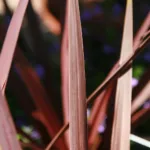 Red Star (Cordyline australis ‘Red Star’)Cordyline australis 'Red Star'
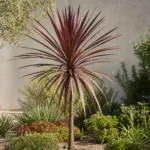 Pocahontas (Cordyline australis ‘Pocahontas’)Cordyline australis 'Pocahontas'
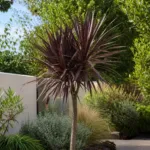 Purpurea (Cordyline australis ‘Purpurea’)Cordyline australis 'Purpurea'