
 Source:
 Large-flowered tickseed (Coreopsis grandiflora) short overview
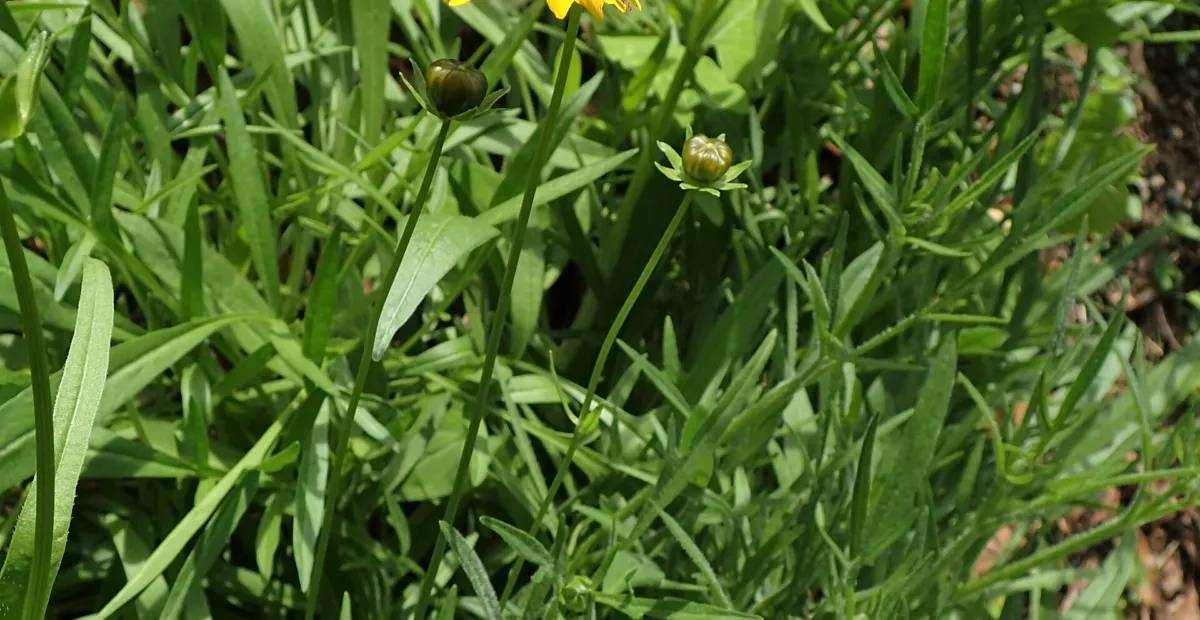
Coreopsis grandiflora, large-flowered tickseed, is a bright yellow, clump-forming perennial for sunny, well-drained beds, meadows and naturalized plantings. It tolerates drought and lean soils, blooms through much of summer, supports documented native bee visitors and benefits from regular deadheading. Good drainage is essential because wet winter soil can shorten its life. Coreopsis grandiflora is a clump-forming, herbaceous perennial with narrow to deeply divided green leaves and large yellow daisy-like flower heads. It performs best in full sun and well-drained, dry to medium-moisture soil.
Taxonomic classification
Large-flowered tickseed (Coreopsis grandiflora) care guide
Light and placement
Give full sun, ideally at least 6 hours of direct light, with open exposure and good air movement. A south- or west-facing bed is suitable where summer heat is not extreme; in very hot climates, light afternoon shade can reduce stress without sacrificing bloom. Weak, floppy growth and fewer flowers usually indicate insufficient light, while scorch is more likely from heat, drought or root stress than from ordinary full sun.
Watering and humidity
Water deeply when the upper several inches of soil dry during the first growing season. Once established, allow the soil to dry between thorough waterings; occasional deep irrigation is preferable to frequent shallow watering. Reduce watering in cool or wet weather and never keep the crown saturated. Average outdoor humidity is adequate, provided foliage can dry quickly.
Soil and growing medium
Use lean to moderately fertile soil that drains quickly after rain. Sandy, gravelly, loamy or shallow rocky ground is suitable; heavy clay should be amended or planted on a raised site. The species tolerates a broad pH range, from mildly acidic through alkaline, provided winter drainage is good.
Feeding
This species generally needs little fertilizer. Incorporate a small amount of compost before planting if the soil is very poor, then use a balanced slow-release fertilizer sparingly in spring only if growth is weak. Avoid rich, high-nitrogen feeding, which can produce floppy foliage and fewer durable flowering stems.
Growth and habit
A clump-forming perennial with several upright flowering stems, it may become somewhat sprawling in fertile or moist soil. Plants can be relatively short-lived, while self-seeding and division help maintain a planting. Deadheading improves order and encourages additional flower stems.
Planting and repotting
Plant nursery stock in spring or early fall at the same depth as the root ball, with the crown level with the surrounding soil. Space plants about 12–18 inches apart for a connected planting, allowing extra room where a looser habit or self-seeding is acceptable. Water deeply during establishment, then reduce irrigation as roots develop.
Container-grown plants can be moved in spring or early fall. Use a pot only slightly larger than the root ball and a free-draining potting mix; avoid leaving the crown in persistently wet mix. In containers, divide or refresh the plant when roots become crowded or vigor declines.
Propagation and pruning
Propagation
Sow seed in spring or fall in a well-drained medium; light is generally beneficial and only light covering is needed. Divide established clumps in spring or early fall. Selected cultivars can also be propagated from basal or soft cuttings when available.
Pruning
Deadhead individual flower stems back to a leaf set to extend bloom and reduce unwanted self-seeding. If foliage becomes untidy or sprawls, cut the plant back after a main flush of flowering. Remove old stems in late winter or early spring before new growth resumes.
Overwintering
Leave a small amount of stem cover over winter in cold regions, then remove it in late winter or early spring. Good drainage is more important than heavy mulch because wet crowns may rot. Container plants are more exposed to freezing and should be moved to a sheltered, unheated location or sunk into the ground in colder areas.
Uses
Use in sunny perennial borders, native-style plantings, meadows, cottage gardens, dry slopes and informal cut-flower displays. It works well in poor or shallow soils and can provide summer color in drought-conscious landscapes. Leave some spent heads for self-seeding and wildlife interest, or deadhead for a tidier, longer display.
Appearance
Stems are slender and upright, with opposite green leaves that vary from simple and narrow near the base to deeply pinnatifid or lobed higher on the plant. The terminal flower heads are conspicuous, with bright yellow rays, a darker yellow disk and often notched ray tips. The small, dry fruits are achenes with limited scale-like pappus.
Flowering
Flower heads are produced singly on slender, mostly leafless upper stalks. The yellow rays surround a darker yellow disk, and the ray tips are often distinctly notched. Bloom normally begins in late spring or early summer and can continue into late summer, with repeat flowering encouraged by deadheading.
Pollination and visitors
Flowers provide accessible nectar and pollen for several insect visitors. Melissodes coreopsis, the Coreopsis miner bee, is documented as a specialist associated with Coreopsis flowers; bees, bumblebees and butterflies are also reported visitors. This ecological role is separate from human allergy risk.
Coreopsis grandiflora photos
Click any photo for a larger view. Source, author and license are shown separately.
Diseases and pests
Diseases
Powdery mildew, leaf spot and rust may develop when foliage stays crowded or wet. Crown rot is the more serious risk in poorly drained soil. Improve air circulation, avoid overhead irrigation, remove badly affected foliage and replant crowns in a drier site if rot recurs.
Pests
Aphids, thrips and occasional chewing insects may occur, but serious pest pressure is uncommon in dry, well-ventilated plantings. Inspect new growth, wash off light infestations and preserve beneficial insects. Avoid routine broad-spectrum insecticides during bloom.
Toxicity and pollen
No authoritative toxicity record specific to Coreopsis grandiflora was located in the reviewed sources. Do not treat that absence as proof of safety. Prevent children and pets from chewing unfamiliar plant material, and seek professional advice after ingestion or an unusual reaction.
- Typical season
- Typically late spring through summer during flowering; exact allergy timing varies by region.
- Pollination / pollen
- Insect-presented pollen; limited airborne dispersal expected
The species is insect-pollinated, so its pollen is primarily presented within flower heads to visiting insects rather than released in large windborne clouds. Reliable species-specific airborne allergy ratings were not located, so allergy risk is recorded as uncertain rather than assumed to be zero.
Native habitat
Native populations occur in central and southeastern North America, including prairies, glades, open woods, fields, roadsides, disturbed ground and rocky or sandy sites. It is associated with open, sunny habitats and soils that drain freely rather than remain saturated.
Interesting fact
The seed-like fruits resemble ticks, inspiring the common name tickseed. The species name grandiflora means “large-flowered.” Its upper leaves are often deeply divided, while lower leaves may be simpler. It is relatively short-lived in some gardens but can persist through self-seeding and periodic division.
Frequently asked questions (FAQ)
The most relevant questions about this plant, with short and direct answers.
🌱Quick care
What is large-flowered tickseed?⌄
Large-flowered tickseed is the herbaceous perennial Coreopsis grandiflora, a North American native in the daisy family. It forms clumps of bright yellow, daisy-like flowers and usually grows about 1 to 3 feet tall and wide.
Is Coreopsis grandiflora a perennial or an annual?⌄
Coreopsis grandiflora is a herbaceous perennial, but individual plants may be relatively short-lived. It often persists through self-seeding, and some cultivars may be grown as annuals.
How much sun does large-flowered tickseed need?⌄
Large-flowered tickseed grows best in full sun, ideally with at least 6 hours of direct light daily. It can tolerate some partial shade, but reduced light may produce weaker stems and fewer flowers.
How often should I water Coreopsis grandiflora?⌄
Water Coreopsis grandiflora when the soil begins to dry, especially during its first growing season. Established plants are drought-tolerant and generally need only low to moderate moisture.
What USDA zones can grow large-flowered tickseed?⌄
Large-flowered tickseed is generally hardy in USDA Zones 4 through 9. Its survival still depends on drainage, snow cover, winter moisture, and the specific cultivar.
🌤️Environment and placement
What soil is best for Coreopsis grandiflora?⌄
Coreopsis grandiflora prefers well-drained sandy, loamy, rocky, or shallow soil. It can tolerate poor soil and some clay if excess water drains quickly.
Can large-flowered tickseed grow in clay soil?⌄
Large-flowered tickseed can grow in clay soil if it is amended or positioned to provide reliable drainage. Persistent winter or summer wetness can lead to crown or root problems.
Can Coreopsis grandiflora tolerate drought?⌄
Established Coreopsis grandiflora tolerates drought well, particularly in full sun and fast-draining soil. Water it more consistently during prolonged heat, drought, or its first season after planting.
Does large-flowered tickseed tolerate heat and humidity?⌄
Large-flowered tickseed generally tolerates heat and humidity when planted in full sun with good air circulation and drainage. Wet, crowded conditions are more likely to cause problems than summer warmth alone.
Is Coreopsis grandiflora good for pollinators?⌄
Coreopsis grandiflora is a useful pollinator plant that attracts bees, butterflies, and other flower-visiting insects. Planting it in sunny groups can provide a longer, more visible nectar resource.
Is large-flowered tickseed deer-resistant?⌄
Large-flowered tickseed is commonly considered resistant to deer and rabbits, although no plant is completely browse-proof. Pressure can vary with local wildlife populations and available food.
Where should I plant Coreopsis grandiflora in the garden?⌄
Plant Coreopsis grandiflora in sunny borders, rock gardens, meadows, naturalized areas, cottage gardens, or pollinator beds. Choose a location with well-drained soil rather than a wet low spot.
💧Care and problems
How do I care for large-flowered tickseed?⌄
Give large-flowered tickseed full sun, well-drained soil, moderate water while establishing, and occasional deadheading. Avoid rich, constantly wet conditions, which can encourage weak growth and root problems.
Why is my Coreopsis grandiflora flopping?⌄
Coreopsis grandiflora may flop because of excess moisture, rich soil, insufficient sunlight, or naturally sprawling growth after flowering. Cut back sprawling stems in summer and use a support if needed.
Should I deadhead large-flowered tickseed?⌄
Yes, deadheading large-flowered tickseed helps prolong flowering and keeps the plant looking tidy. Removing spent flower stalks also reduces unwanted self-seeding.
When should I cut back Coreopsis grandiflora?⌄
Cut back Coreopsis grandiflora in summer if the foliage or stems become sprawling and untidy, or remove dead growth after the growing season. Leave some seedheads if you want the plant to reseed.
Why is my large-flowered tickseed not blooming?⌄
The most common causes of poor flowering are insufficient sun, excessive nitrogen, overwatering, or cutting away developing buds. Move or thin the plant if necessary and allow the soil to dry somewhat between waterings.
What problems affect Coreopsis grandiflora?⌄
Coreopsis grandiflora is generally trouble-free, but foliage can be affected by powdery mildew, leaf spot, or rust. Crown rot is more likely in poorly drained or consistently wet soil.
How can I prevent disease on large-flowered tickseed?⌄
Prevent disease by planting large-flowered tickseed in full sun with good air circulation and well-drained soil. Water at the soil line, avoid overhead watering, and remove badly affected foliage.
🪴Planting and repotting
When is the best time to plant Coreopsis grandiflora?⌄
Plant Coreopsis grandiflora in spring after the soil can be worked or in early fall at least several weeks before the ground freezes. Spring planting is preferable in colder areas or where fall establishment time is short.
How far apart should I plant large-flowered tickseed?⌄
Space large-flowered tickseed about 12 to 24 inches apart, depending on the cultivar and the desired density. Give taller or vigorous plants more room for airflow and natural spread.
Can Coreopsis grandiflora grow in a container?⌄
Coreopsis grandiflora can grow in a container if the pot has drainage holes and the mix drains freely. Choose a container large enough for the mature clump and water whenever the upper soil begins to dry.
How do I transplant large-flowered tickseed?⌄
Transplant large-flowered tickseed in spring or early fall, lifting as much of the root ball as possible. Replant it at the original depth, water thoroughly, and keep it evenly moist until new growth resumes.
Does Coreopsis grandiflora need fertilizer?⌄
Coreopsis grandiflora usually needs little fertilizer and often performs well in lean soil. Avoid heavy nitrogen applications because they can produce lush foliage, weaker stems, and fewer flowers.
✂️Propagation and pruning
How do I propagate large-flowered tickseed?⌄
Propagate large-flowered tickseed by seed or division. Divide established clumps in early spring, or collect mature seedheads and sow the seeds for new plants.
Can I grow Coreopsis grandiflora from seed?⌄
Yes, Coreopsis grandiflora grows readily from seed and may also self-seed in suitable gardens. Seed-grown plants may vary from named cultivars unless the cultivar is known to come true from seed.
When should I divide large-flowered tickseed?⌄
Divide large-flowered tickseed in early spring as new growth begins. Division can rejuvenate older clumps and is commonly useful every 2 to 3 years when plants become crowded or less vigorous.
Does Coreopsis grandiflora spread?⌄
Coreopsis grandiflora can spread by self-seeding and, to a lesser extent, by rhizomes. Deadhead spent flowers to limit seedlings, especially in formal beds where naturalizing is not desired.
Should I leave large-flowered tickseed seedheads over winter?⌄
Leave some large-flowered tickseed seedheads if you want natural reseeding or winter structure. Remove them if you want to prevent seedlings or maintain a tidier appearance.
⚠️Toxicity and safety
Is Coreopsis grandiflora toxic to dogs, cats, or people?⌄
No species-specific toxicity classification was established from the reviewed evidence for Coreopsis grandiflora. Even so, prevent pets and children from eating ornamental plants, and contact a veterinarian or poison-control service if ingestion causes symptoms.
Is large-flowered tickseed safe to plant around children?⌄
Large-flowered tickseed has no established species-specific toxicity classification in the reviewed evidence and is commonly grown as an ornamental perennial. Normal garden precautions still apply because ingesting any unfamiliar plant material can cause problems.
🌸Flowering and special interest
When does Coreopsis grandiflora bloom?⌄
Coreopsis grandiflora typically blooms from late spring through late summer, often from June into August. Regular deadheading can extend the display and may encourage additional flowers.
What color are large-flowered tickseed flowers?⌄
Large-flowered tickseed usually produces bright yellow flowers with a darker golden-yellow center. Individual blooms are commonly about 2 to 3 inches across, though size varies by cultivar.
How long does large-flowered tickseed bloom?⌄
Large-flowered tickseed can bloom for several weeks and may continue from early summer into late summer when spent flowers are removed. Heat, drought, cultivar, and growing conditions affect the exact duration.
Is Coreopsis grandiflora good as a cut flower?⌄
Coreopsis grandiflora can be used as a cut flower because its upright stems carry showy yellow blooms. Harvest stems when flowers are opening for the best vase display.
Similar plants
 Lance-leaved Coreopsis (Coreopsis lanceolata) care guideCoreopsis lanceolata
 Coreopsis ‘Red Satin’Coreopsis 'Red Satin'
 Coreopsis ‘Star Cluster’Coreopsis 'Star Cluster'
 Whorled Coreopsis (Coreopsis verticillata) care guideCoreopsis verticillata
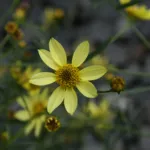 Coreopsis ‘Moonbeam’Coreopsis 'Moonbeam'
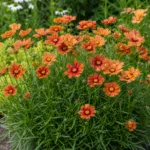 Coreopsis ‘Sienna Sunset’Coreopsis 'Sienna Sunset'