
 Source:
 Fishbone cactus (Selenicereus anthonyanus) short overview
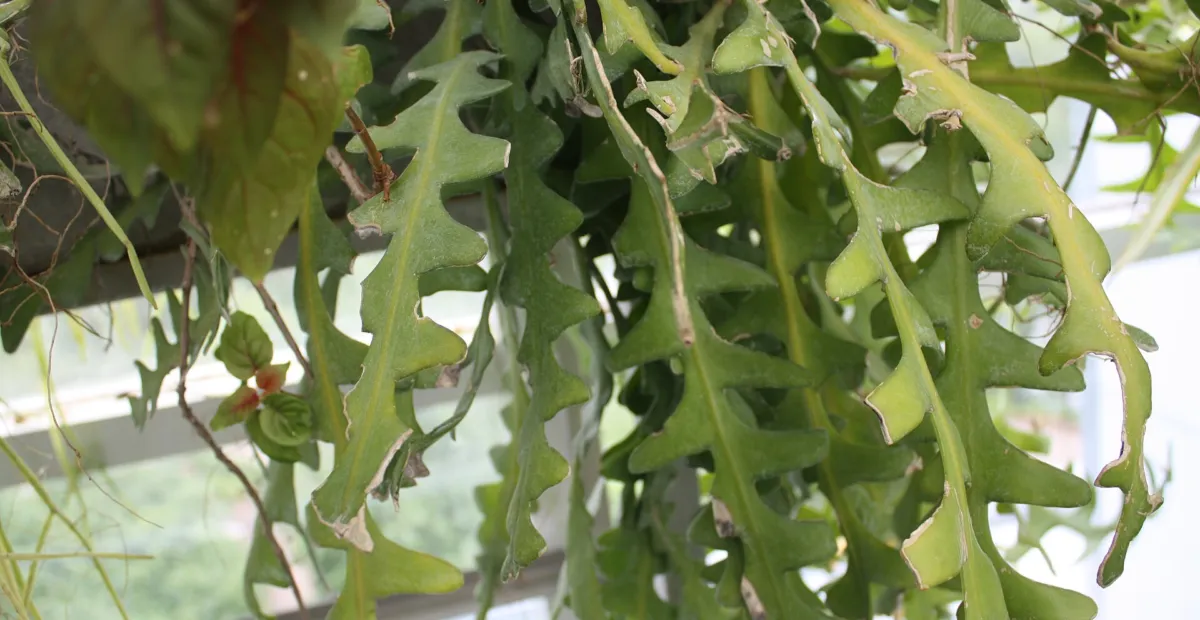
Selenicereus anthonyanus, commonly called fishbone cactus, is a distinctive tropical epiphytic cactus from southern Mexico. Its flattened green stems develop deep, narrow zigzag lobes that trail gracefully from baskets or shelves. With bright filtered light, an airy well-drained growing medium, and thorough watering followed by partial drying, it can become a vigorous houseplant and may produce large, fragrant flowers at night.
Taxonomic classification
Fishbone cactus (Selenicereus anthonyanus) care guide
Light and placement
Give bright filtered light, such as an east window or a position a few feet behind a bright south or west window. Gentle morning sun is usually useful, but intense afternoon sun through glass can bleach or scorch the stems. Too little light causes weak, elongated growth and reduces flowering; too much causes yellowing, reddish stress color, or sunburn.
Watering and humidity
Water thoroughly until excess drains, then wait until the upper portion of the mix has dried and the container feels lighter. Water more often during warm bright growth and much less in winter or during cool, low-light periods. Do not leave the pot standing in water. Moderate humidity is helpful, but airflow is essential to prevent rot.
Soil and growing medium
Use a very airy, fast-draining epiphytic cactus mix made from potting mix, orchid bark, and perlite or pumice. The medium should hold some moisture without remaining wet around the roots. A slightly acidic to neutral reaction is suitable; avoid dense garden soil and waterlogged containers.
Feeding
Feed from spring through late summer with a balanced or cactus fertilizer diluted to one-quarter to one-half label strength about monthly. Water first if the mix is dry. Stop feeding in low-light winter conditions and do not fertilize a recently cut, freshly repotted, cold, or visibly diseased plant.
Growth and habit
This epiphytic cactus produces flexible, flattened stems that naturally spill, hang, or climb among supporting vegetation. Provide a basket or trellis and rotate the container periodically for even growth. Prune only to control length, remove damage, or create cuttings; avoid constantly rearranging young stems.
Planting and repotting
Plant or pot in spring after active growth resumes. Set the root zone at the same depth as before and do not bury the flattened stems. Allow room for the stems to trail, or provide a support if a climbing display is desired. Establish with moderate watering while new roots form.
Repot in spring when the container is crowded or the mix has decomposed. Move only one pot size larger, preserve the root ball where practical, and use a container with generous drainage. Let cut or damaged roots dry briefly before watering again.
Propagation and pruning
Propagation
Stem cuttings are the practical method. Cut a healthy segment, allow the wound to callus for several days, then place the basal end in a barely moist, airy cactus mix in warm bright shade. Seed propagation is possible but slower and less commonly used for ordinary houseplant production.
Pruning
Prune in spring or summer with clean, sharp tools. Remove damaged, diseased, or unwanted stems at a joint, and allow cut surfaces to dry before propagation or renewed watering. Avoid heavy pruning immediately before cool, dark conditions.
Overwintering
Protect from temperatures below about 50°F, especially when the mix is wet. In colder US climates, grow indoors in bright light through winter. Keep watering sparse during cool, dim periods, but do not place the plant beside a heating vent or in stagnant air.
Uses
Primarily an ornamental houseplant, hanging-basket subject, or frost-free conservatory cactus. Its flattened stems make it useful for vertical supports and mixed epiphytic displays. It should not be promoted as an edible or medicinal plant without separate authoritative evidence.
Appearance
The defining feature is the flattened, succulent stem with narrow, sharply angled lobes arranged in a fishbone or zigzag pattern. Stems are green, flexible, and jointed, with small areoles along the margins. Unlike many desert cacti, the plant has a leafy-looking epiphytic form and is commonly displayed as a cascading specimen.
Flowering
This species produces large, tubular, night-opening flowers about 4–5 inches long. The outer perianth is carmine pink, while cultivated descriptions commonly show pale to white inner segments. Flowers are associated with nocturnal blooming and may be strongly fragrant, but flowering time is variable in cultivation and reliable United States month data are not established.
Pollination and visitors
The large, night-opening flowers are compatible with nocturnal visitors, and moth visitation is a reasonable documented group-level association for this type of cactus. A specific pollinator species could not be confirmed confidently for this exact taxon.
Selenicereus anthonyanus photos
Click any photo for a larger view. Source, author and license are shown separately.
Diseases and pests
Diseases
Prevent stem and root rot with a porous medium, drainage, and careful watering. Soft, dark, collapsing tissue usually indicates excess moisture or cold wet conditions; remove affected sections with sterile tools and reroot healthy cuttings. Improve airflow and avoid persistent leaf wetness.
Pests
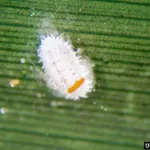
Watch for mealybugs, scale, and spider mites, especially on stressed indoor plants. Inspect stem joints and pot rims regularly; remove small infestations with a cotton swab and rubbing alcohol, then use an appropriate labeled treatment if needed. Improve light and airflow, and isolate affected plants.
Related diseases and pests
Only Plant Doctor profiles whose host data indicate this plant may be affected are shown here.


Toxicity and pollen
Reliable species-specific toxicity evidence for Selenicereus anthonyanus is limited. It is not documented here as a food plant, and the stems may cause mechanical irritation from spines or bristles. Keep cuttings and plant material away from children and pets, and seek professional advice after ingestion or a significant reaction.
- Pollination / pollen
- Flower pollen; primarily animal-associated rather than wind-dispersed
No reliable evidence establishes this species as a significant airborne-pollen allergen in the United States. Its pollen is produced inside conspicuous flowers rather than released from wind-dispersed cones. People with plant allergies should still avoid direct contact if symptoms occur.
Native habitat
Native to southern Mexico, where it occurs as a succulent epiphyte in seasonally dry tropical conditions. Epiphytic growth means roots encounter organic debris and bark rather than deep mineral soil, explaining the plant’s need for both air-filled substrate and periodic moisture.
Interesting fact
The flattened stems have strongly toothed, fishbone-like margins that distinguish the plant from many round-stemmed cacti. It is an epiphyte in nature rather than a conventional desert cactus. The accepted name was formerly associated with Cryptocereus anthonyanus.
Frequently asked questions (FAQ)
The most relevant questions about this plant, with short and direct answers.
🌱Quick care
What is Selenicereus anthonyanus commonly called?⌄
Selenicereus anthonyanus is commonly called fishbone cactus. It is also sold under names such as zigzag cactus or ric rac cactus, but “fishbone cactus” is the documented common name for this plant.
Is Selenicereus anthonyanus a true cactus?⌄
Yes, Selenicereus anthonyanus is a true cactus in the family Cactaceae. Unlike desert cacti, it is an epiphytic, tropical cactus adapted to growing among trees.
How do you care for a fishbone cactus?⌄
Give it bright filtered light, an airy epiphytic cactus mix, and thorough watering followed by partial drying. Protect it from frost and move it indoors when temperatures approach 50°F.
How fast does Selenicereus anthonyanus grow?⌄
Selenicereus anthonyanus can grow fairly quickly during warm, bright conditions. Growth slows when light, temperature, water, or nutrition is limited.
🌤️Environment and placement
How much light does a fishbone cactus need?⌄
A fishbone cactus grows best in bright filtered or indirect light. Gentle morning sun can be suitable, but strong direct afternoon sunlight may scorch the flattened stems.
Can Selenicereus anthonyanus grow outdoors?⌄
Yes, it can grow outdoors in warm, frost-free conditions with filtered light or partial shade. In most of the United States, grow it outdoors seasonally and bring it inside before temperatures fall below 50°F.
What temperature is best for Selenicereus anthonyanus?⌄
Keep Selenicereus anthonyanus in mild to warm conditions and protect it from temperatures below 50°F. It is not frost-tolerant, so bring outdoor plants indoors before cold weather arrives.
Does a fishbone cactus need high humidity?⌄
A fishbone cactus appreciates moderate to high humidity, especially in dry indoor climates. Good air circulation is important because constantly wet, stagnant conditions can encourage rot.
Can I grow a fishbone cactus in a hanging basket?⌄
Yes, a hanging basket is well suited to Selenicereus anthonyanus because its segmented stems naturally trail. Use a container with drainage holes and provide support if the plant is allowed to climb.
Why does my fishbone cactus have aerial roots?⌄
Aerial roots are normal for this epiphytic cactus and help the stems attach to supports or absorb moisture from the surrounding air. They do not automatically indicate a problem or require removal.
💧Care and problems
How often should I water Selenicereus anthonyanus?⌄
Water thoroughly when the mix has partially dried, then let excess water drain completely. Watering frequency varies with light, temperature, humidity, pot size, and season, so check the mix rather than following a fixed calendar.
Should a fishbone cactus dry out completely between waterings?⌄
A fishbone cactus should usually dry partially rather than remain bone-dry for long periods. Allowing the mix to stay constantly wet is more dangerous than brief dryness because saturated roots can rot.
Why is my fishbone cactus wrinkled or limp?⌄
Wrinkled or limp stems commonly indicate that the plant is too dry or has damaged roots. Water thoroughly once the mix has partly dried, but inspect the roots if the stems remain soft after watering.
Why are the stems of my fishbone cactus turning mushy?⌄
Mushy, brown stem sections usually indicate overwatering or root rot. Remove the plant from the wet mix, cut away soft tissue back to firm green tissue, let the cuts dry, and re-root healthy sections in a fresh airy medium.
Why is my fishbone cactus turning yellow?⌄
Yellowing can result from excessive moisture, poor drainage, intense sun stress, or aging tissue. Check the roots and growing medium first, then correct watering and light before removing affected sections.
What pests attack Selenicereus anthonyanus?⌄
Mealybugs, scale, and spider mites can occasionally affect Selenicereus anthonyanus. Isolate an infested plant, remove visible insects, and use a labeled houseplant treatment according to its instructions.
Should I fertilize a fishbone cactus?⌄
Fertilize a fishbone cactus lightly during active spring and summer growth with a diluted cactus or balanced houseplant fertilizer. Avoid heavy feeding and reduce or stop fertilizing during winter or other periods of slow growth.
🪴Planting and repotting
What soil is best for Selenicereus anthonyanus?⌄
Use an airy epiphytic cactus mix containing materials such as coarse bark, perlite, pumice, or another drainage component. The medium should hold some moisture while allowing abundant air around the roots.
Does a fishbone cactus need a pot with drainage holes?⌄
Yes, a fishbone cactus should be planted in a container with drainage holes. Without reliable drainage, the airy root environment this epiphytic cactus needs can quickly become waterlogged.
When should I repot Selenicereus anthonyanus?⌄
Repot Selenicereus anthonyanus in spring or early summer when it has outgrown its container or the mix has broken down. Signs include roots emerging from drainage holes, poor drainage, or persistently declining growth.
How large should the new pot be for a fishbone cactus?⌄
Choose a pot only about 1–2 inches wider than the current root ball. An oversized container retains excess moisture and increases the risk of root rot.
Can Selenicereus anthonyanus be mounted like an orchid?⌄
Yes, Selenicereus anthonyanus can be mounted on a suitable support because it is an epiphytic cactus. Mounted plants need careful attention to moisture, humidity, and root protection because they dry faster than potted specimens.
✂️Propagation and pruning
How do you propagate a fishbone cactus?⌄
Propagate a fishbone cactus from healthy stem cuttings. Let a cutting callus for several days, then place the cut end into a lightly moist, sharply draining mix until roots develop.
How long should fishbone cactus cuttings dry before planting?⌄
Allow fishbone cactus cuttings to dry until the cut surface forms a thin callus, usually several days. Thick or large cuttings may need more time, while the goal is to prevent the fresh cut from staying wet in the propagation medium.
Can you propagate Selenicereus anthonyanus in water?⌄
Selenicereus anthonyanus can sometimes root in water, but a clean, airy propagation medium is generally safer for a cactus cutting. Water-rooted cuttings may need gradual adjustment before planting into a coarse mix.
How do you prune a fishbone cactus?⌄
Prune with clean, sharp shears to remove dead, damaged, or excessively long stems. Make cuts at a joint or near the base, and allow fresh cuts to dry before exposing them to heavy moisture.
Can pruning make a fishbone cactus fuller?⌄
Pruning can improve the plant’s shape and encourage branching from remaining healthy sections, but it does not guarantee a fuller plant. Adequate light, warmth, water, and nutrition are also needed for new growth.
⚠️Toxicity and safety
Is Selenicereus anthonyanus poisonous to cats or dogs?⌄
Species-specific toxicity information for Selenicereus anthonyanus is not sufficiently established here. Keep it away from pets and children, and contact a veterinarian or poison-control service if any part is ingested.
Is a fishbone cactus safe to eat?⌄
A fishbone cactus should not be eaten because its species-specific edibility and toxicity are not confirmed. Prevent ingestion by people and pets, even though the plant is not known for prominent spines.
🌸Flowering and special interest
Does Selenicereus anthonyanus flower?⌄
Yes, mature Selenicereus anthonyanus can produce large, fragrant flowers that open at night. Flowering is less predictable indoors and depends on maturity and suitable seasonal growing conditions.
When does a fishbone cactus bloom?⌄
A fishbone cactus generally blooms seasonally, often during warmer parts of the year, but the timing varies by clone and growing conditions. Individual flowers are short-lived and may open for only one night.
Why is my fishbone cactus not flowering?⌄
A fishbone cactus may not flower because it is immature, lacks sufficient bright light, has no seasonal change, or is receiving inconsistent care. Avoid forcing blooms with drought or cold; provide stable care and allow the plant to mature.
Are fishbone cactus flowers fragrant?⌄
Yes, flowers of Selenicereus anthonyanus are reported to be fragrant, particularly when they open at night. Flower size, scent, and frequency can vary between plants and growing conditions.
Is Selenicereus anthonyanus the same plant as Disocactus anguliger?⌄
No, Selenicereus anthonyanus and Disocactus anguliger are distinct species that are often sold under the same fishbone cactus name. Their care is broadly similar, but accurate identification requires comparing stem shape and other botanical features.
Similar plants
 Azure Monkshood (Aconitum carmichaelii) care guideAconitum carmichaelii
 Monkshood (Aconitum ‘Stainless Steel’)Aconitum 'Stainless Steel'
 Monkshood (Aconitum ‘Bressingham Spire’)Aconitum 'Bressingham Spire'
 Golden full moon maple (Acer shirasawanum ‘Aureum’)Acer shirasawanum 'Aureum'
 Globosum (Acer platanoides ‘Globosum’)Acer platanoides 'Globosum'
 Striped maple (Acer pensylvanicum) care guideAcer pensylvanicum