
 AI-generated illustration
 Coreopsis ‘Sunfire’ short overview
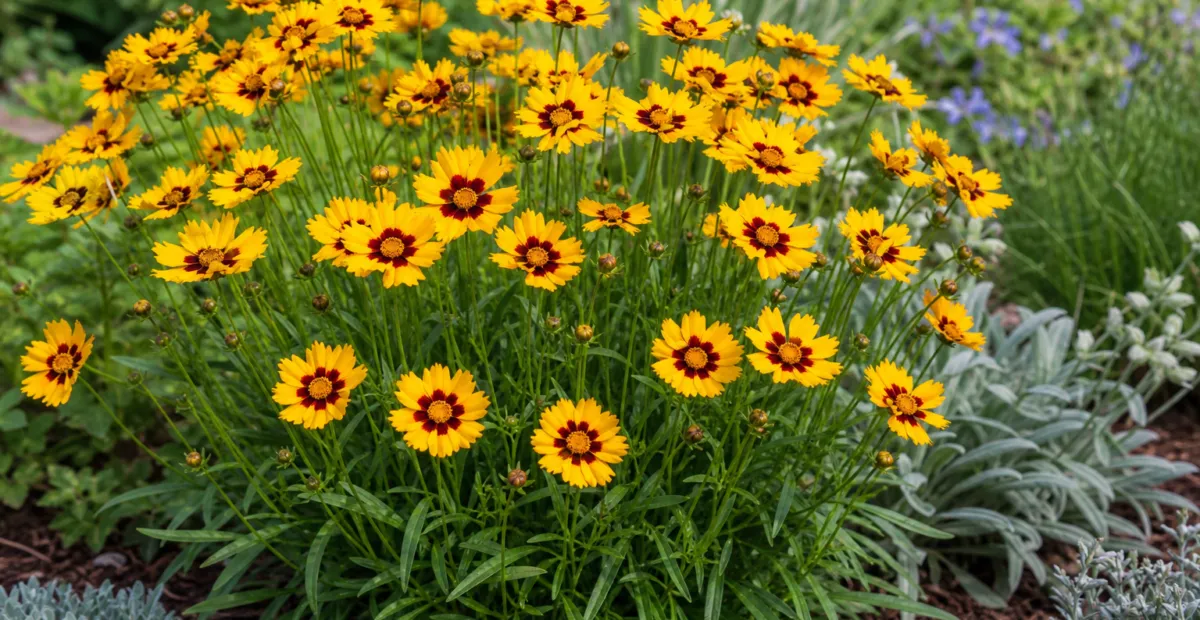
Coreopsis 'Sunfire' is a compact, early-flowering tickseed cultivar with golden-yellow flowers marked by burgundy-red centers. It performs best in full sun, sharply drained soil, and moderate watering. Although marketed as hardy in USDA Zones 4–9, garden trials show that winter survival can be inconsistent, especially in wet soils. Regular deadheading extends the bloom display. Coreopsis 'Sunfire' is a compact, early and uniform selection of large-flowered coreopsis, widely marketed under the species combination Coreopsis grandiflora 'Sunfire'.
Taxonomic classification
Coreopsis ‘Sunfire’ care guide
Light and placement
Give full sun for the strongest stems, densest habit, and heaviest flowering; orient beds toward unobstructed southern or western light where practical. In very hot Southern gardens, light afternoon shade may reduce stress. Too little light produces lankier growth and fewer flowers, while intense heat combined with drought can cause wilting or leaf scorch.
Watering and humidity
Water deeply when the upper soil begins to dry, rather than giving frequent shallow sprinkles. Keep moisture more consistent during the first growing season and during bud formation, then reduce irrigation once plants are established. In containers, check more often, but never leave the mix saturated. Good drainage is more important than high humidity.
Soil and growing medium
Use fertile, well-drained soil with good air movement around the crown. Sandy or loamy ground is especially suitable; heavier clay can work only when amended for drainage. Commercial culture commonly uses a slightly acidic substrate around pH 5.8–6.2, while garden plants tolerate a broader mildly acidic to mildly alkaline range.
Feeding
Feed lightly in spring with compost or a balanced, slow-release fertilizer. Container plants may receive a dilute balanced fertilizer during active growth, following the product label. Avoid heavy nitrogen applications, which can produce soft foliage and reduce flowering; do not fertilize drought-stressed or waterlogged plants.
Growth and habit
Forms a neat, bushy clump with upright flowering stems and a relatively compact landscape habit. It is commonly treated as a short-lived perennial, and some growers use it as an annual where winter wet or severe conditions reduce survival. Removing spent flowers helps maintain a tidy, productive display.
Planting and repotting
Plant after the main spring frost risk has passed, or set out established plants in early fall where winters are moderate. Set the crown at the same depth as in its nursery container. Allow about 18–24 inches between plants for airflow and a full mound; water regularly during establishment.
Move container plants into fresh, well-drained potting mix in early spring when roots fill the container. Choose a pot only one size larger and ensure generous drainage holes. Avoid keeping the crown buried or the mix constantly wet, as prolonged saturation can encourage root problems.
Propagation and pruning
Propagation
Propagate from seed or by division. Sow seed with only a light covering; commercial culture reports germination in roughly 2–4 days under suitable conditions. Divide established clumps in early spring when needed, although the cultivar may be short-lived in some gardens.
Pruning
Deadhead spent flowers regularly to encourage new buds and prevent a tired appearance. After flowering and frost have finished the season, cut back old stems near the base. In areas with wet winters, avoid piling dense mulch over the crown.
Overwintering
In USDA Zones 4–9 it may overwinter outdoors, but survival varies with drainage, winter moisture, and local climate. Leave a light layer of mulch around, not over, the crown in cold regions. In wet climates, improve drainage rather than adding heavy winter cover. Container plants are more exposed to root freezing and may need sheltered placement.
Uses
Useful in sunny borders, containers, mass plantings, and cutting gardens. Its long flowering period and reported visits from bees and butterflies make it suitable for pollinator-oriented plantings. It is ornamental only; no culinary or medicinal use is established here.
Appearance
The plant forms a compact mound of deep green, divided foliage with upright, branched herbaceous stems. Its most distinctive feature is the contrast between clear golden-yellow ray florets and burgundy-red markings at the bases, creating a dark central eye while retaining a single-flowered appearance.
Flowering
This cultivar flowers earlier than many large-flowered coreopsis selections and can bloom in the first year from seed. Single flower heads appear on upright stems, with golden-yellow rays surrounding a burgundy-red basal eye. Deadheading encourages additional buds and can extend flowering toward fall.
Pollination and visitors
The open, single flower heads provide accessible floral resources and are reported to attract bees and butterflies; other small flower-visiting insects may also use them. Exact pollinator species documented specifically on this cultivar were not located.
Diseases and pests
Diseases
Usually manageable, but powdery mildew and downy mildew have been reported. Improve air circulation, avoid overhead irrigation, and remove badly affected foliage. Root rot is a greater concern in persistently wet soil or during unusually rainy seasons; provide drainage and do not mulch against the crown.
Pests
Slugs and snails may damage young foliage. Monitor after wet weather and use hand-picking, barriers, or other proportionate controls where needed. Good site preparation and avoiding excess irrigation reduce pest pressure.
Toxicity and pollen
No cultivar-specific toxicology record was located. ASPCA lists Coreopsis spp. and tickseed entries as non-toxic to dogs and cats, but its database is not exhaustive and any plant material may cause stomach upset if eaten. Prevent heavy consumption and seek veterinary advice if symptoms occur.
- Typical season
- Late spring through fall during flowering
- Pollination / pollen
- Insect-dispersed pollen; limited airborne spread
Coreopsis is insect-pollinated, so its pollen is generally less dispersed through the air than wind-pollinated weeds. However, pollen exposure is not zero: sensitive people may react to ornamental Asteraceae, especially during close handling or heavy flowering. Cultivar-specific allergy data are unavailable.
Native habitat
The cultivar itself is a horticultural selection rather than a wild population. Its parent species, Coreopsis grandiflora, is associated with open sunny habitats in the southeastern United States and grows best in warm, well-drained soils rather than persistently wet ground.
Interesting fact
‘Sunfire’ received a Fleuroselect Gold Medal and was selected for uniform, early flowering. It can flower in its first year from seed. Trial observations found that excessive rainfall and root rot can shorten its garden life despite reported cold hardiness.
Frequently asked questions (FAQ)
The most relevant questions about this plant, with short and direct answers.
🌱Quick care
What is Coreopsis 'Sunfire'?⌄
Coreopsis 'Sunfire' is a compact tickseed cultivar with golden-yellow flowers marked by deep burgundy-red blotches near the bases of the petals. It is grown as a flowering perennial or bedding plant and is suited to sunny borders, containers, and mass plantings.
How much sun does Coreopsis 'Sunfire' need?⌄
Coreopsis 'Sunfire' grows best in full sun, meaning at least 6 hours of direct sunlight daily. More light generally supports sturdier growth and heavier flowering.
How often should I water Coreopsis 'Sunfire'?⌄
Water Coreopsis 'Sunfire' moderately, allowing the soil to dry slightly between waterings. Give it extra water during prolonged heat or drought, but avoid constantly wet soil, which can damage the roots.
What soil is best for Coreopsis 'Sunfire'?⌄
Plant Coreopsis 'Sunfire' in average, well-drained loam or sandy soil. It tolerates a broad range of soil pH and usually performs better in lean soil than in heavily enriched soil.
Is Coreopsis 'Sunfire' easy to grow?⌄
Yes, Coreopsis 'Sunfire' is generally easy to grow when planted in full sun and well-drained soil. The main challenges are overwatering, poor air circulation, and reduced winter survival in wet conditions.
🌤️Environment and placement
Can Coreopsis 'Sunfire' grow in partial shade?⌄
Coreopsis 'Sunfire' may survive in partial shade, but it flowers and develops most reliably in full sun. Shade can produce weaker, leggier growth and fewer blooms.
How large does Coreopsis 'Sunfire' get?⌄
Coreopsis 'Sunfire' commonly reaches about 16 to 24 inches tall and 10 to 12 inches wide, although mature size varies with climate, soil, and growing conditions. Plants may become taller in lower light or very rich soil.
What USDA hardiness zones are suitable for Coreopsis 'Sunfire'?⌄
Coreopsis 'Sunfire' is commonly listed for USDA Zones 4 through 8. Its survival can still vary by local winter exposure, especially where soil remains cold and saturated.
Can Coreopsis 'Sunfire' grow in containers?⌄
Yes, Coreopsis 'Sunfire' grows well in containers with drainage holes and a quality potting mix. Container plants dry out faster than plants in the ground, so check moisture more frequently during hot weather.
Is Coreopsis 'Sunfire' drought tolerant?⌄
Established Coreopsis 'Sunfire' has useful drought tolerance, but it performs best with moderate water during extended dry periods. Newly planted specimens need consistent watering until their roots are established.
Does Coreopsis 'Sunfire' attract pollinators?⌄
Coreopsis 'Sunfire' can provide nectar and pollen for visiting bees and other flower-visiting insects. Its open daisy-like blooms are most useful to pollinators when allowed to flower freely rather than being removed immediately.
💧Care and problems
Should I deadhead Coreopsis 'Sunfire'?⌄
Yes, removing faded flowers from Coreopsis 'Sunfire' can encourage additional buds and keep the plant looking tidy. Deadhead regularly during the blooming season, or leave some spent heads for seed and wildlife interest.
Why is my Coreopsis 'Sunfire' not blooming?⌄
Insufficient sunlight, excessive nitrogen, overwatering, or immature growth can reduce blooming in Coreopsis 'Sunfire'. Move container plants to brighter light, avoid heavy fertilization, and keep the soil well drained.
Why is Coreopsis 'Sunfire' turning yellow?⌄
Yellowing foliage on Coreopsis 'Sunfire' is often associated with excess moisture, poor drainage, root stress, or natural aging of lower leaves. Check the soil before watering and improve drainage if it stays wet.
Why is my Coreopsis 'Sunfire' floppy?⌄
Coreopsis 'Sunfire' can become floppy when it receives too little light, grows in overly rich soil, or is exposed to excessive moisture. Full sun, restrained fertilization, and light trimming can help maintain a more compact habit.
What pests affect Coreopsis 'Sunfire'?⌄
Coreopsis 'Sunfire' may be affected by aphids, thrips, leafminers, plant bugs, beetles, or other common garden pests. Inspect new growth and undersides of leaves regularly, and use the least-disruptive treatment needed.
What diseases can affect Coreopsis 'Sunfire'?⌄
Possible problems include powdery mildew, leaf spots, rust, Botrytis, root rots, and aster yellows. Good air circulation, careful watering, adequate spacing, and removal of severely diseased foliage reduce disease pressure.
🪴Planting and repotting
When should I plant Coreopsis 'Sunfire' in the United States?⌄
Plant Coreopsis 'Sunfire' in spring after the local danger of hard frost has passed, or in early fall where plants have time to establish before winter. In warm regions, avoid planting during the most intense summer heat.
How far apart should I plant Coreopsis 'Sunfire'?⌄
Space Coreopsis 'Sunfire' about 10 to 12 inches apart for a relatively full planting, allowing additional room where better air circulation is important. Follow the mature width on the plant label when available.
How do I plant Coreopsis 'Sunfire' from a nursery container?⌄
Set Coreopsis 'Sunfire' at the same depth it was growing in its container, with the crown level with the surrounding soil. Water thoroughly after planting and keep the root zone moderately moist while the plant establishes.
Can Coreopsis 'Sunfire' tolerate poor soil?⌄
Yes, Coreopsis 'Sunfire' tolerates relatively poor soil as long as it drains well. Avoid heavily amending the planting hole with rich material or fertilizer, because excessive fertility can favor foliage over flowers.
Does Coreopsis 'Sunfire' need fertilizer?⌄
Coreopsis 'Sunfire' usually needs little fertilizer in average soil. If growth is weak, apply a light, balanced spring fertilizer or a small amount of compost, but avoid high-nitrogen feeding.
✂️Propagation and pruning
Can Coreopsis 'Sunfire' be grown from seed?⌄
Yes, Coreopsis 'Sunfire' can be propagated from seed, and seed-grown plants are commonly produced commercially. Because cultivar traits may vary in some seed lines, plants may not always be perfectly identical to the parent.
Can I propagate Coreopsis 'Sunfire' from cuttings?⌄
Yes, Coreopsis selections such as 'Sunfire' can be propagated from suitable vegetative cuttings. Take healthy nonflowering shoots during active growth and root them in a clean, well-drained propagation medium.
Can Coreopsis 'Sunfire' be divided?⌄
Coreopsis 'Sunfire' may be divided when it has formed a substantial clump, preferably in spring or early fall. Division is less commonly used than seed or cuttings, and small or weak plants may not divide successfully.
Should I cut back Coreopsis 'Sunfire' in fall?⌄
You can cut Coreopsis 'Sunfire' back after flowering or leave the dried stems through winter for structure and seed-eating wildlife. In areas with wet winters, removing congested growth can improve airflow, but avoid keeping the crown constantly wet.
Should I pinch Coreopsis 'Sunfire'?⌄
Pinching young Coreopsis 'Sunfire' plants can encourage branching and a fuller shape, although established garden plants usually need little shaping. Stop pinching once flower buds begin forming if early bloom is important.
⚠️Toxicity and safety
Is Coreopsis 'Sunfire' toxic to dogs or cats?⌄
Coreopsis 'Sunfire' is not listed as toxic in the supplied plant-safety context. Even non-toxic plants can cause mild stomach upset if eaten, so contact a veterinarian or poison-control service if a pet consumes a large amount or develops symptoms.
Is Coreopsis 'Sunfire' deer resistant?⌄
Coreopsis is often considered relatively deer resistant, and deer commonly browse it less than more palatable ornamentals. No plant is completely deer proof, especially when deer pressure is high or food is scarce.
🌸Flowering and special interest
What color are Coreopsis 'Sunfire' flowers?⌄
Coreopsis 'Sunfire' produces bright golden-yellow flowers with deep red to burgundy markings near the flower centers. The contrasting bicolor pattern is most vivid when plants receive strong sunlight.
When does Coreopsis 'Sunfire' bloom?⌄
Coreopsis 'Sunfire' is an early-flowering selection that can bloom from late spring into summer, with timing varying by climate and planting date. Deadheading may help extend the display.
Does Coreopsis 'Sunfire' bloom the first year?⌄
Coreopsis 'Sunfire' can bloom in its first growing season when planted as an established nursery plant or started early under suitable conditions. Plants grown from seed later in the season may focus first on root and foliage development.
Can Coreopsis 'Sunfire' rebloom after being cut back?⌄
Yes, lightly shearing Coreopsis 'Sunfire' after an initial flush of flowers can encourage a fresh round of growth and blooming. Do not remove more than necessary, and provide adequate water while the plant regrows.
Similar plants
 Whorled Coreopsis (Coreopsis verticillata) care guideCoreopsis verticillata
 Lance-leaved Coreopsis (Coreopsis lanceolata) care guideCoreopsis lanceolata
 Plains coreopsis (Coreopsis tinctoria) care guideCoreopsis tinctoria
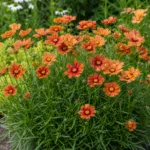 Coreopsis ‘Sienna Sunset’Coreopsis 'Sienna Sunset'
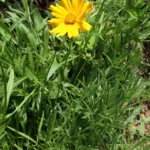 Large-flowered tickseed (Coreopsis grandiflora) care guideCoreopsis grandiflora
 Coreopsis ‘Red Satin’Coreopsis 'Red Satin'